
The allure of a diamond is undeniable. For centuries, these sparkling gems have symbolized love, commitment, and unparalleled luxury. Their brilliance, hardness, and rarity have captivated humanity, making them a cornerstone of jewelry and a significant investment. But when we ask, “What elements are in a diamond?” we’re not just talking about the superficial sparkle. We’re delving into the fundamental building blocks, the scientific marvel that creates this precious mineral, and surprisingly, how this often connects to the very principles that drive innovation, brand perception, and financial value in our modern world.
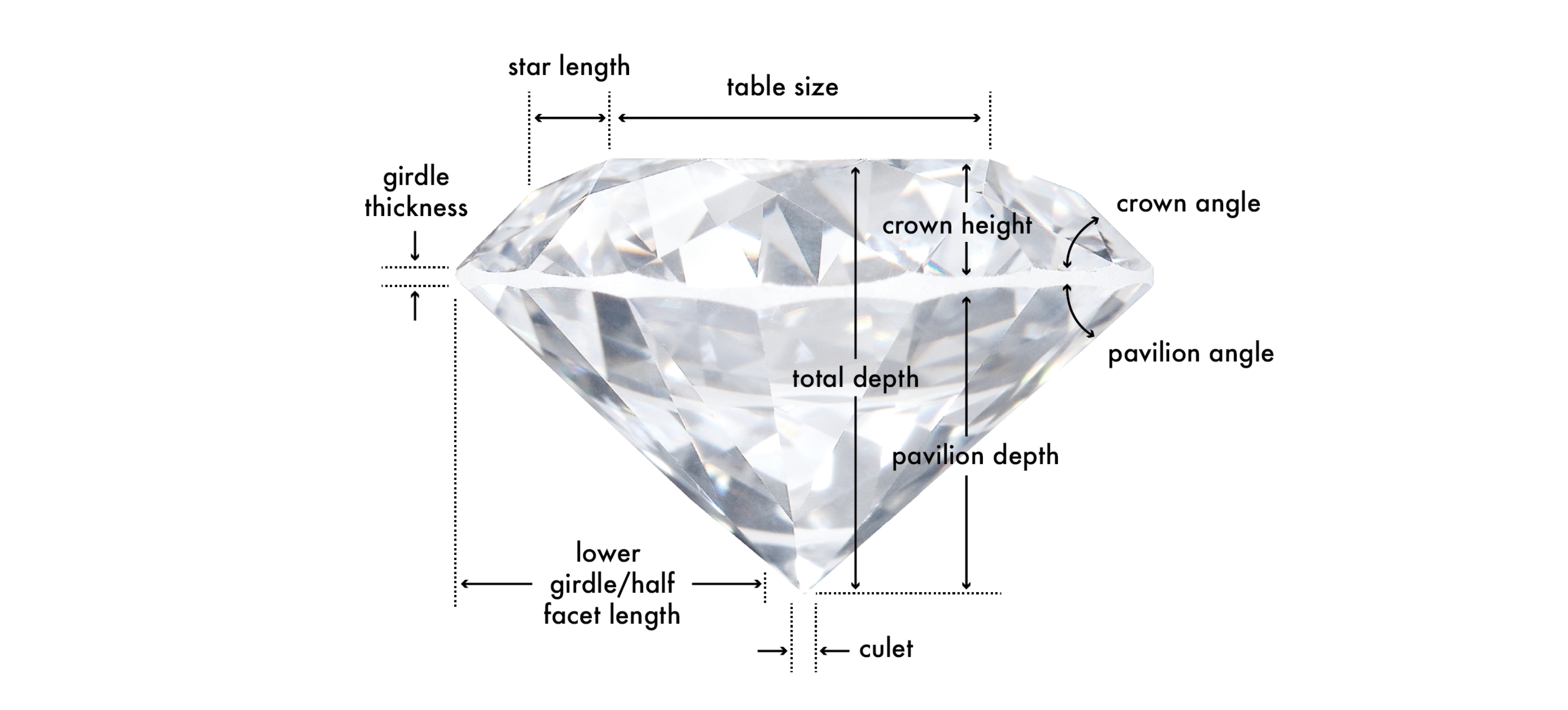
While the romantic image of a diamond often conjures up notions of ancient forces and geological magic, the scientific reality is both simpler and more profound. At its core, a diamond is a remarkably pure substance, a testament to the power of elemental arrangement. Understanding this elemental composition is the first step in appreciating the true “elements” that contribute to a diamond’s value, extending far beyond its chemical formula. We’ll explore the scientific core, then branch out into how these underlying principles resonate with the technological advancements shaping our lives, the strategic branding that defines our businesses, and the financial strategies that secure our futures.
The Elemental Core: Carbon’s Crystalline Triumph
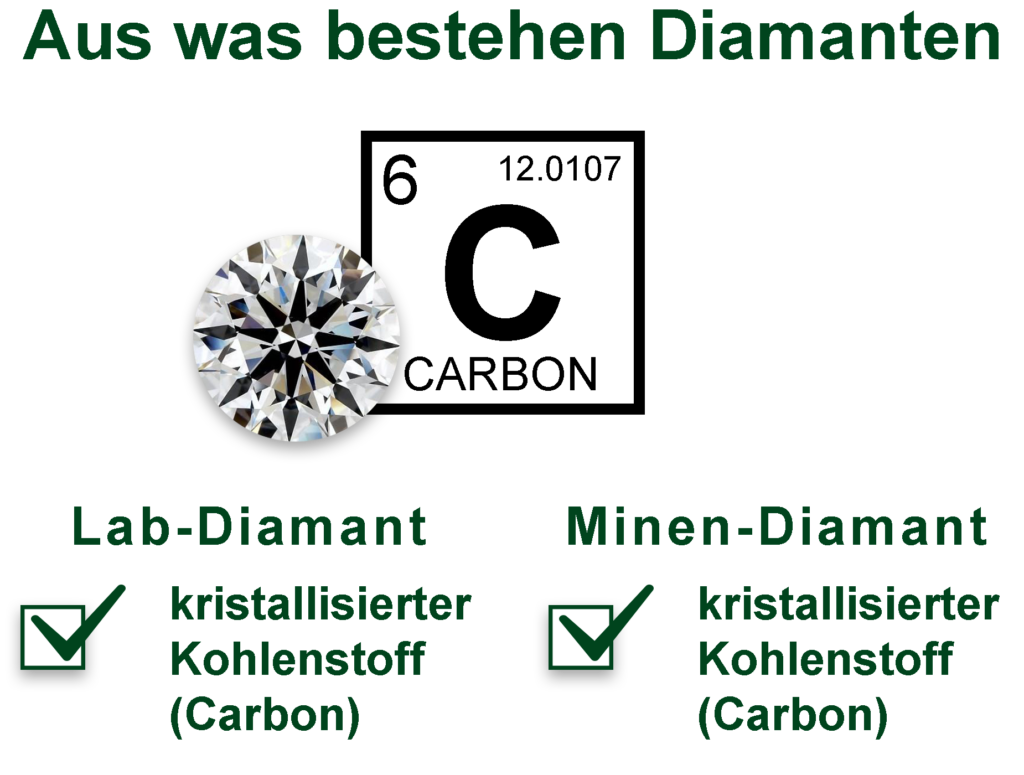
At the absolute foundation of what makes a diamond a diamond lies a single element: carbon. This unassuming element, familiar to us as the basis of life and the fuel for our fires, undergoes a remarkable transformation under specific conditions to form the hardest naturally occurring substance on Earth.
The Purest Form: Carbon Atoms in a Cubic Lattice
When we speak of a chemically pure diamond, we are referring to a substance composed almost entirely of carbon atoms. These atoms aren’t just jumbled together; they are arranged in a highly ordered, three-dimensional crystalline structure. Each carbon atom is bonded to four other carbon atoms through strong covalent bonds. This tetrahedral arrangement is incredibly stable and rigid, contributing significantly to diamond’s exceptional hardness and its high melting point.
Imagine a perfectly built structure, where every brick is identical and placed with absolute precision. That’s essentially what happens with carbon atoms in a diamond. This precise arrangement is what gives diamond its strength and its ability to resist scratching. It’s the ultimate example of how a single element, under the right pressures and temperatures, can achieve extraordinary properties.
Beyond Purity: The “Impurities” That Define Character
While pure carbon is the ideal, very few diamonds are perfectly flawless in terms of their elemental composition. It’s often the presence of trace amounts of other elements, known as “impurities” or “trace elements,” that contribute to a diamond’s unique characteristics, including its color and even, in some cases, its fluorescence.
- Nitrogen: The most common impurity in diamonds, nitrogen atoms can substitute for carbon atoms in the crystal lattice. Even at very low concentrations, the presence of nitrogen can absorb blue light, giving the diamond a yellowish or brownish hue. The intensity of this yellow color is directly related to the concentration of nitrogen. While sometimes seen as a flaw, controlled nitrogen content is what gives many diamonds their familiar warm tones.
- Boron: The presence of boron is responsible for the coveted blue color in some diamonds. Boron atoms, when substituting for carbon, absorb red and yellow light, allowing blue light to be transmitted and reflected. These blue diamonds are exceptionally rare and command extremely high prices, highlighting how a specific elemental “impurity” can dramatically increase value.
- Other Trace Elements: While less common, other elements like hydrogen, oxygen, and even noble gases can be incorporated into the diamond structure during its formation. These can contribute to subtle variations in optical properties and, in some rare cases, even create unique visual effects.
This concept of subtle elemental variations leading to distinct characteristics is a powerful analogy that extends far beyond mineralogy. In the realm of technology, it’s the nuanced algorithms that differentiate AI tools. In branding, it’s the subtle design elements that define a corporate identity. And in finance, it’s the specific investment strategies that yield differing returns. The “elements” that make up a diamond, both the core carbon and its trace companions, are a perfect illustration of how complexity and value emerge from fundamental building blocks.
The “Elements” Of Value: Technology, Brand, and Money
The article title, “What Elements Are In A Diamond?”, invites us to think metaphorically. Just as a diamond’s value is determined by its elemental composition, its purity, and the subtle inclusions that give it character, so too is value in the modern world constructed from interwoven “elements” of technology, brand, and money. These are not tangible materials in the same way as carbon, but they are the driving forces behind innovation, market perception, and economic growth.
Tech: The Innovation Engine Fueled by Elemental Principles
The technological landscape is a vibrant ecosystem where the principles of elemental composition and precise arrangement are constantly at play. Just as a diamond’s perfect crystalline structure dictates its hardness, the intricate design and coding of software, the sophisticated architecture of AI algorithms, and the meticulous engineering of gadgets all rely on foundational elements to achieve their desired outcomes.
- Software and AI Tools: At the core of any software or AI tool lies a series of code – a fundamental set of instructions. These instructions, much like carbon atoms, are the building blocks. Developers meticulously arrange these lines of code, creating complex algorithms and functionalities that power everything from productivity apps to advanced machine learning models. The “purity” of the code, its efficiency, and the absence of bugs are crucial for optimal performance, mirroring the purity of a diamond. Furthermore, the subtle variations in algorithms, the “trace elements” of different machine learning techniques, can lead to vastly different capabilities and outcomes, just as trace elements in a diamond influence its color. Consider the difference between a basic chatbot and a sophisticated AI assistant; the fundamental “carbon” of programming is the same, but the sophisticated arrangement and integration of advanced “elemental” techniques create a stark contrast in their capabilities.
- Gadgets and Hardware: The design and manufacturing of modern gadgets are exercises in elemental precision. From the microprocessors etched with intricate patterns to the durable casing materials, each component is a carefully selected and assembled element. The choice of materials – the specific alloys, the quality of the semiconductors – directly impacts the gadget’s performance, longevity, and aesthetic appeal. A smartphone, for instance, is a symphony of elements: silicon for its brains, lithium and cobalt for its battery, glass for its screen, and various metals for its chassis. The seamless integration of these elements, much like the bonded carbon atoms in a diamond, creates a functional and desirable product.
- Digital Security and Productivity: Even in areas like digital security and productivity, the underlying principles are similar. Robust security systems are built on layers of complex algorithms and protocols – intricate arrangements of digital “elements.” Similarly, productivity tools often function by streamlining workflows through precise, step-by-step processes, breaking down complex tasks into manageable “elements.” The reliability and effectiveness of these systems depend on the strength and purity of their underlying structure, much like a diamond’s resilience.
The drive for innovation in technology is akin to the pursuit of the perfect diamond. It involves understanding fundamental principles, meticulously arranging components, and constantly striving for greater purity, efficiency, and unique characteristics. The “elements” of technology are the code, the algorithms, the hardware components, and the digital infrastructure that, when brought together with ingenuity, create the tools and systems that shape our modern lives.
Brand: Crafting Identity Through Strategic Elemental Integration
The concept of “brand” is deeply intertwined with the idea of fundamental elements and their unique combinations to create a recognizable and valuable entity. A strong brand is not simply a logo; it’s a carefully constructed identity built upon a set of core principles, values, and aesthetic choices – its own unique set of “elements.”
- Brand Strategy and Corporate Identity: At the heart of any brand strategy is the identification and articulation of its core “elements.” What is the fundamental purpose of this brand? What are its defining values? What is its unique selling proposition? These are the foundational “carbon” atoms of the brand. Corporate identity then builds upon this foundation through a consistent and cohesive visual language, tone of voice, and customer experience. The logo, the color palette, the typography – these are the stylistic “impurities” that give the brand its distinct character and memorability, much like trace elements give a diamond its color. A brand like Apple, for instance, is built on elements of innovation, simplicity, and premium design. These elements are consistently woven into every aspect of their products and marketing, creating a powerful and instantly recognizable identity.
- Marketing and Design: Marketing campaigns and design choices are the vehicles through which these brand elements are communicated to the world. A compelling marketing message highlights the brand’s core strengths, while thoughtful design ensures that the visual presentation aligns with the brand’s essence. Each element in a marketing campaign – the imagery, the copy, the call to action – must work in harmony to reinforce the brand’s identity. Similarly, in graphic design, the careful selection and arrangement of visual elements – shapes, colors, fonts – create a specific aesthetic that evokes certain emotions and associations. A well-designed advertisement for a luxury watch will use different “elements” of visual language than an advertisement for a budget airline.
- Case Studies and Reputation: The success stories and customer experiences associated with a brand, documented in case studies, act as tangible proof of the brand’s effectiveness – its “elemental integrity.” A positive reputation is built over time through consistent delivery on promises and a commitment to its core values. This reputation is like the inherent brilliance of a diamond, a testament to its quality and authenticity. When a company has a strong reputation, its products and services are perceived as more valuable, even without seeing them directly, much like the inherent value we associate with a diamond’s known properties. The “elements” of brand are therefore not static; they are dynamic forces that are constantly shaped, communicated, and validated through marketing, design, and the lived experiences of consumers.
Money: The Economic Equation of Value and Investment
The world of finance, much like the gemological world of diamonds, is fundamentally about understanding value, scarcity, and the careful management of resources. The “elements” of money are not just the currency itself, but the underlying principles of investment, economic growth, and the strategic allocation of capital.
- Personal Finance and Investing: In personal finance, the “elements” we manage are our income, expenses, savings, and investments. The goal is to arrange these elements in a way that maximizes financial security and growth. Just as a diamond’s value is amplified by its rarity and demand, sound financial decisions often involve identifying assets with intrinsic value that are likely to appreciate over time. Investing, in essence, is about carefully selecting and combining different “elements” of the financial market – stocks, bonds, real estate – in a way that aligns with one’s risk tolerance and financial goals. Diversification, the act of spreading investments across different asset classes, is like ensuring a diamond has a well-balanced composition of its constituent elements for maximum stability and beauty.
- Online Income and Side Hustles: The modern economy offers a growing array of opportunities for generating income through various “elements.” Online platforms and digital tools have democratized entrepreneurship, allowing individuals to leverage their skills and passions to create side hustles or entirely new online businesses. This often involves identifying a market need, developing a product or service (the core “element”), and then effectively marketing and selling it. The success of these ventures hinges on the smart integration of various digital “elements” – website development, social media marketing, e-commerce platforms – to reach a wider audience and generate revenue.
- Business Finance and Financial Tools: For businesses, managing financial “elements” is paramount to survival and growth. This includes everything from securing funding and managing cash flow to making strategic investment decisions. Financial tools, such as accounting software, budgeting apps, and investment platforms, act as the sophisticated “elements” that help businesses analyze, track, and optimize their financial performance. Understanding the interplay of these financial elements – revenue, costs, profit margins, debt – is crucial for making informed decisions that drive profitability, much like understanding the geological formation and chemical composition of a diamond is crucial for assessing its true worth. The “elements” of money are the fundamental building blocks of economic activity, and their careful management and strategic application are what drive prosperity and financial well-being.
In conclusion, while the question “What elements are in a diamond?” might seem to lead us solely into the realm of geology, it serves as a powerful springboard for understanding the fundamental components that drive value and innovation across diverse fields. From the elemental purity of carbon to the intricate algorithms of AI, the strategic choices in brand building, and the astute management of financial resources, the principles of composition, arrangement, purity, and unique characteristics remain remarkably consistent. The true “elements” that matter are those fundamental building blocks that, when understood and expertly combined, create brilliance, enduring value, and lasting impact.
aViewFromTheCave is a participant in the Amazon Services LLC Associates Program, an affiliate advertising program designed to provide a means for sites to earn advertising fees by advertising and linking to Amazon.com. Amazon, the Amazon logo, AmazonSupply, and the AmazonSupply logo are trademarks of Amazon.com, Inc. or its affiliates. As an Amazon Associate we earn affiliate commissions from qualifying purchases.