
In an era dominated by instant messaging, video calls, and cloud-based document sharing, the term “facsimile number” might seem like a relic from a bygone technological age. Yet, this unique identifier remains a critical component of communication for numerous industries and individuals worldwide. At its core, a facsimile number, often simply referred to as a fax number, is a telephone number specifically allocated for transmitting and receiving documents over a telephone line using a fax machine or, more commonly today, an online fax service. It represents a bridge between physical documents and electronic transmission, facilitating the sending of exact copies (facsimiles) of paper-based information across distances.
The Core Concept: Bridging Physical and Digital Communication
To fully grasp the function of a facsimile number, it’s essential to understand the technology it serves and the communication process it enables. Unlike a regular phone call that transmits voice, a fax number is the address for data transfer, specifically for document imaging.
Understanding the “Facsimile” in Facsimile
The word “facsimile” itself derives from the Latin fac simile, meaning “make similar.” In the context of technology, it refers to an exact copy of something. A fax machine or service scans a physical document, converts its visual content (text, images, signatures) into a digital signal, and then transmits that signal over a telephone line to another fax machine or service. The receiving end decodes the signal and reconstructs the document, ideally producing an exact replica of the original. This fidelity to the original document’s appearance is a key characteristic that sets fax apart from other forms of digital communication like email, which typically transfers text or attached digital files rather than an image of a physical document.
How a Fax Number Connects the Dots
A facsimile number operates much like a standard phone number, identifying a specific endpoint on the Public Switched Telephone Network (PSTN) or an internet-based equivalent. When you dial a fax number, your sending device (fax machine or computer with fax software) initiates a call to the receiving device associated with that number. Once the connection is established and the receiving device “answers” with a distinctive tone (the handshake protocol), the data transmission begins. The fax number is the unique address that ensures your document reaches the intended recipient’s fax device, distinguishing it from other lines or services connected to the same telephone network.
The Underlying PSTN Technology
Historically, fax communication has been heavily reliant on the PSTN. This global network of telephone lines, fiber optic cables, and switching centers forms the backbone over which analog voice and data signals travel. For fax, the digital representation of the document is modulated into an analog signal that can be transmitted over these voice lines. At the receiving end, a demodulator converts the analog signal back into digital data, which is then printed or displayed. While modern e-fax services abstract much of this PSTN reliance through internet protocols, the fundamental concept of a dedicated number routing through a network remains. The unique aspect is the protocol used for data handshake and transmission, which is specific to fax communication (e.g., ITU-T Group 3 standards).
The Evolution of Fax Technology
The journey of the facsimile number is intrinsically linked to the evolution of the technology it supports, marking significant advancements from rudimentary mechanical systems to sophisticated digital solutions.
Early Origins and Analog Transmission
The concept of image transmission dates back to the mid-19th century. Scottish inventor Alexander Bain patented the “electric printing telegraph” in 1843, which could transmit images using synchronized pendulums. Later innovations refined this, leading to commercial “telephotography” services in the early 20th century. These early systems were slow, complex, and transmitted images over dedicated telegraph lines. It wasn’t until the mid-20th century that fax technology started to integrate with the ubiquitous telephone network, making it more accessible. These early fax machines transmitted analog signals directly over phone lines, meaning the image data was converted into a continuous electrical waveform.
The Rise of Dedicated Fax Machines
The late 1970s and 1980s saw the widespread adoption of dedicated fax machines, particularly in business environments. These devices became office staples, connecting via standard telephone lines and using the assigned fax number to send and receive documents. The development of Group 3 fax standards by the ITU-T (International Telecommunication Union – Telecommunication Standardization Sector) was a game-changer. This standard significantly improved transmission speed, resolution, and introduced data compression, making fax communication faster and more cost-effective. During this period, a business often had one or more dedicated telephone lines solely for fax communication, each with its own specific fax number.
The Digital Transformation: From Paper to Pixels
As the internet grew, so did the demand for more efficient and digital forms of communication. The late 1990s and early 2000s ushered in the “fax server” and “PC fax” era, where computers equipped with fax modems could send and receive faxes. This was a crucial step towards digitalizing the process, moving away from physical paper at the sender’s end, though the recipient might still receive a paper printout. The advent of these systems began to decouple the concept of a “fax machine” from a “fax number,” enabling software to handle the transmission and reception. Documents could be created digitally, faxed digitally, and even archived digitally.
Modern Interpretations and Relevance in the Digital Age
While physical fax machines are less common in modern offices, the facsimile number itself has endured, primarily through the rise of online fax services, also known as e-fax.
The Advent of Online Fax (e-Fax) Services
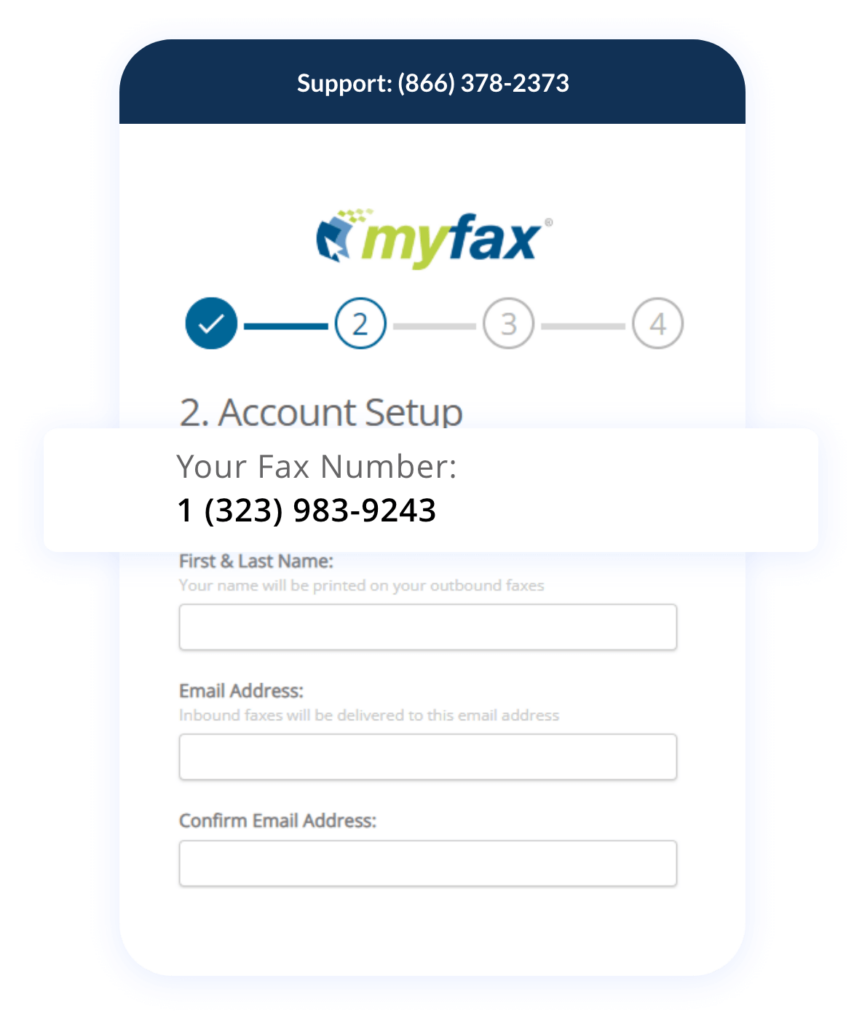
Online fax services have revolutionized how facsimile numbers are used. Instead of relying on a physical machine connected to a landline, e-fax services leverage the internet to send and receive faxes. When you subscribe to an e-fax service, you are typically assigned a dedicated virtual fax number. When someone sends a fax to this number, the service intercepts the incoming analog fax signal, converts it into a digital file (such as a PDF or TIFF), and then delivers it to your email inbox, a web portal, or a dedicated app. Conversely, to send a fax, you upload a digital document to the e-fax service, specify the recipient’s fax number, and the service converts your digital file into a fax signal for transmission over its own infrastructure, which often still interfaces with traditional PSTN gateways.
Key Benefits of e-Fax for Modern Users
The transition to e-fax has brought numerous technological advantages:
- Mobility: Faxes can be sent and received from anywhere with an internet connection, using a computer, smartphone, or tablet.
- Cost Efficiency: Eliminates the need for a dedicated fax machine, phone line, paper, ink/toner, and maintenance.
- Digital Archiving: Faxes are received as digital files, making them easy to store, organize, search, and integrate with cloud storage or document management systems.
- Scalability: Easily add or remove fax numbers and users without physical infrastructure changes.
- Environmental Impact: Reduces paper consumption.
Digital Security and Compliance via Fax
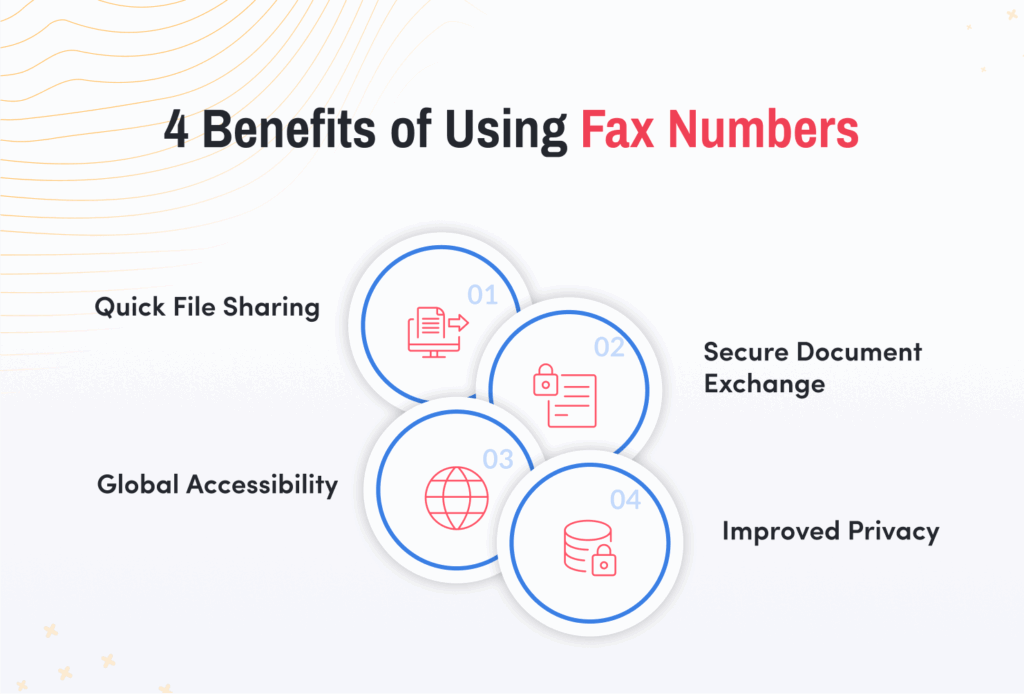
Despite the proliferation of email and other digital communication, fax continues to play a vital role in industries with stringent security and compliance requirements, such as healthcare (HIPAA), legal, and finance. This is because, in many jurisdictions, a fax transmission is still often considered a more secure and legally binding method for transmitting sensitive documents than email, due to the point-to-point nature of the connection (even if virtual) and the difficulty of interception compared to standard email. Furthermore, many e-fax providers offer encryption and audit trails, enhancing the security posture of digital faxing and helping organizations meet regulatory obligations for data privacy and integrity. The perceived “security” often stems from the dedicated circuit-switched nature of traditional fax vs. the packet-switched nature of general internet traffic, though modern e-fax bridges this gap with robust security protocols.
How to Obtain and Utilize a Facsimile Number Today
Acquiring and using a facsimile number in the contemporary digital landscape is straightforward, primarily through specialized online services.
Choosing an e-Fax Provider
To get a facsimile number today, you typically subscribe to an online fax service. Numerous providers offer a range of features and pricing plans. Key considerations when choosing include:
- Cost: Monthly or annual fees, per-page rates.
- Features: Integration with email, cloud storage, e-signatures, mobile apps, international faxing.
- Security & Compliance: HIPAA, GLBA, or other industry-specific compliance certifications.
- Customer Support: Availability and quality of technical assistance.
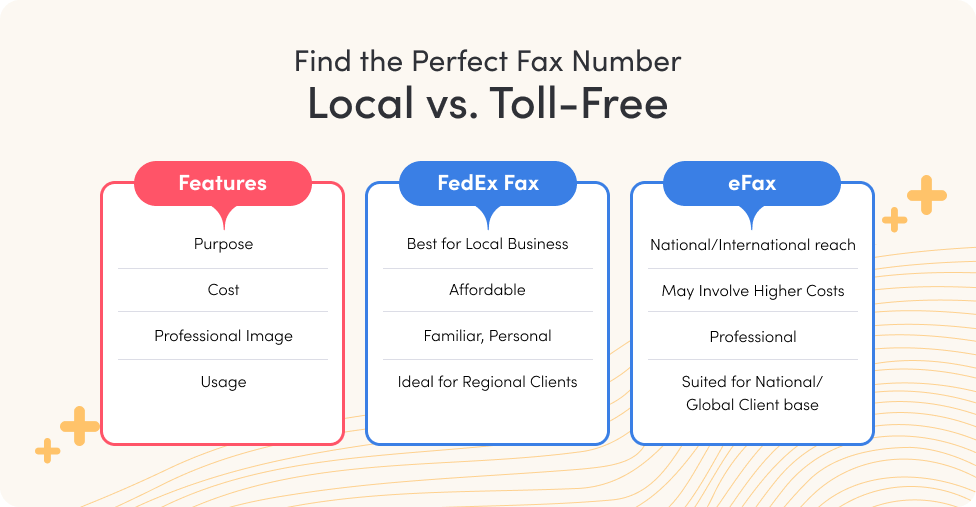
- Local vs. Toll-Free Numbers: Options for geographic or 1-800 numbers.
Once subscribed, the provider assigns you a unique virtual facsimile number, which can be a local number in your area code or a toll-free number.
Sending and Receiving Faxes with Your Digital Number
Using your e-fax number is typically intuitive:
- Receiving: Incoming faxes are converted to digital files (usually PDF) and sent directly to your designated email address, accessible via a web portal, or pushed to a mobile app. You simply open the attachment or log in to view the fax.
- Sending: You can send a fax by composing an email with your document attached to a special email address provided by your service (e.g.,
recipientfaxnumber@faxprovider.com), uploading a document through the provider’s web portal, or using their mobile app. The service then dials the recipient’s fax number and transmits your document.
Integrating Fax with Other Tech Stacks
Modern e-fax solutions often offer integration capabilities that enhance workflow efficiency. This can include:
- Email Integration: Seamless sending and receiving via any email client.
- Cloud Storage Integration: Automatically save incoming faxes to services like Google Drive, Dropbox, or OneDrive.
- CRM/ERP Integration: Some advanced services offer APIs or direct integrations with customer relationship management (CRM) or enterprise resource planning (ERP) systems to link fax communication directly to client records or business processes.
- Print-to-Fax Drivers: Virtual print drivers allow users to “print” any document from any application directly to their fax service.
The Future of Facsimile Communication
While the volume of fax communication has certainly declined from its peak, the facsimile number and the underlying service continue to hold specific niches in the broader technology landscape.
Continued Niche Use Cases
Faxing isn’t going away entirely, particularly in sectors that prioritize documented, auditable communication and adhere to specific regulatory mandates. Healthcare, legal firms, government agencies, and certain financial institutions frequently rely on fax for transmitting sensitive documents like patient records, legal filings, signed contracts, and financial statements. The perception of enhanced security and non-repudiation, combined with entrenched workflows and regulatory requirements, ensures the continued relevance of the facsimile number in these critical domains.
Enhanced Security and Cloud Integration
The future of the facsimile number lies in its continued evolution within secure, cloud-based environments. Expect to see further advancements in end-to-end encryption for e-fax services, tighter integration with advanced digital identity verification, and more sophisticated audit trails. As digital transformation progresses, e-fax will increasingly become just another secure communication channel within a comprehensive suite of cloud-based business tools, seamlessly integrated into workflows that prioritize both efficiency and robust data protection. The core concept of a dedicated number for document transmission, however, remains a fundamental and enduring aspect of this specialized technology.
aViewFromTheCave is a participant in the Amazon Services LLC Associates Program, an affiliate advertising program designed to provide a means for sites to earn advertising fees by advertising and linking to Amazon.com. Amazon, the Amazon logo, AmazonSupply, and the AmazonSupply logo are trademarks of Amazon.com, Inc. or its affiliates. As an Amazon Associate we earn affiliate commissions from qualifying purchases.