
Beyond the Pulpit: Evangelization in the Modern Brand Landscape
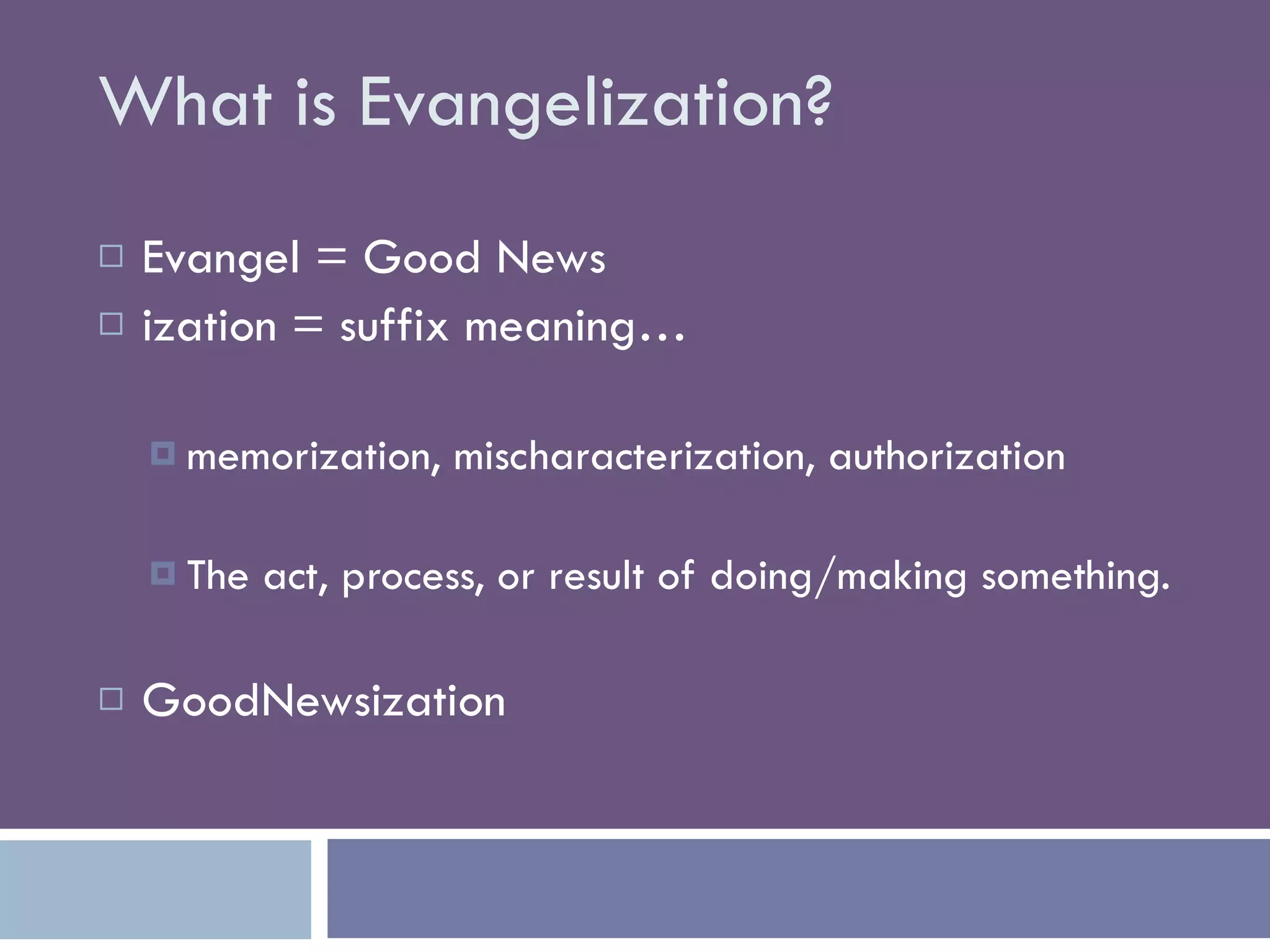
The term “evangelization” traditionally evokes images of religious zealots spreading a doctrine with fervent conviction. However, in the contemporary business lexicon, “evangelization” has undergone a profound transformation, evolving into a cornerstone of sophisticated brand strategy. Far removed from its spiritual origins, brand evangelization refers to the passionate advocacy for a brand, product, or service by its most devoted customers, employees, or loyal followers. It’s about inspiring belief and fostering an unwavering commitment that transcends mere transactional relationships, transforming satisfied patrons into vocal champions.
In today’s hyper-connected and often skeptical marketplace, the most powerful endorsement often doesn’t come from a corporate advertisement or a celebrity spokesperson, but from an authentic, enthusiastic individual who genuinely loves what a brand stands for and offers. This organic, peer-to-peer recommendation is invaluable, cutting through the noise of conventional marketing to build trust, foster community, and drive sustainable growth. Brand evangelization is the art and science of cultivating these ardent supporters who not only purchase but also embody, promote, and defend the brand with genuine enthusiasm.

The Core Concept of Brand Evangelism
At its heart, brand evangelism differentiates itself from simple customer loyalty. A loyal customer might repeatedly buy from a brand, but a brand evangelist goes further. They are not merely repeat purchasers; they are active, unsolicited promoters. These individuals believe so deeply in a brand’s mission, values, and offerings that they feel compelled to share their positive experiences with others. Their advocacy is authentic and intrinsic, driven by a personal connection and a genuine desire to see the brand succeed, rather than by direct financial incentives or overt requests from the company.
Brand evangelists act as credible, trusted spokespeople, often influencing their personal and professional networks more effectively than any paid campaign ever could. They embody the brand’s persona, integrate its products or services into their lifestyles, and actively seek opportunities to share their enthusiasm. This shift from a passive consumer to an active crusader for the brand is a powerful phenomenon, turning customers into an extension of the marketing team, albeit an unpaid and highly effective one. The core concept hinges on the idea that genuine passion is contagious and that an authentic recommendation from a trusted source is the most potent form of marketing.
From Customer to Crusader: The Journey of a Brand Evangelist
The transformation from a typical customer into a dedicated brand evangelist is a journey fueled by exceptional experiences and emotional resonance. It rarely happens overnight; instead, it’s a gradual progression influenced by several critical touchpoints. The path often begins with initial awareness and purchase, followed by an experience that not only meets but consistently exceeds expectations. This foundational level of satisfaction is crucial.
However, satisfaction alone isn’t enough to create an evangelist. The journey truly begins when a customer develops an emotional connection with the brand. This might stem from shared values, a superior product design that resonates deeply, unparalleled customer service, or a feeling of belonging to an exclusive community. When a brand consistently delivers outstanding value, solves problems effectively, and aligns with an individual’s personal identity or aspirations, it lays the groundwork for advocacy. The customer feels a sense of ownership, pride, and even identity tied to the brand. They become an evangelist when they internalize the brand’s story and mission, making it their own, and actively seek to share that narrative with others, moving beyond mere advocacy to passionate evangelism.
Why Brand Evangelization Matters for Your Business
Cultivating brand evangelists is not just a feel-good exercise; it delivers tangible, strategic advantages that can significantly impact a business’s bottom line and long-term viability. The influence of evangelists extends across multiple facets of brand building and market penetration, offering a sustainable competitive edge.
Amplified Reach and Organic Growth
One of the most immediate benefits of brand evangelization is the incredible amplification of a brand’s message. Evangelists act as a decentralized, highly motivated sales force, extending a brand’s reach far beyond what traditional advertising budgets could achieve. Their word-of-mouth marketing (WOMM) is incredibly powerful because it originates from trusted sources within social circles. Each evangelist becomes a node in a network, sharing their experiences, recommendations, and insights with friends, family, and online communities.
This organic spread of information is inherently more credible and persuasive than any paid advertisement, leading to viral effects and exponential growth. New customers acquired through evangelist referrals often come with a pre-existing level of trust and higher intent to purchase, shortening the sales cycle and reducing acquisition costs. In an era where consumers are increasingly adept at tuning out traditional ads, authentic endorsements from peers become the most valuable currency for growth.
Enhanced Credibility and Trust
In a world saturated with marketing messages, consumer skepticism is at an all-time high. People are increasingly wary of corporate claims and slick advertising. This is where brand evangelists shine. Their independent, unsolicited testimonials provide a level of credibility and authenticity that cannot be bought. When a friend or trusted acquaintance raves about a product or service, that recommendation carries significant weight because it is perceived as unbiased and genuine.
Evangelists humanize the brand, transforming it from an impersonal corporation into a relatable entity with a passionate following. Their stories, experiences, and endorsements build a reservoir of trust that can mitigate negative perceptions, overcome objections, and foster a strong, positive reputation in the marketplace. This enhanced credibility is a powerful asset, making it easier for new customers to overcome their initial reservations and engage with the brand.
Increased Customer Loyalty and Retention
Brand evangelists are, by definition, fiercely loyal. They are deeply invested in the brand, not just financially, but emotionally. This profound connection translates into significantly higher customer retention rates. Evangelists are far less likely to churn, even in the face of competitive offers or minor service issues, because their loyalty is rooted in belief and shared values.
Moreover, the presence of an active evangelist community helps to reinforce the loyalty of other customers. When new users see the passion and commitment of existing evangelists, it strengthens their own connection to the brand and encourages them to become more deeply engaged. This creates a virtuous cycle where evangelists not only bring in new customers but also help to solidify the loyalty of the entire customer base, leading to higher customer lifetime value (CLV) and a more stable revenue stream for the business.
Strategies for Cultivating Brand Evangelists
Brand evangelists are not born; they are cultivated. While genuine passion cannot be manufactured, brands can strategically create the conditions that foster such deep devotion and encourage advocacy. This involves a multi-faceted approach focused on value, connection, and recognition.
Deliver Exceptional Value and Experience
The bedrock of brand evangelism is an exceptional product or service. No amount of marketing can compensate for a subpar offering. To inspire evangelists, a brand must consistently deliver outstanding value that not only meets but profoundly exceeds customer expectations. This means an unwavering commitment to quality, innovative solutions, and a product that genuinely solves problems or enhances lives.
Beyond the core offering, the entire customer journey must be seamless and delightful. This includes intuitive user interfaces, efficient onboarding processes, and, critically, outstanding customer service. Every interaction, from pre-purchase inquiries to post-sale support, should be an opportunity to create a positive, memorable experience. Personalization, proactive communication, and a willingness to go the extra mile are key in making customers feel valued and understood, laying the essential groundwork for them to become passionate advocates.
Foster Community and Connection
Humans are social creatures, and a sense of belonging is a powerful motivator. Brands that successfully cultivate evangelists often do so by building vibrant communities around their products or values. This can take many forms: online forums, dedicated social media groups, user meetups, or exclusive events. The goal is to create spaces where customers can connect with each other, share their experiences, offer support, and deepen their relationship with the brand.
By facilitating these interactions, brands shift from a transactional relationship to a communal one. Customers no longer just buy a product; they join a tribe. This shared identity and collective passion strengthen individual loyalty and empower evangelists. When customers feel heard, valued, and connected to both the brand and their peers, their sense of ownership and commitment grows, transforming them into more ardent and vocal supporters.
Empower and Acknowledge Your Advocates
Once a brand identifies its evangelists, the next crucial step is to empower them and acknowledge their contributions. This doesn’t necessarily mean financial compensation; often, recognition and access are far more valuable. Brands can empower evangelists by providing them with tools and information to easily share their passion, such as shareable content, exclusive insights, or early access to new products or features.
Acknowledging evangelists can involve featuring their stories on social media, in case studies, or on company blogs. Creating dedicated programs for top advocates, offering them special status, or inviting them to provide feedback on product development can make them feel integral to the brand’s success. This reciprocal relationship, where the brand recognizes and values its evangelists as much as the evangelists value the brand, reinforces their commitment and encourages continued advocacy. Treating evangelists as VIPs, offering them unique experiences and genuine appreciation, is a powerful strategy for nurturing their invaluable support.
Measuring the Impact of Your Evangelization Efforts
While the intrinsic nature of evangelism can make direct measurement seem challenging, understanding its impact is crucial for refining strategies and demonstrating ROI. A combination of quantitative data and qualitative insights can provide a comprehensive view of evangelization’s effectiveness.
Qualitative and Quantitative Metrics
To gauge the success of evangelization efforts, brands should monitor a range of metrics:
Quantitative Metrics:
- Referral Traffic and Conversions: Track the volume of website traffic and subsequent conversions originating from evangelist-driven links or mentions.
- Social Media Engagement: Monitor mentions, shares, likes, comments, and the overall sentiment of conversations about the brand across social platforms. High engagement often indicates active evangelism.
- Net Promoter Score (NPS): This classic metric directly measures customer loyalty and willingness to recommend. Promoters (scores of 9-10) are potential evangelists.
- Customer Lifetime Value (CLV): Analyze the long-term value of customers acquired through referrals compared to those from other channels. Evangelist-referred customers often have higher CLV.
- Online Reviews and Ratings: The quantity and quality of organic, positive reviews across platforms like Yelp, Google, or industry-specific sites are strong indicators of evangelism.
- Community Activity: Measure participation rates in forums, group discussions, and brand-hosted events.
Qualitative Metrics:
- Sentiment Analysis: Beyond mere mentions, analyze the emotional tone and context of online conversations to understand how evangelists are framing the brand narrative.
- Anecdotal Evidence and Testimonials: Collect and analyze direct feedback, unsolicited testimonials, and stories shared by evangelists about their experiences and advocacy.
- Customer Case Studies: Develop detailed case studies showcasing how evangelists use the product/service and the positive outcomes they achieve, providing rich narratives.
- Community Leadership: Identify individuals who naturally emerge as leaders or influencers within brand communities, as they often represent the pinnacle of evangelism.

Long-Term Brand Equity and Market Position
The true power of brand evangelization often manifests in long-term benefits that build enduring brand equity and solidify market position. Evangelists contribute to an intangible asset: a strong, positive brand reputation that differentiates a company from its competitors. This reputation is built on authentic human connection and trust, making it resilient to market fluctuations and even competitive attacks.
Over time, a robust base of brand evangelists can significantly reduce a company’s reliance on expensive traditional marketing and advertising, as organic word-of-mouth becomes a primary driver of new business. This leads to more efficient customer acquisition and a lower cost per acquisition. Furthermore, a highly engaged and vocal customer base creates a barrier to entry for competitors, as it becomes incredibly difficult to dislodge a brand that commands such fervent loyalty. Ultimately, brand evangelization is an investment in sustainable growth, fostering a loyal community that acts as a powerful, perpetual engine for brand success, ensuring long-term relevance and market leadership.
aViewFromTheCave is a participant in the Amazon Services LLC Associates Program, an affiliate advertising program designed to provide a means for sites to earn advertising fees by advertising and linking to Amazon.com. Amazon, the Amazon logo, AmazonSupply, and the AmazonSupply logo are trademarks of Amazon.com, Inc. or its affiliates. As an Amazon Associate we earn affiliate commissions from qualifying purchases.