
Diamonds, often associated with sparkling jewelry, enduring love, and immense wealth, hold a mystique that transcends their physical form. For centuries, they have captivated humanity, not just for their beauty but also for their inherent value. But what truly makes a diamond a diamond? The answer lies in a fundamental building block of the universe: an element. This article delves into the elemental composition of diamonds, exploring its journey from deep within the Earth to its status as a coveted commodity. We’ll also touch upon how this simple elemental truth intersects with the broader themes of Tech, Brand, and Money, revealing the sophisticated ecosystem that surrounds these precious gems.
The Diamond’s Elemental Heart: A Story of Carbon
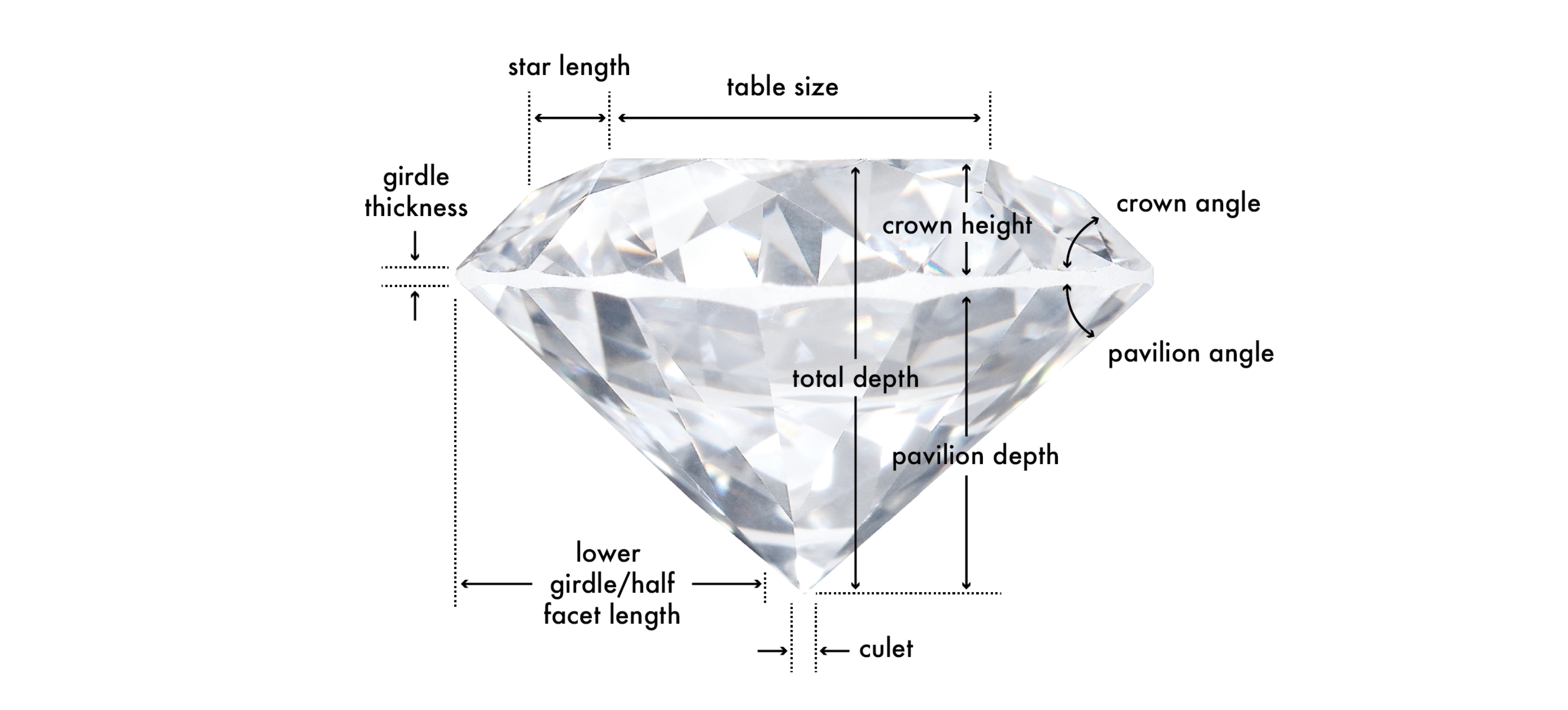
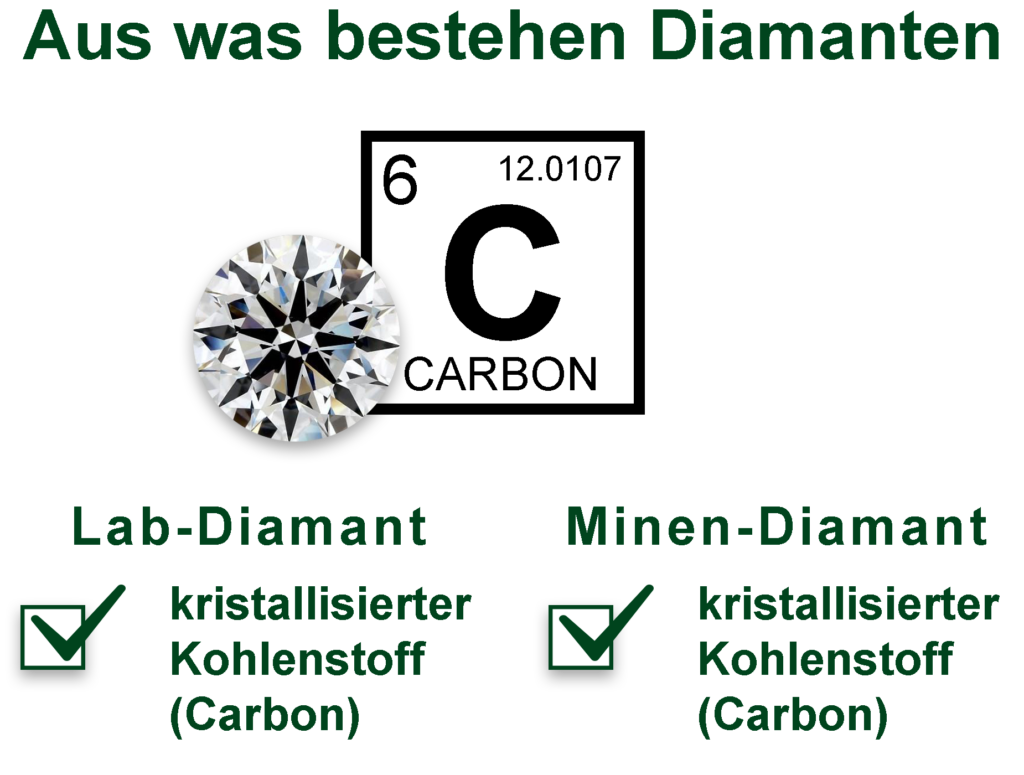
The answer to “what element is in diamonds” is surprisingly simple yet profound: carbon. Yes, the very same element that forms the basis of life on Earth, found in everything from trees to our own bodies, is the sole constituent of a diamond. This might seem counterintuitive given the stark contrast between a glistening diamond and a humble piece of charcoal. The difference lies entirely in the structure in which these carbon atoms are arranged.
The Allotrope Advantage: How Carbon Forms Diamonds
Carbon, being a versatile element, can exist in various forms known as allotropes. Think of it like building with Lego bricks – the same bricks can be assembled into many different shapes. The most common allotropes of carbon include:
-
Diamond: In a diamond, each carbon atom is bonded to four other carbon atoms in a rigid, three-dimensional tetrahedral lattice structure. This arrangement is incredibly strong and stable, leading to diamond’s exceptional hardness and brilliance. The bonds are covalent, meaning electrons are shared between atoms, creating a tightly knit network. This precise, geometric packing is what gives diamond its unique properties.
-
Graphite: This is the form of carbon found in pencil lead. Here, carbon atoms are arranged in flat layers, with each atom bonded to three other carbon atoms within the layer. These layers are weakly bonded to each other, allowing them to slide past one another. This is why graphite is soft and can leave a mark.
-
Fullerenes (like Buckminsterfullerene, C60): These are more complex molecular structures, often resembling hollow spheres or tubes. While not directly relevant to natural diamonds, their discovery expanded our understanding of carbon’s bonding possibilities.
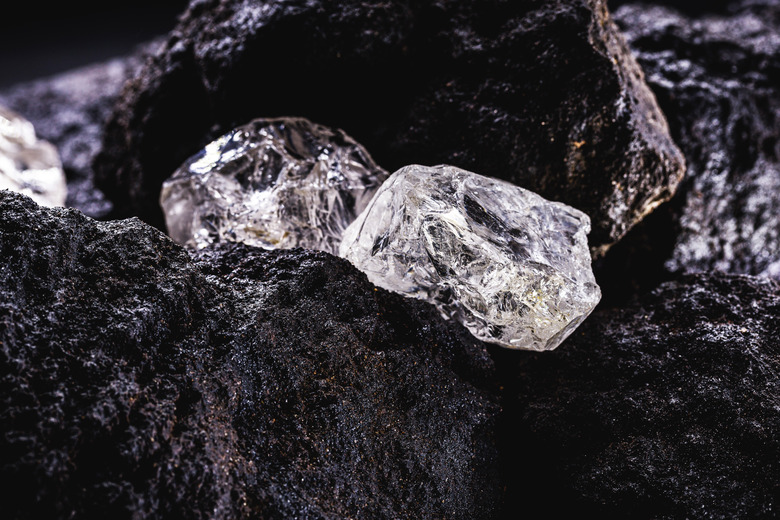
The formation of diamond requires specific conditions of immense pressure and high temperatures, conditions that are typically found deep within the Earth’s mantle, hundreds of kilometers below the surface. Over millions of years, carbon atoms trapped in these extreme environments are forced into the tight, tetrahedral arrangement characteristic of diamond. When volcanic eruptions bring these diamonds closer to the surface, they are eventually mined.
Beyond Pure Carbon: The Role of Trace Elements and Inclusions
While the fundamental element in a diamond is carbon, natural diamonds are rarely perfectly pure. The extreme conditions of their formation can sometimes trap other elements or compounds within the diamond’s crystal lattice. These are known as inclusions.
-
Nitrogen: This is the most common impurity found in natural diamonds. When nitrogen atoms substitute for carbon atoms in the diamond’s structure, they can affect the diamond’s color. Diamonds with a slight yellow or brown hue often contain nitrogen impurities. The presence and distribution of nitrogen can significantly impact a diamond’s grading and, consequently, its value.
-
Boron: In rarer instances, boron can be incorporated into the diamond’s structure. Boron impurities are responsible for the coveted blue color in some diamonds, such as the famous Hope Diamond.
-
Other Minerals: Tiny crystals of other minerals, such as garnet, olivine, or even other diamonds, can be trapped within a diamond during its formation. These inclusions are like snapshots of the geological environment in which the diamond grew and are often used by gemologists to determine a diamond’s origin.
The presence of these trace elements and inclusions, while technically impurities, can also contribute to a diamond’s uniqueness and character. For collectors and connoisseurs, certain inclusions or specific color hues, if rare enough, can even increase a diamond’s desirability and value.
The Intersection of Element, Technology, and Value
The journey of a diamond from a raw, elemental form to a polished gem is a complex interplay of natural processes, human ingenuity, and market forces. The simple fact that diamonds are made of carbon, when combined with their unique formation story, has led to the development of sophisticated technologies, robust branding strategies, and a multi-billion dollar global industry.
Tech-Driven Exploration and Enhancement
The “Tech” pillar of the modern world plays a crucial role in every stage of the diamond lifecycle:
-
Exploration and Mining: Advanced geological surveying techniques, including seismic imaging and remote sensing technologies, are used to identify potential diamondiferous kimberlite pipes (the geological structures that bring diamonds to the surface). Sophisticated machinery and automated systems are employed in mining operations to extract the ore efficiently and safely. Drones are increasingly used for mapping and monitoring mine sites.
-
Sorting and Analysis: Once mined, rough diamonds must be sorted and analyzed. High-resolution imaging, laser-based sorting systems, and artificial intelligence (AI) algorithms are now used to identify and categorize diamonds based on their size, shape, and potential quality. AI is particularly useful in predicting the yield of polished stones from rough diamonds, optimizing cutting strategies.
-
Cutting and Polishing: This is an art form that has been revolutionized by technology. Computer-aided design (CAD) and precise laser cutting systems allow for the meticulous shaping of rough diamonds to maximize their brilliance and minimize waste. Automated polishing machines ensure consistency and accuracy.
-
Grading and Authentication: The “4 Cs” (Cut, Color, Clarity, Carat) are the universal standards for diamond grading. Sophisticated laboratory equipment, including spectrometers and microscopes, are used to accurately assess these characteristics. Digital platforms and blockchain technology are emerging to create tamper-proof records of a diamond’s journey, ensuring authenticity and transparency. AI-powered tools are even being developed to help identify synthetic diamonds, which are also made of carbon but are created in laboratories.
-
Lab-Grown Diamonds: The advancement of technology has enabled the creation of synthetic or lab-grown diamonds. These diamonds are chemically, physically, and optically identical to natural diamonds, being composed of pure carbon arranged in the same crystalline structure. The technological processes involved, such as Chemical Vapor Deposition (CVD) and High-Pressure High-Temperature (HPHT) synthesis, are a testament to human innovation. While chemically the same element, their origin profoundly impacts their market perception and price, highlighting the “Brand” aspect.
Branding the Elemental Marvel: From Nature’s Gift to Coveted Symbol
The transformation of a raw, carbon-based mineral into a symbol of prestige and luxury is a masterclass in “Brand” building. The element carbon, in its diamond allotrope, has been meticulously branded over centuries to evoke specific emotions and associations.
-
The “A Diamond is Forever” Legacy: Perhaps the most successful branding campaign in history, De Beers’ “A Diamond is Forever” slogan, launched in the mid-20th century, single-handedly cemented the diamond’s association with eternal love and commitment. This campaign shifted the focus from industrial utility to emotional value, making diamonds an indispensable part of engagements and weddings.
-
Exclusivity and Rarity: The perception of diamonds as rare and exclusive, even though they are not as rare as once believed thanks to technology and new discoveries, has been a cornerstone of their branding. Mining companies and jewelers have historically controlled supply to maintain this image, though this is being challenged by the rise of lab-grown diamonds.
-
Perception of Value: The branding of diamonds is so strong that their perceived value often exceeds their intrinsic material worth. The emotional resonance, the symbolism of wealth and status, and the association with significant life events all contribute to this. This emotional branding allows them to command premium prices.
-
The Rise of Lab-Grown Diamond Branding: The advent of lab-grown diamonds has created a new frontier in branding. While these diamonds share the same elemental composition, their branding focuses on different aspects – affordability, ethical sourcing, and technological innovation. This presents a direct challenge and a fascinating evolution in how the “element” of carbon in its diamond form is marketed.
-
Personal Branding: Beyond corporate branding, individual diamonds become part of personal narratives. The story behind a specific diamond – its origin, its cut, the occasion it commemorates – becomes intertwined with the owner’s personal brand and identity.
The Economic Engine: Monetizing the Elemental Power
The ultimate testament to the significance of diamonds lies in their economic impact, firmly within the “Money” domain. The fact that diamonds are composed of carbon, arranged in a unique crystalline structure, fuels a colossal global industry.
-
The Diamond Market: The international diamond market is a multi-billion dollar enterprise. Prices are influenced by the 4 Cs, market demand, supply (both natural and lab-grown), and geopolitical factors. Rough diamond trading, the cutting and polishing industry, and retail jewelry sales all form interconnected parts of this economic ecosystem.
-
Investment and Value Retention: Diamonds have long been considered a store of value and an investment. While their value can fluctuate, exceptionally rare and high-quality natural diamonds can appreciate significantly over time. This makes them an attractive asset class for individuals and institutions.
-
Personal Finance and Wealth Building: For many, diamonds represent a significant financial asset. Purchasing a diamond can be a personal finance decision, whether for investment, a milestone celebration, or as a family heirloom passed down through generations. Understanding the factors that influence diamond value is crucial for making informed financial decisions.
-
Online Income and Side Hustles: The digital age has opened new avenues for individuals to participate in the diamond economy. Online marketplaces for both natural and lab-grown diamonds have emerged, allowing for direct sales and potentially creating side hustle opportunities for knowledgeable individuals. The resale market for diamonds is also a significant component of the broader financial landscape.
-
Business Finance and Corporate Identity: For businesses, diamonds are not just products but also elements of corporate identity. Luxury jewelers build their brands around the allure of diamonds, and their financial success is directly tied to their ability to procure, market, and sell these precious stones. The financing of mining operations, manufacturing facilities, and retail chains represents a substantial aspect of business finance.
Conclusion: The Enduring Power of an Element
From the crushing depths of the Earth’s mantle to the glittering displays in jewelry stores, the journey of diamond is a remarkable testament to the power of a single element. Carbon, in its most structured and resilient form, has transcended its elemental identity to become a symbol of enduring value, love, and luxury. The sophisticated interplay of Tech that enables its discovery and refinement, the powerful Brand narratives that imbue it with emotional significance, and the robust Money markets that govern its trade all coalesce to underscore the profound, multifaceted impact of what element is in diamonds. Whether natural or lab-grown, the elemental heart of a diamond – pure carbon – continues to captivate, inspire, and drive a global industry built on beauty, rarity, and enduring appeal.
aViewFromTheCave is a participant in the Amazon Services LLC Associates Program, an affiliate advertising program designed to provide a means for sites to earn advertising fees by advertising and linking to Amazon.com. Amazon, the Amazon logo, AmazonSupply, and the AmazonSupply logo are trademarks of Amazon.com, Inc. or its affiliates. As an Amazon Associate we earn affiliate commissions from qualifying purchases.