
The composition of a product is far more than a mere list of ingredients; it is the fundamental blueprint of its brand identity, consumer appeal, and market positioning. For a novel and trending item like crystal boba, understanding its makeup is not just a matter of culinary curiosity, but a crucial element in crafting a compelling brand narrative, fostering consumer trust, and differentiating it within a competitive beverage landscape. The unique physical and sensory properties derived from its components define what crystal boba is, how it’s perceived, and ultimately, how its brand thrives.
The Core of Brand Identity: Ingredients as a Value Proposition
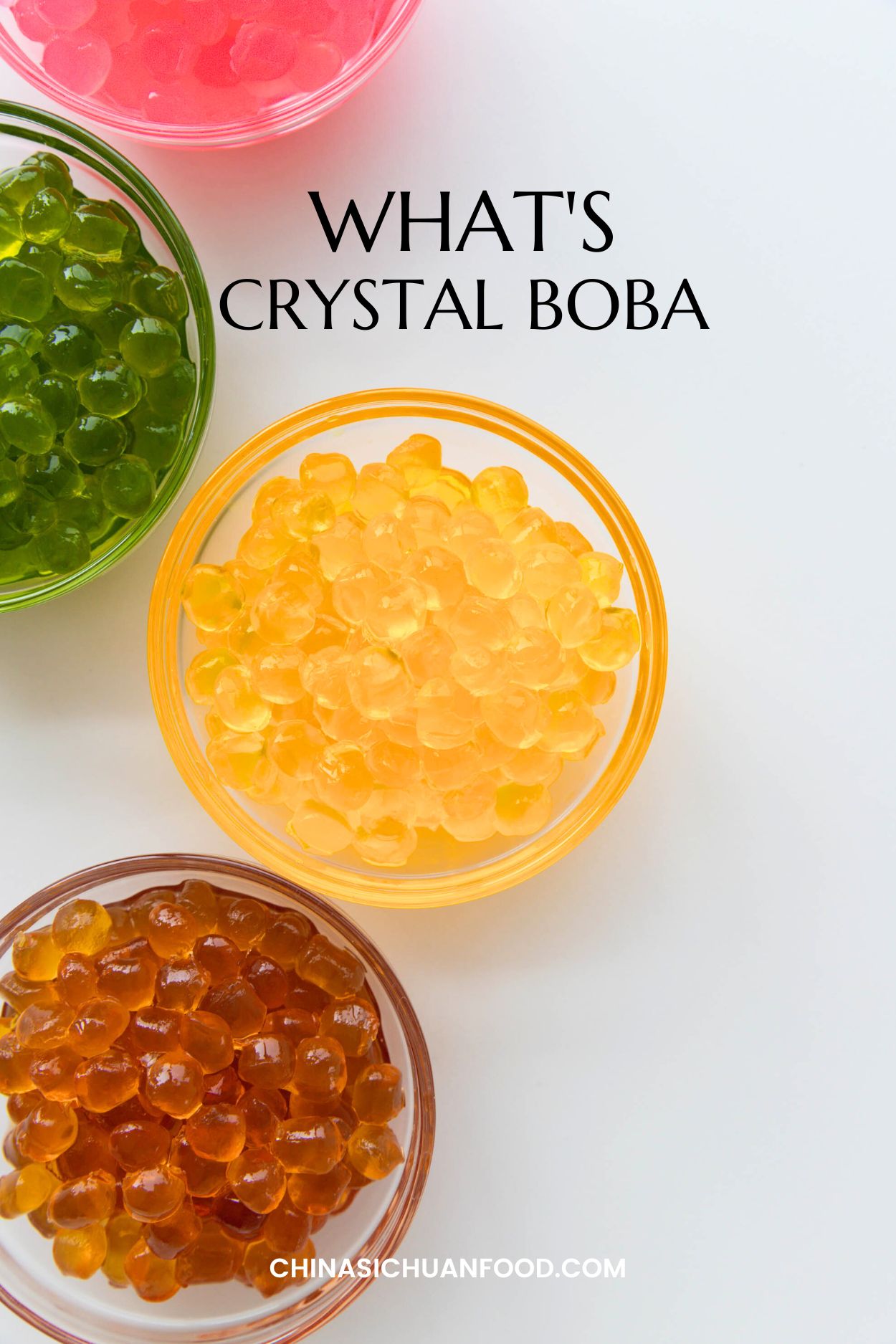
At its heart, crystal boba is a gelatinous sphere, distinct from traditional tapioca boba in both texture and appearance. Its primary ingredients are typically water, sugar, and a gelling agent, often konjac flour or carrageenan, along with various flavorings and preservatives. This seemingly simple combination holds profound implications for its brand. Unlike its opaque, chewy tapioca counterpart, crystal boba is translucent, firm yet yielding, and typically sugar-neutral or mildly sweet. These characteristics are not accidental; they are engineered attributes that inform its entire value proposition and brand strategy.
Defining the Product Experience Through Composition
The use of gelling agents like konjac, derived from the konjac plant, or carrageenan, a natural polysaccharide extracted from red seaweed, provides crystal boba with its signature firm, slightly crunchy, and satisfyingly chewable texture—a departure from tapioca’s soft, gummy resilience. This textural difference is a key differentiator that brands emphasize. A brand marketing crystal boba highlights its “pop” or “bite” as a unique mouthfeel experience, directly linking it back to the specific gelling agents used. Similarly, the translucent, often colorless appearance, achieved by carefully selected ingredients and processing, allows brands to position crystal boba as a lighter, visually appealing addition that doesn’t overpower the aesthetics of the beverage it accompanies. This visual purity suggests a clean, modern aesthetic, a brand attribute often sought after by contemporary consumers.
The Allure of ‘Crystal’: Transparency and Perception
The very name “crystal boba” evokes images of clarity, purity, and perhaps even a hint of luxury. This perception is directly tied to its physical characteristics, which are, in turn, a result of its ingredients. Brands leverage this visual transparency to suggest a product that is “cleaner” or “lighter” than traditional boba. While not always inherently lower in calories or sugar, the perception of lightness contributes to a different kind of indulgence. For a brand, this means that the ingredients are not just functional; they are semantic. They communicate specific brand values such as novelty, refinement, and a departure from the conventional, allowing for premium pricing and positioning in certain market segments.
Transparency and Trust: Communicating Crystal Boba’s Composition
In today’s market, consumers are more informed and discerning than ever before, demanding transparency about what they consume. For food and beverage brands, explicit communication regarding ingredients is no longer optional; it’s foundational to building and maintaining consumer trust. For crystal boba, where the ingredients determine its unique appeal, clear and honest disclosure is paramount for brand credibility.
Navigating Consumer Demands for Ingredient Clarity
Brands selling crystal boba must adeptly address consumer inquiries about its components. Questions often revolve around its origin, dietary suitability (e.g., gluten-free, vegan status), and health implications. Since crystal boba is commonly made with konjac or carrageenan, it is naturally gluten-free and vegan, attributes that are significant selling points for a growing demographic of consumers with specific dietary preferences or restrictions. A brand that explicitly highlights these aspects in its packaging, marketing materials, and digital presence immediately broadens its appeal and reinforces a commitment to inclusive consumption. Failure to clearly communicate these details can lead to consumer skepticism and missed market opportunities.
Building Credibility Through Authentic Disclosure
Beyond basic dietary suitability, the specific type of gelling agent can also be a point of discussion. For instance, konjac is often perceived as a more “natural” or “plant-based” ingredient compared to certain other hydrocolloids, which can enhance a product’s health halo. Brands that source their konjac or carrageenan from reputable, sustainable origins can weave this into their brand narrative, showcasing a commitment to quality and ethical practices. This authentic disclosure builds a robust sense of credibility, translating ingredient facts into a powerful brand asset. Clear labeling that lists all components—water, sugar, gelling agent, acidity regulators, preservatives, and any added flavors or colors—fosters trust and empowers consumers to make informed choices, aligning with the brand’s promise of integrity.
Differentiation Through Formulation: Crafting a Unique Brand Experience
The core ingredients of crystal boba provide a canvas for innovation and differentiation. While the basic concept is consistent, variations in formulation, flavor infusion, and processing techniques allow brands to carve out unique niches and offer distinct experiences, thereby shaping their specific brand identities within the broader crystal boba market.

Innovating Beyond Traditional Boba: The Ingredient Advantage
Crystal boba’s formulation inherently allows for a broader spectrum of innovation compared to its tapioca counterpart. Tapioca pearls are typically neutral in flavor, serving as a textural component. Crystal boba, however, can be infused with an array of flavors directly into its gel matrix during production. This capability allows brands to offer an extensive range of unique flavors—from lychee and mango to passionfruit and even coffee—without relying solely on the surrounding beverage for taste. For a brand, this means endless possibilities for product extensions, seasonal offerings, and collaborative ventures, each iteration building on the brand’s reputation for creativity and variety. This “ingredient advantage” allows for a more dynamic product portfolio, keeping the brand fresh and engaging.
Flavor Profiles and Textural Distinction as Brand Signatures
The choice of gelling agent can also influence the textural nuance, ranging from a firmer, more resistant chew to a softer, more yielding pop. A brand might choose a specific gelling blend to create a signature texture that consumers associate exclusively with its products. Similarly, the quality and origin of flavorings used are critical. Employing natural fruit extracts versus artificial flavors, or using cane sugar versus high-fructose corn syrup, can profoundly impact how a brand is perceived. Brands positioning themselves in the premium or health-conscious segment will meticulously select high-quality, natural ingredients, using these choices as a cornerstone of their marketing and brand storytelling. This meticulous attention to formulation details elevates the product from a generic component to a branded experience, where the flavor and texture become synonymous with the brand’s promise of quality and distinction.
Marketing the ‘Crystal’ Appeal: Messaging and Consumer Engagement
The composition of crystal boba dictates not just its physical properties but also the most effective ways to market it. The visual, textural, and sensory attributes derived from its ingredients become powerful tools in brand messaging, influencing consumer engagement and market appeal.
Visualizing Purity and Novelty in Campaigns
The “crystal” aspect—its translucence and often brilliant, clear colors when flavored—is a strong visual cue that brands exploit in their marketing. High-quality photography and videography showcasing crystal boba’s pristine appearance in beverages emphasize its aesthetic contribution, distinguishing it from the often opaque and darker tapioca pearls. This visual purity and novelty can be leveraged to position the product as a sophisticated, modern, or even “instagrammable” ingredient. Campaigns can focus on the interplay of light through the spheres, or the vibrant hues of flavored crystal boba, reinforcing a brand image that is fresh, clean, and innovative. The visual appeal becomes a direct extension of the product’s ingredient story.
Storytelling the Sourcing and Production Journey
Beyond aesthetics, brands can engage consumers by storytelling around the ingredients. Highlighting the natural origins of konjac or carrageenan, explaining the meticulous process of forming the perfect sphere, or even detailing the selection of high-quality fruit extracts, transforms a list of ingredients into an engaging narrative. This storytelling fosters a deeper connection with consumers, appealing to their curiosity about how products are made and their desire for authenticity. A brand that shares its commitment to sustainable sourcing, ethical labor practices, or precise manufacturing controls for its crystal boba components builds a narrative of responsibility and excellence, strengthening its corporate identity and brand loyalty. This transparency in the production journey, rooted in its fundamental ingredients, elevates the brand beyond just a product provider to a purveyor of quality and conscience.
Navigating Consumer Trends: Health, Sustainability, and Brand Responsiveness
The ingredients of crystal boba are not static; they must evolve in response to dynamic consumer trends, particularly concerning health and sustainability. A responsive brand understands that its formula is a living component of its identity, requiring adaptation to maintain relevance and meet shifting market demands.
Aligning Ingredients with Wellness and Dietary Preferences
As health-consciousness continues to rise, brands must scrutinize the nutritional profile of crystal boba. While naturally lower in calories than traditional tapioca pearls, crystal boba still typically contains sugar. Brands responsive to market trends might explore reduced-sugar or sugar-free formulations, utilizing alternative sweeteners to cater to diabetic-friendly or keto-aligned diets. This proactive adaptation of ingredients demonstrates a brand’s commitment to consumer well-being and expands its target market. Similarly, the move towards natural ingredients and away from artificial colors and flavors is a significant trend. Brands that reformulate to use plant-derived colors and natural fruit essences not only appeal to a broader, health-savvy audience but also reinforce a brand image centered on natural goodness and transparency.

Sustainable Sourcing and Ethical Production as Brand Pillars
Sustainability is no longer a niche concern but a mainstream expectation. For crystal boba, this translates to scrutinizing the environmental impact of its core ingredients. Brands can differentiate themselves by ensuring that their konjac flour or carrageenan is sourced from sustainable farms that minimize ecological footprints. Packaging choices, while not an ingredient, are intrinsically linked to the product’s overall environmental profile. A brand committed to using recyclable, biodegradable, or minimal packaging for its crystal boba aligns with a global movement towards eco-consciousness. Communicating these efforts in brand messaging—from ingredient sourcing ethics to production methods—transforms sustainability into a core brand pillar. It demonstrates corporate responsibility, resonates with environmentally conscious consumers, and fortifies the brand’s long-term relevance and reputation in a world increasingly valuing ethical consumption.
aViewFromTheCave is a participant in the Amazon Services LLC Associates Program, an affiliate advertising program designed to provide a means for sites to earn advertising fees by advertising and linking to Amazon.com. Amazon, the Amazon logo, AmazonSupply, and the AmazonSupply logo are trademarks of Amazon.com, Inc. or its affiliates. As an Amazon Associate we earn affiliate commissions from qualifying purchases.