
A cotinine test is a diagnostic tool designed to detect the presence of cotinine, a primary metabolite of nicotine, in an individual’s system. While the fundamental purpose of this test is health-related, its implications extend significantly into the financial realm, influencing everything from personal insurance premiums and employment opportunities to corporate wellness strategies and business operating costs. Understanding what a cotinine test entails and its various applications is crucial for navigating its far-reaching financial consequences, both for individuals and organizations. This article explores the cotinine test through a distinct financial lens, examining its impact on personal finance, business operations, and investment considerations.
The Financial Stakes of Nicotine Exposure
For individuals, the results of a cotinine test can have direct and substantial financial repercussions. Nicotine use, regardless of the form (cigarettes, e-cigarettes, cigars, smokeless tobacco, or even significant second-hand exposure), is a key factor in how financial institutions and employers assess risk and determine costs. The cotinine test serves as an objective measure to quantify this exposure.
Insurance Premiums and Health Coverage
One of the most immediate financial impacts of a cotinine test is on insurance premiums, particularly for life and health insurance. Insurers classify individuals as “smokers” or “non-smokers” based on various factors, with cotinine test results often being definitive.
Life insurance policies, for instance, can see premiums for smokers that are two to four times higher than those for non-smokers, even for individuals with similar health profiles otherwise. This significant disparity stems from the well-documented increased health risks associated with nicotine use, which translate to a higher likelihood of future claims for the insurer. A positive cotinine test, indicating nicotine exposure, almost invariably places an applicant into the smoker category, locking them into these higher rates for the duration of the policy unless they can later prove cessation and re-test negative. Even if an individual has quit for a period, insurers often require a cotinine test to confirm this claim before reclassifying them and adjusting premiums. The financial difference over decades can amount to tens or even hundreds of thousands of dollars in cumulative premium payments.
Similarly, certain health insurance plans or specific benefits might be impacted. While the Affordable Care Act (ACA) limits the extent to which health insurance companies can charge smokers higher premiums, it doesn’t eliminate the practice entirely in all markets. Furthermore, supplemental health plans, disability insurance, and critical illness policies often operate under their own underwriting rules, where nicotine use, confirmed by a cotinine test, can lead to increased costs or even eligibility restrictions. For financial planners, advising clients on the implications of nicotine use and the potential need for cotinine testing is essential for accurate long-term financial projections and adequate risk management.
Employment Screening and Career Impact
Beyond personal insurance, cotinine tests play a significant role in employment screening, particularly in industries where safety, health, or public image are paramount. Many organizations conduct pre-employment drug screenings that include cotinine, or they may have specific “nicotine-free workplace” policies.
For job seekers, a positive cotinine test can directly impact employability. Some companies, especially those involved in healthcare, aviation, manufacturing, or roles requiring substantial physical exertion, may refuse to hire applicants who test positive for cotinine. This is often justified by concerns over increased health costs (higher employer-sponsored health insurance premiums for smokers), absenteeism due to smoking-related illnesses, and productivity concerns. In environments where active smoking is prohibited on company property, a cotinine test can also be used to enforce these policies, even if the actual act of smoking occurs off-site.
Furthermore, certain government jobs or positions within publicly funded institutions may have strict nicotine-free mandates. Failing a cotinine test in such scenarios can mean missed career opportunities, limiting an individual’s earning potential and career trajectory. For individuals already employed, some companies offer wellness programs with financial incentives (e.g., lower health insurance contributions) for employees who are non-smokers, verifiable through cotinine testing. Conversely, a positive test could mean forfeiting these financial benefits. The economic cost of being excluded from certain job markets or losing out on workplace incentives can be substantial over a career.
Cotinine Testing in Business Finance and Operations
For businesses, the financial implications of cotinine testing extend to operational costs, human resources management, and strategic financial planning. The decision to implement cotinine testing is often driven by a desire to control costs and enhance overall business performance.
Corporate Wellness Programs and ROI
Many businesses invest in corporate wellness programs aimed at improving employee health and reducing healthcare expenditures. Nicotine cessation is a common and high-priority component of these programs, given the considerable financial burden associated with smoking-related illnesses.
Cotinine testing can be an integral part of such programs, serving multiple functions:
- Baseline Assessment: Establishing a baseline of nicotine use within the workforce helps companies understand the scope of the issue and tailor cessation interventions.
- Incentive Qualification: Companies often offer financial incentives (e.g., lower health insurance deductibles, cash bonuses, premium reductions) for employees who commit to and achieve nicotine-free status. Cotinine tests provide an objective means to verify this status, ensuring that incentives are awarded appropriately and driving participation.
- Measuring ROI: By tracking cotinine levels and correlating them with health outcomes and healthcare claims over time, businesses can measure the return on investment (ROI) of their wellness initiatives. A reduction in cotinine-positive employees can be linked to decreased healthcare costs, fewer sick days, and improved productivity, all contributing to a healthier bottom line.
The financial ROI of effective nicotine cessation programs, often validated by cotinine testing, can be substantial. Reduced healthcare costs for the company, lower workers’ compensation claims, and increased presenteeism (being physically and mentally present and engaged at work) all contribute to greater profitability and financial stability for the organization.
Managing Workplace Risk and Productivity

Nicotine use presents various risks to businesses that go beyond direct healthcare costs. These risks can manifest in reduced productivity, increased safety hazards, and compliance issues, all with direct financial consequences.
- Productivity and Absenteeism: Employees who use nicotine tend to have higher rates of absenteeism due to smoking-related illnesses. They may also take more frequent breaks, impacting workflow and overall productivity. Cotinine testing, as part of a comprehensive wellness strategy, can help encourage cessation, leading to a healthier workforce and reduced lost workdays, translating directly into financial savings and improved operational efficiency.
- Safety Concerns: In certain high-risk industries (e.g., manufacturing, construction, transportation), nicotine use can impair judgment, reduce stamina, and contribute to chronic health conditions that heighten the risk of workplace accidents. Implementing and enforcing nicotine-free policies, verified by cotinine tests, can be a critical component of risk management, potentially reducing insurance premiums related to workers’ compensation and liability.
- Compliance and Regulatory Costs: Some industries face specific regulations regarding nicotine use, particularly in environments with sensitive equipment or materials. Ensuring compliance through screening and regular testing can prevent costly fines, legal challenges, and reputational damage. From a financial perspective, investing in cotinine testing infrastructure or services can be a proactive measure to mitigate these compliance-related financial risks.
Understanding Test Methods and Financial Implications
The cotinine test is not a singular procedure; various methods exist, each with its own advantages, accuracy levels, cost implications, and suitability for different financial applications. Businesses and individuals must understand these nuances to make informed decisions.
Different Test Types and Associated Costs
Cotinine can be detected in several bodily fluids, leading to different testing methods:
- Urine Test: This is the most common and cost-effective method. Urine tests are highly sensitive, easy to collect, and can detect cotinine for several days after nicotine exposure. They are frequently used for pre-employment screening and general wellness program compliance due to their low cost (ranging from $10 to $50 per test) and quick results.
- Saliva Test: Saliva tests are less invasive than urine tests and can detect cotinine for a similar timeframe. They are often used in workplace settings where observed collection is preferred or where a less intrusive method is desired. While slightly more expensive than urine tests (ranging from $20 to $70), they offer comparable accuracy.
- Blood Test: Blood tests are the most accurate and can detect cotinine for the longest period (up to several weeks, depending on the specific blood component tested and the level of exposure). However, they are more invasive, require professional collection, and are the most expensive (ranging from $50 to $150 or more). Blood tests are typically reserved for situations requiring definitive proof of nicotine exposure, such as forensic analysis or challenging insurance claims.
- Hair Follicle Test: This method offers the longest detection window, potentially identifying nicotine use over several months. While highly accurate for long-term exposure, hair tests are the most expensive (often $100-$200+) and are less common for routine screening. They might be used in specialized cases where a historical record of nicotine use is critical.
For businesses, the choice of test impacts the budget for screening programs. Balancing cost-effectiveness with accuracy and the required detection window is a critical financial decision. For individuals, understanding these costs is important if they need to pay for a test out-of-pocket to qualify for better insurance rates or employment.
Interpreting Results and Financial Planning
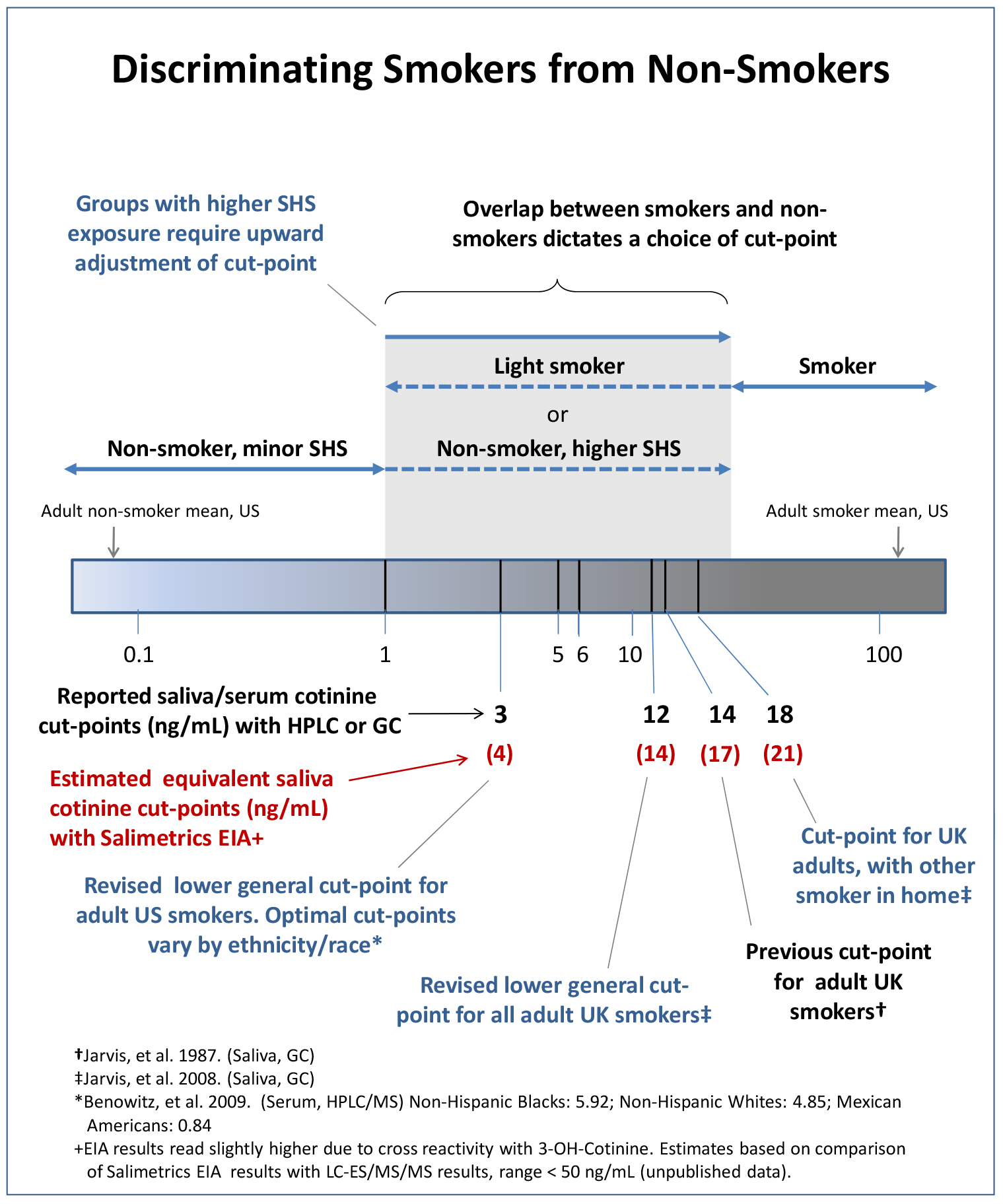
Interpreting cotinine test results requires understanding cutoff levels and what constitutes “positive” or “negative.” These thresholds can vary between laboratories and for different applications (e.g., a cutoff for an insurance policy might be different from a workplace policy).
A “positive” result unequivocally indicates recent nicotine exposure. For individuals seeking to reduce insurance premiums, a negative result is crucial. Financial planners should advise clients on the waiting periods required after quitting nicotine before a cotinine test can yield a negative result, ensuring they don’t incur unnecessary testing costs or fail to achieve their financial goals due to premature testing. For businesses, consistent interpretation of results is vital for fair policy enforcement and to avoid legal challenges related to discrimination. Documenting testing protocols and cutoff levels is a key financial risk management practice.
Navigating the Financial Landscape of Nicotine Use
The financial ramifications of cotinine testing underscore the importance of proactive management of nicotine use for both personal and corporate financial health.
Strategies for Reducing Cotinine Levels
For individuals facing higher insurance premiums or limited employment opportunities due to nicotine use, reducing cotinine levels through cessation is the most effective strategy. This involves:
- Quitting Nicotine Products: The most direct way to lower cotinine levels is to stop using all nicotine-containing products.
- Avoiding Second-hand Smoke: Significant exposure to second-hand smoke can also lead to detectable cotinine levels, potentially affecting financial outcomes.
- Time: Cotinine naturally clears from the system over time. The duration varies based on the individual’s metabolism and the extent of previous nicotine use, but typically takes several days to a few weeks for levels to become undetectable in urine or saliva.
From a financial perspective, investing in cessation programs, nicotine replacement therapies, or professional support can yield substantial long-term savings by qualifying for lower insurance rates and expanding career prospects. These upfront costs are often dwarfed by the potential financial benefits.

Long-Term Financial Planning for Health
Ultimately, the cotinine test serves as a powerful reminder of the deep connection between health and finance. For individuals, maintaining a nicotine-free lifestyle is a direct investment in long-term financial well-being, securing lower insurance costs, broader employment options, and reduced out-of-pocket healthcare expenses. Financial advisors play a crucial role in educating clients about these connections, emphasizing that healthy lifestyle choices, including avoiding nicotine, are integral components of a robust financial plan.
For businesses, strategic engagement with cotinine testing as part of a broader wellness and risk management framework is an investment in human capital. It contributes to a healthier, more productive workforce, which directly translates to financial resilience, reduced operating costs, and sustainable growth. The financial narrative surrounding the cotinine test is thus one of risk mitigation, cost control, and strategic investment in a healthier future.
aViewFromTheCave is a participant in the Amazon Services LLC Associates Program, an affiliate advertising program designed to provide a means for sites to earn advertising fees by advertising and linking to Amazon.com. Amazon, the Amazon logo, AmazonSupply, and the AmazonSupply logo are trademarks of Amazon.com, Inc. or its affiliates. As an Amazon Associate we earn affiliate commissions from qualifying purchases.