
In the realm of home heating and fuel procurement, understanding the precise measurement of firewood is not merely a technicality; it’s a fundamental aspect of financial literacy and sound economic decision-making. “Cord firewood” refers to the standardized unit of volume used to measure and sell firewood, a crucial concept for anyone looking to purchase, sell, or simply manage their heating budget effectively. Misunderstanding this standard can lead to significant financial losses, inefficient heating, and even legal disputes. This article delves into the financial implications of cord firewood, offering insights into its value, purchasing strategies, and how to maximize your investment in this age-old heating source.
The Monetary Standard of Firewood Measurement
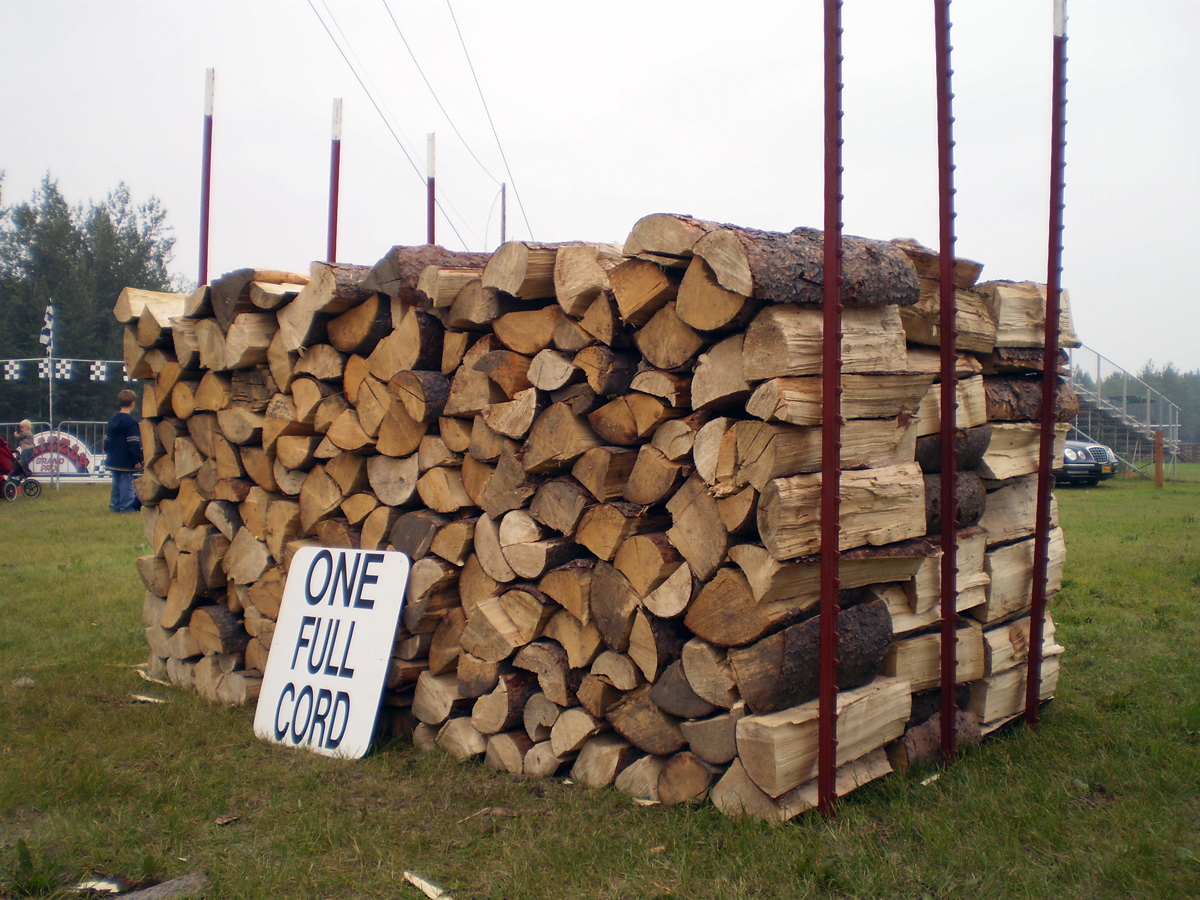
The concept of a “cord” for firewood is rooted in the need for a consistent, verifiable unit of measure, particularly for commercial transactions. A full cord is precisely defined as a stack of wood measuring 4 feet high, 4 feet wide, and 8 feet long, totaling 128 cubic feet. This specific dimension isn’t arbitrary; it represents a universally accepted standard that ensures fairness in trade between buyer and seller. Without such a standard, the purchase and sale of firewood would be rife with ambiguity, making price comparisons and value assessments nearly impossible.
This precise definition is critical for financial transparency. When you purchase a cord of firewood, you are buying a specific volume of material, which directly correlates to its heating potential and, thus, its monetary value. The existence of this standard facilitates consistent pricing across markets, allowing consumers to compare offers accurately and ensure they are getting what they pay for. It also offers a layer of consumer protection, as reputable sellers adhere to these standards, and disputes can be resolved based on a clear, objective measurement.
In contrast, informal measurements like “face cord,” “rick,” “pickup truck load,” or “stove cord” are inherently problematic from a financial standpoint. A face cord, for example, is typically 4 feet high and 8 feet long, but its width can vary depending on the length of the individual logs (e.g., 16 inches, 24 inches). This means a face cord could be anywhere from one-third to one-half of a full cord, making direct price comparisons incredibly difficult. A “pickup truck load” is even more ambiguous, as truck bed sizes vary widely. When sellers use these vague terms, it becomes challenging for buyers to ascertain the true volume of wood they are receiving, often leading to overpayment for less product. From an economic perspective, such ambiguity undermines market efficiency and can lead to consumer exploitation.
Moreover, the misrepresentation of firewood volume can have legal implications. Many jurisdictions have laws governing the sale of firewood, often requiring sellers to use the cord standard and to provide clear documentation of the volume sold. Violations can result in fines and legal action, underscoring the importance of adhering to this financial and legal benchmark in the firewood trade.
Understanding Firewood Value and Pricing
The price of a cord of firewood is not static; it fluctuates based on numerous factors that directly impact its economic value and your heating budget. Understanding these variables is key to making financially astute firewood purchases.
Factors Influencing Cord Firewood Costs
Several elements contribute to the final price you pay for a cord:
- Wood Species: Different wood species possess varying BTU (British Thermal Unit) outputs, which is a direct measure of the heat energy released when burned. Dense hardwoods like oak, maple, and hickory offer higher BTUs per cord and longer burn times compared to softer woods like pine, poplar, or willow. Financially, this means a cord of hardwood, though often more expensive upfront, provides more heat energy and requires less frequent reloading, potentially offering greater long-term value and efficiency. Burning lower BTU wood might seem cheaper initially but could lead to higher overall heating costs due to increased consumption.
- Seasoning Level: This is perhaps the most critical factor influencing firewood’s value. “Green” or unseasoned wood contains a high percentage of moisture. Burning wet wood is inefficient; a significant portion of the energy is used to boil off the water before the wood can combust effectively. This translates directly into wasted money, as you’re paying for water weight and getting less heat. Additionally, wet wood produces more smoke and creosote, leading to increased chimney maintenance costs and potential fire hazards. Seasoned wood, typically dried for 6-12 months (or longer for some hardwoods) to a moisture content of 20% or less, burns hotter, cleaner, and more efficiently, maximizing your heating investment.
- Delivery vs. Pickup: The convenience of having firewood delivered to your home often comes with an additional cost. This fee covers the supplier’s transportation, fuel, and labor expenses. If you have the means to transport it yourself, picking up firewood can offer a modest saving, but you must factor in your own time, vehicle wear and tear, and fuel costs to determine if it’s truly more economical.
- Splitting and Stacking: Most commercial firewood is sold split and ready to burn. However, some suppliers might offer “log length” or “round” wood at a lower price per cord, requiring you to split it yourself. This can be a significant saving for those with the equipment and time, turning your labor into a tangible financial benefit. Similarly, some suppliers will stack the wood for an extra charge; otherwise, it’s left as a pile.
- Local Market Demand and Supply: Like any commodity, firewood prices are influenced by supply and demand. In areas with abundant timber resources or lower demand for wood heat, prices tend to be lower. Conversely, regions with scarce local wood or high demand (e.g., during cold snaps or due to a resurgence in wood stove popularity) will see higher prices.
- Geographic Location: Beyond local demand, the proximity to logging operations, sawmills, and the associated transportation costs play a role. Firewood sourced far from the point of sale will naturally incur higher freight charges, which are passed on to the consumer.
Calculating Your Heating Investment
A financially savvy approach to heating involves comparing the cost-effectiveness of firewood against other energy sources. While natural gas, heating oil, electricity, and propane have fluctuating market prices, firewood’s cost can be analyzed on a “BTU-per-dollar” basis. This involves calculating how much heat energy you get for every dollar spent on fuel.
For example, a cord of seasoned hardwood can contain roughly 20-30 million BTUs. By dividing the total BTUs by the cost of the cord, you can determine its relative efficiency. Comparing this figure to the cost of purchasing an equivalent amount of BTUs from other fuel sources (considering their efficiencies) reveals the potential long-term savings of wood heat. Many online calculators and energy resources can assist with this comparison, helping homeowners make informed decisions about their primary and secondary heating systems. While an initial investment in a wood stove or furnace can be substantial, the fuel savings over its lifespan can often offset this cost, making it a sound long-term financial decision for many households.
Smart Purchasing Strategies for Cord Firewood
Making an informed purchase of cord firewood requires diligence and strategic thinking to ensure you get the best value for your money.

Vetting Your Firewood Supplier
Before making a purchase, engage your supplier with specific, financially pertinent questions:
- “Is it a full cord (128 cubic feet)?” This is non-negotiable for establishing a fair price.
- “What species of wood is it?” Knowing the species helps you assess the BTU output and expected burn time, directly impacting the wood’s value.
- “How long has it been seasoned?” This question directly addresses the moisture content and readiness of the wood. A reputable supplier should be able to provide an estimate.
- “What’s the moisture content (if they know)?” While not all suppliers have moisture meters, those who do demonstrate a commitment to quality and transparency.
- “Is delivery included in the price, and what are the delivery logistics?” Understand all associated costs upfront.
Look for reputable sellers through local reviews, word-of-mouth recommendations, and established businesses. Avoid suspiciously low prices or vague measurements, as these are common red flags for scams where you might receive less than a full cord or unseasoned wood.
Inspecting Your Delivery
When your firewood arrives, take immediate steps to verify your purchase. While a true 4x4x8 stack is easy to measure, wood is often delivered in a loose pile. As soon as possible, stack the wood neatly. This allows you to visually confirm the volume. If it looks significantly short of a cord after stacking, you have grounds to dispute the delivery. A moisture meter, available for a relatively small investment, is an invaluable tool for verifying the dryness of the wood. This directly protects your financial investment by ensuring you’re not paying for water.
Bulk Buying and Future Savings
One of the most effective ways to save money on firewood is to buy off-season. Purchasing wood in the spring or early summer typically yields lower prices compared to the peak demand months of fall and winter. This strategy also provides ample time for the wood to continue seasoning at your location, ensuring it’s optimally dry by the time cold weather arrives. Proper storage—off the ground, covered from rain, and with good airflow—is essential to protect this investment and prevent degradation.
Maximizing Your Firewood Investment
Once you’ve acquired your cord firewood, the journey to maximize its financial return continues with proper storage, efficient burning practices, and considering its potential as an income source.
Proper Storage and Seasoning for Optimal BTU Output
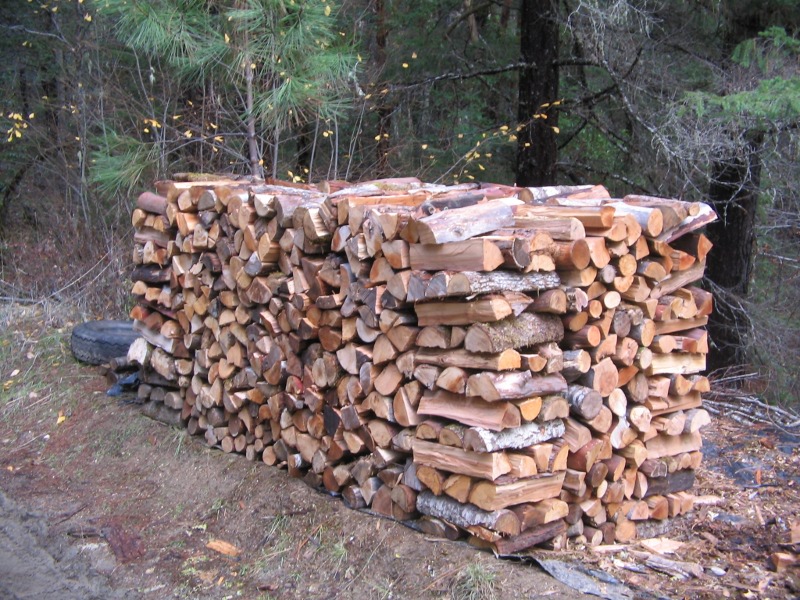
The adage “buy it green, season it clean” underscores the importance of long-term planning for firewood. Storing wood correctly is paramount to achieving the highest possible BTU output and ensuring a clean, efficient burn. Stack wood in a manner that allows air to circulate freely through and around the pile, typically in a single row or narrow double row. Elevate it off the ground using pallets or concrete blocks to prevent moisture absorption and insect infestation. Cover the top of the stack to protect it from rain and snow, but leave the sides exposed to the sun and wind to promote drying.
Understanding the time required for various wood types to season is crucial. Softwoods like pine can dry sufficiently in 6-9 months, while dense hardwoods like oak may need 12-24 months. Burning wet wood is a direct financial loss, as a significant portion of the wood’s energy is expended boiling off moisture rather than heating your home. This leads to less heat output per log, increased fuel consumption, and higher creosote buildup, which in turn leads to more frequent and costly chimney cleanings.
Efficient Burning Practices
Using properly seasoned wood is the cornerstone of efficient and cost-effective wood burning. Dry wood ignites easily, burns hotter, and produces minimal smoke and creosote. Proper stove operation is also key. Learn to manage your stove’s air settings to achieve a hot, steady burn, which maximizes heat output and minimizes fuel consumption. “Dampening” the stove too much to extend burn time can lead to inefficient combustion, wasted fuel, and increased creosote. Regularly cleaning your chimney is a necessary expense that protects your home from fire hazards and ensures the stove operates at peak efficiency, preventing costly repairs or inefficient heating down the line.
Potential for Resale or Side Hustle
For individuals with access to woodlands, logging equipment, or the ability to process wood, converting standing timber into cord firewood can be a lucrative side income or even a small business venture. Understanding market rates for processed firewood in your area, combined with an accurate assessment of your costs (equipment purchase and maintenance, fuel, labor, permits, insurance), is essential for profitability. Selling quality, seasoned cord wood can turn natural resources into a valuable revenue stream, further highlighting the financial dimensions of “what is cord firewood.” By mastering the nuances of firewood production, measurement, and market dynamics, individuals can transform a common commodity into a substantial financial asset.
aViewFromTheCave is a participant in the Amazon Services LLC Associates Program, an affiliate advertising program designed to provide a means for sites to earn advertising fees by advertising and linking to Amazon.com. Amazon, the Amazon logo, AmazonSupply, and the AmazonSupply logo are trademarks of Amazon.com, Inc. or its affiliates. As an Amazon Associate we earn affiliate commissions from qualifying purchases.