
Choclo, known scientifically as Zea mays var. amylacea, is far more than just a large-kernelled variety of corn. Deeply embedded in the cultural fabric and culinary traditions of the Andean region, particularly Peru, Ecuador, Bolivia, and Colombia, choclo also represents a significant agricultural commodity with distinct economic drivers, market dynamics, and financial implications. For those exploring agricultural investments, understanding the specific characteristics of choclo from a financial standpoint is crucial, extending beyond its gastronomic appeal to its role in regional economies, supply chains, and global commodity markets.
The Core Commodity: Understanding Choclo’s Economic Foundations
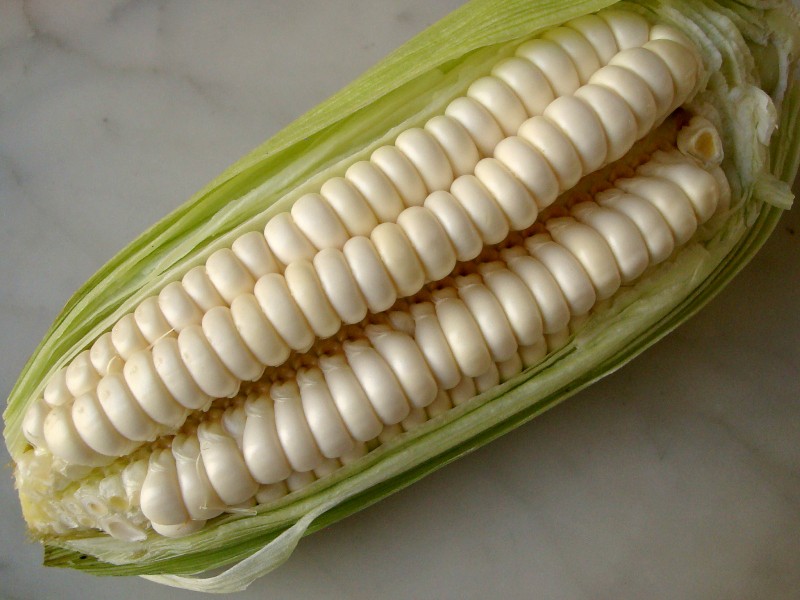
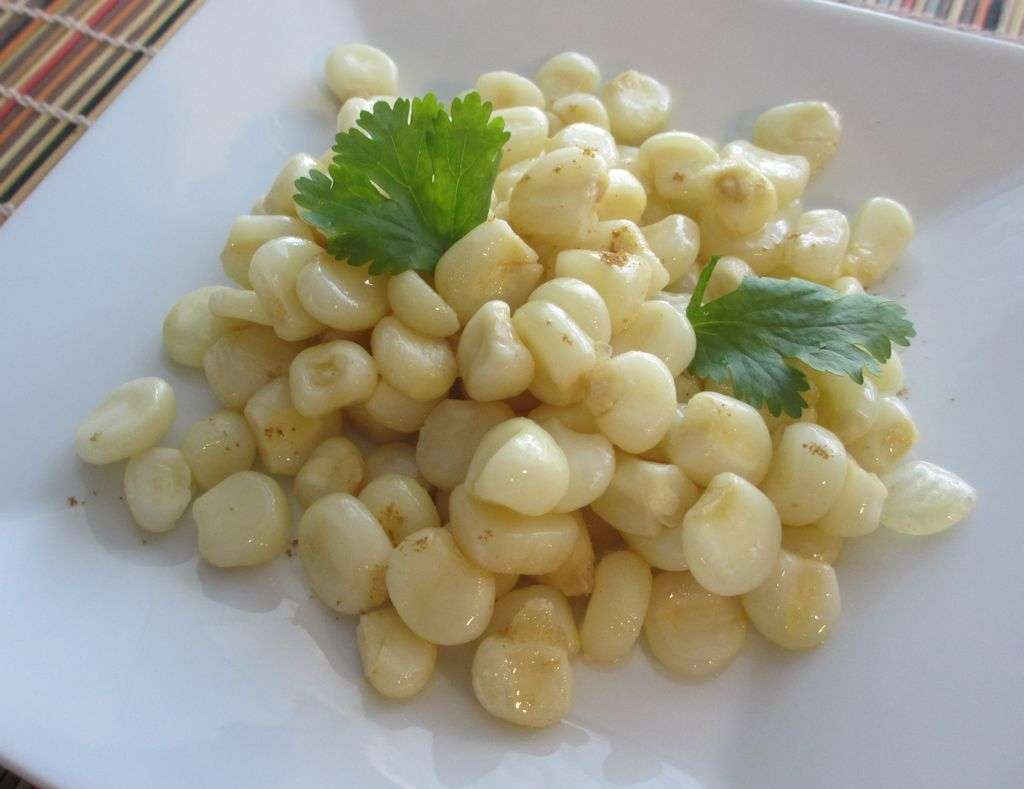
At its heart, choclo is an indigenous variety of corn distinguished by its unusually large, plump, and less sweet kernels. Unlike the familiar sweet corn varieties common in North America and Europe, choclo possesses a starchier, chewier texture and a milder, earthier flavor. This unique profile makes it a staple ingredient in a vast array of Andean dishes, from choclo con queso (corn with cheese) and humitas (steamed corn cakes) to piqueos and various soups and stews. While its culinary uses are diverse, its economic significance primarily stems from its role as a fundamental agricultural product.

Globally, choclo production is concentrated in the high-altitude valleys and coastal plains of the Andes. Peru, as the ancestral home of many corn varieties, remains a primary producer and consumer. Varieties are numerous, adapted to specific microclimates, each offering subtle differences in texture and flavor, influencing local market preferences and pricing. The cultivation of choclo relies heavily on traditional farming methods, often by smallholder farmers, making its production susceptible to environmental factors and lending it a distinctive position within the broader agricultural supply chain. Understanding these foundational aspects is essential for appreciating the economic intricacies that follow.
Choclo in the Agricultural Market: Supply, Demand, and Pricing
The market for choclo, though regional, exhibits fascinating dynamics driven by a delicate balance of supply and demand. Supply is predominantly dictated by agricultural cycles, weather patterns, and the fragmented nature of production. Many small-scale farmers cultivate choclo for both subsistence and local commercial markets, meaning yield fluctuations due to drought, excessive rainfall, or pest infestations can have immediate and significant impacts on local prices and availability. Furthermore, the limited geographical spread of optimal growing conditions for specific choclo varieties constrains global supply, maintaining its status as a niche commodity rather than a globally traded staple like yellow corn.
Demand for choclo is robust within its traditional consuming regions, driven by cultural dietary habits and a strong preference for its unique characteristics. While fresh choclo commands a premium, there is also a significant market for frozen and dried variants, which allow for year-round availability and broader distribution beyond peak harvest seasons. Exports, though relatively small compared to domestic consumption, target expatriate communities and niche ethnic markets in North America and Europe, often commanding higher prices due to shipping and import costs.
Pricing mechanisms for choclo are complex. In local markets, prices are often subject to daily fluctuations based on immediate supply from farms, transportation costs, and local demand. At a broader level, the lack of a centralized commodity exchange for choclo means prices are less influenced by global speculation and more by regional supply-demand imbalances, logistical challenges, and local economic conditions. This makes it a market that requires granular understanding and local presence for effective participation, differentiating it from more liquid, globally traded agricultural commodities.
Economic Significance in Producing Regions
For the Andean communities where it is cultivated, choclo is more than just a food source; it is a pillar of the local economy. Its cultivation provides employment for millions, from farmers and field workers to transporters, vendors, and processors. Income generated from choclo sales directly supports countless rural families, contributing significantly to household economies and, collectively, to regional GDPs. In many areas, it serves as a primary cash crop, driving economic activity in remote agricultural zones.
The economic impact extends beyond direct cultivation. The processing of choclo into value-added products, such as frozen kernels, flour, or pre-cooked dishes, creates additional employment opportunities and boosts local manufacturing sectors. The sale of these products further enhances regional trade and contributes to the diversification of local economies, providing a buffer against price volatility in raw commodity markets. Governments in these regions often implement policies to support choclo farmers, recognizing its strategic importance for food security and rural economic stability.
Investment Opportunities and Risks in the Choclo Market
Investing in agricultural commodities, particularly niche ones like choclo, presents a unique set of opportunities and challenges. While it lacks the liquidity of major commodities, its deep-rooted cultural significance and stable regional demand can offer attractive returns for those with specialized knowledge and direct market access.
Agricultural commodities serve as a distinct asset class, often acting as a hedge against inflation and offering diversification benefits to a broader investment portfolio. For choclo, direct investment avenues might include:
- Land and Cultivation: Investing directly in agricultural land in prime choclo-growing regions, coupled with financing cultivation and harvesting operations. This requires significant capital, agricultural expertise, and a tolerance for operational risks.
- Agribusiness Ventures: Investing in companies involved in the processing, packaging, and distribution of choclo and choclo-derived products. This could involve cold storage facilities, food processing plants, or logistics companies specializing in fresh produce.
- Export and Import Businesses: Capitalizing on the growing demand for ethnic foods in international markets by establishing or investing in companies that source, package, and distribute choclo to expatriate communities and specialty food retailers abroad.
Indirect investment options are less prevalent due to choclo’s niche status. There are no dedicated choclo futures contracts or exchange-traded funds (ETFs) focused solely on this commodity. However, broader agricultural ETFs that include exposure to Latin American agriculture or specific commodity baskets might offer indirect, albeit diluted, exposure.
Risk Factors for Choclo Investments
Investing in choclo, like any agricultural commodity, is inherently exposed to a range of risks:
- Weather and Climate Change: Choclo yields are highly dependent on specific climatic conditions. Droughts, floods, and unseasonal frosts, exacerbated by climate change, can severely impact harvests and significantly reduce supply.
- Pest and Disease Outbreaks: Crop diseases and pest infestations can wipe out entire harvests, leading to substantial financial losses for producers and investors.
- Political Instability and Policy Changes: Agricultural policies, trade regulations, land reform, and political unrest in producing countries can introduce significant uncertainties and operational challenges.
- Market Volatility: While not subject to global speculative trading, local supply-demand imbalances can lead to sharp price fluctuations, affecting profitability.
- Logistical Challenges: The perishable nature of fresh choclo requires efficient cold chain logistics, which can be costly and challenging in regions with underdeveloped infrastructure.
- Currency Fluctuations: For international investors, currency exchange rates between the local currency and their investment currency can impact returns.
Sustainable Practices and Future Outlook
The long-term viability and attractiveness of the choclo market are increasingly tied to sustainable agricultural practices. Sustainable farming methods, including water conservation, organic fertilization, and responsible pest management, not only preserve the environment but also enhance soil health, improve long-term yields, and potentially attract premium pricing in eco-conscious markets. Investments in sustainable technologies and practices, such as precision agriculture or drought-resistant varieties, can mitigate some of the inherent risks associated with climate change and natural resource depletion.
Innovation in cultivation, processing, and distribution is also critical for future growth. Research into higher-yield varieties, improved storage techniques, and more efficient processing methods can unlock new market opportunities and enhance profitability. The burgeoning global demand for healthy, natural, and ethnically diverse foods also bodes well for choclo, positioning it for potential expansion beyond its traditional markets. As consumer preferences shift towards specialty ingredients and authentic flavors, choclo could increasingly find its way into broader culinary applications worldwide, driving demand and creating new economic value chains.
Business Finance Considerations for Choclo Producers
For individual choclo producers and agricultural enterprises, sound business finance practices are paramount. Access to capital is often a significant hurdle for smallholder farmers, necessitating microfinance initiatives, agricultural loans, or cooperative funding models. These financial tools enable farmers to invest in better seeds, equipment, and irrigation systems, thereby improving productivity and resilience.
Risk management strategies are equally vital. Crop insurance can provide a crucial safety net against unforeseen events like adverse weather or pest outbreaks, protecting farmers from catastrophic financial losses. For larger operations, hedging strategies, though less common for niche commodities like choclo, could be explored through forward contracts with buyers or by diversifying crop portfolios.
Finally, focusing on value-added products and market diversification can significantly enhance financial stability. Instead of solely selling raw choclo, producers can explore processing it into frozen kernels, flour, or prepared meals, which command higher prices and offer greater market reach. Developing direct relationships with buyers, both domestic and international, can also reduce reliance on intermediaries and improve profit margins. By integrating these financial and strategic considerations, the choclo sector can continue to thrive, supporting livelihoods and contributing to regional economic vitality.
aViewFromTheCave is a participant in the Amazon Services LLC Associates Program, an affiliate advertising program designed to provide a means for sites to earn advertising fees by advertising and linking to Amazon.com. Amazon, the Amazon logo, AmazonSupply, and the AmazonSupply logo are trademarks of Amazon.com, Inc. or its affiliates. As an Amazon Associate we earn affiliate commissions from qualifying purchases.