
The journey to parenthood is often envisioned as a natural, unhurried unfolding. However, for a significant portion of expectant mothers, the arrival of their baby doesn’t always align with this idealized timeline. Medical interventions, including the induction of labor, have become increasingly common, prompting many to question: what drug induces labor? This question, seemingly straightforward, opens a complex dialogue that intersects with medical science, technological advancements in healthcare, and the financial considerations surrounding childbirth.
While the core of labor induction falls under the domain of medicine, understanding its nuances requires an appreciation for the broader landscape of modern maternal care. This includes the technological tools that monitor pregnancies, the branding of healthcare services and pharmaceuticals, and the financial implications for families and healthcare systems. This article aims to demystify the drugs used to induce labor, explore the reasons behind such interventions, and touch upon the surrounding technological and financial aspects that shape the contemporary birthing experience.

The Primary Pharmaceutical Arsenal for Labor Induction
When the need arises to initiate labor, healthcare providers turn to a carefully selected group of medications. These drugs work by mimicking or enhancing the body’s natural labor processes, primarily by softening the cervix and stimulating uterine contractions.
Prostaglandins: The Cervical Ripening Specialists
Among the most frequently used drugs for labor induction are prostaglandins. These are hormone-like substances that play a crucial role in the reproductive system. In the context of labor induction, prostaglandins are essential for cervical ripening. The cervix, which is the lower, narrow part of the uterus that opens into the vagina, needs to soften, efface (thin out), and dilate (open) for a vaginal birth to occur.
-
What are Prostaglandins? Naturally occurring prostaglandins are produced by the body and are involved in various physiological processes, including ovulation, blood clotting, and, importantly, the initiation of labor. Exogenously administered prostaglandins are synthetic versions designed to replicate these effects.
-
Types of Prostaglandin Medications:
- Dinoprostone (Cervidil, Prepidil): This is one of the most common prostaglandins used. It can be administered in different forms:
- Vaginal Insert (Cervidil): A slow-release vaginal insert that contains dinoprostone. It’s placed high in the vagina and can be removed if labor progresses too quickly or if there are concerns about fetal well-being. The release of dinoprostone gradually softens and thins the cervix, and can also stimulate contractions.
- Vaginal Gel (Prepidil): A gel containing dinoprostone that is inserted into the cervix. This form allows for a more direct application to the cervical tissue.
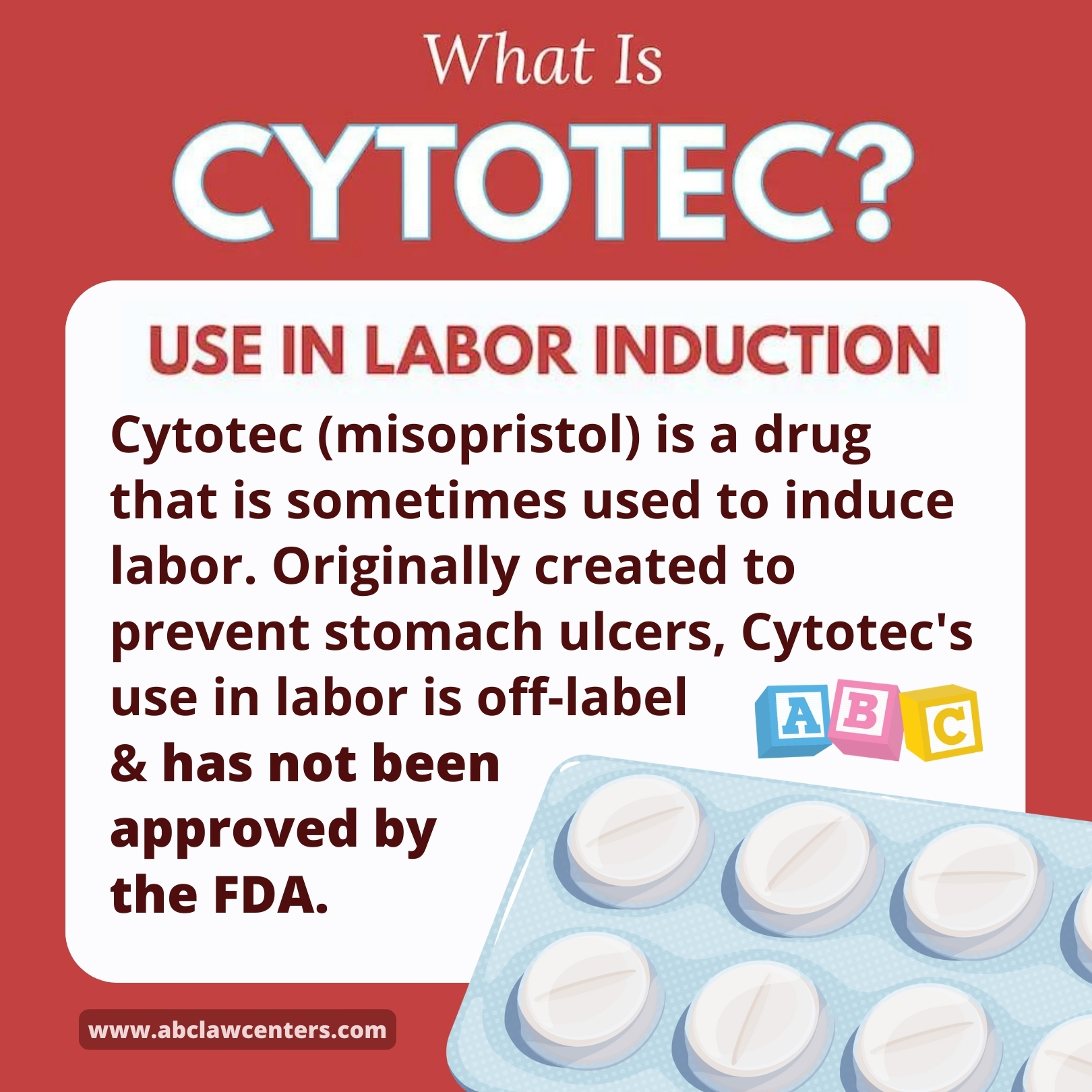
- Misoprostol (Cytotec): While not FDA-approved specifically for labor induction, misoprostol is widely used off-label due to its effectiveness and lower cost. It can be administered orally, vaginally, or sublingually (under the tongue). Misoprostol is a potent agent that effectively ripens the cervix and stimulates uterine contractions. Due to its strong effect and potential for rapid onset of contractions, its use requires careful monitoring.
- Dinoprostone (Cervidil, Prepidil): This is one of the most common prostaglandins used. It can be administered in different forms:
-
Mechanism of Action: Prostaglandins work by binding to receptors on the cervical smooth muscle and connective tissue. This binding leads to the breakdown of collagen and other structural components of the cervix, making it softer and more pliable. Simultaneously, they can increase the sensitivity of the uterus to oxytocin and directly stimulate uterine muscle contractions.
-
Indications for Use: Prostaglandins are typically used when the cervix is unfavorable for induction, meaning it is long, closed, and hard. They are often the first-line medical intervention when an induction is necessary and the cervix is not yet ready for other methods.
Oxytocin: The Uterine Contraction Stimulator
Once the cervix has begun to ripen, or if the cervix is already favorable, oxytocin becomes the primary drug for inducing and augmenting labor. Oxytocin is a hormone naturally produced by the hypothalamus and released by the posterior pituitary gland.
-
What is Oxytocin? Oxytocin is often referred to as the “love hormone” or the “bonding hormone” due to its role in social bonding and maternal behavior. In the context of childbirth, it is critically important for stimulating uterine contractions that expel the fetus and placenta.
-
Synthetic Oxytocin (Pitocin): The synthetic form of oxytocin, commonly known by the brand name Pitocin, is administered intravenously. It is a powerful medication that allows for precise control over the strength and frequency of uterine contractions.
-
Mechanism of Action: Oxytocin binds to oxytocin receptors in the myometrium (the muscular wall of the uterus). This binding triggers a cascade of intracellular events that lead to the contraction of uterine muscle fibers. By increasing the dose of intravenous oxytocin, healthcare providers can gradually increase the intensity and frequency of contractions, mimicking the natural labor process.
-
Indications for Use:
- Induction of Labor: When the cervix is favorable, or after cervical ripening with prostaglandins, oxytocin is used to initiate contractions and progress labor.
- Augmentation of Labor: If labor has started but is progressing too slowly, oxytocin can be administered to strengthen and regulate contractions, helping to move labor along.
- Postpartum Hemorrhage Prevention: After delivery, oxytocin is routinely given to help the uterus contract firmly, reducing the risk of excessive bleeding.
-
Administration and Monitoring: Oxytocin is administered via an IV drip, starting at a low dose and gradually increasing as needed. Continuous fetal monitoring (CTG) is essential during oxytocin infusion to ensure the baby is tolerating the contractions and that the contractions are not becoming too strong or too frequent, which could compromise fetal oxygenation.
Beyond the Pharmaceuticals: Technological and Logistical Considerations
The decision to induce labor, and the drugs used to achieve it, are deeply intertwined with advancements in medical technology and the practicalities of modern healthcare systems.
Technological Innovations in Pregnancy Monitoring and Induction
The sophisticated technology available today plays a crucial role in both determining the need for induction and managing the process itself.
-
Fetal Monitoring Systems: Continuous electronic fetal monitoring (EFM) is a cornerstone of induction management. These systems, often utilizing external transducers placed on the mother’s abdomen, track the baby’s heart rate and the pattern of uterine contractions. This real-time data allows healthcare providers to assess fetal well-being throughout the induction process and make timely adjustments to medication dosages or intervene if necessary. The development of wireless and more portable EFM devices represents a significant technological stride, offering greater mobility for patients during labor.
-
Ultrasound Technology: Before induction, ultrasound is often used to assess fetal position, amniotic fluid levels, and placental health. It can also help determine cervical length and effacement, providing valuable information to guide the induction strategy. Advanced 3D and 4D ultrasounds, while not directly used for induction decisions, contribute to a more comprehensive understanding of fetal development and maternal anatomy.
-
Electronic Medical Records (EMRs) and AI: EMR systems centralize patient data, including pregnancy history, vital signs, and labor progress. This digital infrastructure facilitates seamless communication between healthcare providers and allows for more efficient tracking of induction protocols. Emerging AI tools are beginning to analyze large datasets of labor patterns and outcomes, potentially leading to more personalized and predictive induction strategies in the future. These tools could help identify patients who are more likely to respond well to specific induction methods or predict potential complications.
-
Smart Devices and Apps: While not directly administering drugs, a growing number of apps and wearable devices offer expectant parents tools for tracking fetal movements, logging contractions, and managing appointments. These technologies empower patients with information and can facilitate better communication with their care teams, indirectly supporting the management of induced labor.
The Financial Landscape of Induced Labor
The decision to induce labor, and the medications involved, also carry financial implications that are increasingly relevant in the context of healthcare costs and family planning.
-
Medication Costs: While many induction medications, particularly generic forms like misoprostol, are relatively inexpensive, the overall cost of care associated with an induced labor can be significant. The drugs themselves are only one part of the equation.
-
Hospital Stay and Monitoring: Induced labor often involves a longer hospital stay compared to spontaneous labor. This is due to the administration of medications, the need for continuous monitoring, and the potential for a slower progression of labor. Extended hospital stays directly translate to higher costs for room and board, nursing care, and physician services.
-
Insurance Coverage: The extent to which insurance covers labor induction varies widely. Most standard health insurance plans will cover medically necessary inductions, but the specifics of co-pays, deductibles, and out-of-pocket maximums can significantly impact the final bill for expectant parents. Understanding one’s insurance policy well in advance is crucial.
-
Provider Branding and Hospital Choice: The “brand” of a healthcare provider or hospital can influence the approach to labor induction. Some facilities may have established protocols or preferences for certain induction methods, which can be influenced by their reputation for patient care, their technological offerings, and their pricing structures. Personal branding, in the sense of how expectant parents research and choose their obstetrician or birthing center, can also play a role in their awareness and understanding of induction options and associated costs.
-
The “Product” of Birth: In a broader sense, childbirth is a significant life event that is increasingly viewed through a consumer lens. From the “product” of a healthy baby to the services and interventions that facilitate delivery, parents are often making informed choices influenced by brand loyalty, perceived quality of care, and financial realities.
Reasons for Labor Induction: Medical Necessity and Elective Choices
While the drugs are the “how,” understanding the “why” behind labor induction is equally important. Inductions are not undertaken lightly and are typically recommended when continuing the pregnancy poses a greater risk to the mother or baby than intervening.
Medically Indicated Inductions
These are inductions performed for a clear medical reason, prioritizing the health and safety of mother and baby.
-
Post-Term Pregnancy: When a pregnancy extends beyond 41 or 42 weeks, the risks of complications such as fetal distress, stillbirth, and meconium aspiration increase. Induction may be recommended to mitigate these risks.
-
Preeclampsia and Eclampsia: These serious pregnancy complications characterized by high blood pressure and organ damage can necessitate induction to prevent more severe maternal and fetal harm.
-
Ruptured Membranes Without Labor (PROM): If a woman’s water breaks but labor does not begin within a certain timeframe (typically 12-24 hours), induction may be initiated to reduce the risk of infection for both mother and baby.
-
Fetal Growth Restriction (FGR): When the baby is not growing adequately in the uterus, continuing the pregnancy might be more risky than delivering the baby via induction.
-
Maternal Medical Conditions: Pre-existing conditions like diabetes, heart disease, or kidney disease in the mother may warrant earlier delivery via induction for maternal or fetal well-being.
-
Oligohydramnios: Low levels of amniotic fluid can pose risks to the baby and may lead to induction.
Elective Inductions
Elective, or “medically optional,” inductions are generally performed when there is no immediate medical threat but continuing the pregnancy is deemed less desirable for reasons such as convenience or perceived benefits.
-
Convenience: Some women choose to schedule an induction to align with their personal schedules, their partner’s availability, or to avoid laboring over a holiday.
-
Previous Rapid Labor: In cases of a history of very rapid labors, healthcare providers might suggest an induction to ensure medical support is readily available.
-
Provider Availability: In some instances, elective inductions may be scheduled to coincide with the availability of a specific healthcare provider.
It’s crucial to note that elective inductions are a topic of ongoing discussion and debate within the medical community, with some advocating for more cautious approaches to avoid unnecessary interventions. The decision for any induction, whether medically indicated or elective, should be a collaborative one between the expectant parent and their healthcare provider, thoroughly weighing the benefits and risks.

Conclusion: A Multifaceted Approach to Modern Childbirth
The question of “what drug induces labor” delves into a sophisticated area of medicine, but its implications extend far beyond the pharmaceutical aisle. The drugs used – prostaglandins for cervical ripening and oxytocin for stimulating contractions – are powerful tools that, when used appropriately, can ensure the safe and healthy arrival of a baby.
However, the effectiveness and management of these interventions are increasingly shaped by technological advancements in fetal monitoring, ultrasound, and data management systems. Furthermore, the financial landscape of childbirth, from medication costs to insurance coverage and hospital branding, plays a significant role in decision-making. Understanding these multifaceted aspects allows expectant parents to navigate the modern maternity experience with greater knowledge and confidence, ensuring they can make informed choices about their care and the arrival of their child.
aViewFromTheCave is a participant in the Amazon Services LLC Associates Program, an affiliate advertising program designed to provide a means for sites to earn advertising fees by advertising and linking to Amazon.com. Amazon, the Amazon logo, AmazonSupply, and the AmazonSupply logo are trademarks of Amazon.com, Inc. or its affiliates. As an Amazon Associate we earn affiliate commissions from qualifying purchases.