
The Culinary Identity of Beef Cheeks: Beyond a Cut
Beef cheeks, once an overlooked cut, have experienced a remarkable culinary renaissance, transforming from a butcher’s afterthought into a coveted ingredient in modern gastronomy. Understanding “what beef cheeks are” extends beyond their anatomical definition; it delves into their unique characteristics, historical perceptions, and evolving role in the broader food landscape. From a brand perspective, this journey highlights how perception, preparation, and presentation can redefine a product’s value and market position.
Defining a Niche Product in the Market
Beef cheeks are precisely what their name suggests: the heavily muscled cheeks of a bovine. These muscles are in constant use, meaning they are exceptionally lean and fibrous, demanding specific cooking methods to tenderize them. Composed primarily of connective tissue, collagen, and lean muscle, they offer a distinct texture and depth of flavor unparalleled by more conventional cuts. Unlike a tenderloin or a ribeye, which are prized for their immediate tenderness and rich marbling, beef cheeks’ appeal lies in their transformation through slow cooking. This inherent quality positions them as a niche product, requiring both culinary expertise and a compelling brand narrative to reach their full potential in the market. Their designation as an “off-cut” or “fifth quarter” product historically relegated them to obscurity or cheaper fare, but this very distinction has become a branding advantage in an era seeking authenticity and value beyond the mainstream.

Historical Perception and Modern Revival
Historically, beef cheeks, like many other secondary cuts, were staples in frugal cooking traditions around the world. They were often used in stews, braises, and slow-cooked dishes, valued for their ability to contribute flavor and substance at a low cost. However, in contemporary culinary circles, their perception has shifted dramatically. The “nose-to-tail” movement, a philosophy advocating for the utilization of every part of the animal, played a pivotal role in this revival. This movement, driven by sustainability, ethical consumption, and a desire for diverse culinary experiences, provided the perfect branding platform for beef cheeks. Chefs and restaurateurs, embracing this philosophy, began to showcase these cuts, elevating them from humble origins to gourmet status. The narrative of resourceful cooking and flavor discovery became central to their rebranding, appealing to a new generation of diners interested in culinary adventure and sustainable practices.
Crafting Brand Narratives with Distinctive Ingredients
The success of beef cheeks as a premium ingredient is a testament to effective brand narrative crafting. It illustrates how a product’s story can profoundly influence consumer perception and drive market demand, even for items that were once considered undesirable.
From “Waste” to Delicacy: A Branding Triumph
The journey of beef cheeks from an undervalued cut to a culinary delicacy is a powerful branding case study. This transformation wasn’t accidental; it was the result of deliberate positioning and strategic communication. The narrative focused on the unique characteristics of the meat – its rich, deep flavor, its tender, melt-in-your-mouth texture when properly prepared, and its rustic charm. Marketing efforts highlighted the skill and patience required to cook beef cheeks, positioning them as an ingredient for discerning palates and expert chefs. This allowed restaurants to charge a premium, justifying the price not just by the cost of the raw product, but by the culinary artistry involved in its preparation. The narrative also tapped into broader cultural trends, such as the appreciation for traditional cooking methods and the desire for unique dining experiences, effectively rebranding a once-overlooked item as a symbol of sophisticated taste and culinary innovation.
Storytelling Through Sourcing and Preparation
For many food brands, the story behind the product is as important as the product itself. With beef cheeks, this storytelling extends to both sourcing and preparation. Brands that emphasize ethical and sustainable sourcing of their beef cheeks – perhaps from local farms, grass-fed cattle, or through humane practices – build trust and appeal to conscious consumers. This aligns with a growing market segment that values transparency and responsible production. Furthermore, the preparation method itself becomes part of the brand’s narrative. Restaurants might highlight their slow-braising techniques, secret spice blends, or the specific culinary heritage that inspires their beef cheek dishes. This level of detail creates an emotional connection with the consumer, making the dish more than just food; it becomes an experience, a journey through flavor and tradition. By focusing on these elements, food businesses can differentiate their offerings and forge a stronger identity in a crowded market.
Beef Cheeks in Restaurant Branding and Menu Design
The inclusion of beef cheeks on a restaurant’s menu is often a strategic decision, reflecting a specific brand identity and targeting a particular clientele. It speaks volumes about a restaurant’s culinary philosophy and its approach to ingredients.
Elevating the Dining Experience
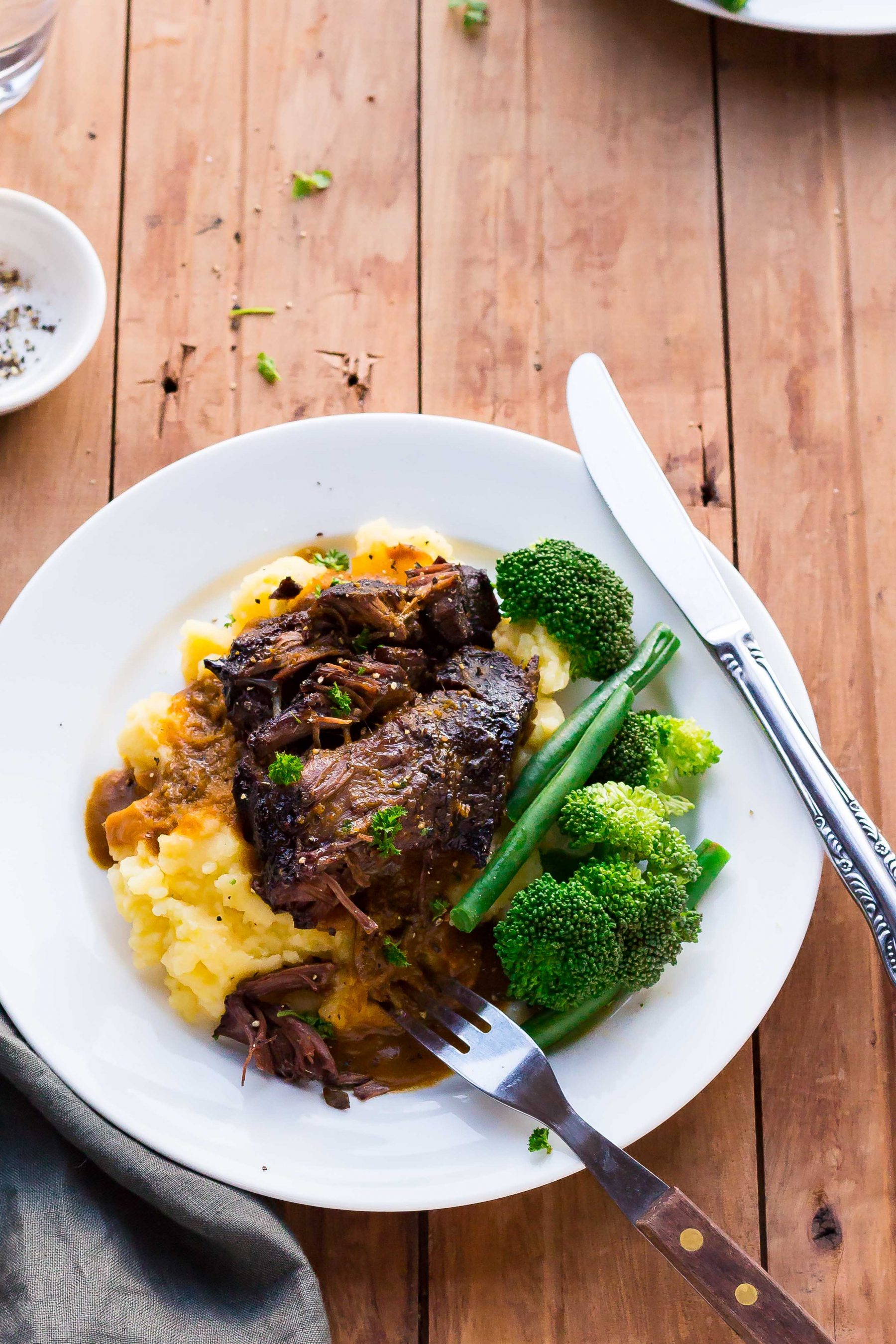
For fine dining establishments and gastropubs, featuring beef cheeks can significantly elevate the dining experience. It signals a kitchen that is adventurous, skilled, and committed to flavor and quality. Unlike ubiquitous cuts, beef cheeks offer a sense of discovery and culinary adventure. When presented as a beautifully braised dish, perhaps accompanied by luxurious purees or vibrant seasonal vegetables, it becomes a signature item that enhances the restaurant’s reputation. The dish itself becomes a brand ambassador, demonstrating the chef’s ability to transform humble ingredients into extraordinary cuisine. This approach appeals to foodies and connoisseurs who seek unique culinary adventures and appreciate the artistry involved in preparing less common cuts.
Appealing to the Connoisseur and Adventurous Diner
Restaurants that feature beef cheeks on their menu often aim to attract a demographic that is more discerning and adventurous in their culinary choices. This audience is less driven by conventional cuts and more by flavor complexity, unique textures, and the narrative behind the dish. By offering beef cheeks, a restaurant positions itself as a destination for those who appreciate culinary innovation and a departure from the ordinary. The perceived “exclusivity” or “novelty” of the dish can become a strong draw, fostering a sense of community among diners who share a passion for exploring diverse and sophisticated flavors. This strategy reinforces a brand identity built around culinary excellence and a commitment to pushing gastronomic boundaries.
Marketing the Unconventional: Strategies for Niche Meats
Marketing niche meat products like beef cheeks requires a nuanced approach, moving beyond generic advertising to embrace storytelling, education, and strategic partnerships.
Digital Presence and Visual Storytelling
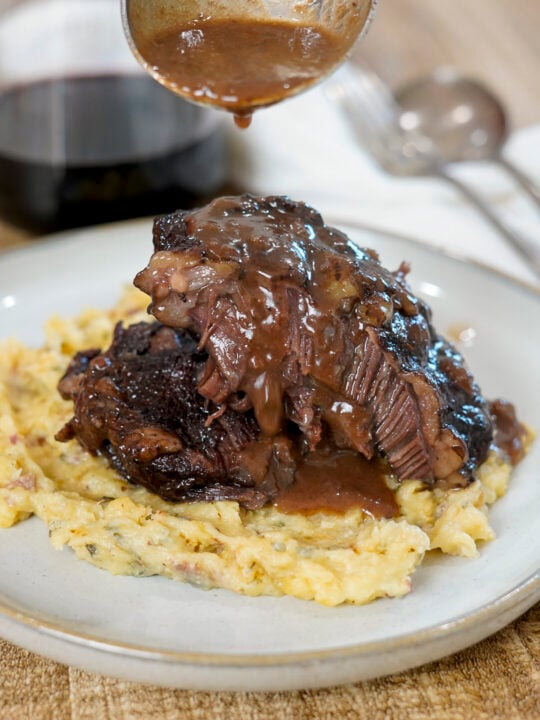
In the digital age, a strong online presence is crucial for marketing unconventional ingredients. Restaurants and suppliers can leverage high-quality food photography and videography to showcase the appeal of beef cheeks. Visual storytelling can highlight the cooking process, from the raw cut to the perfectly plated dish, emphasizing the tenderness and rich, glossy texture achieved through slow braising. Social media platforms, blogs, and culinary websites become vital channels for sharing recipes, cooking tips, and the unique story behind beef cheeks. Engaging content that educates consumers about the cut, its versatility, and its ethical sourcing can demystify the product and encourage trial. Furthermore, user-generated content, where diners share their experiences with beef cheek dishes, serves as authentic social proof, reinforcing the product’s desirability and building a community around it.
Chef Endorsements and Influencer Marketing
The endorsement of reputable chefs and culinary influencers can be a game-changer for niche products. When a celebrated chef includes beef cheeks on their menu or speaks positively about the ingredient, it confers immediate credibility and prestige. This form of marketing taps into the trust and authority that these figures command within the culinary world. Collaborations with food bloggers, Instagram personalities, and YouTube chefs can expose beef cheeks to a wider, engaged audience. These influencers can create compelling content, from recipe tutorials to restaurant reviews, that showcases the appeal and versatility of the product, effectively transforming niche interest into mainstream curiosity and demand. This strategy is particularly effective because it bypasses traditional advertising, relying instead on authentic recommendations from trusted voices.
Building a Sustainable Brand Around “Nose-to-Tail” Philosophy
The resurgence of beef cheeks is intrinsically linked to the “nose-to-tail” philosophy, which offers a powerful foundation for building a sustainable and ethically-minded brand.
Ethical Sourcing as a Brand Pillar
For many modern consumers, the ethics of food production are as important as its taste or price. Brands that explicitly adopt a “nose-to-tail” approach and commit to utilizing all parts of the animal, including cuts like beef cheeks, can position ethical sourcing as a core brand pillar. This demonstrates a commitment to reducing waste, maximizing resources, and respecting the animal. Restaurants and butchers can highlight their relationships with local, sustainable farms, emphasizing animal welfare and environmentally responsible practices. This transparency not only builds trust but also resonates deeply with a growing segment of consumers who are willing to pay a premium for products that align with their values. Ethical sourcing, therefore, becomes a key differentiator and a powerful tool for brand loyalty.
Educating Consumers and Shaping Perceptions
A crucial aspect of branding unconventional cuts is consumer education. Many diners may be unfamiliar with beef cheeks or harbor misconceptions about “off-cuts.” Brands that take the initiative to educate their audience about the quality, flavor, and culinary potential of beef cheeks can effectively shape perceptions. This can involve providing information on menus about the cut’s origins, its nutritional benefits, and its transformation through slow cooking. Workshops, cooking classes, or online content that demonstrates how to prepare beef cheeks at home can also empower consumers, making the product less intimidating and more accessible. By demystifying the ingredient and highlighting its unique attributes, brands can convert hesitant customers into enthusiastic advocates, further solidifying the product’s place in the culinary lexicon and ensuring its continued success as a branded delicacy.
aViewFromTheCave is a participant in the Amazon Services LLC Associates Program, an affiliate advertising program designed to provide a means for sites to earn advertising fees by advertising and linking to Amazon.com. Amazon, the Amazon logo, AmazonSupply, and the AmazonSupply logo are trademarks of Amazon.com, Inc. or its affiliates. As an Amazon Associate we earn affiliate commissions from qualifying purchases.