
When delving into the intricate world of The Witcher, a franchise that has captivated millions across books, video games, and television, understanding its origins is paramount. For brand strategists, marketers, and IP custodians, the genesis of such a global phenomenon offers invaluable insights into the power of foundational storytelling and meticulous brand development. The question, “what is the first book in The Witcher series?” is not merely a trivia query but an inquiry into the very bedrock upon which a multi-billion-dollar transmedia brand was built.
The first published collection of stories featuring Geralt of Rivia, the stoic monster-slayer, is “The Last Wish” (Polish: Ostatnie życzenie). While often mistaken for a novel due to its pervasive influence and canonical importance, “The Last Wish” is, in fact, a collection of short stories, originally published in Poland in 1993. It served as a compilation of stories previously released in various Polish fantasy magazines, including Fantastyka, establishing the core characters, setting, and thematic elements that would define the entire Witcher brand.
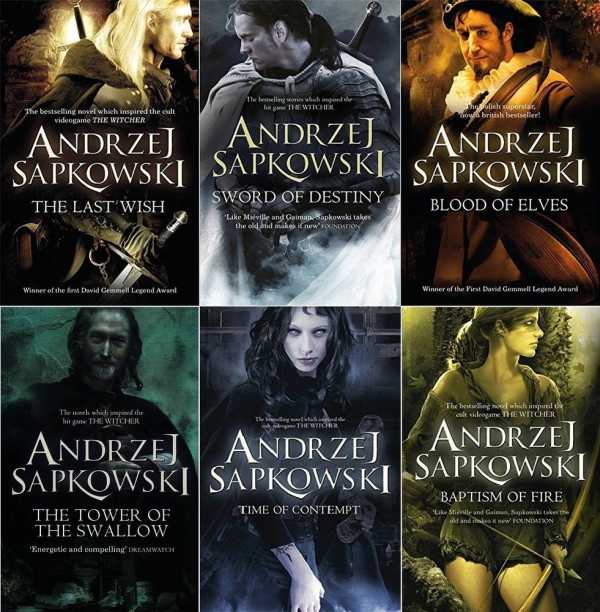
The Genesis of a Global Brand: The Last Wish and Beyond
The strategic importance of “The Last Wish” in the brand’s trajectory cannot be overstated. It was here that author Andrzej Sapkowski first penned the adventures of Geralt, Yennefer, and Dandelion, introducing readers to a gritty, morally ambiguous world inspired by Slavic mythology. This initial foray into the Continent’s lore was not just a collection of tales; it was the blueprint for a distinctive brand identity that would resonate with audiences worldwide.
From Short Story Collection to Cultural Phenomenon
The journey of The Witcher brand from a collection of short stories to a global cultural phenomenon is a testament to the enduring power of strong narrative. Sapkowski’s work began in the late 1980s, gradually building a loyal following in Poland. “The Last Wish” cemented Geralt’s character and the series’ unique blend of dark fantasy, complex ethical dilemmas, and rich world-building. This initial collection, along with “Sword of Destiny,” another short story compilation, laid the narrative groundwork for the subsequent five-novel saga. For any brand looking to establish a deep connection with its audience, starting with a compelling and consistent narrative core is non-negotiable. It defines the brand’s soul and provides a stable foundation for future expansions.
Establishing the Core Brand Identity: Geralt, Monsters, and Moral Ambiguity
“The Last Wish” masterfully introduced the pillars of The Witcher’s brand identity:
- Geralt of Rivia: A mutated monster hunter, bound by a strict code, yet perpetually caught in shades of grey. He represents the anti-hero archetype, making him relatable and complex.
- The World: A brutal, medieval-inspired fantasy realm where monsters are real, but humanity often proves more monstrous. This provides a rich, immersive setting.
- Moral Ambiguity: Decisions rarely have clear-cut good or evil outcomes, forcing characters and readers to confront difficult ethical questions. This intellectual depth elevates the brand beyond typical fantasy.
- Slavic Roots: A distinct flavor of folklore and myth that differentiates it from Western European-centric fantasy.
These elements, meticulously crafted in the earliest stories, forged a unique brand voice and aesthetic. They created a universe with enough depth and flexibility to be adapted across various media, yet with enough consistency to maintain its core identity. This early, deliberate establishment of a robust brand identity in the literary realm proved critical for its future success.
Building a Transmedia Empire: Leveraging Foundational Lore
The transition of The Witcher from beloved book series to a multi-platform entertainment behemoth offers a textbook case study in successful brand extension and strategic IP management. “The Last Wish” and subsequent novels provided the fertile ground for this expansion, demonstrating how a strong literary foundation can spawn a thriving transmedia ecosystem.
Strategic Expansion into Video Games: CD Projekt Red’s Vision
The most significant leap for The Witcher brand came with the video game adaptations by Polish developer CD Projekt Red. Starting with “The Witcher” in 2007, and culminating in the universally acclaimed “The Witcher 3: Wild Hunt” in 2015, these games did not merely adapt the books; they expanded the lore, deepened character relationships, and introduced Geralt’s world to an entirely new global audience. The games acted as a powerful marketing engine, driving millions back to the original books, thereby completing a virtuous cycle of brand engagement.
Crucially, CD Projekt Red understood the core brand identity established in “The Last Wish.” They maintained the moral complexity, the gritty aesthetic, and the character integrity, even while crafting original narratives that served as sequels to the books. This delicate balance of fidelity to the source material and innovative storytelling is a hallmark of successful brand extension, preventing dilution while fostering growth.
Netflix Adaptation: Reaching New Audiences
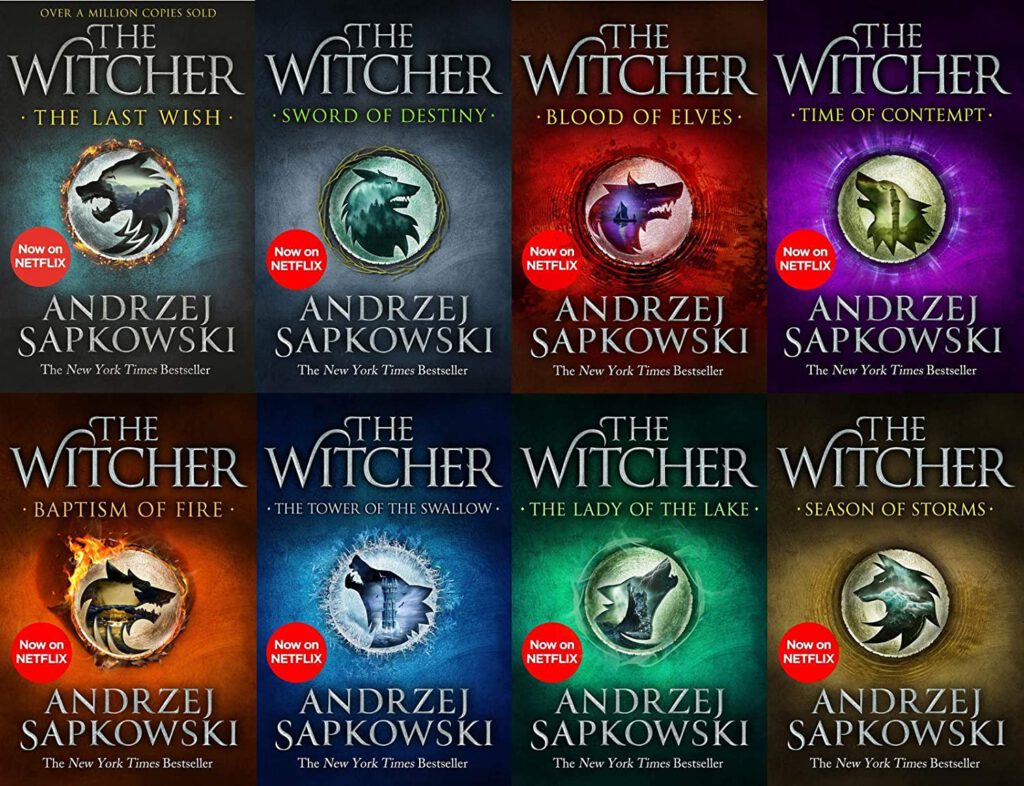
The Netflix series, launched in 2019, further amplified the brand’s reach, introducing The Witcher to an unprecedented mainstream audience. Starring Henry Cavill as Geralt, the series drew heavily from the short stories of “The Last Wish” and “Sword of Destiny” for its initial seasons. This choice underscored the enduring narrative power of the foundational texts, proving that the original brand stories held immense appeal even decades after their initial publication. The show served as another powerful entry point for new fans, many of whom then sought out the books and games, demonstrating the synergistic effect of a well-managed transmedia brand. Each new medium reinforced and revitalized the core brand, driving engagement and expanding the total addressable market.
The Enduring Power of a Well-Defined Origin Story
“The Last Wish,” as the first book, provided not just a starting point but a lodestone for the entire Witcher brand. It created a universe so rich and characters so compelling that they could transcend their original medium and thrive across different forms of entertainment.
Brand Consistency Across Diverse Platforms
The ability to maintain a consistent brand identity across books, games, and television is a monumental challenge. Yet, The Witcher largely succeeds because its foundational elements, established in “The Last Wish,” are so robust. The themes of destiny, choice, prejudice, and the eternal struggle between good and evil, filtered through Geralt’s cynical yet honorable perspective, remain constant. This consistency is vital for building trust and recognition with consumers, ensuring that no matter how they encounter The Witcher, they recognize its distinct essence. For brands seeking longevity, an immutable core message, rooted in their origin story, is indispensable.
Engaging a Multi-Generational Fandom
The Witcher brand now spans multiple generations of fans – those who grew up with the Polish books, those who discovered it through the games, and a new cohort introduced via Netflix. “The Last Wish” acts as a unifying touchstone, an original text that allows fans to delve into the very beginnings of the saga. This shared origin story fosters a sense of community and deeper engagement, as fans can discuss the evolution of characters and themes from their earliest appearances to their latest iterations. Building a brand that encourages such deep, longitudinal engagement is the ultimate goal for any IP owner.
Lessons for Brand Architects: The Witcher’s Blueprint
The journey of The Witcher from “The Last Wish” to a global phenomenon offers crucial lessons for brand architects across industries.
The Value of a Strong Narrative Foundation
The Witcher’s success begins with its exceptional storytelling. “The Last Wish” demonstrates that a captivating narrative, rich characters, and profound themes are the ultimate brand assets. Before considering platforms or marketing channels, invest in creating a compelling story or value proposition that resonates deeply with your audience. This emotional connection is the bedrock of enduring brand loyalty.
Adaptability vs. Fidelity in Brand Extension
The Witcher’s transmedia success highlights the delicate balance between adapting to new mediums and remaining faithful to the original brand essence. CD Projekt Red and Netflix both took creative liberties, but always within the bounds of what made The Witcher The Witcher. For brand managers, this means understanding the non-negotiable elements of your brand identity and differentiating them from flexible attributes that can be tailored for new markets or platforms.
Cultivating Community and Loyalty
The Witcher fandom is passionate and vocal. This community engagement is a direct result of the deeply immersive world and characters established early on. Brands thrive when they create spaces and opportunities for their audience to connect with the brand and with each other. By nurturing this community, The Witcher has created a self-sustaining ecosystem of advocacy and enthusiasm.

Conclusion: The Witcher’s Brand Legacy
“The Last Wish” stands not just as the first book in The Witcher series but as the foundational text of a modern branding triumph. It illustrates how a powerful origin story, replete with compelling characters and profound themes, can evolve into a global transmedia brand that transcends its initial form. For businesses and creators aiming to build an impactful and lasting brand legacy, The Witcher’s journey from a collection of short stories to a cultural powerhouse provides a compelling blueprint: start with an exceptional narrative, understand your core identity, and strategically adapt it across diverse, engaging platforms while fostering a passionate community. The first step, however, is always to craft a story so good, it demands to be told again and again.
aViewFromTheCave is a participant in the Amazon Services LLC Associates Program, an affiliate advertising program designed to provide a means for sites to earn advertising fees by advertising and linking to Amazon.com. Amazon, the Amazon logo, AmazonSupply, and the AmazonSupply logo are trademarks of Amazon.com, Inc. or its affiliates. As an Amazon Associate we earn affiliate commissions from qualifying purchases.