
In the rapid-fire world of texting, where brevity often reigns supreme and nonverbal cues are absent, understanding the subtle art of “wit” can be a game-changer. More than just a quick joke, wit in texting is about delivering clever, insightful, and often humorous observations that engage the recipient, build rapport, and enhance the overall communication experience. For those navigating the digital landscape, whether for personal connection, brand building, or even professional communication, mastering this form of digital wit is an increasingly valuable skill.
This exploration delves into the multifaceted meaning of wit in texting, examining its impact across various digital interactions. We’ll uncover how this nuanced form of humor can foster stronger personal connections, elevate brand messaging, and even subtly influence professional exchanges, all within the framework of technology, branding, and personal finance.
The Essence of Digital Wit: Beyond a Punchline
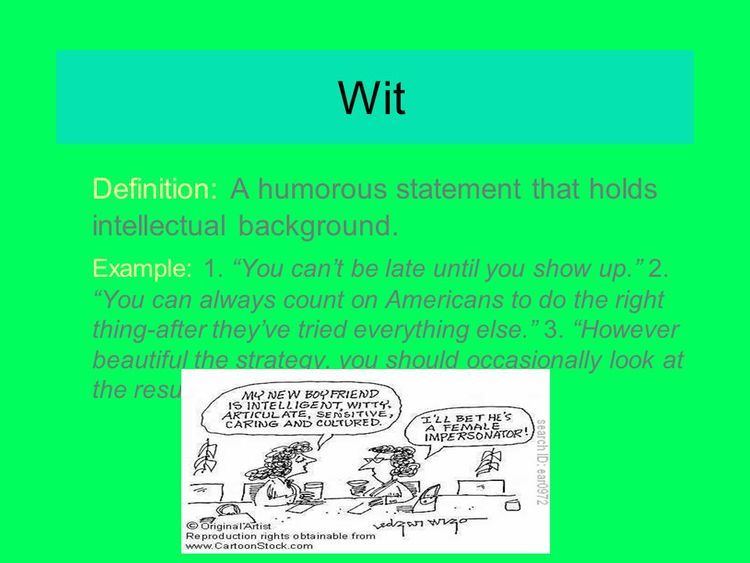
At its core, wit in texting is about a clever turn of phrase, an unexpected observation, or a playful twist on words that elicits a smile, a chuckle, or a moment of thoughtful amusement. It’s not about forced humor or elaborate setups; rather, it’s about an intelligent and concise delivery that demonstrates a quick mind and an understanding of the context.
Crafting Cleverness: The Mechanics of Texting Wit
The building blocks of texting wit are multifaceted and often rely on a deep understanding of language, social cues, and the digital medium itself. Here are some key elements that contribute to its effectiveness:
- Conciseness and Brevity: Texting demands efficiency. Wit in this space thrives on being short, sharp, and to the point. A well-placed emoji, a clever abbreviation, or a pithy statement can pack a punch far greater than a lengthy explanation. Think of it as a micro-dose of humor.
- Observational Humor: Wit often stems from keen observation of everyday life, common situations, or shared experiences. In texting, this translates to pointing out the amusing absurdities of a situation, the relatable struggles of modern life, or the quirks of human behavior. It’s about saying, “I see what you did there, and it’s funny.”
- Wordplay and Puns: A classic form of wit, wordplay and puns can be highly effective in texting when done right. The key is to ensure they are relevant to the conversation and not overly forced. A well-timed pun can lighten the mood and showcase linguistic agility.
- Irony and Sarcasm (with caution): Irony and sarcasm, when deployed skillfully, can be powerful tools for wit. However, these can be notoriously difficult to convey in text, as tone is easily misinterpreted. The success of ironic or sarcastic wit often depends on established rapport and the use of subtle indicators like exaggerated phrasing or specific emojis.
- Self-Deprecating Humor: A touch of self-deprecation can make someone appear more approachable and relatable. Wit here involves playfully acknowledging one’s own minor flaws or shortcomings in a lighthearted manner, often to diffuse tension or create a sense of shared humanity.
- Unexpected Juxtapositions: Placing seemingly unrelated ideas or concepts side-by-side can create surprising and humorous connections. This is about a cognitive leap that delights the recipient with its originality.
- Leveraging Emojis and Digital Vernacular: Modern texting wit is intrinsically linked to the language of digital communication. Emojis, GIFs, and even internet slang can be integral to conveying wit, adding layers of meaning, tone, and visual humor that wouldn’t be possible with words alone. A carefully chosen emoji can be the punchline itself.
The Impact of Wit: More Than Just a Laugh
The significance of wit in texting extends far beyond eliciting a simple chuckle. It plays a crucial role in shaping perceptions, building relationships, and enhancing communication outcomes across different domains.
The Role of Wit in Personal Connections: Fostering Rapport and Intimacy
In our personal lives, texting is a primary mode of communication, a lifeline that keeps us connected to friends, family, and romantic partners. Here, wit acts as a social lubricant, strengthening bonds and deepening intimacy.
Building Bonds Through Banter: The Personal Dimension
- Strengthening Friendships: Engaging in witty banter with friends is a hallmark of close relationships. It signifies a shared understanding, a comfortable familiarity, and a mutual appreciation for each other’s sense of humor. Witty exchanges can turn mundane conversations into enjoyable interactions, reinforcing the bond between individuals.
- Enhancing Romantic Relationships: For couples, witty texting can inject playfulness and excitement into their dynamic. It’s a way to flirt, to tease affectionately, and to remind each other of the spark that brought them together. Clever compliments, shared inside jokes, and playful challenges can keep the romance alive, even when apart.
- Navigating Social Dynamics: Even in casual friendships, witty communication can help navigate social dynamics. It allows for lighthearted teasing, the sharing of relatable observations about social situations, and the creation of a more engaging and memorable interaction.
Wit as a Signal of Intelligence and Personality
Beyond strengthening existing bonds, wit in texting can also serve as an initial filter for new connections. When someone responds with cleverness, it can signal a certain level of intelligence, creativity, and a vibrant personality. This can be particularly relevant in the early stages of dating or forming new friendships, where first impressions are paramount.
Wit in the Digital Marketplace: Elevating Brands and Engaging Audiences
The principles of wit are not confined to personal interactions; they are increasingly vital in the realm of branding and marketing. Brands that can effectively inject wit into their digital communications stand out from the noise and forge a more genuine connection with their audience.
Crafting a Witty Brand Voice: Connecting with Consumers
- Brand Personality and Relatability: In a crowded marketplace, brands strive to develop a distinct personality that resonates with their target audience. Wit can be a powerful tool in shaping this personality, making a brand appear more human, approachable, and relatable. A brand that can make its audience laugh or smile is more likely to be remembered and favored.
- Standing Out in a Crowded Feed: Social media and digital advertising are saturated with content. Witty messaging cuts through the clutter, capturing attention and encouraging engagement. Think of clever social media posts, humorous ad campaigns, or witty responses to customer inquiries. This type of content is more likely to be shared and discussed.
- Building Brand Loyalty: When a brand consistently communicates with wit and intelligence, it fosters a sense of loyalty among its audience. Consumers feel a connection to brands that understand them, can make them laugh, and don’t take themselves too seriously. This can translate into repeat business and positive word-of-mouth.
- Navigating Difficult Conversations: Even in more serious brand communications, a touch of wit can sometimes be used judiciously to soften the message or diffuse potential tension. This requires a very delicate hand and a deep understanding of the brand’s image and audience.
The “Tech” Angle: Witty Innovations in Digital Marketing
The tech industry, in particular, often embraces wit as part of its brand identity. From the early days of Silicon Valley to today’s AI-driven landscape, clever and humorous communication has been a hallmark of many innovative companies.
- AI and Algorithmic Wit: As AI tools become more sophisticated, they are beginning to be trained on patterns of human wit. This opens up possibilities for AI-generated witty content in marketing, customer service chatbots, and even personalized content creation. The challenge lies in ensuring this wit is authentic and not simply a sterile imitation.
- App and Software Branding: Many apps and software companies use witty descriptions, in-app messages, and onboarding experiences to engage users. This can make the user journey more enjoyable and memorable, encouraging adoption and continued use.
- Gadget Reviews and Tech Content: Tech reviewers and content creators often employ wit to make complex technical information more accessible and entertaining. This blend of expertise and humor is key to building a following and establishing credibility in the tech space.
Wit in the Professional Sphere: Subtle Influence and Enhanced Communication
While the overt display of humor might seem out of place in formal business settings, wit can still play a subtle yet significant role in professional communication, particularly in digital formats.
Professional Wit: Navigating the Fine Line
- Building Rapport with Colleagues: In internal communications, like team chats or email threads, a well-placed witty comment can break the ice, foster camaraderie, and create a more positive work environment. It shows personality and can make colleagues more approachable.
- Client Interactions (with discretion): When interacting with clients, especially in industries that value creativity or innovation, a touch of wit can be used judiciously to build rapport and make the communication more engaging. However, this requires a strong understanding of the client’s personality and the professional context. The key is to be clever, not unprofessional.
- Presentations and pitches: Incorporating witty anecdotes or observations in presentations can make them more memorable and impactful. It demonstrates confidence, intelligence, and the ability to connect with an audience on a human level.
- Personal Branding in the Workplace: For individuals looking to enhance their personal brand, incorporating a degree of wit in their professional digital communications can make them stand out. It signals intelligence, adaptability, and a positive attitude, traits that are highly valued in today’s job market. This can be evident in their LinkedIn posts, professional blog entries, or even internal company forums.
The Financial Angle: Wit in Money Matters
Even in the often serious realm of personal finance and investing, wit can find its place.
- Financial Bloggers and Content Creators: Many finance bloggers and YouTubers use wit and humor to demystify complex financial topics, making them more accessible and less intimidating for their audience. This can be a powerful tool for building a following and establishing trust.
- Side Hustles and Online Income: When discussing side hustles or online income streams, a witty and engaging tone can make the content more appealing and shareable, attracting more potential entrepreneurs.
- Financial Tool Reviews: Even reviews of financial tools can benefit from a touch of wit, making the often dry subject of software and services more interesting to read.

Conclusion: Mastering the Art of Digital Wit
In the interconnected world of texting, wit is not merely an optional flourish; it’s a vital element of effective and engaging communication. From fostering deeper personal connections to elevating brand perception and subtly influencing professional interactions, the ability to craft and understand digital wit is a powerful asset.
As technology continues to evolve, so too will the ways we express and interpret wit. The interplay of words, emojis, and digital vernacular will continue to shape this nuanced art form. By understanding its core principles and adapting them to different contexts, we can all become more adept at wielding the power of wit, enriching our digital lives one clever message at a time. Whether you’re aiming to build a stronger personal brand, connect more deeply with loved ones, or simply make your everyday digital conversations more enjoyable, embracing the art of texting wit is a worthy endeavor.
aViewFromTheCave is a participant in the Amazon Services LLC Associates Program, an affiliate advertising program designed to provide a means for sites to earn advertising fees by advertising and linking to Amazon.com. Amazon, the Amazon logo, AmazonSupply, and the AmazonSupply logo are trademarks of Amazon.com, Inc. or its affiliates. As an Amazon Associate we earn affiliate commissions from qualifying purchases.