
The Lexical Evolution: From MDMA to Ecstasy to “Molly”
The substance known colloquially as “Molly” represents a fascinating case study in brand evolution, differentiation, and consumer perception within an illicit market. Chemically, “Molly” is intended to refer to 3,4-methylenedioxymethamphetamine (MDMA), a synthetic drug that alters mood and perception. However, the journey from its scientific designation to its street names, particularly “Molly,” is less about chemistry and more about the dynamic interplay of market forces, user expectations, and the continuous rebranding efforts that shape product identity even in unregulated spaces.
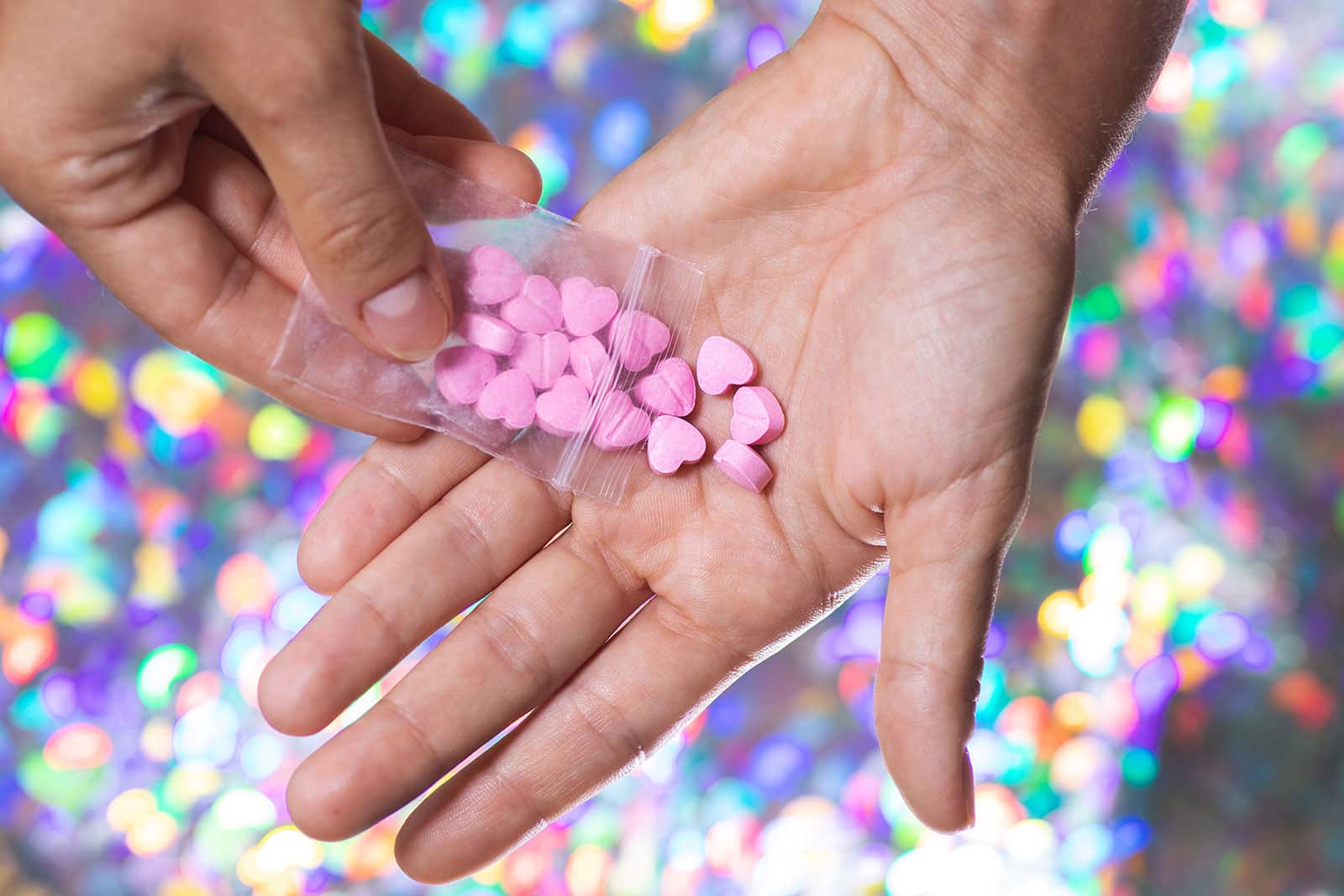
Originally synthesized in 1912 by Merck, MDMA remained largely obscure until the 1970s when it was briefly explored as a tool in psychotherapy due to its empathogenic properties. By the 1980s, it had gained traction as a recreational drug, predominantly marketed and consumed in pill form under the “brand” name “Ecstasy.” This initial brand often carried connotations of euphoria, social bonding, and enhanced sensory perception, particularly within burgeoning club and rave cultures. The “Ecstasy” brand, however, became diluted over time, largely due to the widespread adulteration of pills with other, often harmful, substances like caffeine, methamphetamine, or synthetic cathinones. This inconsistency in product quality severely eroded brand trust, leading to negative user experiences and a tarnished reputation.
Chemical Reality vs. Market Identity
The fundamental challenge for any substance in an unregulated market is the disconnect between its perceived identity and its actual chemical composition. While MDMA is a specific compound, its street names—”Ecstasy” and “Molly”—are market identities, not chemical guarantees. “Ecstasy” pills, often identifiable by logos or colors, quickly became synonymous with unpredictability and impurity. This eroded the market’s confidence in the product’s consistency, creating an opportunity for a new brand narrative.
Subcultural Adoption and Semantic Shift
The emergence of “Molly” marked a deliberate, or at least highly effective, semantic shift designed to reclaim a sense of purity and reliability. The name itself is often presented as a shortened form of “molecular,” implying a pure, unadulterated form of MDMA, typically sold as a crystal or powder rather than a pressed pill. This shift was a direct response to the brand damage incurred by “Ecstasy.” Within subcultures, the adoption of “Molly” was rapid, driven by a desire for a more predictable and “safer” experience, or at least one perceived as such. This rebranding was not top-down; rather, it was an organic, word-of-mouth phenomenon fueled by user demand for clarity and quality control in a market inherently devoid of official oversight. The new name carried the promise of a return to the “original” MDMA experience, untainted by unknown fillers.
Branding Purity: The “Molly” Promise
The core of the “Molly” brand strategy, intentional or otherwise, revolves around the promise of purity. This promise differentiates it sharply from its predecessor, “Ecstasy,” which suffered from a pervasive image of impurity and unknown additives. In an unregulated market where consumer trust is fleeting and quality control is non-existent, the appeal of a “pure” product is immensely powerful.
User Perception and Expectation Setting
The name “Molly” itself serves as a powerful psychological cue, setting distinct expectations among users. The term “molecular” purity suggests a clean, unadulterated experience, free from the often adverse side effects associated with cut or contaminated substances. This perception is crucial; users often report choosing “Molly” precisely because they believe it offers a more predictable, controlled, and ultimately “safer” high compared to the more ambiguous “Ecstasy.” This psychological framing is a classic branding tactic: creating a distinct value proposition and managing consumer expectations through nomenclature.
The emphasis on purity also taps into a broader trend of health-consciousness, even within illicit drug use. For many users, the perceived purity of “Molly” aligns with a desire to minimize harm and exert a degree of control over what they put into their bodies. This perception, while often inaccurate due to the continued presence of adulterants in street drugs sold as “Molly,” is a testament to the brand’s effectiveness in shaping consumer attitudes.
The Marketing of a “Clean” Experience
While there is no formal marketing department for “Molly,” the brand is actively “marketed” through several informal channels. Word-of-mouth is paramount, with personal testimonials and anecdotal experiences reinforcing the narrative of purity and a “cleaner” high. Online forums, social media, and direct peer-to-peer interactions become the primary advertising platforms. The visual presentation—often a white crystalline powder or capsule—also reinforces the “clean” aesthetic, contrasting with the colorful, branded pills of the “Ecstasy” era. This minimalist presentation inadvertently communicates transparency and a focus on the substance itself, rather than external branding gimmicks.
Dealers, in their role as informal marketers, actively promote “Molly” as the superior, unadulterated form of MDMA, using this claim to justify higher prices and foster loyalty. This micro-level marketing creates a pervasive belief system around the brand, even when independent testing frequently reveals that substances sold as “Molly” are often impure or do not contain MDMA at all.
Brand Differentiation in an Unregulated Market
In any competitive landscape, differentiation is key to market success. For “Molly,” the primary differentiators are its perceived purity and its form factor. These elements collectively construct a distinct brand identity that appeals to a specific segment of the illicit drug market.
Visual and Verbal Cues in Illicit Marketing
The transition from “Ecstasy” pills to “Molly” powder or crystals involved a significant shift in visual branding. “Ecstasy” pills often bore embossed logos—like Mitsubishi, Superman, or dolphins—which acted as informal brand identifiers. While these provided some level of consistency for specific batches, they also became associated with adulteration. “Molly,” by contrast, relies on a simpler, more “natural” visual cue: a crystalline or powdery appearance, often presented in clear capsules or small baggies. This stark, unadorned presentation subtly communicates authenticity and a lack of artificial additives, aligning with its “pure” brand promise.
Verbally, the distinction is consistently reinforced. Terms like “pure MDMA,” “clean,” and “uncut” are frequently used by informal distributors and users to describe “Molly,” contrasting it with the perceived “dirtiness” or “mixture” of “Ecstasy.” This verbal framing is critical in shaping the brand narrative and guiding consumer choice. It’s a testament to how even without formal advertising budgets, compelling narratives can emerge and capture market share through consistent messaging.
The Role of Word-of-Mouth in Brand Building
In the absence of conventional marketing channels, word-of-mouth becomes the ultimate arbiter of brand success for “Molly.” User testimonials, both positive and negative, propagate rapidly through social networks, significantly influencing perceptions and adoption rates. A positive experience reinforces the “purity” narrative, building trust and encouraging repeat “purchases.” Conversely, reports of adverse effects due to mislabeled or adulterated “Molly” can quickly damage the brand’s reputation, mirroring how product recalls or negative reviews impact legitimate brands.
This reliance on personal endorsement makes the “Molly” brand highly vulnerable to inconsistency in product quality, yet it also highlights the power of social proof. The collective experience of the user base effectively acts as the brand’s primary marketing and quality assurance mechanism, albeit an imperfect one. The brand’s resilience in the face of ongoing adulteration speaks to the strength of its initial pure-MDMA association and the deeply ingrained desire for authentic experiences.
Brand Reputation and Public Image Challenges
Even with a strong internal brand narrative centered on purity, “Molly” faces significant external challenges to its public image and reputation, particularly from mainstream media and public health perspectives. These external perceptions often conflict with the internal user-generated branding, creating a complex and often negative public identity.
Media Portrayal and Stigma
Mainstream media outlets frequently portray “Molly” in a sensationalized light, often linking it to tragic incidents, overdoses, and severe health consequences. This portrayal largely ignores the nuances of dosage, individual physiology, and the presence of adulterants, instead painting “Molly” with a broad brush of danger. This narrative contributes to a significant public stigma, framing “Molly” not as a potentially pure substance, but as a perilous, illicit drug with devastating consequences.
From a branding perspective, this creates a formidable obstacle. While the internal branding focuses on purity and a controlled experience, the external branding enforced by media and public health campaigns focuses on risk and illegality. This dichotomy means that while “Molly” may be considered a “premium” product within certain subcultures, it carries a heavily tarnished reputation in the broader societal context, severely limiting its perceived value and increasing its negative associations for those outside the immediate user base.
The Impact of Negative Incidents on “Brand Trust”
Specific high-profile incidents, such as festival-related deaths attributed to “Molly,” have a profound impact on the brand’s trust and image. Each such event chips away at the carefully constructed narrative of “purity” and “safety,” reinforcing the mainstream media’s portrayal of the drug as inherently dangerous. These incidents serve as critical “brand crises,” akin to product recalls or major scandals in legitimate industries. They force users and potential users to re-evaluate their perceptions, sometimes leading to a decline in popularity or a renewed search for alternative “brands” or substances.
Despite the inherent difficulty in tracing specific substances in an unregulated market, the negative publicity surrounding “Molly” often leads to increased scrutiny, law enforcement action, and a general erosion of public acceptance. This continuous struggle to maintain a positive brand image in the face of both product inconsistency and pervasive negative media attention highlights the unique challenges of branding an illicit substance. The “Molly” brand, therefore, exists in a constant state of flux, battling between its internal promise of purity and its external reality of risk and societal condemnation.
The “Brand Experience”: Beyond the Chemical Compound
Ultimately, the “Molly” brand is not solely defined by its chemical composition or its marketing narrative, but by the holistic “experience” it purports to offer. This experience encompasses the setting, rituals, community engagement, and the emotional and psychological outcomes desired by its users. Understanding the “Molly” brand requires delving into these experiential dimensions, which are as critical to its identity as any claims of purity.
Setting, Ritual, and Community as Brand Enhancers
The consumption of “Molly” is often deeply intertwined with specific social settings, particularly music festivals, raves, and private parties. These environments are not merely backdrops; they are integral components of the “brand experience.” The lights, music, dancing, and collective energy amplify the drug’s effects, creating a shared, immersive experience that becomes synonymous with the “Molly” brand. Users often associate “Molly” with feelings of empathy, openness, and connection to others, which are intensified by these communal settings.
Rituals surrounding consumption, such as sharing capsules or crystals among friends, discussing intended experiences, and preparing for the “come-up,” further solidify the brand identity. These rituals foster a sense of belonging and shared understanding within a community of users, making the “Molly” experience feel distinct and special. In this sense, “Molly” is not just a substance; it’s a key that unlocks a particular social and emotional landscape, much like how specific brands of beverages or clothing become badges of belonging within certain subcultures.
User Loyalty and Repeat “Purchases”
Despite the inherent risks and inconsistencies in product quality, “Molly” has cultivated a degree of user loyalty. This loyalty is not solely based on the pharmacological effects of MDMA but also on the overall “brand experience” it delivers. For many, the positive memories and emotional connections forged during a “Molly” experience contribute to repeated “purchases” and a preference for this particular “brand” over other illicit substances. This mirrors consumer behavior in legitimate markets, where emotional attachment and positive experiences often drive repeat business more than purely rational considerations.
However, this loyalty is fragile. As with any brand, a significant deviation from the promised experience—such as severe negative side effects due to adulteration—can quickly erode trust and lead users to seek out alternatives. The ongoing struggle for the “Molly” brand is to maintain its perceived promise of a unique, empathetic, and connecting experience, despite the formidable challenges of operating in an unregulated market where quality control is an illusion and public perception remains largely negative. The brand’s continued existence and evolution underscore the enduring human desire for enhanced experiences and the powerful role of branding, even in the most unconventional of markets.
aViewFromTheCave is a participant in the Amazon Services LLC Associates Program, an affiliate advertising program designed to provide a means for sites to earn advertising fees by advertising and linking to Amazon.com. Amazon, the Amazon logo, AmazonSupply, and the AmazonSupply logo are trademarks of Amazon.com, Inc. or its affiliates. As an Amazon Associate we earn affiliate commissions from qualifying purchases.