
The Billion-Dollar Investment: Genesis and R&D Costs
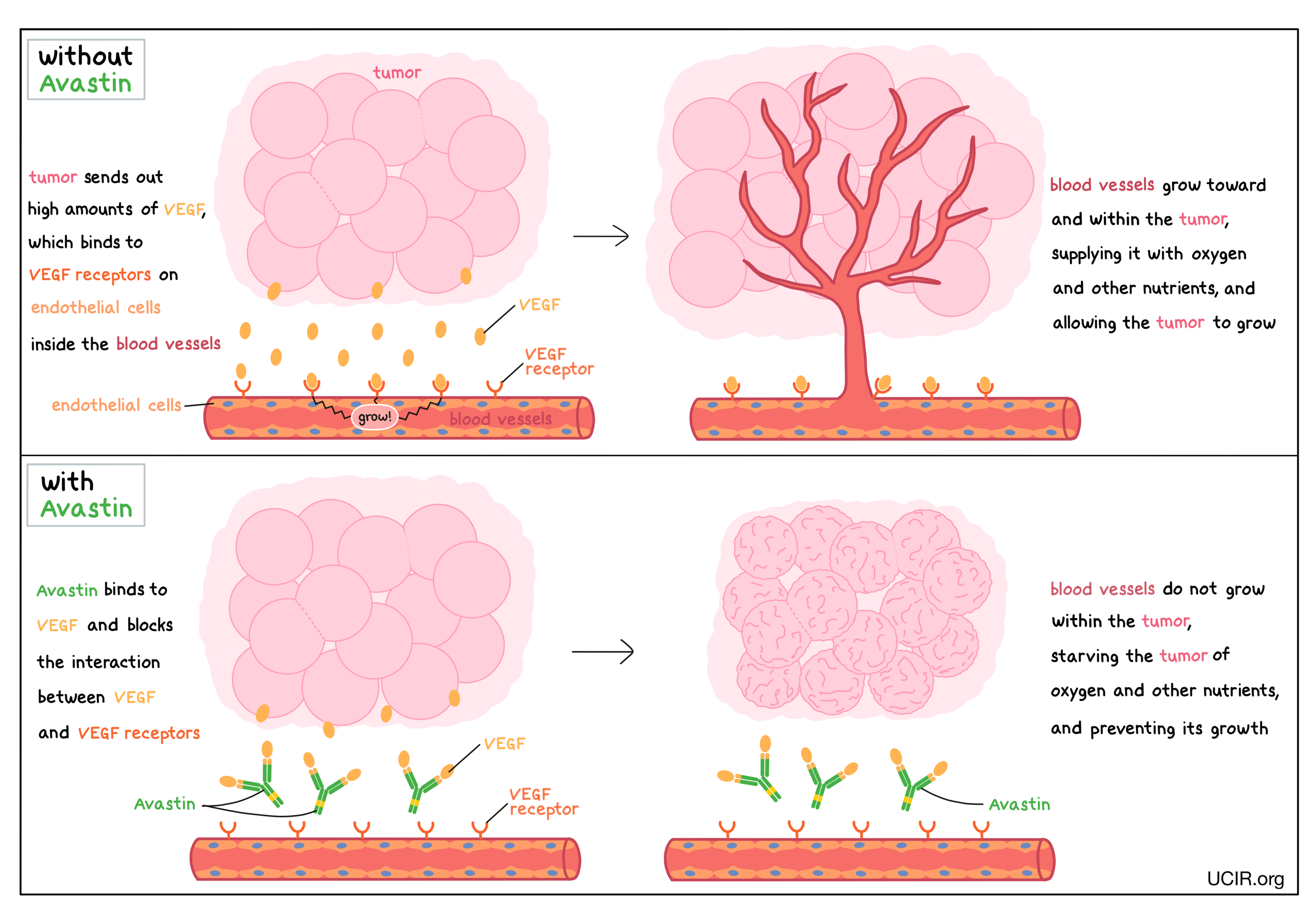
The journey of any groundbreaking pharmaceutical, including Avastin (bevacizumab), is fundamentally a story of immense financial investment, strategic risk, and the pursuit of a valuable market. Avastin, a humanized monoclonal antibody designed to inhibit angiogenesis (the formation of new blood vessels), emerged from decades of research into cancer biology and the role of vascular endothelial growth factor (VEGF). The initial discovery, preclinical development, and subsequent progression through multiple phases of clinical trials represent a colossal financial outlay, often spanning more than a decade.
The Cost of Innovation in Biotechnology
Developing a novel biologic like Avastin is exponentially more expensive than creating a small-molecule drug. The complexities of biopharmaceutical manufacturing, the intricate design of large-molecule therapeutics, and the extended regulatory pathways all contribute to the escalated costs. For a drug like Avastin, which targeted a novel mechanism in cancer therapy, the upfront investment by its developer, Genentech (now a member of the Roche Group), would have run into hundreds of millions, if not billions, of dollars. This figure encompasses not just laboratory research but also the specialized personnel, advanced facilities, and proprietary technologies required to bring such an innovative compound from concept to viable candidate. These early-stage investments are pure risk capital, with no guarantee of success, underscoring the high-stakes nature of pharmaceutical R&D.
Funding the Clinical Trials
The most significant financial burden in drug development often lies within the clinical trial phases. For Avastin, demonstrating efficacy and safety across various cancer types (including colorectal, lung, brain, kidney, and ovarian cancers) required numerous large-scale, multinational clinical trials. Each trial involves recruiting thousands of patients, establishing extensive monitoring protocols, managing vast amounts of data, and ensuring strict regulatory compliance. The costs associated with investigator fees, patient recruitment, drug supply, data analysis, and regulatory submissions for even a single Phase III trial can easily exceed tens of millions of dollars. When scaled across multiple indications and phases, the aggregate cost becomes astronomical. This enormous expenditure is a critical aspect of business finance for pharmaceutical companies, as it dictates the required return on investment post-market approval.
Avastin’s Market Dominance and Revenue Streams
Following its initial FDA approval in 2004 for metastatic colorectal cancer, Avastin rapidly ascended to become one of the best-selling cancer drugs globally. Its novel mechanism of action and efficacy across multiple solid tumors carved out a significant market share, generating substantial revenue for Roche/Genentech. This commercial success transformed Avastin into a cornerstone of the company’s oncology portfolio and a prime example of a blockbuster drug.
A Blockbuster’s Financial Footprint
At its peak, Avastin contributed billions of dollars annually to Roche’s top line, often ranking among the top five highest-grossing drugs worldwide. This level of revenue generation directly impacts a pharmaceutical company’s financial health, influencing stock performance, R&D budgets for future pipeline drugs, and overall market valuation. The sustained revenue stream from Avastin allowed for further investment in oncology research, fueling the development of subsequent generations of cancer therapies. Its financial performance served as a compelling case study for investors eyeing the biotechnology sector, highlighting the immense financial rewards possible from successful innovation in life sciences. The drug’s patent protection was a crucial financial asset, granting exclusivity and enabling premium pricing for an extended period, thus maximizing its revenue potential before generic competition emerged.
Pricing Strategies and Healthcare Economics
The pricing of specialty biologics like Avastin is a complex interplay of R&D costs, perceived value, market dynamics, and healthcare system capacity. Avastin entered the market with a high price tag, commensurate with its innovative nature, development costs, and the life-saving potential it offered to patients with severe diseases. While justifiable from a manufacturer’s perspective given the investment and risks, such pricing also sparked extensive debate within healthcare economics about affordability, access, and the sustainability of healthcare systems. Pharmaceutical companies often employ nuanced pricing strategies, considering different markets, reimbursement policies, and the competitive landscape. For Avastin, its effectiveness in multiple indications allowed for broader market penetration, but its cost became a significant factor in formulary decisions by insurers and healthcare providers globally, influencing budgets for both national health services and private insurance plans.
Economic Impact on Patients and Healthcare Systems
The financial narrative of Avastin extends far beyond corporate balance sheets, deeply impacting patients and the broader healthcare economy. As a high-cost therapeutic, its availability and affordability become central concerns for individuals facing life-threatening illnesses and for the systems tasked with providing care.
The Burden of High-Cost Therapeutics
For patients, a diagnosis requiring a drug like Avastin often comes with the added stress of financial toxicity. Even with robust health insurance, co-pays, deductibles, and out-of-pocket maximums for expensive specialty drugs can amount to tens of thousands of dollars annually. For those with inadequate coverage or in regions with less developed healthcare infrastructures, the cost can be prohibitive, potentially leading to delayed treatment, non-adherence, or foregoing treatment altogether. This creates a significant personal finance challenge for affected families, often requiring them to exhaust savings, incur debt, or rely on charitable assistance programs. The economic burden imposed by such treatments is a critical factor in understanding the overall societal cost of disease.
Insurance, Access, and Out-of-Pocket Expenses
Insurance companies and government healthcare programs face immense pressure to manage the costs of high-priced drugs like Avastin while ensuring patient access. These entities engage in intricate negotiations with pharmaceutical manufacturers, often leading to rebates, preferred drug lists, and utilization management strategies (e.g., prior authorization, step therapy) to control expenditures. The financial tools and models employed by insurers aim to balance cost-effectiveness with patient outcomes. However, the equilibrium is delicate; overly restrictive policies can hinder access, while overly permissive ones can strain budgets. The widespread use of Avastin across multiple cancer types amplified these financial considerations, making it a prominent example in discussions about pharmaceutical pricing, drug formularies, and the economic sustainability of modern healthcare. The continuous upward trend in drug spending, significantly driven by biologics, underscores the need for robust financial planning and policy interventions at systemic levels.
Post-Patent Landscape: Generics and Biosimilars
The financial lifecycle of a blockbuster drug typically reaches a pivotal inflection point with the expiry of its primary patents. For Avastin, this meant the eventual introduction of biosimilars – highly similar versions of the original biologic drug, offering a crucial pathway to reduce healthcare costs and increase patient access.
The Race to Biosimilarity and Market Erosion
Once Avastin’s key patents began to expire, pharmaceutical companies globally initiated efforts to develop and market biosimilar versions. The development and approval process for biosimilars is rigorous, requiring extensive clinical data to demonstrate similarity to the reference product in terms of quality, safety, and efficacy. However, once approved, biosimilars introduce significant price competition, typically entering the market at a substantial discount to the originator product. This erosion of market share and average selling price (ASP) drastically impacts the financial performance of the originator drug. For Avastin, the introduction of biosimilars in key markets led to a predictable decline in sales and revenue for Roche, shifting the competitive landscape and compelling the company to focus on its newer pipeline assets. This competition is a healthy mechanism for healthcare systems, as it can free up financial resources that can then be redirected to other patient needs or innovative therapies.
Shifting Investment Landscapes
The advent of biosimilars also alters the investment calculus for pharmaceutical companies. While the initial investment in a novel biologic is huge, the potential for long-term, high-margin revenue under patent protection justifies the risk. However, with biosimilar competition on the horizon, companies must strategically manage their portfolio, investing in new R&D while maximizing the value of existing products before patent expiry. For investors, the pipeline of a pharmaceutical company, particularly its early-stage innovation and patent portfolio, becomes even more critical in evaluating long-term financial viability and growth prospects. The Avastin story serves as a stark reminder of the finite nature of even the most successful drug franchises and the continuous need for innovation to sustain financial performance in the highly competitive pharmaceutical industry.
Avastin as a Case Study in Pharmaceutical Finance
Ultimately, “what is the drug Avastin” from a financial perspective is a narrative of substantial investment, market dominance, and the inevitable shift to a post-patent competitive environment. It epitomizes the high-risk, high-reward nature of pharmaceutical innovation and its profound economic ramifications.

Valuing Intellectual Property and Future Pipelines
Avastin’s journey underscores the immense value of intellectual property in the pharmaceutical sector. Patents are not just legal documents; they are financial assets that protect revenue streams for decades. The robust sales generated by Avastin under patent protection allowed Roche to fund further research, acquire smaller biotech firms, and develop new treatments, thus perpetuating their financial growth cycle. For investors, understanding a company’s patent landscape and its R&D pipeline is crucial for assessing future earnings potential. The lifecycle of a drug like Avastin—from discovery to blockbuster status and eventual biosimilar competition—is a microcosm of the pharmaceutical industry’s financial model, demonstrating how innovation, market strategy, and intellectual property combine to create immense economic value, both for corporations and in terms of improved health outcomes globally.
aViewFromTheCave is a participant in the Amazon Services LLC Associates Program, an affiliate advertising program designed to provide a means for sites to earn advertising fees by advertising and linking to Amazon.com. Amazon, the Amazon logo, AmazonSupply, and the AmazonSupply logo are trademarks of Amazon.com, Inc. or its affiliates. As an Amazon Associate we earn affiliate commissions from qualifying purchases.