
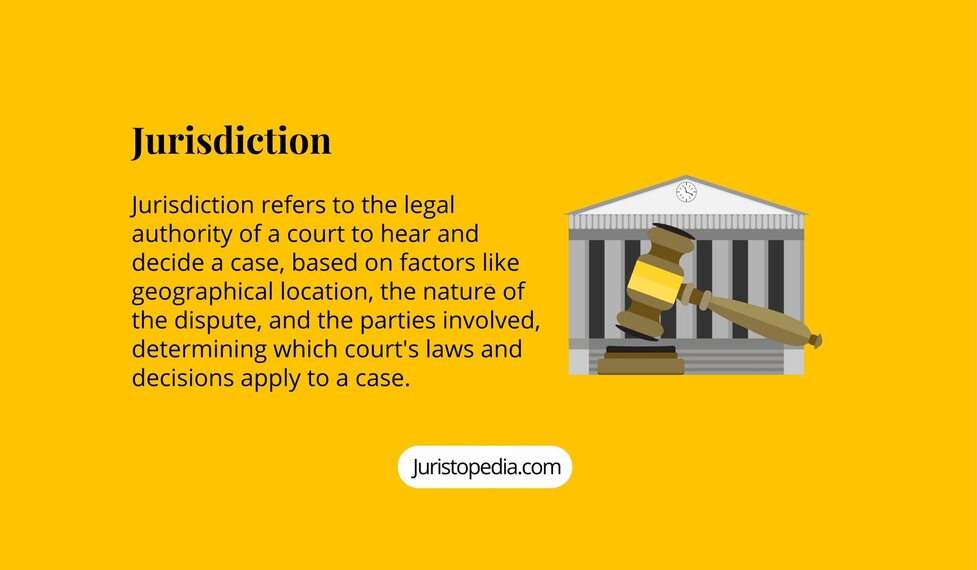
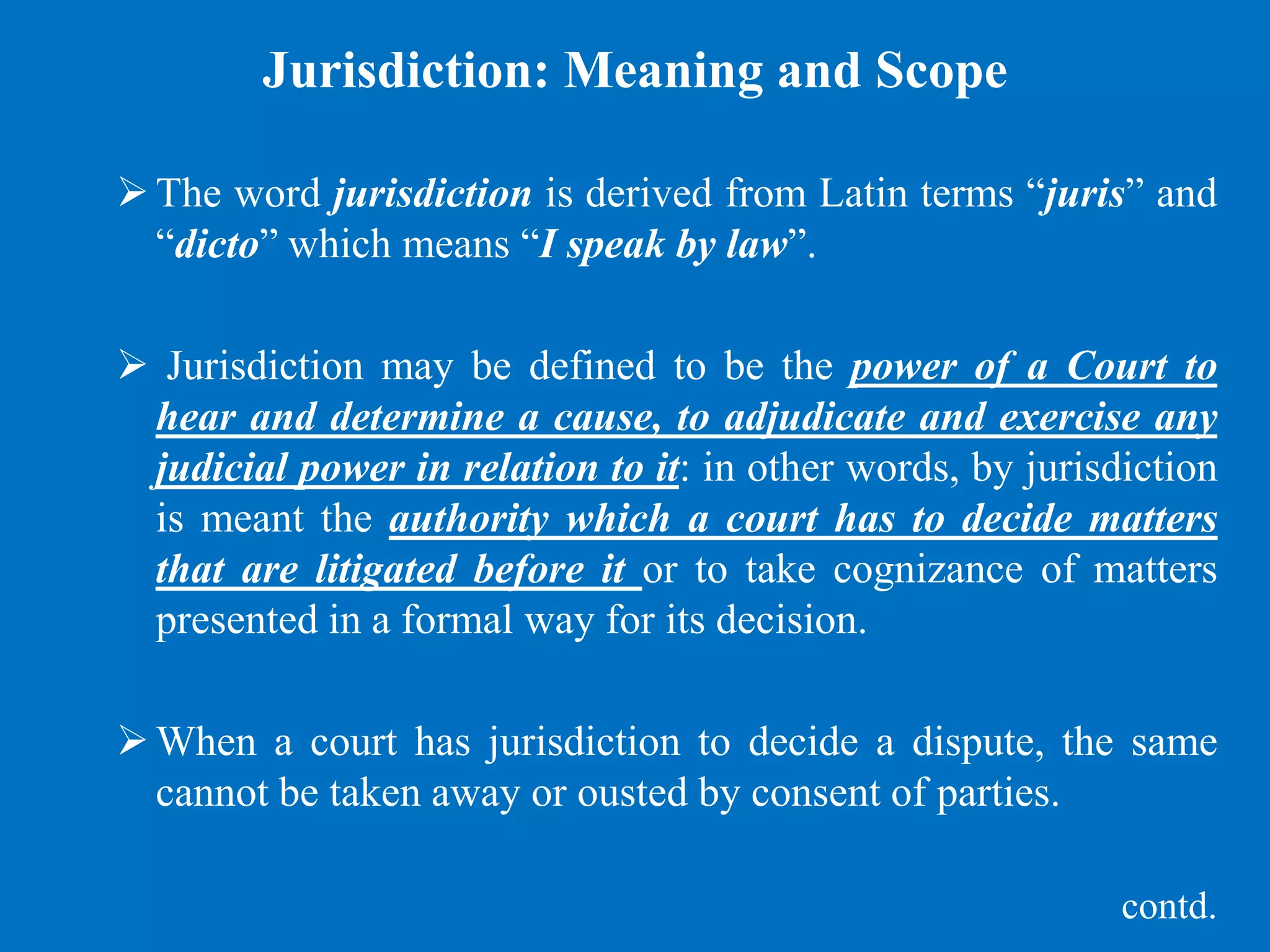
Jurisdiction, in its most fundamental sense, refers to the official power of a legal body or political entity to make legal decisions and judgments. It delineates the scope of authority held by courts, governmental agencies, and other administrative bodies to hear cases, enforce laws, and administer justice within a specific geographic area or over particular types of matters. For anyone involved in the world of finance—whether as an individual investor, a business owner, or a financial professional—understanding the nuances of jurisdiction is not merely a legal technicality; it is a critical framework that shapes financial obligations, opportunities, and risks.
The concept of jurisdiction dictates where one can be sued, where a contract is enforceable, how taxes are applied, and which regulations govern financial products and services. Its pervasive influence makes it an indispensable element in strategic financial planning, risk management, and operational decision-making across all scales of monetary activity.
Understanding the Core Concept of Jurisdiction
At its heart, jurisdiction is about boundaries and authority. These boundaries can be geographic, defining the territory within which a government or court operates, or they can be thematic, defining the types of cases or matters a specific body is empowered to handle.
Legal Frameworks and Geographic Boundaries
Every sovereign state, and often its constituent sub-divisions (like states or provinces), possesses its own distinct legal system and jurisdictional claims. A court in one country typically has no inherent authority to compel actions or render judgments in another, absent specific international agreements or established legal principles. This geographic delineation is paramount in finance. For instance, if a U.S. company enters into a financial agreement with a European entity, the contract will almost certainly specify which country’s laws apply and in which country’s courts any disputes must be resolved. This is a direct application of territorial jurisdiction. Without clarity on this, financial disputes can become protracted and costly, with parties facing uncertainty about the enforceability of their agreements.
Types of Jurisdiction Relevant to Finance
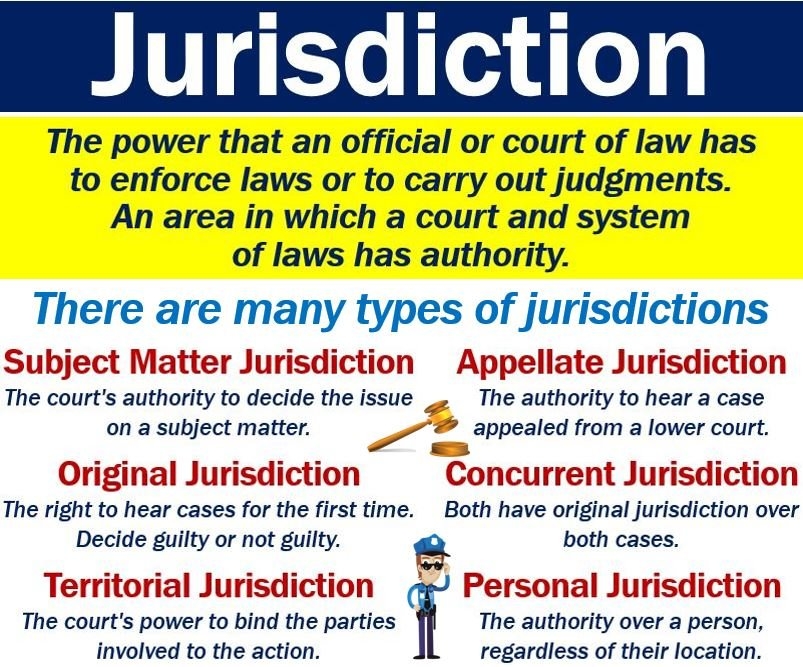
Within these overarching legal frameworks, several types of jurisdiction are particularly pertinent to financial matters:
- Subject Matter Jurisdiction: This refers to a court’s authority to hear a particular type of case. In finance, this is crucial for specialized courts. For example, bankruptcy courts have exclusive subject matter jurisdiction over bankruptcy filings, while tax courts specialize in disputes related to tax laws. Knowing which court has the power to address a specific financial issue is the first step in resolving it.
- Personal Jurisdiction (In Personam Jurisdiction): This is the court’s power over the specific parties involved in a case. For a court to exercise personal jurisdiction over an individual or a business, that party must have certain minimum contacts with the geographic territory where the court is located. For multinational corporations or individuals with assets and investments across borders, establishing personal jurisdiction can be complex. It determines whether a company can be sued in a foreign country or whether an individual’s assets in one country can be targeted to satisfy a judgment from another.
- Territorial Jurisdiction (In Rem Jurisdiction): This refers to a court’s power over property located within its geographic boundaries, regardless of the property owner’s location. This is highly relevant in situations involving real estate, seized assets, or disputes over specific financial instruments physically held within a jurisdiction.
- Quasi In Rem Jurisdiction: A hybrid, this applies when a court uses its jurisdiction over a defendant’s property within its territory to indirectly obtain jurisdiction over the defendant themselves, usually to satisfy a judgment unrelated to that specific property. This is a less common but still relevant concept for financial asset recovery.
Jurisdiction’s Impact on Business and Corporate Finance
For businesses, jurisdiction isn’t just a legal concept; it’s a foundational strategic choice that impacts operations, governance, taxation, and investor relations.
Business Formation and Operation
The initial decision of where to incorporate a business is a prime example of a jurisdictional choice with profound financial implications. Different jurisdictions offer varying corporate laws, tax incentives, and regulatory environments. For instance, in the U.S., states like Delaware are popular for corporate formations due to their well-established corporate case law and business-friendly legal environment, attracting investors and streamlining corporate governance. Internationally, jurisdictions like Ireland or the Netherlands are sometimes chosen for specific tax advantages or access to certain markets.
Once established, a business must continually comply with the financial regulations of all jurisdictions in which it operates. A company selling products or services across state lines or national borders faces a patchwork of sales tax, VAT, consumer protection, and financial disclosure requirements. Non-compliance can lead to hefty fines, legal injunctions, and reputational damage, directly affecting financial health.
Contracts and Disputes
Every significant financial agreement a business enters into—from loan agreements and supply contracts to mergers and acquisitions—contains clauses that explicitly state the “choice of law” and “choice of forum.” These clauses designate which jurisdiction’s laws will govern the contract and in which specific courts any disputes will be heard. This clarity is vital for financial predictability, enabling parties to understand their legal recourse and obligations. Without these stipulations, international financial disputes can become an arduous battle over where and under what rules the case should be heard, draining resources and delaying resolutions. For corporate finance, this can hold up deals, disrupt cash flow, and impact investor confidence.
Taxation and International Business
Jurisdiction fundamentally determines a company’s tax obligations. Corporate income tax, sales tax, value-added tax (VAT), and excise duties are all levied based on where a business operates, where its transactions occur, and where its income is generated. For multinational corporations, navigating the complex web of international tax jurisdictions is a major financial undertaking. Double taxation treaties, which rely heavily on clearly defined jurisdictional boundaries, aim to prevent companies from being taxed twice on the same income by different countries. However, practices like transfer pricing, where intercompany transactions are priced, are heavily scrutinized by tax authorities globally to ensure profits are not unfairly shifted to lower-tax jurisdictions, highlighting the constant interplay between corporate finance strategy and jurisdictional tax laws.
Navigating Jurisdiction in Personal Finance and Investing
Jurisdiction extends its reach to individual financial lives, influencing everything from tax liabilities to the security of investments and the effectiveness of estate planning.
Residency, Domicile, and Tax Implications
For individuals, the concepts of residency and domicile are central to determining tax jurisdiction. Your tax residency dictates which country or state considers you a taxpayer and thus has the right to levy taxes on your income, capital gains, and potentially your worldwide assets. Domicile, often a more permanent legal concept than residency, can influence inheritance tax and estate planning. An individual who spends time in multiple jurisdictions, or has significant assets spread across different countries, must carefully manage their residency status to avoid unintended tax obligations or even allegations of tax evasion. This has direct financial consequences, affecting disposable income, investment returns, and the value of inherited assets.
Cross-Border Investing
Investing across national borders introduces a layer of jurisdictional complexity. Each country has its own securities regulations, investor protection laws, and financial market oversight bodies. An investor in the U.S. buying shares on a European exchange, for instance, must understand that their investment is subject to European regulations, not just U.S. ones. Reporting requirements, such as the Foreign Account Tax Compliance Act (FATCA) in the U.S. and the Common Reporting Standard (CRS) globally, compel financial institutions to report account information of foreign residents to their respective tax authorities, underscoring the jurisdictional reach in international finance. Furthermore, legal recourse in case of fraud or misrepresentation against a foreign broker or company can be significantly more challenging due to jurisdictional hurdles.
Debt and Asset Protection
The laws governing debt, bankruptcy, and asset protection vary considerably by jurisdiction. A bankruptcy filing in one country may not automatically discharge debts held in another, and debt collection efforts are constrained by the jurisdictional limits of the originating court. Similarly, asset protection strategies, which aim to shield wealth from creditors or lawsuits, often involve placing assets in specific legal structures or jurisdictions chosen for their favorable laws. Understanding these jurisdictional differences is crucial for effective personal financial planning, especially for high-net-worth individuals or those with significant liabilities.
The Global Reach: Jurisdiction in Online Income and Side Hustles
The rise of the digital economy has profoundly challenged traditional notions of geographic jurisdiction, creating new complexities for online income earners and businesses.
Digital Businesses and Tax Nexus
For online businesses, freelancers, and content creators, determining the appropriate tax jurisdiction can be particularly thorny. Where is a service “provided” if it’s delivered virtually across borders? Where does a digital product “sell” if it’s downloaded anywhere in the world? Tax authorities are grappling with establishing a “nexus”—a sufficient connection to a jurisdiction—that justifies levying sales tax, VAT, or income tax. This means a blogger selling an e-book, an online course creator, or a remote consultant might unknowingly incur tax obligations in multiple jurisdictions, requiring careful attention to international tax laws and potentially complex compliance efforts to avoid penalties that could significantly impact their net income.
Regulatory Compliance for Online Platforms
Online platforms, including payment processors, crowdfunding sites, and e-commerce marketplaces, operate under intense scrutiny from financial regulators worldwide. They must comply with Know Your Customer (KYC) and Anti-Money Laundering (AML) regulations that often require collecting and verifying identity information from users across various jurisdictions. This global compliance burden forces platforms to implement robust systems that can adapt to different legal standards, reflecting the jurisdictional reach of financial crime prevention efforts. Non-compliance can lead to massive fines and operational shutdowns, directly affecting the viability of the platforms and the income of those who use them.
Cryptocurrency and Decentralized Finance (DeFi)
Perhaps the most disruptive force challenging traditional jurisdiction is the emergence of cryptocurrency and decentralized finance (DeFi). These technologies operate on global, permissionless networks, often with no central authority or physical location. This presents unprecedented challenges for regulators trying to apply geographic-based laws to a borderless phenomenon. Different countries are adopting vastly different approaches, from outright bans to comprehensive regulatory frameworks. For individuals and entities engaged in crypto and DeFi, navigating this evolving jurisdictional landscape is fraught with uncertainty, impacting everything from tax reporting on digital asset gains to the legality of participating in certain decentralized protocols. The lack of clear, harmonized global jurisdiction introduces significant financial risk and regulatory ambiguity.
Jurisdictional Challenges and Future Considerations in Finance
The interplay between jurisdiction and finance is dynamic, constantly evolving with global commerce and technological advancement.
Regulatory Arbitrage and Harmonization
The existence of diverse jurisdictional rules can sometimes lead to “regulatory arbitrage,” where financial entities strategically choose jurisdictions with less stringent oversight or more favorable tax regimes to gain a competitive advantage or minimize costs. While some arbitrage is legal, it can also facilitate illicit activities. In response, international bodies and governments are increasingly striving for greater regulatory harmonization—aligning financial laws and standards across different jurisdictions to reduce complexity, prevent regulatory gaps, and combat financial crime more effectively. This push for harmonization, as seen in efforts by the G20’s Financial Stability Board, aims to create a more level playing field and enhance stability across the global financial system.
The Digital Frontier and Jurisdictional Evolution
The internet and emerging technologies like blockchain will continue to challenge and reshape traditional jurisdictional concepts. The ability to conduct transactions, store assets, and provide services instantaneously across borders without a physical footprint means that legal and financial frameworks must adapt. This requires ongoing collaboration between international legal experts, policymakers, and financial innovators to develop adaptive rules that can effectively govern digital financial activities while fostering innovation. The future of finance will undoubtedly see an evolution of jurisdictional definitions, moving towards hybrid models that blend traditional geographic principles with new, perhaps functionally-defined, forms of authority.
Protecting Your Financial Interests
For businesses and individuals alike, the key takeaway is the absolute necessity of understanding and proactively addressing jurisdictional considerations in all financial dealings. This often means seeking professional advice from legal counsel, tax advisors, and financial planners who specialize in cross-jurisdictional matters. Due diligence in understanding the “choice of law” and “choice of forum” in contracts, being aware of one’s tax residency obligations, and recognizing the regulatory environment of one’s investments are not optional but essential steps to protect financial interests, ensure compliance, and mitigate risks in an increasingly interconnected global economy.
aViewFromTheCave is a participant in the Amazon Services LLC Associates Program, an affiliate advertising program designed to provide a means for sites to earn advertising fees by advertising and linking to Amazon.com. Amazon, the Amazon logo, AmazonSupply, and the AmazonSupply logo are trademarks of Amazon.com, Inc. or its affiliates. As an Amazon Associate we earn affiliate commissions from qualifying purchases.