
Navigating financial hardship can be one of life’s most daunting challenges, with the burden of unmanageable debt often feeling insurmountable. For many, the concept of “debt relief” emerges as a beacon of hope, promising a path toward financial stability. But what exactly does a debt relief program entail, and how does it function within the broader landscape of personal finance? Essentially, a debt relief program encompasses a range of strategies and services designed to help individuals reduce, consolidate, or eliminate their debts, often with the assistance of third-party organizations or financial tools. These programs aim to provide a structured approach to managing overwhelming obligations, offering an alternative to continued struggle or default. Understanding the various facets of debt relief is crucial for anyone seeking to regain control of their financial future, providing clarity on available options and their potential implications.
Understanding the Landscape of Debt Relief
Debt relief is not a monolithic concept but rather a broad category encompassing several distinct approaches, each tailored to different financial situations and debt types. Its fundamental purpose is to alleviate the pressure of excessive debt, making it more manageable or, ideally, leading to its eventual discharge.
Defining Debt Relief
At its core, debt relief refers to any process that reduces the amount of debt owed, lowers the interest rates on existing debt, or alters the payment terms to make them more affordable. This can range from formal legal procedures like bankruptcy to negotiated settlements with creditors, or even consolidating multiple debts into a single, more manageable loan. The overarching goal is to provide a viable exit strategy from chronic indebtedness, preventing further financial deterioration and paving the way for a fresh start. These programs are often sought by individuals who find themselves unable to meet their minimum monthly payments due to unexpected life events, job loss, medical emergencies, or simply accumulating too much high-interest debt.
Who Needs Debt Relief?
The need for debt relief typically arises when an individual’s debt load becomes unsustainable, meaning they are consistently struggling to make payments, falling behind on bills, or facing collection efforts. Common indicators that debt relief might be necessary include:
- High Debt-to-Income Ratio: A significant portion of monthly income is consumed by debt payments, leaving little for essential living expenses.
- Persistent Minimum Payments: Only being able to afford minimum payments on credit cards, leading to slow or no principal reduction due to high interest.
- Accumulating More Debt to Pay Existing Debt: Relying on new loans or credit cards to cover payments on old ones, a classic sign of a debt spiral.
- Creditor Harassment: Receiving constant calls or letters from collectors.
- Overwhelming Stress: Experiencing significant emotional or psychological distress due to financial pressure.
- Impending Default: Realizing that bankruptcy or default on loans is imminent without intervention.
These scenarios underscore the urgency and necessity of exploring structured debt relief options, which can provide a lifeline to those drowning in financial obligations.
Common Types of Debt Relief Programs
The array of debt relief programs available can be categorized into several primary types, each with its own methodology, benefits, and drawbacks. Selecting the right program depends heavily on the individual’s specific financial situation, type of debt, credit history, and long-term goals.
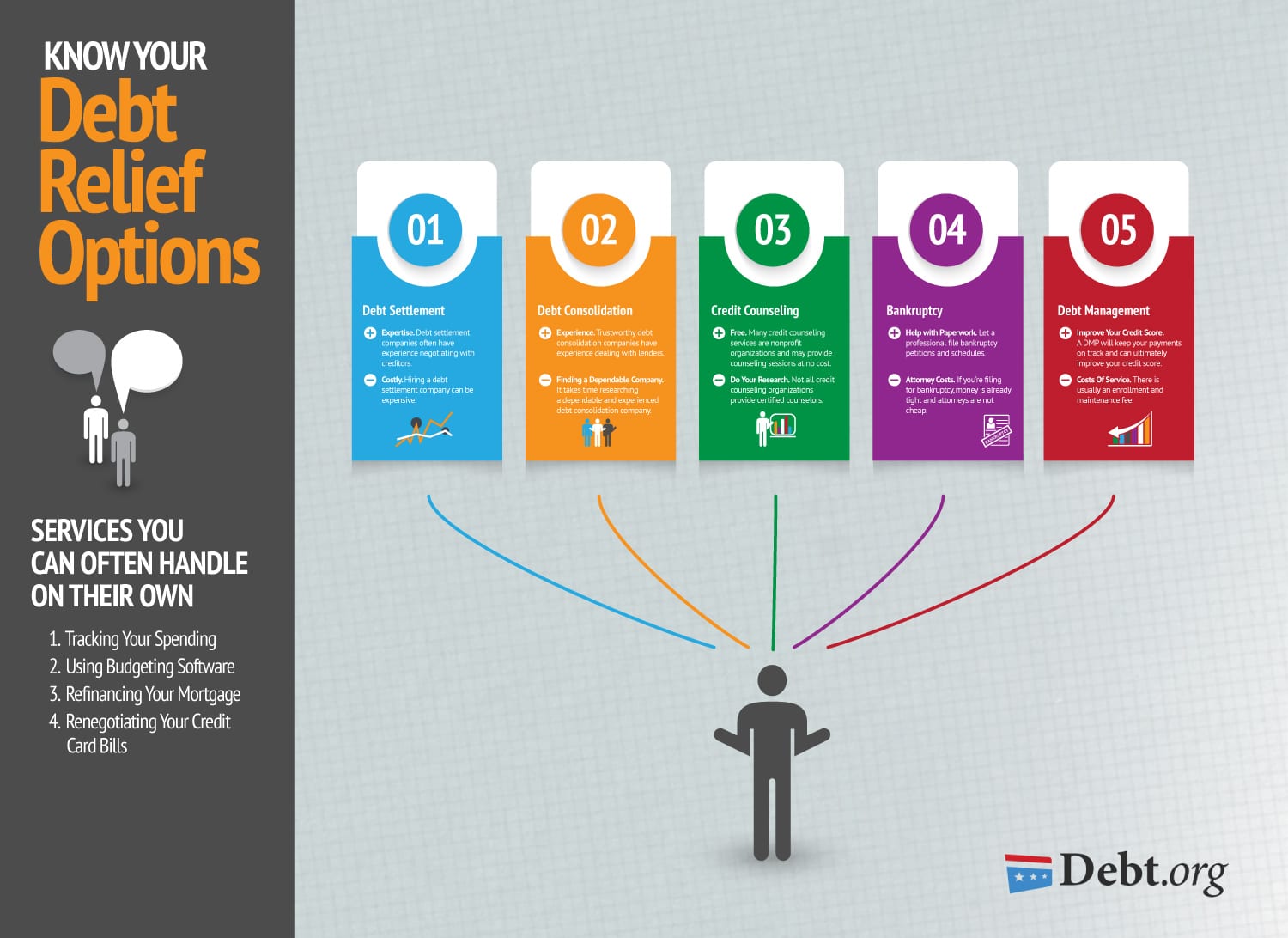
Debt Consolidation
Debt consolidation involves combining multiple debts, typically high-interest ones like credit card balances, into a single, new loan with a lower interest rate and a single monthly payment. This can simplify repayment and potentially reduce the total interest paid over time.
- Consolidation Loans: These are often personal loans issued by banks or credit unions, which borrowers use to pay off their existing debts. The effectiveness hinges on securing a lower interest rate than the weighted average of the original debts.
- Balance Transfer Credit Cards: For individuals with good credit, transferring high-interest balances to a new credit card offering a 0% introductory APR can provide a period to pay down debt without accruing interest. However, careful planning is needed to pay off the balance before the promotional period ends and regular rates apply.
Debt Management Plans (DMPs)
Offered by non-profit credit counseling agencies, DMPs involve working with counselors who negotiate with creditors on your behalf to reduce interest rates, waive fees, and set up a single, more affordable monthly payment. You then pay the credit counseling agency, which distributes the funds to your creditors. DMPs typically last 3-5 years and require closing existing credit accounts managed within the plan.
Debt Settlement
Debt settlement is a negotiation strategy where a third-party company or the individual directly contacts creditors to reduce the total amount owed. The goal is to pay a lump sum that is less than the original debt. This process often involves stopping payments to creditors, instead saving money in a special account, which can negatively impact credit scores significantly. Once enough funds are saved, the settlement company negotiates with creditors for a lower payoff amount. This approach carries substantial risks, including potential lawsuits from creditors and adverse credit reporting.
Bankruptcy
Bankruptcy is a legal proceeding that offers a path to discharge or restructure debts under federal law. It is typically considered a last resort due to its severe impact on credit and long-term financial consequences.
- Chapter 7 Bankruptcy (Liquidation): This allows for the discharge of most unsecured debts (like credit card debt, medical bills) by liquidating non-exempt assets to pay creditors. It is generally available to those with limited income.
- Chapter 13 Bankruptcy (Reorganization): For individuals with regular income, Chapter 13 allows them to keep their assets while repaying a portion of their debts over three to five years through a court-approved repayment plan. After completing the plan, remaining eligible debts are discharged.
Student Loan Forgiveness/Relief Programs
Specific programs exist to address the unique challenges of student loan debt. These include:
- Income-Driven Repayment (IDR) Plans: Federal student loan programs that adjust monthly payments based on income and family size, potentially leading to loan forgiveness after 20-25 years of payments.
- Public Service Loan Forgiveness (PSLF): Forgiveness of federal student loan balances for borrowers working full-time for qualifying non-profit organizations or government agencies after making 120 qualifying monthly payments.
- Teacher Loan Forgiveness, Total and Permanent Disability Discharge, etc.: Other specialized programs targeting specific circumstances or professions.
Credit Counseling
While not strictly a debt relief program itself, credit counseling is often the first step in assessing one’s financial situation and identifying the most suitable debt relief option. Non-profit credit counseling agencies offer free or low-cost advice on budgeting, debt management, and understanding credit reports. They can help individuals create a budget, explore options like DMPs, or provide referrals to other services.
How Debt Relief Programs Work
Despite the variety, most debt relief programs follow a general workflow that begins with an assessment and culminates in a structured approach to repayment or resolution.

Initial Assessment and Consultation
The process typically starts with a thorough review of your financial situation. A credit counselor, debt settlement specialist, or attorney will evaluate your income, expenses, assets, liabilities, and the types of debts you hold. This initial consultation helps determine the feasibility and suitability of different relief options. They will explain the pros and cons of each program, including potential fees, impacts on your credit score, and tax implications.
Negotiation with Creditors
For programs like debt management plans and debt settlement, a key component is the negotiation phase.
- DMPs: The credit counseling agency contacts your creditors to secure concessions such as reduced interest rates or waived late fees.
- Debt Settlement: The debt settlement company negotiates a lower payoff amount, often a percentage of the original debt, in exchange for a lump-sum payment.
Bankruptcy, on the other hand, involves a legal process through the court system, where creditors are legally compelled to adhere to the terms of the bankruptcy discharge or repayment plan.
Payment Structures and Timelines
Once a program is chosen and negotiations are complete (if applicable), a new payment structure is established.
- DMPs: You make a single, consolidated payment to the credit counseling agency, which then distributes funds to creditors. This usually lasts 3-5 years.
- Debt Settlement: You save money in a special account, and once a settlement is reached, the lump sum is paid to the creditor. This process can take 2-4 years, depending on how quickly funds are saved and negotiations conclude.
- Consolidation Loans: You make regular monthly payments to the new loan provider over a fixed term.
- Chapter 13 Bankruptcy: The court approves a repayment plan, and you make regular payments to a bankruptcy trustee for 3-5 years.
Throughout these timelines, adherence to the new payment schedule is critical for the success of the program and for improving your financial standing.
Benefits and Risks of Debt Relief
While debt relief programs offer significant advantages for those in dire financial straits, they are not without potential downsides. A balanced understanding of both aspects is vital for making an informed decision.
Potential Advantages
- Reduced Monthly Payments: Many programs aim to lower your overall monthly financial outlay, freeing up income for necessities.
- Lower Interest Rates: DMPs and consolidation loans often result in reduced interest, saving you money over the life of the debt.
- Stress Reduction: Consolidating multiple payments into one, or having a clear plan to resolve debt, can significantly alleviate financial anxiety.
- Avoidance of Bankruptcy (in some cases): DMPs and debt settlement can offer alternatives to bankruptcy for some individuals.
- Financial Fresh Start: Successful completion of a program, especially bankruptcy, can provide a clean slate for rebuilding credit and financial habits.
- Protection from Creditors: Once enrolled in a legitimate program, collection calls and actions may cease.
Potential Disadvantages
- Credit Score Impact: Most debt relief programs, particularly debt settlement and bankruptcy, will negatively affect your credit score for several years. Even DMPs can be noted on your credit report.
- Fees: Debt settlement companies often charge substantial fees, which can eat into your savings or the amount actually paid to creditors.
- Tax Implications: Settled debts where a portion is forgiven can sometimes be considered taxable income by the IRS, unless you are insolvent.
- Scams and Fraud: The debt relief industry has its share of unscrupulous operators. It’s crucial to research and choose reputable, accredited providers.
- Creditor Lawsuits: In debt settlement, stopping payments can lead to creditors suing you for the unpaid balance before a settlement is reached.
- Eligibility Restrictions: Not everyone qualifies for all programs. For example, consolidation loans require good credit, and bankruptcy has income and asset tests.
- Long-Term Commitment: Many programs require strict adherence to payment schedules for several years.
Choosing the Right Debt Relief Path
The decision to pursue debt relief is significant, and choosing the appropriate path requires careful consideration, self-assessment, and due diligence.
Self-Assessment and Financial Health Check
Before engaging with any program, conduct an honest assessment of your current financial situation.
- Budget Analysis: Create a detailed budget to understand your income versus expenses and identify where your money is going.
- Debt Inventory: List all your debts, including the type (credit card, personal loan, student loan, mortgage), interest rate, outstanding balance, and minimum monthly payment.
- Credit Report Review: Obtain your free credit reports from AnnualCreditReport.com to identify all active accounts and check for inaccuracies.
- Root Cause Analysis: Understand why you accumulated debt. Was it unexpected expenses, poor spending habits, or a lack of budgeting? Addressing the root cause is vital for long-term success.
This comprehensive overview will help you gauge the severity of your debt problem and which solutions might be most effective.
Researching Reputable Providers
The debt relief industry contains both highly reputable organizations and predatory scams. It is imperative to research any company or agency thoroughly.
- Accreditation and Licensing: Look for non-profit credit counseling agencies accredited by organizations like the National Foundation for Credit Counseling (NFCC) or the Financial Counseling Association of America (FCAA). For debt settlement, check with the American Fair Credit Council (AFCC).
- Reviews and Complaints: Consult consumer protection agencies like the Better Business Bureau (BBB) and read online reviews.
- Transparent Fees: Understand all fees associated with a program upfront. Legitimate credit counseling agencies typically offer free initial consultations and reasonable fees for DMPs, while debt settlement fees can be substantial.
- Avoid Guarantees: Be wary of any company that guarantees to reduce your debt by a specific percentage or promises quick fixes without careful analysis.
Legal and Tax Considerations
Consulting with a financial advisor, tax professional, or bankruptcy attorney can provide invaluable insights tailored to your specific situation. They can explain the legal ramifications, potential tax liabilities (e.g., on forgiven debt), and ensure you understand all aspects before committing. This step is particularly crucial for debt settlement and bankruptcy, which carry significant legal and tax implications.

Long-Term Financial Planning
Debt relief is not merely about eliminating current obligations; it’s about establishing a healthier financial future. Regardless of the program chosen, concurrent efforts in financial education, budgeting, and building an emergency fund are paramount. The goal is to avoid repeating past mistakes and to cultivate sustainable financial habits that promote lasting solvency and prosperity. A successful debt relief journey culminates not just in reduced debt but in a transformed relationship with money, fostering resilience and confidence in managing your personal finances.
aViewFromTheCave is a participant in the Amazon Services LLC Associates Program, an affiliate advertising program designed to provide a means for sites to earn advertising fees by advertising and linking to Amazon.com. Amazon, the Amazon logo, AmazonSupply, and the AmazonSupply logo are trademarks of Amazon.com, Inc. or its affiliates. As an Amazon Associate we earn affiliate commissions from qualifying purchases.