
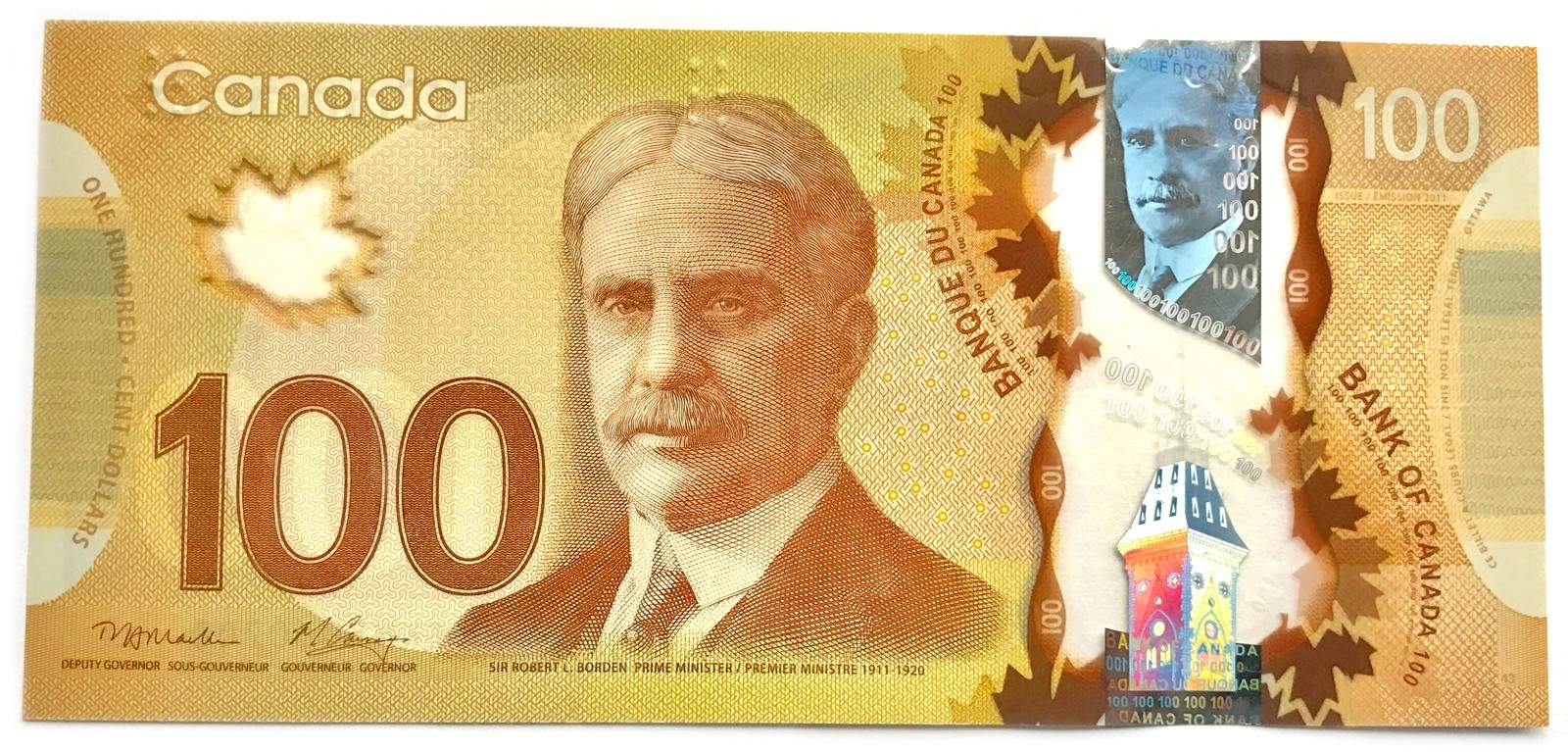
The Canadian dollar (CAD), often affectionately known as the “Loonie” due to the common loon depicted on its one-dollar coin, is more than just a national currency; it’s a significant player in the global financial arena. As one of the world’s major floating currencies, its value constantly shifts, influenced by a complex interplay of domestic and international economic factors. For individuals and businesses alike, understanding the Canadian dollar’s dynamics is crucial for making informed decisions related to personal finance, investing, international trade, and business operations.
Understanding the Loonie: A Global Perspective
The Canadian dollar stands as the fifth most actively traded currency globally, a testament to Canada’s stable economy, vast natural resources, and sound financial policies. Its prominence makes it a bellwether for commodity markets and a key currency for diversification strategies.

CAD as a Commodity Currency
A distinguishing feature of the CAD is its classification as a “commodity currency.” This designation stems from Canada’s economy being a major exporter of natural resources, particularly crude oil, natural gas, lumber, and various minerals. Consequently, global commodity prices, especially crude oil, often have a direct and significant impact on the Canadian dollar’s value. When oil prices rise, the CAD typically strengthens as Canada’s export revenues increase, drawing foreign investment into the country. Conversely, a drop in commodity prices can put downward pressure on the Loonie. This strong correlation makes the CAD a unique and interesting currency for investors and economists to observe, often reflecting broader trends in global resource demand.
Its Place on the World Stage
Beyond commodities, the Canadian dollar’s global standing is bolstered by Canada’s political stability, robust financial system, and close economic ties with the United States, its largest trading partner. The Bank of Canada, the country’s central bank, plays a vital role in managing monetary policy, including interest rates, to maintain price stability and support sustainable economic growth. The transparency and independence of the Bank of Canada contribute to the CAD’s credibility among international investors. Furthermore, Canada’s membership in key international organizations like the G7 and G20 underscores its commitment to global economic cooperation and stability, further solidifying the Loonie’s position as a reliable and respected currency in foreign exchange markets. Its liquidity and relatively low volatility, compared to some emerging market currencies, make it an attractive option for institutional investors and central banks looking to diversify their reserves.
Factors Driving the Canadian Dollar’s Value
The value of the Canadian dollar is not static; it is a dynamic reflection of numerous economic indicators, market sentiment, and geopolitical events. For anyone engaged in financial planning, investing, or international business, monitoring these drivers is essential.
Commodity Prices (Especially Oil)
As highlighted, the price of crude oil is arguably the most influential external factor on the CAD. Canada is one of the world’s largest oil producers and exporters, particularly from the Alberta oil sands. When global oil prices increase, it directly boosts Canada’s export revenues, improves its terms of trade, and attracts foreign capital to the energy sector, thereby strengthening the Canadian dollar. Conversely, a sustained decline in oil prices can lead to a weaker CAD, as it signals reduced export earnings and potential economic slowdown. Beyond oil, prices of other key Canadian exports like natural gas, gold, and agricultural products also exert influence, albeit to a lesser extent, on the currency’s valuation.
Interest Rate Differentials
Monetary policy, specifically interest rates set by the Bank of Canada (BoC), plays a critical role. When the BoC raises its benchmark interest rate, it makes holding Canadian dollar assets more attractive to international investors seeking higher returns, leading to increased demand for the CAD and thus strengthening its value. Conversely, if the BoC lowers rates or signals a dovish stance, it can weaken the currency. The differential between Canadian interest rates and those of other major economies, particularly the United States, is also highly significant. A widening positive differential in favor of Canada typically boosts the CAD, while a narrowing or negative differential can depress it. Investors constantly scrutinize central bank announcements and economic data for clues about future rate movements.
Trade Balances and Economic Data
Canada’s trade balance – the difference between the value of its exports and imports – is another key driver. A trade surplus, indicating that Canada is exporting more than it imports, generally creates demand for the Canadian dollar as foreign buyers need CAD to purchase Canadian goods and services. Conversely, a trade deficit can weaken the currency. Beyond trade, a wide array of economic data points are closely watched by currency traders and analysts. These include GDP growth figures, inflation rates (CPI), employment reports, retail sales, and manufacturing data. Strong economic growth and low inflation typically signal a healthy economy, which supports a stronger currency. Unexpectedly positive or negative economic reports can cause immediate and sometimes volatile shifts in the CAD’s value.
Geopolitical Events
Global geopolitical events, while less predictable, can also have a profound impact. Instability in major regions, trade disputes between large economies (e.g., US-China), or significant political shifts can lead to a “flight to safety” where investors move capital into traditionally stable assets or currencies, or conversely, pull capital out of perceived riskier ones. While the CAD is considered relatively stable, it can still be affected by such events, especially if they impact global commodity demand or Canada’s key trading relationships. For example, trade tensions involving the US could indirectly affect Canadian exports to the US, impacting the CAD.

The Canadian Dollar in Your Personal Finances
For individuals, the Canadian dollar’s fluctuations have tangible effects on daily life, from purchasing power to travel expenses and cross-border transactions. Understanding these impacts is crucial for effective personal financial management.
Cross-Border Shopping and Travel
Canadians frequently travel to the United States and shop from U.S. retailers, and vice-versa. The exchange rate between the CAD and the USD directly dictates the cost of these activities. A stronger Canadian dollar means your money goes further when buying U.S. goods or traveling south of the border, effectively making everything cheaper. Conversely, a weaker CAD makes U.S. purchases and travel more expensive. This impact extends to online shopping from international vendors as well. Canadians planning international trips should monitor exchange rates to identify opportune times to convert their currency, or consider using credit cards with no foreign transaction fees to minimize costs. For non-Canadians visiting Canada, the dynamic is reversed: a strong CAD means their home currency buys less in Canada, while a weak CAD offers more purchasing power.
Impact on Savings and Investments
For Canadian residents, holding savings or making investments denominated in foreign currencies (e.g., U.S. dollars) means that the value of those assets, when converted back to CAD, will fluctuate with the exchange rate. If the CAD weakens against the USD, your USD-denominated investments will be worth more in Canadian dollars, potentially boosting returns. If the CAD strengthens, those same investments might yield less when converted. This currency risk is an important consideration for Canadians with internationally diversified portfolios. Conversely, non-Canadians investing in CAD-denominated assets face similar currency exposure relative to their home currency. Understanding this dynamic helps in assessing true returns and managing portfolio risk.
Remittances and International Transfers
Individuals who send or receive money internationally (remittances) are directly affected by the CAD’s exchange rate. If you are sending Canadian dollars abroad, a stronger CAD means your recipient will receive more of their local currency, assuming the foreign currency hasn’t strengthened even more. If you are receiving money from abroad into a Canadian dollar account, a stronger CAD means the amount you receive in Canadian dollars will be higher for a given amount of foreign currency. For example, a worker sending money from Canada to a family member in another country would find their money goes further if the CAD is strong against the recipient’s currency. Financial tools that track exchange rates and offer competitive transfer fees are vital for minimizing costs in these transactions.
Investing and the CAD: Opportunities and Risks
The Canadian dollar presents unique opportunities and risks for investors, whether they are looking to trade currencies directly, invest in Canadian assets, or manage currency exposure in a diversified portfolio.
Forex Trading Fundamentals
The foreign exchange (Forex) market is where currencies are traded, and the CAD is a popular choice due to its liquidity and connection to commodity prices. Investors can speculate on the CAD’s movement against other major currencies, most commonly the USD (USD/CAD pair). Trading Forex involves buying one currency while simultaneously selling another, aiming to profit from changes in their exchange rates. Strategies often involve analyzing economic data, central bank policies, commodity price trends, and technical chart patterns. Given its volatility, especially against the USD, the CAD offers both significant profit potential and substantial risk, requiring careful research and risk management.
CAD-Denominated Investments
Beyond direct Forex trading, investors can gain exposure to the Canadian dollar by investing in CAD-denominated assets. This includes Canadian stocks, bonds, mutual funds, and exchange-traded funds (ETFs) that trade on Canadian exchanges. For international investors, buying these assets means they must first convert their home currency into CAD, thereby taking on CAD currency exposure. If the CAD appreciates against their home currency, their investment gains are amplified when converted back. Conversely, a weakening CAD can erode returns, even if the underlying asset performs well. This currency factor is an additional layer of consideration when evaluating the true return on Canadian investments for non-Canadian investors.
Diversification Benefits and Risks
For a globally diversified portfolio, the Canadian dollar can offer unique benefits. Its commodity currency status means it often behaves differently from other major currencies, potentially providing a hedge against certain global economic trends or inflation (e.g., rising oil prices might strengthen CAD while weakening currencies of net oil importers). Including CAD-denominated assets or currency exposure can help spread risk across different economic cycles and reduce overall portfolio volatility. However, this diversification also comes with risks. Unexpected political developments, sharp declines in commodity prices, or shifts in central bank policy can lead to rapid depreciation of the CAD, impacting the value of CAD-denominated holdings.
Hedging Currency Exposure
Businesses engaged in international trade and investors with significant foreign assets often employ hedging strategies to mitigate currency risk. For example, a Canadian company importing goods priced in USD might enter into a forward contract to lock in an exchange rate for a future USD payment, protecting themselves from a weakening CAD. Similarly, an investor holding USD-denominated assets might use currency options or futures to protect against a strengthening CAD that would reduce the value of their USD holdings when converted back. While hedging adds complexity and can incur costs, it provides a crucial mechanism for managing the unpredictable nature of currency fluctuations and stabilizing financial outcomes.
aViewFromTheCave is a participant in the Amazon Services LLC Associates Program, an affiliate advertising program designed to provide a means for sites to earn advertising fees by advertising and linking to Amazon.com. Amazon, the Amazon logo, AmazonSupply, and the AmazonSupply logo are trademarks of Amazon.com, Inc. or its affiliates. As an Amazon Associate we earn affiliate commissions from qualifying purchases.