
The 50/30/20 budgeting method is a widely recognized and relatively straightforward personal finance strategy designed to help individuals manage their income and expenses effectively. Championed by Senator Elizabeth Warren in her book All Your Worth: The Ultimate Lifetime Money Plan, this rule provides a clear framework for allocating after-tax income into three primary categories: needs, wants, and financial goals (savings and debt repayment). Its simplicity and flexibility have made it a popular choice for those seeking a structured yet adaptable approach to financial planning, moving beyond complex spreadsheets to focus on foundational principles.

The Core Principle of the 50/30/20 Rule
At its heart, the 50/30/20 method is about balancing immediate necessities with discretionary spending and future financial security. It offers a rule of thumb for how much of your take-home pay should ideally go towards different facets of your financial life. This intuitive division allows for immediate understanding and implementation, making it accessible even for those new to budgeting.
Defining the Three Categories: Needs, Wants, Savings/Debt
Before delving into the percentages, it’s crucial to clearly define what constitutes a “need,” a “want,” and what falls under “savings and debt repayment.” Misclassifying expenses is a common pitfall that can undermine the effectiveness of any budgeting strategy.
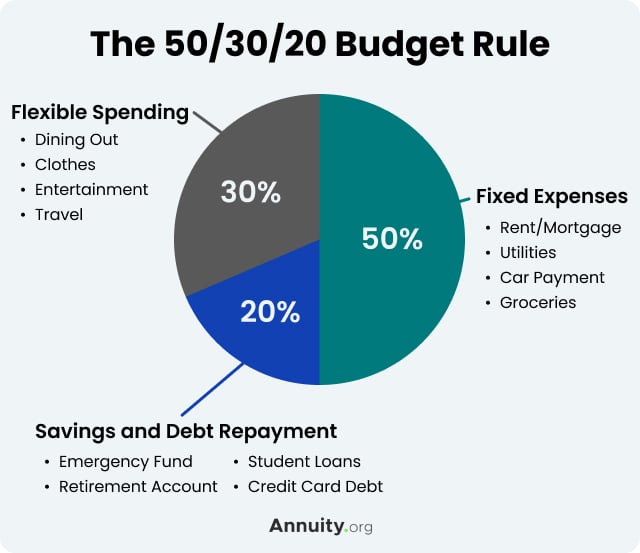
- Needs (50%): These are the non-negotiable expenses essential for survival and maintaining your basic lifestyle. Without these, your life would be significantly disrupted or impossible to sustain. This category should be the absolute priority for your income.
- Wants (30%): These are the expenses that improve your quality of life but are not strictly necessary for survival. They are discretionary, meaning you have control over whether or not to spend on them, and often, how much. Wants are about lifestyle choices and personal preferences.
- Savings & Debt Repayment (20%): This category is dedicated to building your financial future and reducing your liabilities. It encompasses both proactive financial growth (savings) and systematic reduction of existing debt. This portion is vital for long-term financial stability and freedom.
Origins and Philosophy
While popularized by Senator Warren, the philosophy behind segmenting income for different purposes has long been a staple of sound financial advice. The 50/30/20 rule distills this wisdom into an easily digestible format. Its underlying philosophy emphasizes that while enjoying life (wants) is important, it should not come at the expense of fundamental needs or future security. It promotes a balanced perspective, acknowledging that extreme austerity is often unsustainable, just as unchecked spending is detrimental. The goal is not just to save money, but to create a sustainable financial ecosystem that supports both current well-being and future aspirations.
Deconstructing the Percentages
Understanding how each percentage applies to your after-tax income is fundamental to successfully implementing the 50/30/20 budget. “After-tax income” refers to your net pay – the money deposited into your account after taxes, health insurance premiums, and retirement contributions (if pre-tax) have been deducted.
50% for Needs: The Essentials
The largest portion of your budget, 50%, is allocated to “needs.” These are expenses you cannot reasonably live without. They represent the bare minimum required to maintain your current standard of living.
- Housing: Rent or mortgage payments are typically the largest need. Property taxes and homeowners insurance also fall here.
- Utilities: Essential services such as electricity, gas, water, and basic internet access. While premium internet packages might lean towards a “want,” a functional internet connection is often considered a modern necessity for work and communication.
- Groceries: Food is a fundamental need. This includes essential pantry staples and ingredients for home-cooked meals. Dining out or gourmet foods would typically fall under “wants.”
- Transportation: Costs associated with getting to work, school, or necessary appointments. This could include car payments, fuel, public transit passes, or essential car maintenance.
- Healthcare: Minimum health insurance premiums, essential prescription medications, and unavoidable medical costs.
- Minimum Debt Payments: While paying extra on debt falls into the 20% category, the minimum payments required on credit cards, student loans, or other debts are considered needs to avoid default and protect your credit score.
The critical distinction here is discerning what is truly essential versus what brings comfort or convenience. For instance, a basic cell phone plan is a need, but the latest smartphone with unlimited data might push into a want.
30% for Wants: Lifestyle and Discretionary Spending
The 30% allocation for “wants” provides room for discretionary spending and lifestyle choices. This category is where you find flexibility and the ability to enjoy your income beyond basic survival.
- Dining Out & Takeaway: Meals at restaurants, coffee shops, or ordering food delivery.
- Entertainment: Movie tickets, concerts, streaming service subscriptions (Netflix, Spotify, Hulu beyond basic necessity), video games, hobbies, gym memberships (if not a medical necessity).
- Shopping: New clothes (beyond essential replacements), accessories, electronics, home decor that isn’t functionally required.
- Travel & Vacations: Leisure trips, weekend getaways, and related expenses.
- Premium Services: Upgraded internet packages, cable TV bundles, luxury car features, or premium subscription boxes.
- Non-Essential Personal Care: Spa treatments, high-end cosmetics, elective beauty services.
This 30% is crucial for mental well-being and avoiding financial burnout. It allows for enjoyment and personal enrichment, but it’s also the first place to look for cuts if you find yourself overspending or struggling to meet your 50% needs or 20% savings goals.
20% for Savings and Debt Repayment: Building Your Financial Future
This 20% portion is dedicated to strengthening your financial position for the long term. It’s about securing your future and reducing financial burdens. This category should be prioritized as much as your needs, as it builds resilience and opportunity.
- Emergency Fund: Building a cash reserve for unexpected expenses (job loss, medical emergencies, car repairs). Experts typically recommend 3-6 months of living expenses.
- Retirement Savings: Contributions to accounts like 401(k)s (beyond pre-tax deductions), IRAs, or other pension plans.
- Investment Accounts: Contributions to brokerage accounts for long-term wealth growth, real estate investments, or other assets.
- High-Interest Debt Repayment: Any payments above the minimum required on credit cards, personal loans, or other consumer debts. Aggressively paying down high-interest debt saves money in interest over time and frees up cash flow.
- Large Purchase Savings: Saving for a down payment on a house, a new car, higher education, or other significant future expenses.
This 20% ensures that you are actively working towards financial independence, protecting yourself from unforeseen circumstances, and creating opportunities for wealth accumulation. Automating these contributions is a highly effective strategy to ensure consistency.
Implementing the 50/30/20 Method
Putting the 50/30/20 rule into practice is a systematic process that involves understanding your income, categorizing your spending, and consistent tracking.
Calculate Your After-Tax Income
The very first step is to determine your true monthly after-tax (net) income. This is the amount of money you actually receive in your bank account from all sources (salary, side hustles, etc.) after all mandatory deductions like federal and state taxes, Social Security, Medicare, and pre-tax retirement contributions (e.g., a portion of your 401k) have been taken out. If your retirement contributions are post-tax (like a Roth 401k or Roth IRA), then those contributions would come out of your 20% savings allocation.
Categorize Your Expenses
Go through your bank statements and credit card bills from the last 1-3 months and meticulously categorize every single expense into “needs,” “wants,” or “savings/debt repayment.” Be honest and realistic. This step is often eye-opening, revealing where your money truly goes. Many find that what they think is a need is actually a want, or that their “wants” spending is significantly higher than anticipated.
Track Your Spending
Once your initial categories are set, commit to consistently tracking your spending. This can be done using budgeting apps, spreadsheets, or even a simple notebook. Regular tracking helps you stay accountable, identify areas of overspending, and make real-time adjustments. Without tracking, the budget is merely a theoretical plan.
Adjust and Optimize
The 50/30/20 rule is a guideline, not a rigid law. After a month or two of tracking, review your budget. Are you consistently hitting your targets? Are you overspending in one area and underspending in another? This is your opportunity to adjust. If your needs are currently more than 50% due to high cost of living, you might need to temporarily reduce your wants or find ways to increase your income or reduce core needs. The goal is to get as close to the ideal percentages as possible, but flexibility is key to long-term adherence.
Advantages and Limitations of the 50/30/20 Rule
Like any financial strategy, the 50/30/20 budget has its strengths and weaknesses, making it suitable for some situations more than others.
Benefits: Simplicity, Flexibility, Holistic Approach
- Simplicity: Its clear, percentage-based structure makes it easy to understand and apply without complex calculations or detailed line-item budgeting.
- Flexibility: Within the “wants” category, there’s significant flexibility. You can choose to spend your 30% on dining, entertainment, travel, or a mix, catering to your personal preferences.
- Holistic Approach: It encourages a balanced view of finances, ensuring that current needs are met, enjoyment is possible, and future security is being built simultaneously.
- Reduces Guilt: By explicitly allocating funds for wants, it can reduce guilt associated with discretionary spending, as long as it stays within the allocated percentage.
Potential Drawbacks: Not One-Size-Fits-All, Income Level Considerations, Debt Load Impact
- Not One-Size-Fits-All: The 50/30/20 rule works best for individuals with a moderate income where 50% is sufficient to cover needs in their cost of living area.
- Low-Income Challenges: For those with very low incomes, 50% might not be enough to cover basic needs, making it difficult to allocate 20% to savings. In such cases, the “needs” percentage might temporarily be higher, requiring a more aggressive focus on debt repayment or income generation.
- High-Income Challenges: Conversely, very high earners might find that their needs are far less than 50% of their income, allowing them to significantly increase their savings and investments beyond 20%, or indulge in more substantial wants.
- High Debt Load: Individuals with significant high-interest debt may need to temporarily adjust the percentages, perhaps prioritizing a higher percentage towards debt repayment (from the “wants” or “savings” categories) to accelerate their path to financial freedom.
- Cost of Living Variations: Housing, transportation, and other needs vary drastically by location. What’s 50% in a low-cost area might be 70% in a high-cost city, necessitating adjustments.
Tips for Success and Adaptations
To maximize the effectiveness of the 50/30/20 method, consider these practical tips and be prepared to adapt the rule to your unique financial circumstances.
Automate Your Savings
One of the most powerful strategies for financial success is to automate your savings. Set up automatic transfers from your checking account to your savings, investment, or debt repayment accounts immediately after you get paid. This ensures that your 20% (or more) is prioritized and removed before you have a chance to spend it. “Pay yourself first” is a cornerstone of effective personal finance.
Regularly Review and Adjust
Life changes, and so should your budget. Review your budget at least monthly, or quarterly, to ensure it still aligns with your income, expenses, and financial goals. A new job, a raise, a move, a change in family status, or unexpected expenses all warrant a budget re-evaluation.
Be Honest About Your Wants
It’s easy to rationalize a want as a need. Be brutally honest with yourself when categorizing expenses. Distinguishing between absolute necessities and things that merely enhance comfort or enjoyment is crucial for the budget to work.
When to Bend the Rules (e.g., High Debt, Low Income)
The 50/30/20 rule is a guideline, not a strict mandate.
- High Debt: If you have significant high-interest debt, you might temporarily shift some of your 30% “wants” into your 20% “savings/debt repayment” category, aiming for a 50/20/30 or even a 50/10/40 split to aggressively tackle debt.
- Low Income/High Cost of Living: If your needs exceed 50% (e.g., 60-70%), you will need to cut down your “wants” significantly or reduce them to zero temporarily, and potentially find ways to increase income. Your priority might become 60/20/20 or even 70/10/20 until your financial situation improves.
- Major Life Goals: If you’re saving for a down payment on a house or another large goal, you might temporarily allocate more than 20% to savings by reducing your wants.

Combining with Other Financial Strategies
The 50/30/20 rule can be effectively combined with other financial strategies. For instance, within your 20% savings, you might employ the “debt snowball” or “debt avalanche” methods to prioritize debt repayment. For your “wants” category, you might use the “envelope system” for cash budgeting. It serves as an excellent foundational structure upon which more granular financial tactics can be built.
Ultimately, the 50/30/20 budgeting method offers a powerful, accessible framework for anyone looking to gain control over their finances. By consistently applying its principles and adapting it to personal circumstances, individuals can move closer to achieving their financial aspirations and building a secure future.
aViewFromTheCave is a participant in the Amazon Services LLC Associates Program, an affiliate advertising program designed to provide a means for sites to earn advertising fees by advertising and linking to Amazon.com. Amazon, the Amazon logo, AmazonSupply, and the AmazonSupply logo are trademarks of Amazon.com, Inc. or its affiliates. As an Amazon Associate we earn affiliate commissions from qualifying purchases.