
The term “shekel” carries a rich historical legacy, yet in its modern context, it primarily refers to the official currency of the State of Israel: the Israeli New Shekel (ILS). Beyond being a mere medium of exchange, the shekel encapsulates centuries of economic evolution, reflecting the resilience and dynamism of a nation. Understanding the shekel involves delving into its ancient origins, comprehending its contemporary economic role, and appreciating its significance in both personal finance and global markets. For anyone engaging with Israeli commerce, investing in the region, or simply seeking to broaden their financial literacy, a comprehensive grasp of the shekel is indispensable.
The Historical Roots and Evolution of the Shekel
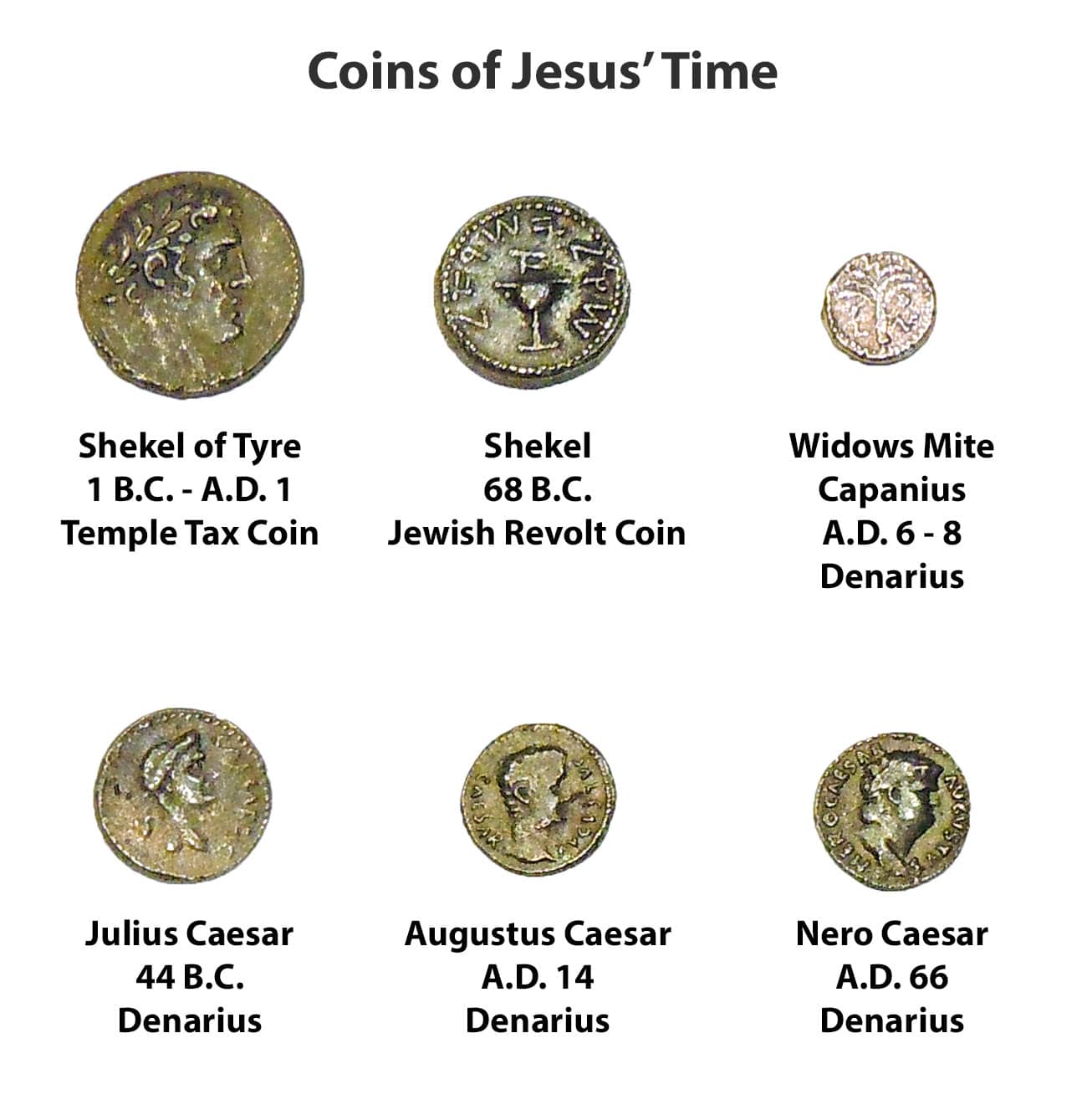
The concept of the shekel predates modern currency systems, emerging from the ancient Near East as a unit of weight. This historical context is crucial for understanding its enduring symbolism and re-establishment as a national currency.
Ancient Origins and Early Usage
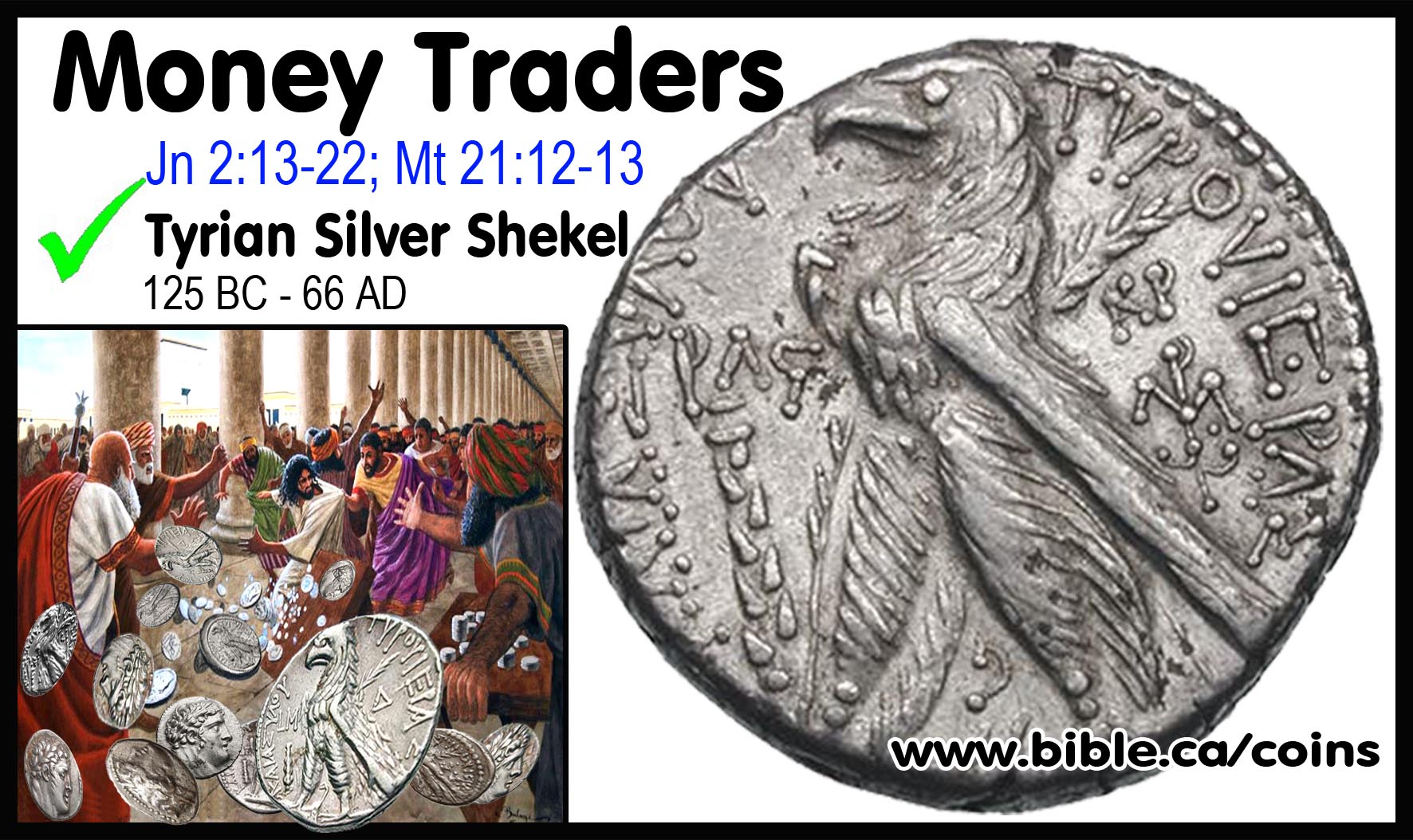
The word “shekel” itself derives from a Semitic root meaning “to weigh,” signifying its initial purpose. In ancient Mesopotamia, around 3000 BCE, the shekel was a unit of weight for barley, and later for metals like silver and gold. It served as a standard measure for trade and value across various ancient civilizations, including the Canaanites, Phoenicians, and Hebrews. In biblical times, the shekel was a significant measure for transactions, tributes, and even as a standard for assessing fines. For instance, the Torah mentions specific payments in shekels of silver, highlighting its established role in economic life. This early form of “currency” was not standardized coinage but rather a weight of a precious metal, requiring scales for verification in every transaction. This period laid the groundwork for the shekel’s association with wealth, value, and economic exchange.
Modern Reintroduction and Israel’s Currency
Following the establishment of the State of Israel in 1948, the country initially adopted the Israeli Lira (also known as the Israeli Pound) as its currency. However, persistent hyperinflation and economic instability in the late 1970s and early 1980s necessitated a radical change. In 1980, the Israeli Shekel (IS) was introduced to replace the Lira at a rate of 1 shekel for 10 Lirot, marking an early attempt at monetary reform. This initial shekel, however, also succumbed to high inflation. To combat this, a comprehensive economic stabilization plan was implemented in 1985, which included the introduction of a new currency: the Israeli New Shekel (ILS), symbolized as ₪. The New Shekel replaced the old Israeli Shekel at a rate of 1,000 old shekels to 1 new shekel, effectively re-denominating the currency and providing a fresh start. This strategic move was instrumental in stabilizing the Israeli economy and restoring public confidence in its monetary system, solidifying the ILS as a symbol of economic stability and national pride.
Understanding the Israeli New Shekel (ILS)
The Israeli New Shekel, often referred to simply as the shekel, is a modern, convertible currency with distinct features and a significant standing in global financial markets. Its design, denominations, and exchange rate dynamics are central to its role as a stable national currency.
Denominations and Features
The Israeli New Shekel is divided into 100 agorot (singular: agora). The currency circulates in both coin and banknote form.
- Banknotes: Currently issued in denominations of 20, 50, 100, and 200 new shekels. These banknotes feature prominent figures from Israeli culture, literature, and history, along with various security features to prevent counterfeiting. The latest series, known as Series C, introduced advanced holographic strips, watermarks, and unique tactile elements to enhance security and accessibility.
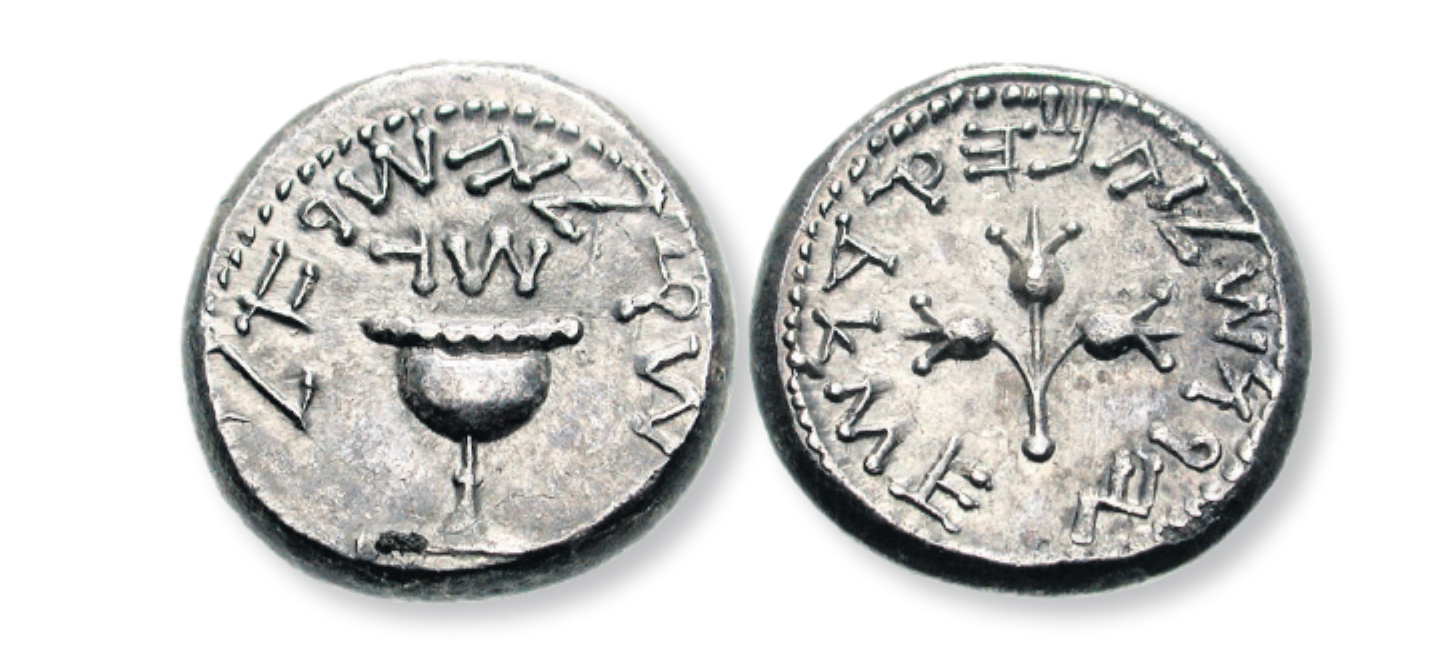
- Coins: Denominations include 10 agorot, ½ shekel, 1 shekel, 2 shekels, 5 shekels, and 10 shekels. Each coin typically depicts historical symbols or motifs relevant to Israeli heritage. For instance, the 10-agora coin features a menorah, while the 1-shekel coin displays a lily. The 2-shekel coin, colloquially known as a “shnekels,” and the 10-shekel coin, often referred to as a “shekel,” are also widely used.
The design of the New Shekel coinage and banknotes consistently reflects a blend of historical reverence and modern aesthetics, ensuring both security and cultural significance.
Exchange Rates and Global Standing
The value of the Israeli New Shekel is determined by a floating exchange rate regime, influenced by a multitude of economic factors. It is freely convertible and widely traded on international currency markets. Key factors impacting the ILS exchange rate include:
- Interest Rate Differentials: Decisions by the Bank of Israel regarding interest rates relative to other major economies (like the U.S. Federal Reserve or the European Central Bank) significantly impact the shekel’s attractiveness to foreign investors. Higher interest rates can strengthen the shekel by drawing in capital seeking better returns.
- Economic Performance: Israel’s robust economy, characterized by its thriving high-tech sector, strong GDP growth, and relatively low unemployment, provides fundamental support for the shekel. Positive economic data tend to bolster investor confidence and, consequently, the currency’s value.
- Geopolitical Stability: Due to its regional context, geopolitical developments can occasionally introduce volatility to the ILS. However, the market generally demonstrates resilience, and the shekel often recovers quickly from such events.
- Foreign Exchange Reserves: The Bank of Israel maintains substantial foreign exchange reserves, which it can use to intervene in the market to smooth excessive volatility or influence the currency’s direction, although such interventions are generally aimed at maintaining stability rather than targeting a specific rate.
- Foreign Direct Investment (FDI): Israel’s attractiveness as a destination for foreign investment, particularly in its booming technology sector, leads to consistent inflows of foreign currency, which can strengthen the shekel.
The shekel’s relative stability and strength over the past two decades are testaments to Israel’s sound economic management and its transformation into a global leader in innovation. It is recognized as one of the stronger emerging market currencies, often exhibiting characteristics more akin to developed market currencies.
The Shekel’s Role in Israel’s Economy
Beyond its function as a currency, the shekel plays a pivotal role in shaping Israel’s economic landscape, influencing everything from daily commerce to international trade and investment. Its stability is a cornerstone of the nation’s financial health.
Impact on Trade and Tourism
For a country heavily reliant on international trade and a significant tourism industry, the shekel’s exchange rate is a critical economic lever. A strong shekel makes imports cheaper, which can benefit consumers and businesses that rely on imported raw materials or goods. However, it can also make Israeli exports more expensive and thus less competitive in global markets, potentially impacting export-oriented industries, including the vital high-tech sector. Conversely, a weaker shekel would boost exports but increase the cost of imports.
In tourism, the shekel’s value directly affects the affordability of visiting Israel. A stronger shekel means tourists receive fewer shekels for their foreign currency, making their trip more expensive. Despite this, Israel’s unique attractions and robust tourist infrastructure continue to draw millions, contributing significantly to foreign currency inflows and supporting the local economy. Businesses involved in retail, hospitality, and services catering to tourists closely monitor the shekel’s movements, as it impacts their pricing strategies and profitability.
Monetary Policy and the Bank of Israel
The Bank of Israel (BOI) is the central bank responsible for formulating and implementing monetary policy, with the primary objective of maintaining price stability, supporting economic growth, and ensuring the stability of the financial system. Its key tools and actions concerning the shekel include:
- Interest Rate Decisions: The BOI sets the key interest rate, which influences borrowing costs for banks and, subsequently, for consumers and businesses. Adjusting interest rates is a primary mechanism to control inflation and stimulate or cool economic activity, directly impacting the shekel’s attractiveness for carry trade and foreign investment.
- Foreign Exchange Interventions: As mentioned, the BOI occasionally intervenes in the foreign exchange market by buying or selling foreign currency to mitigate sharp fluctuations in the shekel’s value, which could otherwise harm the export sector or increase inflationary pressures. These interventions are strategic and aimed at maintaining orderly market conditions.
- Inflation Targeting: Israel operates under an inflation-targeting framework, typically aiming for inflation within a range of 1% to 3% annually. The BOI’s policies are geared towards achieving this target, which directly influences the purchasing power of the shekel and consumer confidence.
- Reserve Requirements: The BOI also sets reserve requirements for commercial banks, influencing the amount of money banks have available for lending, thereby impacting the overall money supply in the shekel economy.
The Bank of Israel’s independent and often proactive monetary policy has been instrumental in preserving the shekel’s stability and contributing to Israel’s robust economic performance, even in the face of regional and global challenges.
Navigating Shekel-Denominated Investments and Transactions
For individuals and businesses looking to engage financially with Israel, understanding how to handle shekel-denominated assets and transactions is crucial. This extends from foreign exchange for personal travel to complex international investments.
Investing in Israeli Markets
Israel’s economy, particularly its high-tech sector, presents attractive opportunities for investors. Investing in shekel-denominated assets, such as Israeli equities, government bonds (shekel bonds), or real estate, involves currency exposure.
- Equity Markets: The Tel Aviv Stock Exchange (TASE) offers a diverse range of listed companies, from established banks and industrial firms to innovative technology startups. Foreign investors gain exposure to these companies, but their returns, when converted back to their home currency, will also be affected by the ILS exchange rate. A strengthening shekel would boost returns, while a weakening shekel would erode them.
- Government Bonds: Israeli government bonds (Gilts) are considered relatively safe investments. They offer fixed income returns and are available in various maturities. For foreign investors, these bonds provide a way to earn interest while gaining exposure to the shekel.
- Real Estate: Israel’s real estate market has seen significant appreciation, particularly in urban centers. Investing in property involves substantial shekel transactions and requires careful consideration of local market dynamics and potential currency fluctuations.
- Currency Hedging: Investors with significant exposure to the shekel may consider currency hedging strategies using forward contracts or options to mitigate the risk of adverse currency movements. This is particularly relevant for long-term investments where exchange rate volatility can impact overall returns.
Practical Considerations for Travelers and Businesses
For anyone traveling to Israel or conducting business there, managing shekel transactions efficiently is key to financial prudence.
- Foreign Exchange for Travelers: It’s generally advisable to exchange a small amount of currency before arrival or use ATMs (which dispense shekels) upon landing for better exchange rates than airport kiosks. Major credit and debit cards are widely accepted throughout Israel, but it’s always good to have some cash for smaller vendors or emergencies.
- International Transfers: For businesses, making or receiving payments in shekels requires navigating international wire transfers or utilizing specialized foreign exchange services. Understanding conversion fees, exchange rates, and bank transfer times is crucial for efficient cash flow management.
- Pricing Strategies for Businesses: Businesses operating in Israel or exporting to Israel must factor the shekel’s exchange rate into their pricing strategies, contract terms, and financial projections to manage currency risk effectively and ensure profitability.
- Inflation and Cost of Living: While the Bank of Israel has been successful in maintaining price stability, awareness of local inflation rates is important for budgeting and financial planning, both for residents and long-term visitors.
The shekel, therefore, is not just a unit of currency but a dynamic financial instrument that requires careful consideration for anyone operating within the Israeli economic sphere, from personal finance decisions to sophisticated investment strategies. Its journey from an ancient unit of weight to a modern, stable, and technologically advanced national currency reflects Israel’s remarkable economic evolution.
aViewFromTheCave is a participant in the Amazon Services LLC Associates Program, an affiliate advertising program designed to provide a means for sites to earn advertising fees by advertising and linking to Amazon.com. Amazon, the Amazon logo, AmazonSupply, and the AmazonSupply logo are trademarks of Amazon.com, Inc. or its affiliates. As an Amazon Associate we earn affiliate commissions from qualifying purchases.