
Reparative therapy, also known as conversion therapy, stands as one of the most contentious topics at the intersection of psychology, ethics, and social justice. While its primary definition lies in attempts to change an individual’s sexual orientation or gender identity, understanding “what it is” also necessitates an exploration of its brand identity, its proponents’ marketing strategies, and the vigorous counter-branding efforts from its opponents. From a brand perspective, reparative therapy represents a service whose public image has undergone significant transformation, from a purportedly legitimate therapeutic intervention to a widely discredited and often condemned practice.

The Brand Identity of a Controversial Practice
At its core, any “therapy” offers a promise—a solution to a perceived problem. Reparative therapy, as a brand, initially positioned itself as a means to “fix” or “cure” same-sex attraction or gender non-conformity. Its brand identity was built upon a specific interpretation of human sexuality and gender, often rooted in religious or conservative ideologies that view LGBTQ+ identities as disorders or moral failings.
Defining Reparative Therapy: Its Core Proposition (from a Branding Lens)
From a branding standpoint, reparative therapy’s initial value proposition was clear: it offered a pathway for individuals experiencing same-sex attraction or gender dysphoria (in a non-affirming context) to align with heterosexual or cisgender norms. This was marketed as achieving “heterosexual integration” or “gender congruence,” promising personal peace, familial acceptance, and spiritual harmony. Early proponents often framed it as providing “freedom” from unwanted attractions or internal conflict, appealing to individuals seeking conformity or relief from societal pressures. The brand aimed to alleviate distress, but often by pathologizing inherent identities rather than addressing external discrimination or internal struggles born from societal expectations. This positioning strategy, however, relied heavily on a foundational assumption that homosexuality and gender diversity were conditions amenable to change—an assumption that has since been overwhelmingly rejected by mainstream medical and psychological organizations.
Historical Context and Shifting Perceptions of its “Brand”
The brand trajectory of reparative therapy is a stark case study in the power of scientific consensus and advocacy. Initially gaining traction in the mid-20th century, particularly within certain religious communities, its brand was somewhat normalized by association with therapeutic language, even if it operated outside mainstream scientific validation. Psychotherapists like Joseph Nicolosi became prominent figures, contributing to the “brand image” through books, clinics, and media appearances that framed the practice as legitimate.
However, as understanding of human sexuality and gender evolved, the brand began to erode. The landmark decision by the American Psychiatric Association (APA) to remove homosexuality from its diagnostic manual in 1973 was a pivotal moment, fundamentally undermining the premise upon which reparative therapy’s brand was built. Over subsequent decades, major professional medical and psychological organizations worldwide—including the APA, the American Psychological Association (also APA), the American Medical Association (AMA), and the World Health Organization (WHO)—have issued strong condemnations, declaring it ineffective, harmful, and unethical. This collective, authoritative voice effectively “de-branded” reparative therapy as a legitimate medical or psychological intervention, pushing its image from therapeutic solution to harmful pseudo-science.
Marketing and Advocacy: Shaping Public Perception
The battle over reparative therapy is, in many ways, a battle of brands and messaging. Both proponents and opponents employ sophisticated marketing and advocacy strategies to shape public perception, influence policy, and define the discourse around sexual orientation and gender identity.
Messaging Strategies of Proponents
Despite widespread condemnation, organizations and individuals continue to advocate for reparative therapy. Their marketing strategies often involve:
- Reframing and Renaming: Recognizing the negative connotations of “reparative therapy” and “conversion therapy,” proponents often rebrand their services with euphemisms. Terms like “sexual attraction fluidity exploration in therapy (SAFE-T),” “sexual identity therapy,” “unwanted same-sex attraction counseling,” or “gender identity exploration” are used to soften the image, avoid direct association with the discredited term, and imply a focus on client autonomy or exploration rather than outright conversion. This is a classic brand refresh tactic to escape negative equity.
- Targeted Outreach: Marketing efforts are often highly targeted towards specific demographics, particularly religious communities, conservative groups, or individuals experiencing internal conflict regarding their sexual orientation or gender identity due to faith or family pressures. Websites, community forums, and religious counseling networks serve as primary channels.
- Emphasis on “Choice” and “Freedom”: Messaging frequently centers on the idea of an individual’s “right to choose” their identity or to seek help for “unwanted” feelings. This frames the therapy as an act of personal empowerment and autonomy, attempting to bypass ethical criticisms by focusing on individual liberty. This brand narrative directly counters the narrative of coercion and harm.
- Personal Testimonials and Anecdotes: Proponents often highlight individual “success stories” or testimonials from people who claim to have changed their sexual orientation or reduced same-sex attractions. These personal narratives serve as powerful emotional marketing tools, providing anecdotal evidence to counteract scientific consensus.
- Professionalizing the Image: Efforts are made to present practitioners as legitimate therapists, counselors, or coaches, often featuring credentials (even if from non-accredited or ideologically aligned institutions) and professional-looking websites to lend an air of credibility to the brand.
Counter-Branding by Opponents
The LGBTQ+ advocacy community, major medical associations, and human rights organizations have engaged in robust counter-branding efforts to dismantle the legitimacy of reparative therapy and expose its harms. Their strategies include:
- Unified Condemnation and Public Education: A consistent and unified message from authoritative bodies (medical, psychological, ethical) serves as a powerful counter-brand. Campaigns focus on educating the public about the scientific consensus: that sexual orientation and gender identity are immutable, and attempts to change them are ineffective and harmful. This aims to strip the “therapy” of any perceived therapeutic legitimacy.
- Highlighting Harm and Trauma: Opponents frequently share stories of survivors who have experienced significant psychological distress, depression, anxiety, self-harm, and suicidal ideation as a result of undergoing reparative therapy. These personal narratives are crucial in demonstrating the brand’s negative impact, contrasting sharply with the “healing” brand promoted by proponents.
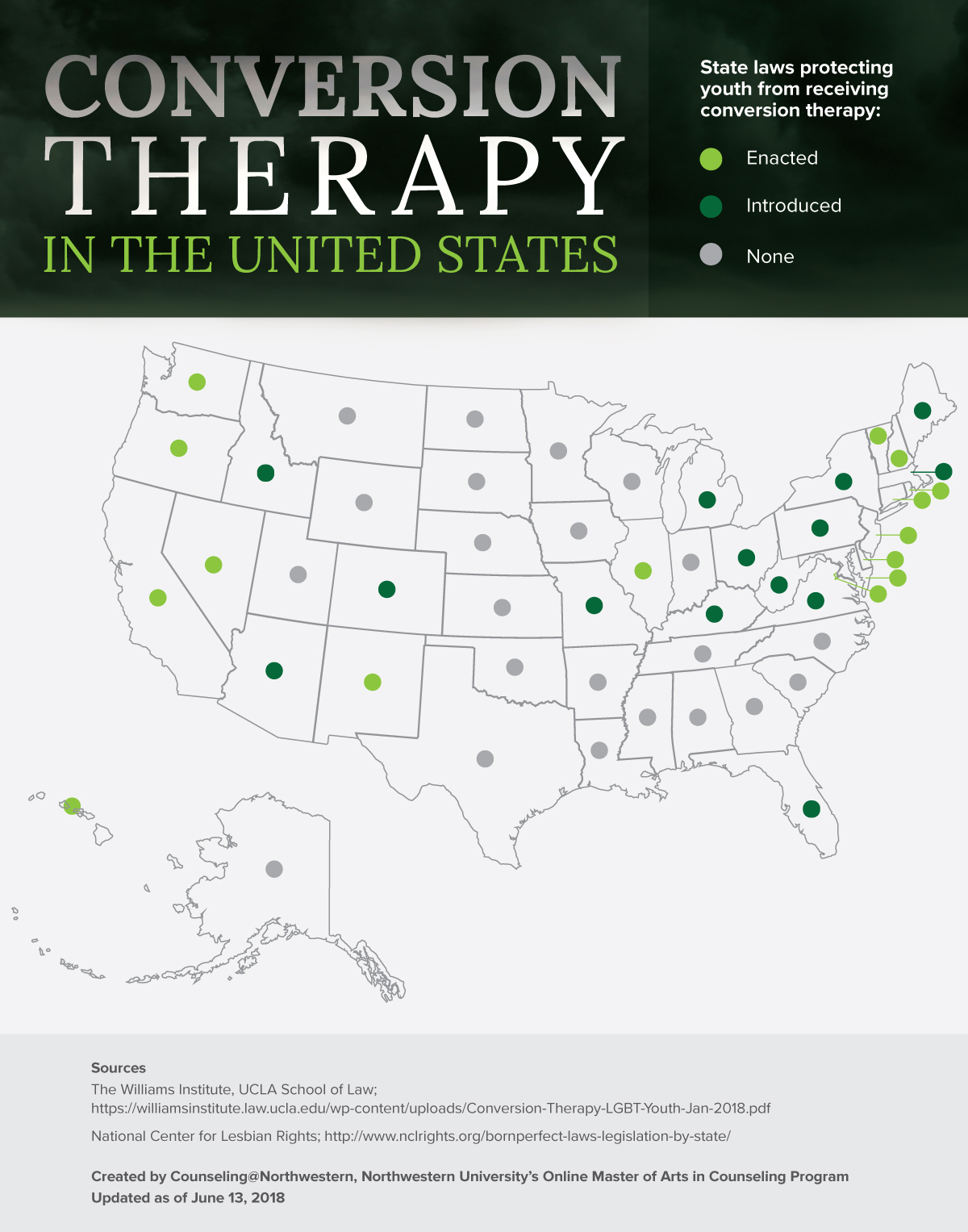
- Advocacy for Bans and Legislation: The legislative efforts to ban reparative therapy for minors in numerous jurisdictions (states, provinces, countries) are a direct attack on its operational brand. These bans signal to the public that the practice is dangerous and unworthy of legal protection, effectively diminishing its perceived value and legality.
- Strategic Use of Media and Social Campaigns: Activists and advocacy groups utilize social media, documentary films, news articles, and public service announcements to amplify their message, expose practitioners, and push back against misleading marketing from proponents. The use of terms like “torture” or “abuse” in these campaigns is an aggressive branding tactic to associate the practice with severe moral condemnation.
- Empowering Affirmative Care: Rather than just condemning, opponents also promote a positive alternative brand: affirmative therapy. This approach validates LGBTQ+ identities and focuses on supporting individuals to live authentically, fostering resilience, and addressing internalized homophobia or transphobia. This offers a reputable, ethical, and effective brand of care.
Corporate Identity and Personal Branding in the Field
The individuals and organizations involved in reparative therapy, whether as providers or advocates, inevitably cultivate specific corporate and personal brands that contribute to or detract from the overall perception of the practice.
Organizational Branding: From Clinics to Advocacy Groups
Organizations that offer or promote reparative therapy often develop a corporate identity tailored to their target audience. This can range from:
- Discreet Counseling Centers: Some operate as seemingly benign counseling services, using neutral language on their websites and in their promotional materials, downplaying the specific nature of their interventions to avoid public scrutiny. Their brand emphasizes confidentiality, support, and choice.
- Faith-Based Ministries: Many reparative therapy services are embedded within religious organizations. Their corporate identity is often overtly faith-based, linking “healing” from same-sex attraction to spiritual purity or adherence to religious doctrine. Their brand relies on religious authority and community trust.
- Advocacy Organizations: Groups like the National Association for Research & Therapy of Homosexuality (NARTH), though increasingly marginalized, historically provided a “professional” facade for the practice, attempting to brand it with scientific legitimacy through publications, conferences, and expert panels.
Conversely, organizations leading the charge against reparative therapy—such as The Trevor Project, Human Rights Campaign, and major professional associations—have distinct, powerful corporate identities centered on human rights, scientific integrity, and mental health advocacy. Their branding emphasizes safety, inclusivity, and evidence-based care, directly challenging the foundational premises and perceived legitimacy of reparative therapy.
The Personal Brand of Practitioners and Activists
Individual therapists, religious leaders, and advocates on both sides of the issue also build personal brands that influence the broader narrative. Proponents like the late Joseph Nicolosi established personal brands as “experts” in “reorientation” and “healing” from homosexuality, leveraging media appearances and academic-sounding publications to create an aura of authority. Today, those who still practice often cultivate a niche personal brand as specialists in “integrative” or “values-based” therapy for “unwanted attractions,” attempting to carve out a legitimate space for themselves despite mainstream opposition.
On the other side, survivors, LGBTQ+ activists, and mental health professionals who speak out against reparative therapy build personal brands rooted in advocacy, lived experience, and ethical practice. Their personal stories and professional critiques are crucial in humanizing the issue and giving voice to the harms, thereby directly attacking the brand of reparative therapy through powerful personal testimonials and ethical authority.
Brand Erosion and Reputation Management
Reparative therapy’s journey through public perception is a classic example of severe brand erosion, necessitating constant reputation management efforts from its remaining proponents and continuous vigilance from its opponents.
The Impact of Medical Condemnation on its Brand
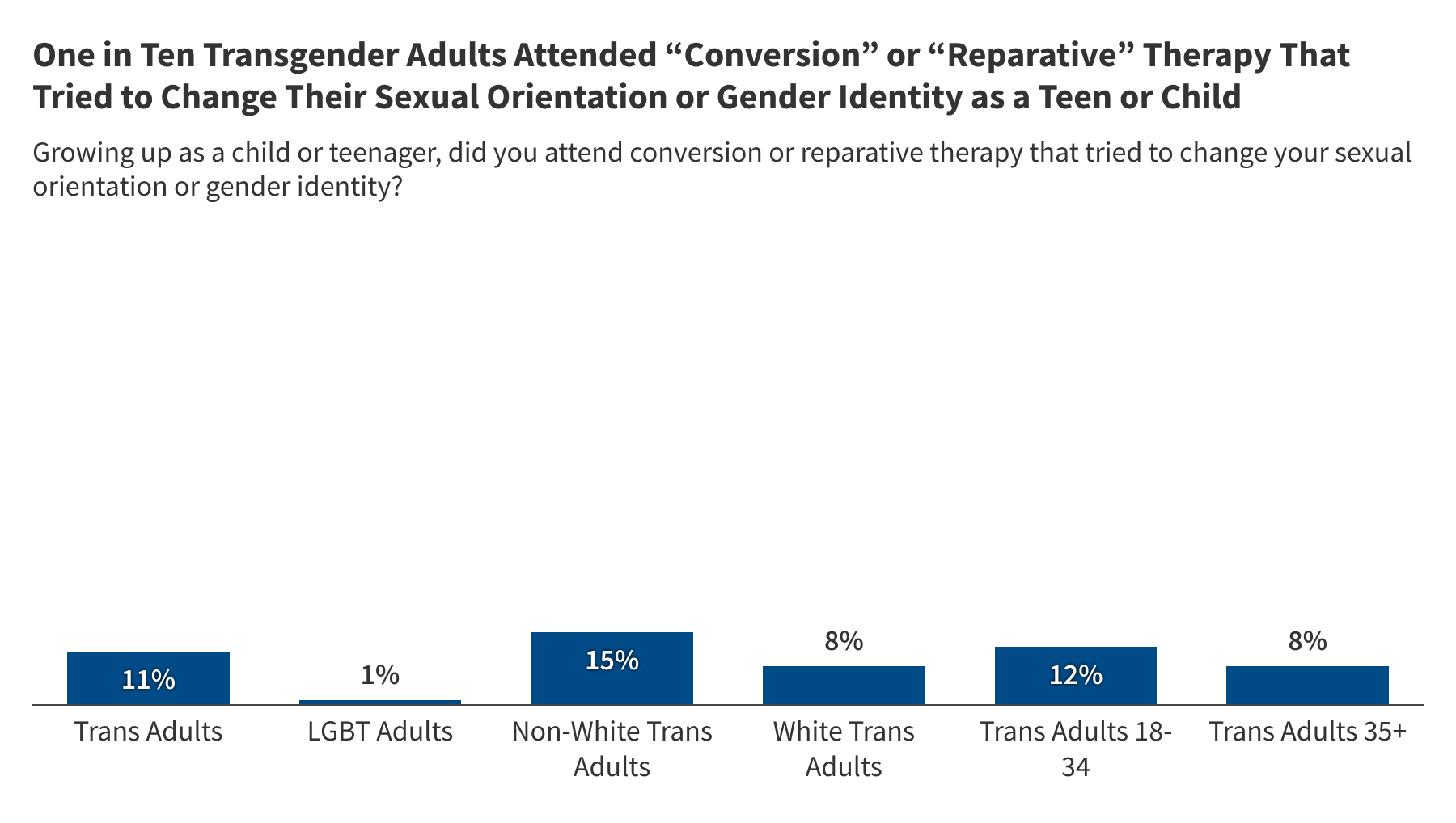
The consistent and unequivocal condemnation by virtually every major medical and psychological association worldwide has irrevocably damaged the brand of reparative therapy. This unified professional voice acts as an ultimate authority, signaling to the public, policymakers, and insurers that the practice is not only ineffective but harmful. This has led to:
- Loss of Credibility: The brand has lost virtually all scientific and therapeutic credibility.
- Legal Challenges and Bans: The condemnations provide the ethical and scientific bedrock for legal bans, further marginalizing the practice and tainting its brand with illegality in many contexts.
- Insurance Denials: Many insurance providers refuse to cover such therapies, recognizing their lack of medical basis, which further impacts the commercial viability and perceived legitimacy of the “service.”
Navigating Legal and Ethical Challenges (Brand Risk, Crisis Management)
For those who continue to offer reparative therapy, brand risk management has become paramount. They face:
- Reputational Damage: Being publicly identified with “conversion therapy” can lead to severe reputational damage, professional sanctions, and public outcry.
- Legal Liability: Practitioners can face lawsuits from former clients, ethics complaints from professional bodies, and even criminal charges in jurisdictions where bans are in place.
- Public Relations Crisis: Any public exposure of their practices often results in a swift and overwhelmingly negative media response, requiring extensive crisis communication, often involving further rebranding efforts to deflect criticism or deny controversial aspects of their approach.
In conclusion, “what is reparative therapy” is not merely a clinical definition, but a narrative shaped by its brand identity. It is a service whose initial market positioning has been systematically dismantled by scientific consensus and sustained advocacy, leading to a profound erosion of its public image and a desperate need for re-branding from its remaining proponents, all while facing powerful counter-branding campaigns that highlight its inherent harms and ethical failings.
aViewFromTheCave is a participant in the Amazon Services LLC Associates Program, an affiliate advertising program designed to provide a means for sites to earn advertising fees by advertising and linking to Amazon.com. Amazon, the Amazon logo, AmazonSupply, and the AmazonSupply logo are trademarks of Amazon.com, Inc. or its affiliates. As an Amazon Associate we earn affiliate commissions from qualifying purchases.