
The question “what is PayPal bank” frequently arises as individuals and businesses navigate the complex landscape of digital finance. While PayPal is undeniably a pivotal player in modern financial transactions, operating with many functionalities akin to a traditional bank, it is crucial to understand that PayPal is not, in the strict legal and regulatory sense, a chartered bank. Instead, PayPal functions as a licensed money transmitter and a financial technology (fintech) company, offering a broad spectrum of services that enable peer-to-peer payments, online shopping, and business financial management.
Decoding PayPal’s Financial Identity
Understanding PayPal’s operational model requires a clear distinction between its practical services and its legal classification. Though it facilitates transactions, holds balances, and even offers credit, its regulatory framework differs significantly from that governing a traditional banking institution.
Is PayPal a Bank? The Regulatory Landscape
Legally speaking, PayPal is not a bank. It does not hold a federal or state banking charter in the United States, nor is it a licensed bank in most other jurisdictions. This distinction has significant implications, particularly concerning regulatory oversight and consumer protection. Traditional banks are subject to stringent regulations from bodies like the Federal Reserve, the Office of the Comptroller of the Currency (OCC), and the Federal Deposit Insurance Corporation (FDIC) in the U.S. These regulations mandate capital reserves, liquidity requirements, and provide deposit insurance (e.g., FDIC insurance up to $250,000 per depositor).
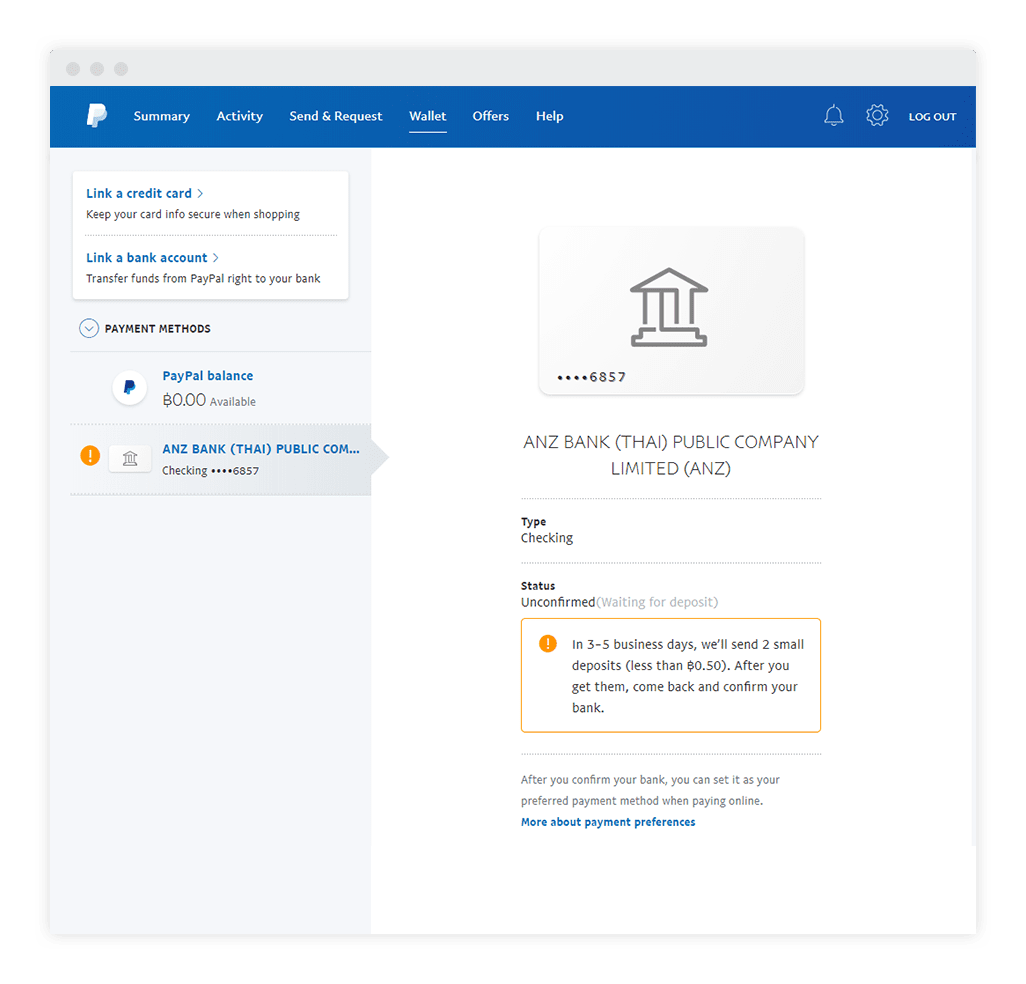
PayPal, by contrast, is regulated primarily as a money transmitter. This means it must comply with anti-money laundering (AML) laws, know-your-customer (KYC) rules, and various state-level money transmission laws. While these regulations ensure a degree of safety and prevent illicit financial activities, they do not provide the same level of consumer protection as traditional banking regulations, particularly regarding deposit insurance. Funds held in a PayPal account are generally not FDIC-insured, meaning that in the unlikely event of PayPal’s insolvency, user balances might not be protected in the same way bank deposits are. Some PayPal products, like PayPal Savings, partner with FDIC-insured banks to offer insured deposits, but this is a specific feature, not a general characteristic of all PayPal balances.
How PayPal Operates Like a Bank (Without Being One)
Despite its non-bank status, PayPal offers many services that mimic those of a traditional bank, making the common confusion understandable. It allows users to:
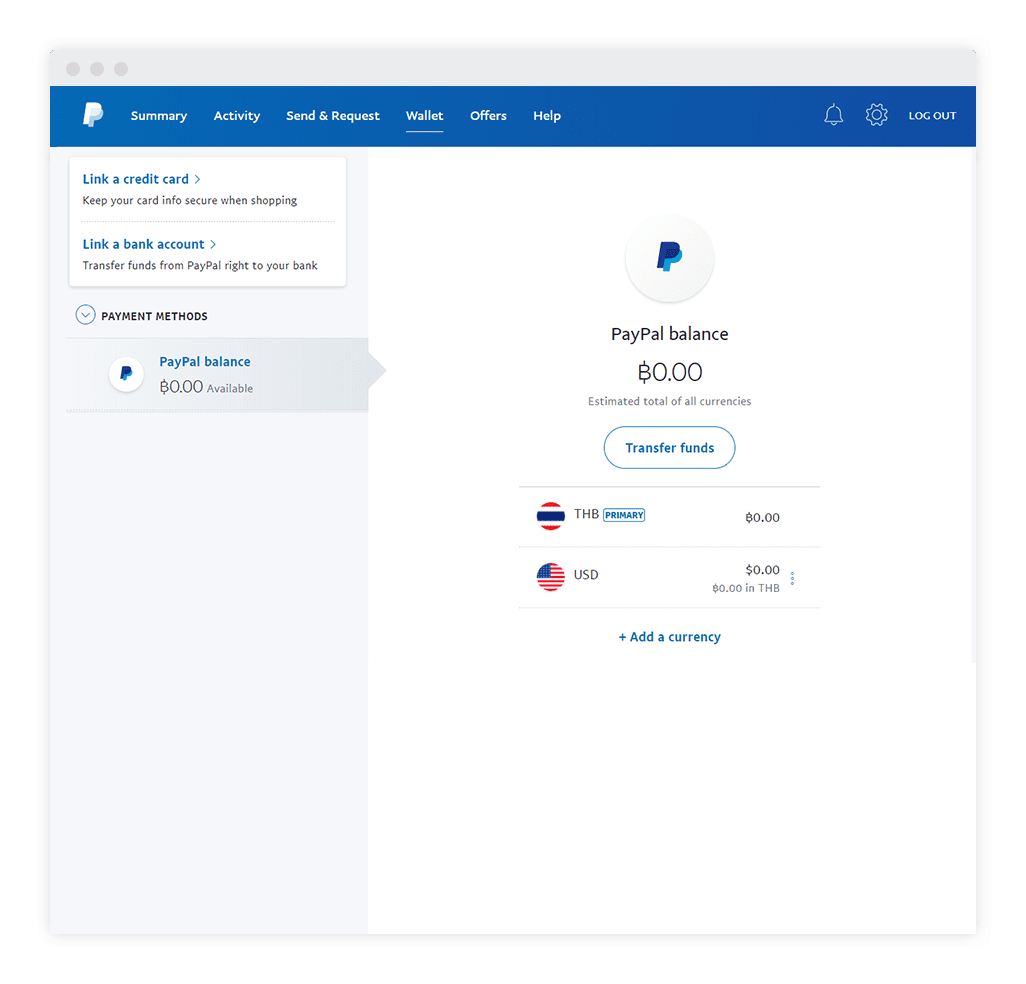
- Hold Balances: Users can store funds in their PayPal accounts, effectively acting as a digital wallet or demand deposit account.
- Send and Receive Money: Facilitates transfers between individuals and businesses, much like wire transfers or electronic funds transfers (EFTs).
- Make Payments: Enables purchases online and in some physical stores, similar to debit card transactions.
- Offer Credit and Loans: Through services like PayPal Credit (formerly Bill Me Later) and working capital loans for businesses, PayPal extends credit, a core banking function.
- Provide Debit Cards: The PayPal Debit Mastercard allows users to access their PayPal balance for purchases and ATM withdrawals, much like a traditional bank debit card.
These functionalities position PayPal as a critical financial tool, bridging gaps between traditional banking and the evolving digital economy.
Key Financial Services Offered by PayPal
PayPal’s suite of services extends far beyond simple money transfers, encompassing a broad range of financial tools tailored for both personal and business use.
Sending and Receiving Money
At its core, PayPal excels in facilitating instant, secure money transfers. Individuals can send funds to friends and family with just an email address or phone number, often without fees for personal transfers funded by a bank account or PayPal balance. Businesses, freelancers, and online sellers rely on PayPal to receive payments from customers globally, though these transactions typically incur fees. This global reach and ease of use have made it an indispensable tool for international remittances and cross-border commerce.
Online Shopping and Payments
PayPal has become a ubiquitous payment method for online shopping. Millions of e-commerce websites integrate PayPal’s checkout system, allowing users to pay quickly and securely without repeatedly entering credit card details. This convenience, coupled with PayPal’s buyer protection policies, has fostered significant trust among online shoppers. Consumers can link various funding sources, including bank accounts, debit cards, and credit cards, to their PayPal accounts, providing flexibility in how they pay.
Business Solutions: Invoicing, Payments, and Loans
For businesses, PayPal offers a comprehensive ecosystem of financial tools. Small to medium-sized enterprises (SMEs) and sole proprietors use PayPal to:
- Process Customer Payments: Accept payments via their websites, in person (with PayPal Here), or through custom links.
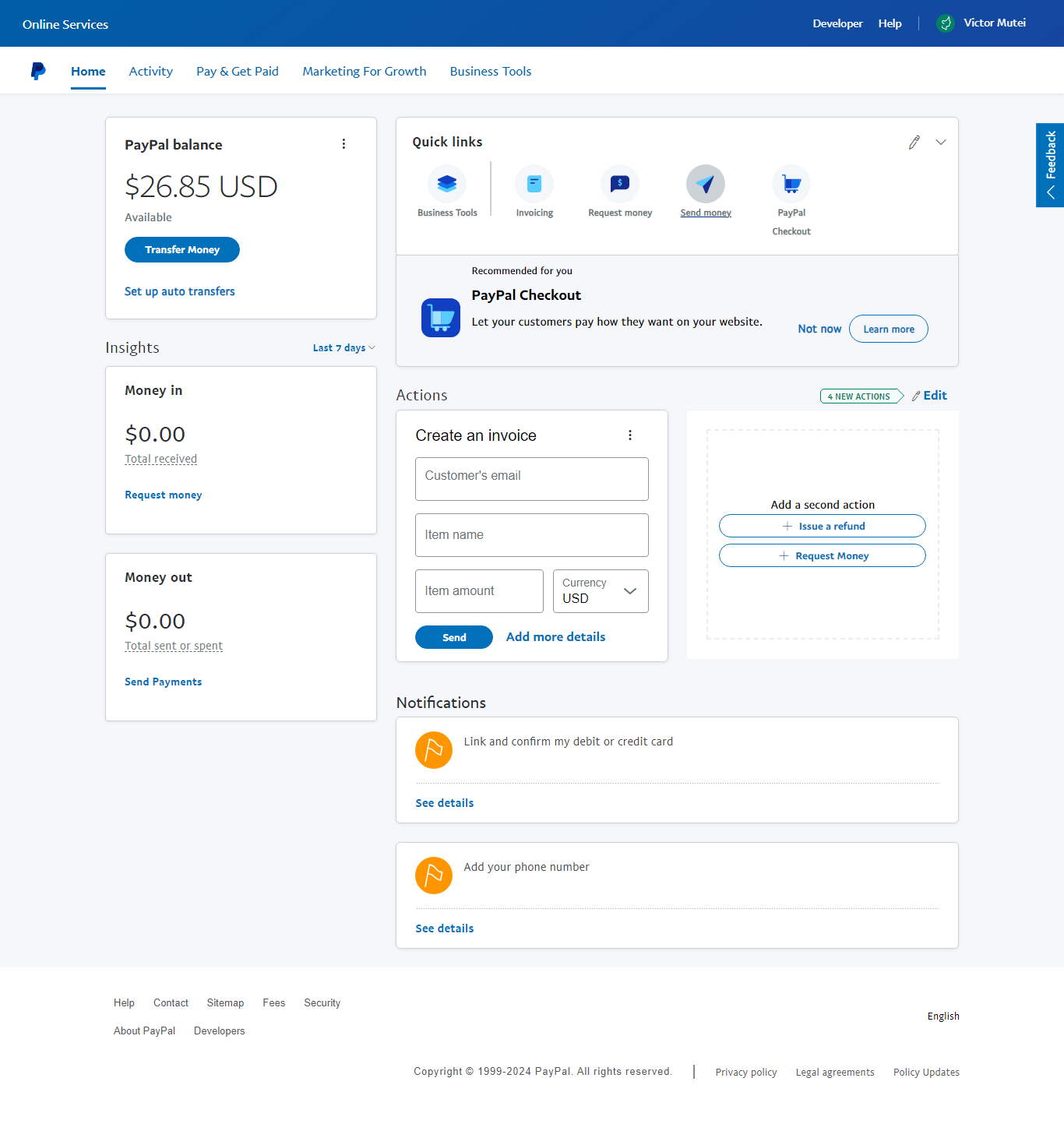
- Generate Invoices: Create and send professional invoices directly from the platform, tracking payment status.
- Manage Subscriptions: Set up recurring billing for subscription services.
- Access Working Capital: Eligible businesses can apply for PayPal Working Capital loans, providing quick access to funds based on their PayPal sales history. These loans are repaid automatically as a percentage of daily sales.
- Pay Vendors and Employees: Streamline outgoing payments, although payroll functionalities are often integrated via third-party services.
These services empower businesses to manage their cash flow and payment processing efficiently, often at a lower cost than traditional merchant services.
PayPal Credit and Debit Cards
PayPal expands its reach into more traditional banking territory through its card offerings.
- PayPal Credit: This is a line of credit that users can apply for and utilize for online purchases wherever PayPal is accepted. It often includes promotional financing offers, such as no interest if paid in full within a specific period, making it a flexible short-term financing option similar to a store credit card or a bank’s line of credit.
- PayPal Debit Mastercard: This card links directly to a user’s PayPal balance, allowing them to spend funds held in their PayPal account anywhere Mastercard is accepted. It functions like a standard debit card, enabling ATM withdrawals and in-store purchases, bridging the gap between digital PayPal funds and the physical world of commerce.
The Advantages of Using PayPal for Financial Management
PayPal’s appeal lies in its distinct advantages that cater to modern financial needs, particularly in an increasingly digital world.
Convenience and Accessibility
One of PayPal’s most compelling benefits is its unparalleled convenience. Setting up an account is straightforward, and once established, users can manage their finances from virtually anywhere with an internet connection, using a computer or mobile device. This accessibility makes it easy to send money, pay bills, or make purchases without needing to visit a physical bank branch or carry cash. The simplicity of using an email address for transactions eliminates the need to share sensitive bank details repeatedly.
Security Measures for Financial Transactions
Despite not being a bank, PayPal places a strong emphasis on security. It employs advanced encryption technology to protect users’ financial information and sensitive data during transactions. PayPal also offers robust buyer protection programs, which can help users recover funds if an eligible purchase doesn’t arrive or is significantly not as described. Similarly, seller protection policies provide a layer of security for merchants against fraudulent claims and chargebacks. These measures instill confidence and reduce the risks associated with online financial interactions.
Global Reach and Currency Exchange
PayPal’s extensive global network is a significant advantage, particularly for international transactions. It supports payments in over 200 countries and 25 currencies, simplifying cross-border commerce and remittances. While currency conversion fees apply, the platform offers a convenient way to send or receive money internationally without the complexities and often higher costs associated with traditional international bank transfers or foreign exchange services. This global interoperability makes PayPal a preferred choice for individuals with international connections and businesses operating in a global marketplace.
Understanding the Limitations and Alternatives
While PayPal offers numerous benefits, it’s essential for users to understand its limitations and consider how it compares to traditional banking or other fintech solutions.
Differences from Traditional Banking
The primary distinction remains regulatory protection. Unlike traditional bank accounts, PayPal balances are not typically FDIC-insured. This means that in the rare event of PayPal’s financial failure, your funds might not be protected. Furthermore, traditional banks offer a wider range of services, including mortgages, complex investment accounts, safe deposit boxes, and in-person advisory services that PayPal does not directly provide. Traditional banks also often have physical branches, which can be crucial for certain transactions or customer support needs.
Fees and Transaction Costs
While personal transfers funded by a PayPal balance or linked bank account are often free within the same country, other transactions incur fees. These include fees for receiving commercial payments (e.g., from sales), international transfers, currency conversions, and sometimes for using debit or credit cards as funding sources for personal payments. These fees can accumulate, especially for high-volume business users or frequent international transactions, and it’s important to understand the fee structure to manage costs effectively.
Consumer Protection Nuances
While PayPal offers buyer and seller protection, these policies have specific terms and conditions. They do not cover all types of transactions (e.g., certain intangible goods or services). The resolution process for disputes can sometimes be lengthy, and the outcomes are not always guaranteed. This contrasts with the broader legal frameworks and government oversight that protect consumers using traditional banks, which might offer more predictable and robust recourse in certain situations.
PayPal’s Role in the Evolving Financial Ecosystem
PayPal is not merely a payment processor; it is a significant innovator shaping the future of finance, especially in the context of digital transformation.
The Rise of Digital Wallets and Fintech
PayPal was one of the original pioneers of digital wallets and continues to evolve as a leading fintech company. It has helped normalize the concept of storing money digitally and making transactions without physical cash or cards. Its continuous development in areas like mobile payments, QR code transactions, and integrations with various online platforms positions it at the forefront of the digital payment revolution, competing and collaborating with other emerging fintech players.
Integration with Other Financial Tools
PayPal seamlessly integrates with a vast array of other financial tools and platforms. It often serves as a funding source or payment option for various investment apps, budgeting tools, e-commerce platforms, and even crowdfunding sites. This interconnectedness allows users to centralize aspects of their financial lives, using PayPal as a hub for managing digital transactions across multiple services. Its open API (Application Programming Interface) model encourages developers to build applications and services that leverage PayPal’s payment infrastructure, further embedding it into the broader digital economy.
In conclusion, while “PayPal bank” is a misnomer in the strict legal sense, the term reflects the vast array of financial services PayPal provides, often mirroring those of traditional banks. It operates as a powerful financial technology company, offering convenience, security, and global reach for digital transactions, playing an indispensable role in personal and business finance in the 21st century.
aViewFromTheCave is a participant in the Amazon Services LLC Associates Program, an affiliate advertising program designed to provide a means for sites to earn advertising fees by advertising and linking to Amazon.com. Amazon, the Amazon logo, AmazonSupply, and the AmazonSupply logo are trademarks of Amazon.com, Inc. or its affiliates. As an Amazon Associate we earn affiliate commissions from qualifying purchases.