
Flying with or sending a minor on a flight involves a complex interplay of logistical, legal, and crucially, financial considerations. Beyond the necessary documentation and airline policies, a robust understanding and meticulous planning of the financial landscape are paramount to ensure a smooth, secure, and stress-free journey. For parents, guardians, or anyone facilitating a minor’s air travel, identifying and preparing for the various costs and financial implications is an essential part of the process, moving far beyond simply purchasing a ticket.
Unpacking the Financial Implications of Minor Travel
The financial requirements for a minor to fly extend well beyond the basic fare, encompassing a range of direct and indirect costs that demand careful budgeting and foresight. Understanding these various expenditures is the first step in comprehensive financial planning for a minor’s journey.
Core Travel Expenses: Beyond the Ticket Price
While the cost of the plane ticket is the most obvious financial outlay, it represents only a fraction of the total expenditure. Airlines often impose additional fees that can significantly inflate the overall cost of travel, particularly when minors are involved. These can include seat selection fees, especially if you wish for the minor to be seated next to an accompanying adult or in a preferred location. Baggage fees are another common charge; while carry-on allowances exist, checked luggage often incurs a fee per bag, which can accumulate rapidly, particularly for longer trips or if multiple minors are traveling. Some budget airlines also charge for amenities like blankets, pillows, or in-flight entertainment, which might be desirable for a minor’s comfort during a long flight. Furthermore, taxes and airport fees are standard components of airfare, but their specific amounts can vary depending on the destination and departure point, adding another layer of cost to consider.
The Cost of Unaccompanied Minor Services
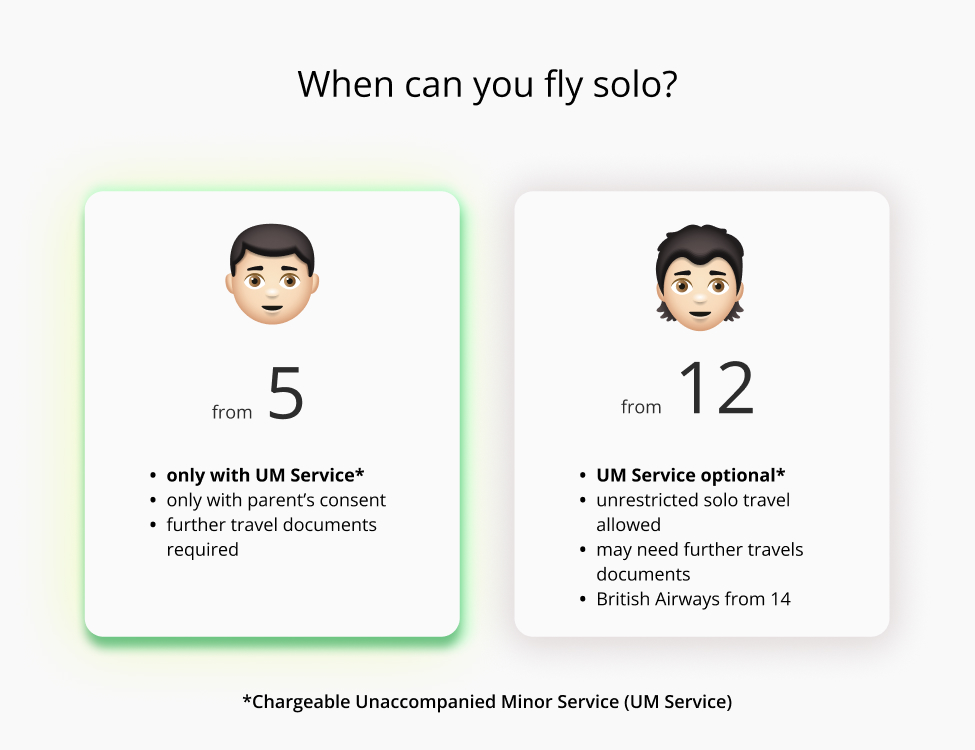
For minors traveling alone, airline-specific unaccompanied minor (UM) services are often mandatory for certain age groups (typically 5-11 years old) and optional for others (usually 12-17 years old). These services provide supervision from airline staff from check-in to arrival, ensuring the child is safely escorted through airports and onto the correct flights. The financial implications of UM services are substantial. Fees can range from $100 to $150 or more per one-way trip, per child, on domestic flights, and can be even higher for international travel or connecting flights. These costs are separate from the airfare and are non-negotiable if the service is required by the airline’s policy for the minor’s age. Parents must factor these significant charges into their budget, as failure to account for them can lead to unexpected financial strain or even last-minute travel disruptions. It’s crucial to research each airline’s specific UM policy and associated fees well in advance, as they vary widely.
Document Preparation: Fees for Passports, Visas, and Notarizations
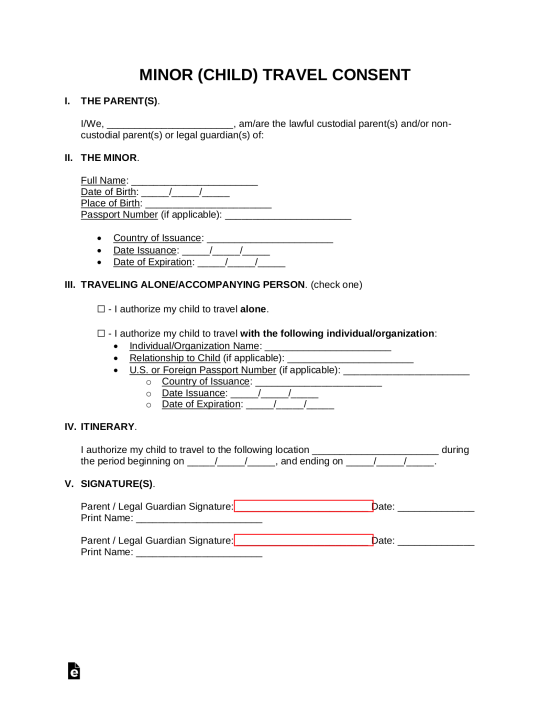
Proper identification and authorization are non-negotiable for a minor to fly, especially for international travel, and these requirements come with their own set of costs. Obtaining a U.S. passport for a minor, for example, involves application fees, execution fees, and potentially expedited service fees if time is a factor. These costs can sum up to several hundred dollars for a new passport, which typically lasts five years for minors. Beyond passports, some international destinations require minors to obtain a visa, which also entails application fees that can vary significantly based on the country, type of visa, and processing speed. Moreover, many airlines and countries require a notarized consent letter from any parent or legal guardian not traveling with the minor. Notary services, while generally inexpensive per document, represent an additional financial detail that needs to be addressed. Collecting and processing all necessary documentation often involves appointment fees, photocopying costs, and courier services if documents need to be sent securely.
Strategic Budgeting for a Minor’s Journey
Effective financial planning is the cornerstone of successful minor travel. It involves proactive saving, careful management of expenses, and intelligent use of financial tools to optimize costs and enhance the travel experience.
Pre-Travel Financial Planning and Savings Strategies
Long-term savings strategies are critical for funding minor travel, especially for significant international trips or multiple journeys. Establishing a dedicated travel savings account, perhaps a high-yield savings account, allows funds to accumulate with minimal effort. Parents can automate transfers from their checking accounts into this travel fund, making saving a consistent habit. For larger, aspirational trips, exploring options like 529 plans (if travel is part of an educational experience) or other investment vehicles designed for long-term growth could be considered, though professional financial advice should be sought. When planning, it’s also wise to research peak and off-peak travel seasons, as flying during shoulder seasons or off-peak times can yield substantial savings on airfare and accommodation. Flexibility with travel dates can significantly impact the budget, allowing for more efficient allocation of funds.
Managing In-Trip Expenditures and Emergency Funds
Once the journey begins, managing day-to-day expenses becomes paramount. It’s advisable to create a detailed daily budget for food, activities, transportation, and souvenirs. While credit cards offer convenience, using a travel-friendly debit card or pre-paid travel cards with no foreign transaction fees can help control spending and avoid unnecessary charges. Crucially, an emergency fund is non-negotiable for minor travel. This fund should be easily accessible and separate from the main travel budget, designated for unforeseen circumstances such as medical emergencies, missed flights, unexpected layovers, or lost documents. A good rule of thumb is to have at least 10-15% of your total travel budget set aside as an emergency buffer. Knowing this financial safety net is in place provides invaluable peace of mind.
Leveraging Loyalty Programs and Travel Rewards
Smart financial planning for travel often includes strategically utilizing loyalty programs and travel rewards. Earning airline miles or credit card points through everyday spending can significantly offset the cost of flights for minors. Many travel credit cards offer lucrative sign-up bonuses that, when met, can provide enough points for a free domestic flight or a substantial discount on international travel. Furthermore, some credit cards offer benefits like free checked bags, priority boarding, or lounge access, which can enhance the travel experience and reduce incidental costs. Carefully selecting a credit card that aligns with your spending habits and offers relevant travel benefits can turn regular purchases into future travel savings. Consolidating points with one or two airline or hotel loyalty programs can accelerate reward accumulation, making dream trips more attainable.

The Financial Shield: Travel Insurance for Minors
While often viewed as an optional extra, travel insurance, especially for minors, can be an indispensable financial shield against the unpredictable nature of travel. Its cost-benefit analysis usually leans heavily towards peace of mind and protection.
Understanding Coverage Options and Exclusions
Travel insurance policies offer various levels of coverage, each with specific financial implications. Comprehensive plans typically cover trip cancellation/interruption (reimbursing non-refundable costs if the trip is called off for a covered reason), medical emergencies (crucial for minors, as domestic health insurance may not cover international incidents or might have high deductibles), emergency medical evacuation, and baggage loss/delay. It’s vital to scrutinize the policy’s fine print to understand what is covered and, more importantly, what is excluded. For example, pre-existing conditions might not be covered, or there might be specific clauses regarding adventure sports or certain destinations. Some policies offer “cancel for any reason” (CFAR) riders, which provide greater flexibility but come at a higher premium. When comparing policies, consider the minor’s age, health status, the destination’s medical infrastructure, and the overall value of the trip.
Evaluating the Cost-Benefit of Comprehensive Plans
The cost of travel insurance for a minor’s trip typically ranges from 4% to 10% of the total non-refundable trip cost. While this seems like an additional expense, weighing it against the potential financial losses from an unforeseen event often reveals its value. For instance, a medical emergency abroad without adequate insurance could lead to tens of thousands of dollars in out-of-pocket expenses. A canceled trip due to a family emergency or natural disaster could result in the loss of thousands invested in flights, accommodations, and activities. The peace of mind alone that comprehensive travel insurance provides, knowing that financial risks are mitigated, often justifies the upfront cost. For unaccompanied minors, specific policies may be available that account for their unique travel vulnerabilities, offering enhanced protection for both the child and the financially responsible party.
Mitigating Risks and Unexpected Costs
Travel, particularly with minors, is susceptible to unforeseen events that can lead to significant financial setbacks. Proactive measures can help cushion these blows.
The Financial Impact of Delays, Cancellations, and Lost Luggage
Flight delays and cancellations are not uncommon and can incur substantial financial costs. These might include unexpected overnight accommodation, meals, ground transportation, or even the purchase of new tickets if a connection is missed and the original airline doesn’t provide a solution. For minors traveling alone, these situations can be particularly distressing and costly, as airline unaccompanied minor services might have specific limitations or additional fees for extended delays. Lost or delayed luggage can also lead to immediate expenses for essential items like clothing, toiletries, and medication. While some airlines offer compensation, it’s often insufficient to cover immediate needs. Being financially prepared for these contingencies through an accessible emergency fund is crucial.
Preparing for Health-Related Expenses Abroad
One of the most significant financial risks for minor travel, especially internationally, is the potential for health-related issues. A sudden illness, accident, or even a minor injury can result in substantial medical bills, particularly in countries with high healthcare costs or for services not covered by your primary insurance. Before traveling, research the healthcare system at the destination and understand what your existing health insurance covers (or, more likely, does not cover) outside your home country. Ensure you have access to funds for potential co-pays, deductibles, or emergency medication purchases. Comprehensive travel medical insurance is often the best financial defense against these unpredictable and potentially exorbitant costs, offering coverage for doctor visits, hospital stays, medication, and emergency evacuations.
Fostering Financial Literacy for Young Travelers
Beyond managing the immediate financial aspects, a journey with or for a minor presents a valuable opportunity to instill foundational principles of financial literacy. This long-term benefit can far outweigh the short-term costs of the trip.
Involving Minors in Budgeting Decisions
Engaging minors in the budgeting process for their trip can be an incredibly effective way to teach them about financial planning and the value of money. Discussing the costs of tickets, accommodations, and activities, and involving them in making choices that fit within a set budget, helps them understand trade-offs and priorities. For example, allowing them to choose between a more expensive souvenir or an additional activity within their allocated “fun money” can provide practical lessons in discretionary spending. This hands-on experience demystifies money management and empowers them with decision-making skills that are vital for future financial independence.
Smart Spending Habits for Travel
Teaching minors smart spending habits during travel extends beyond the trip itself. Provide them with a small amount of cash or a pre-loaded debit card for their personal expenses, explaining how to track their spending and save for desired items. Discuss the differences in currency, exchange rates, and the concept of value for money in different contexts. Emphasize mindful purchasing, encouraging them to consider whether a purchase is truly wanted or merely an impulse. These lessons in financial discipline and consumer awareness are not just for the trip; they are life skills that contribute to a minor’s broader financial education, setting them up for responsible money management as they grow.
aViewFromTheCave is a participant in the Amazon Services LLC Associates Program, an affiliate advertising program designed to provide a means for sites to earn advertising fees by advertising and linking to Amazon.com. Amazon, the Amazon logo, AmazonSupply, and the AmazonSupply logo are trademarks of Amazon.com, Inc. or its affiliates. As an Amazon Associate we earn affiliate commissions from qualifying purchases.