
In the intricate landscape of modern marketing and brand-building, the pursuit of customer loyalty and engagement is paramount. Businesses strive to forge deep connections, aiming for relationships that transcend mere transactions. However, an overly aggressive or manipulative approach, often cloaked in excessive positivity, can inadvertently stray into a territory known in psychological circles as “love bombing.” While the term originates from personal relationships, its characteristics—intense idealization, overwhelming attention, and a rapid push for intimacy—offer a potent cautionary tale for brand strategists. Understanding how these dynamics can manifest in a brand context is crucial for fostering authentic, sustainable relationships rather than superficial, short-lived infatuations.
Understanding “Love Bombing” in a Brand Context
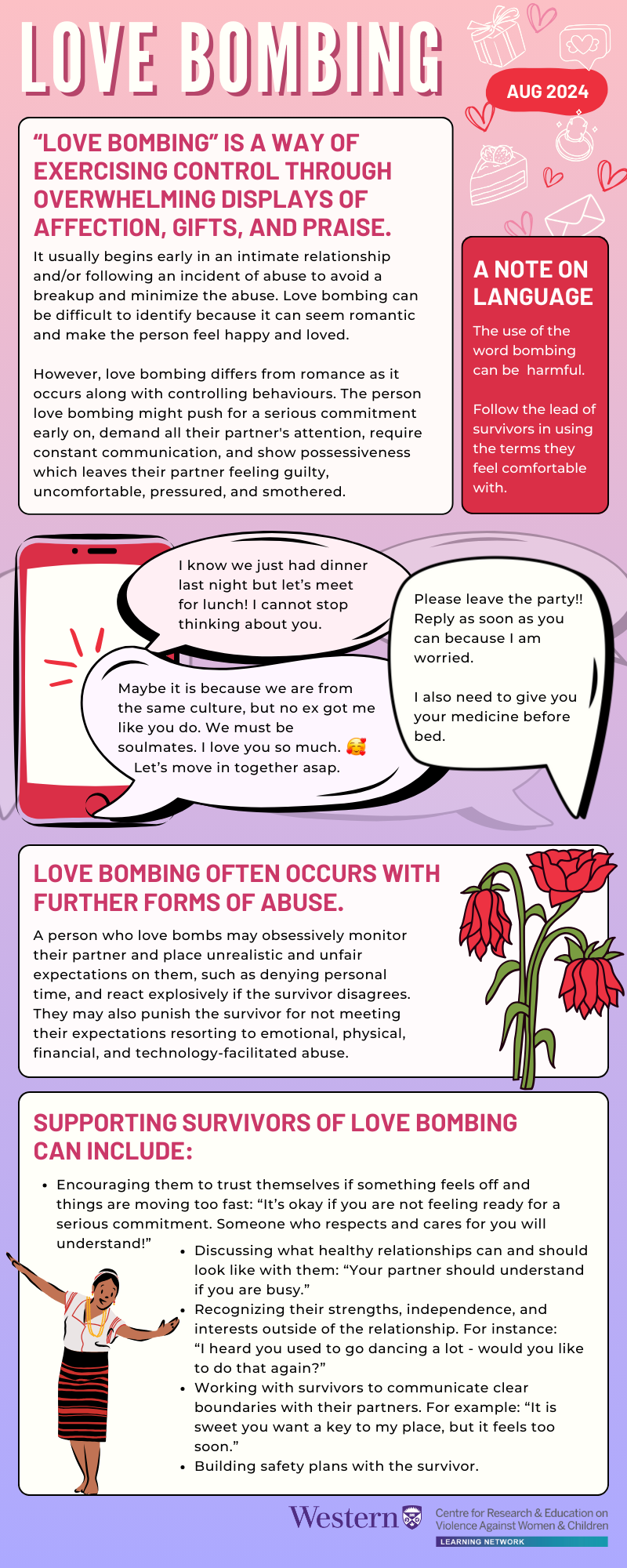
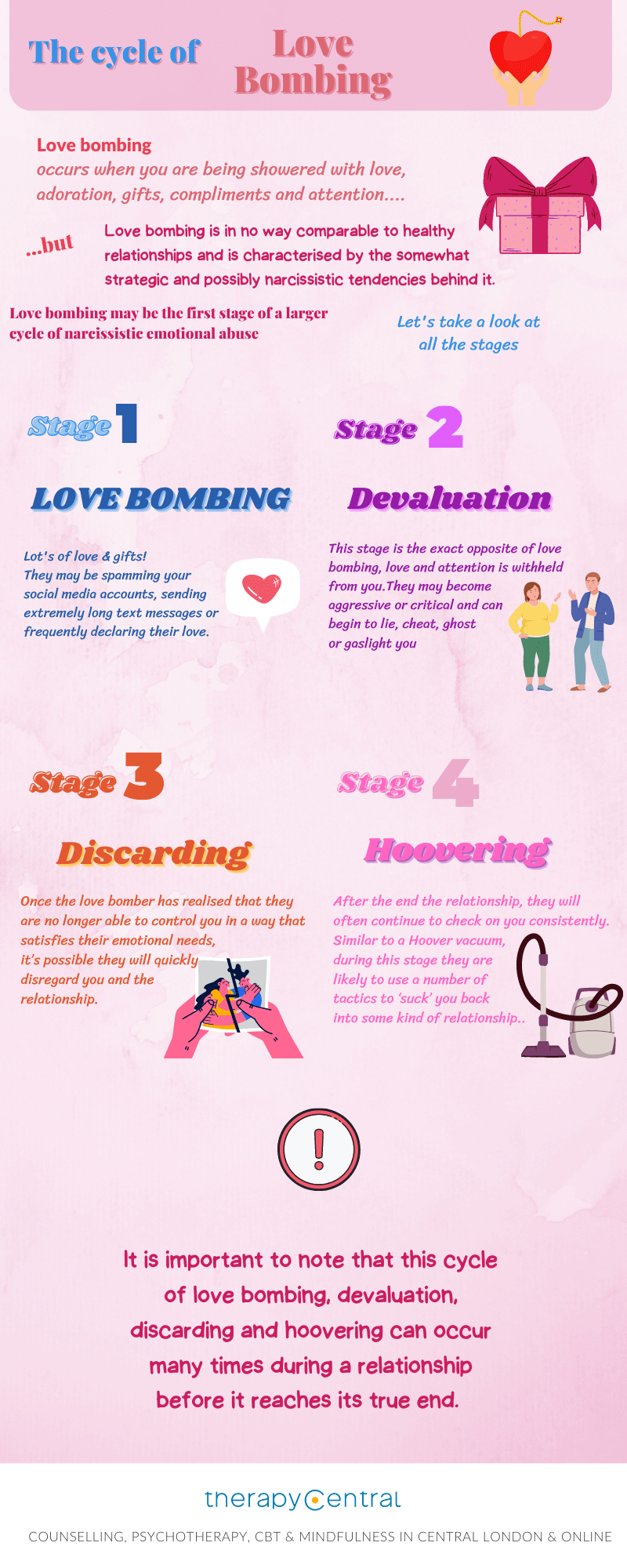
The concept of love bombing, initially identified in studies of cults and later applied to abusive personal relationships, describes a manipulative tactic where an individual is showered with excessive affection, praise, and attention, often early in a relationship. This intense adulation serves to create a false sense of intimacy and dependence, making the target feel uniquely special and indispensable. The underlying motive is control, as the love bomber seeks to quickly establish dominance and emotional leverage.
The Core Psychological Concept
At its heart, love bombing is about disproportionate effort and an accelerated pace. It bypasses the natural progression of relationship building, using an overwhelming display of positivity to mask potentially manipulative intentions or a lack of genuine substance. The recipient is swept off their feet, often feeling overwhelmed but also flattered and desired. This creates a powerful emotional bond that can be difficult to break, even when subsequent behaviors become detrimental. The initial “high” makes it hard to see the red flags that emerge later.
Translating to Brand-Customer Dynamics
While a brand cannot possess the same manipulative intent as an individual, the tactics and effects of love bombing can inadvertently manifest in brand-customer interactions. In a competitive market, brands are desperate for attention, loyalty, and evangelism. This urgency can sometimes lead to strategies that mimic the overwhelming, idealized nature of love bombing.
A brand-centric interpretation of love bombing involves an initial deluge of positive reinforcement, exaggerated promises, excessive freebies, constant communication, and an almost instant demand for unwavering loyalty. The goal is to quickly “win over” the customer, making them feel uniquely valued and special, thereby bypassing the slower, more organic process of trust-building through consistent value and authentic engagement. This isn’t necessarily driven by malice, but often by a short-sighted focus on rapid acquisition or a misunderstanding of genuine relationship-building.
The Lure and Illusion: What Brand Love Bombing Looks Like
When a brand adopts love-bombing tactics, it often presents a dazzling façade of generosity and unwavering devotion. The initial experience can be overwhelmingly positive, making it difficult for customers to discern the potential pitfalls.
Overwhelm of Praise and Attention
Imagine signing up for a new service or making an initial purchase. A brand employing love bombing might immediately bombard you with effusive welcome emails, direct messages on social media, personalized pop-ups, and even phone calls, all filled with exaggerated praise for your choice and your perceived potential as a customer. The messaging might suggest you are a vital part of an exclusive community or have unlocked unparalleled opportunities simply by signing up. While initial engagement is good, this level of intensity can feel suffocating rather than supportive, creating an expectation of constant validation that is unsustainable.
- Examples:
- Excessive Welcome Sequences: A barrage of emails within hours of sign-up, each overflowing with compliments, exclamation points, and urgent calls to action, rather than a spaced-out, informative onboarding.
- Hyper-Personalized, Constant Messaging: An AI chatbot or even human representative sending overly familiar or intensely flattering messages, even for minor interactions, going beyond helpfulness into effusiveness.
- Public Shout-outs for Minimal Engagement: A brand repeatedly and dramatically highlighting new followers or minor customer actions on social media as if they are monumental achievements, creating an artificial sense of importance.
Grand Gestures and Excessive Gifting
Love bombing often involves showering the target with gifts or special favors early on. In a brand context, this translates to an initial outpouring of discounts, exclusive access, premium features, or even physical gifts that seem disproportionate to the customer’s actual engagement or value to the brand. The aim is to create an immediate sense of indebtedness and privilege, locking the customer in before they’ve had a chance to critically evaluate the product or service itself.
- Examples:
- Unsolicited Premium Upgrades: A service offering a complimentary, long-term upgrade to its highest tier immediately upon sign-up, even if the user hasn’t demonstrated a need or interest.
- Lavish Welcome Kits: Sending expensive physical merchandise or gift baskets after a small initial purchase, making the customer feel overwhelmed by generosity.
- Deep, Unearned Discounts: Providing extreme, long-term discounts or “lifetime” deals to early adopters without clear criteria or sustainable business models, often leading to devaluation of the core product later.
Instant Intimacy and False Promise
A love-bombing brand attempts to fast-track the relationship from acquaintance to deep bond. It might use language that implies an immediate, profound understanding of the customer’s needs and aspirations, even without sufficient data or interaction. This creates an illusion of instant intimacy and a promise of a future filled with unparalleled benefits, often glossing over potential challenges or realistic expectations.

- Examples:
- “We Know You Better Than You Know Yourself” Messaging: Marketing copy that aggressively claims to understand the customer’s deepest desires and problems after minimal interaction, promising immediate, transformative solutions.
- Building a Cult of Personality Around a Founder/Brand: An intense focus on the founder’s charisma or the brand’s “mission” to the extent that it demands absolute belief and suppresses critical thought, fostering a dependent relationship.
- Exaggerated Testimonials and Case Studies: Over-the-top claims of immediate, life-altering results from new users, creating unrealistic expectations for others.
The Perils of a Love-Bombing Strategy
While the initial effects of brand love bombing might seem positive, the strategy is inherently unsustainable and ultimately detrimental to long-term brand health. Like a house built on sand, a relationship founded on manipulation and artificial intensity will eventually crumble.
Erosion of Trust and Authenticity
The primary casualty of brand love bombing is trust. When the initial deluge of attention and gifts inevitably wanes—because it is impossible to sustain—customers feel misled and disappointed. The exaggerated promises and effusive praise ring hollow, exposing a lack of genuine commitment or even manipulative intent. This creates a deep sense of betrayal, as the customer realizes the relationship was based on superficiality rather than authentic value or mutual respect. Authenticity, a cornerstone of strong brands, is completely undermined, leaving customers cynical and wary.
Customer Burnout and Disengagement
Constant, overwhelming communication and praise can quickly lead to customer fatigue. What initially felt flattering soon becomes irritating and intrusive. Customers might unsubscribe from emails, unfollow social media accounts, or even abandon the product or service altogether, not because it’s inherently bad, but because the relentless pressure to engage and reciprocate feels suffocating. The brand’s attempts to foster loyalty instead push customers away, resulting in high churn rates and a negative brand perception.
Reputational Damage and Ethical Concerns
In an increasingly transparent marketplace, brands that employ love-bombing tactics risk severe reputational damage. Customers who feel manipulated are likely to share their negative experiences, often loudly and widely, on social media, review sites, and personal networks. This can lead to a public backlash, eroding goodwill and making it difficult to attract new, genuinely engaged customers. Furthermore, such strategies raise ethical questions about how brands should interact with their audience. Is it acceptable to manipulate emotions for commercial gain, even if the intent isn’t malicious? The answer, for most consumers, is a resounding no.
Cultivating Genuine Customer Loyalty Instead
Building lasting customer loyalty requires patience, consistency, and a deep respect for the customer. It’s about providing genuine value, fostering transparency, and nurturing relationships organically, without resorting to manipulative tactics.
Consistent Value Delivery
The bedrock of any strong brand-customer relationship is the consistent delivery of high-quality products or services that meet and exceed expectations. Focus on creating an excellent core offering that solves customer problems effectively and reliably. When customers consistently derive value, loyalty builds naturally over time, without the need for excessive flattery or disproportionate gifts.
Transparent Communication
Communicate openly and honestly. Set realistic expectations about your product’s capabilities, pricing, and the journey customers can expect. Avoid hyperbole and vague promises. When challenges arise, address them directly and transparently. Genuine communication builds credibility and trust, reassuring customers that they are dealing with an honest and reliable entity.
Respectful and Balanced Engagement
Engage with customers thoughtfully and proportionately. Personalization is powerful, but it should enhance the customer experience, not overwhelm it. Space out your communications, offer relevant information, and always provide easy ways for customers to control how and when they hear from you. Respecting a customer’s time and space is crucial for healthy engagement. Listen more than you speak, and respond with empathy and solutions rather than just praise.
Building Relationships, Not Dependencies
Shift the focus from acquiring quick “converts” to nurturing long-term relationships. This involves understanding customer needs, soliciting feedback, and continuously improving your offerings based on that input. Create communities where customers can connect with each other and with the brand on their own terms. Foster a sense of belonging through shared values and genuine interaction, rather than manufactured urgency or forced intimacy. A brand that truly cares about its customers’ success and well-being will earn their loyalty and advocacy far more effectively than one that attempts to love bomb them into submission.
aViewFromTheCave is a participant in the Amazon Services LLC Associates Program, an affiliate advertising program designed to provide a means for sites to earn advertising fees by advertising and linking to Amazon.com. Amazon, the Amazon logo, AmazonSupply, and the AmazonSupply logo are trademarks of Amazon.com, Inc. or its affiliates. As an Amazon Associate we earn affiliate commissions from qualifying purchases.