
The name “Johnny Cash” evokes a powerful, singular image: the stoic “Man in Black,” voice deep as a canyon, an emblem of grit, redemption, and rebellion. Yet, like many iconic personal brands, the name itself was a carefully cultivated construct, a strategic evolution from a more unassuming beginning. Understanding the journey from J.R. Cash to Johnny Cash offers a profound case study in personal branding, illustrating how a name is not merely an identifier but a foundational pillar upon which an entire public persona and lasting legacy are built.
The Genesis of a Brand Name: From J.R. to Johnny Cash
Born J.R. Cash on February 26, 1932, in Kingsland, Arkansas, the legendary musician’s initial moniker was simply a combination of initials, a common practice in his family. The “J” stood for nothing, nor did the “R”—it was his given name. This seemingly minor detail holds significant implications when viewed through the lens of brand strategy. When he enlisted in the United States Air Force in 1950, the military required full names for all personnel. Faced with this administrative necessity, J.R. chose “John R. Cash.” This forced formalization marked the first significant step away from his birth name, an early, albeit unintentional, rebranding.

The Importance of a Distinctive Moniker
Upon his discharge from the Air Force and subsequent move to Memphis, Tennessee, Cash began to pursue his musical aspirations. This period was pivotal for his emerging brand identity. Working with Sam Phillips at Sun Records, the label that launched Elvis Presley and Jerry Lee Lewis, the name “John R. Cash” was deemed too generic for a burgeoning recording artist. Phillips, known for his keen eye for talent and ear for a marketable image, recognized the need for a name that was memorable, impactful, and easily translatable to a marquee or record sleeve. The transformation to “Johnny Cash” was not arbitrary; it was a deliberate branding decision.
“Johnny” offered a touch of familiarity and accessibility, softening the formal “John” while retaining a sense of authenticity. It was a name that resonated with the working-class audience he would soon champion. This shift underscored a fundamental principle of branding: a name must not only identify but also connect. It needs to be pronounceable, distinctive, and carry an inherent sense of character that aligns with the brand’s essence. For an artist, the stage name becomes the shorthand for their entire artistic offering, an immediate promise of what to expect.
Crafting an Enduring Persona
The adoption of “Johnny Cash” was inextricably linked to the persona he was developing. From his earliest recordings, Cash cultivated an image that was raw, honest, and deeply rooted in themes of struggle, faith, and redemption. The name “Johnny Cash” perfectly encapsulated this emerging brand. It sounded like a man of the people, straightforward and without pretense, yet also imbued with a certain gravitas. This was not merely a cosmetic change; it was foundational to his personal brand architecture.
The name, combined with his distinctive baritone voice, the boom-chicka-boom rhythm of his Tennessee Two (later Three), and his eventual choice to dress exclusively in black, created a cohesive and instantly recognizable brand identity. This consistency across naming, sound, and visual presentation is a hallmark of strong branding. It allowed “Johnny Cash” to become more than just a musician; he became an archetype, a symbol for a particular type of American experience and a voice for those often overlooked. The name became synonymous with a specific brand promise: authentic, unvarnished storytelling delivered with unflinching integrity.
The Power of Authenticity in Personal Branding
Johnny Cash’s brand success was not solely due to a catchy name; it was profoundly amplified by the perceived authenticity that permeated every aspect of his public persona. The name “Johnny Cash” didn’t feel manufactured or artificial; instead, it seemed to perfectly embody the man and his message. This authenticity became a cornerstone of his personal brand, resonating deeply with audiences and forging an unbreakable bond.
Resonance with Core Values
The “Johnny Cash” brand was built on a foundation of core values that were consistently communicated through his music, lyrics, and public appearances. These values—honesty, empathy for the marginalized, a sense of justice, and an unwavering commitment to his beliefs—were reflected in the gravitas of his chosen name. His image as the “Man in Black” wasn’t a marketing gimmick but a symbolic representation of his solidarity with the poor and the downtrodden. This visual brand element reinforced the integrity of the “Johnny Cash” name, making it synonymous with a deep sense of social consciousness.
When an artist’s name and brand narrative align so perfectly with their expressed values, it creates a powerful resonance. Audiences don’t just consume the product; they connect with the ethos. For Cash, the name “Johnny Cash” wasn’t just a label; it was a statement of purpose. It suggested a person who was “real,” who understood hardship, and who spoke truth without adornment. This deep alignment built trust, which is invaluable for any personal brand seeking longevity and widespread appeal. His brand messaging, delivered through his music, consistently reinforced these values, ensuring that the “Johnny Cash” brand remained clear and impactful.
Consistency Across Platforms and Eras
One of the remarkable aspects of the Johnny Cash brand was its unwavering consistency over several decades. From his early days at Sun Records to his groundbreaking prison concerts, his television show, and his late-career resurgence with the American Recordings, the essence of “Johnny Cash” remained intact. The name itself became a constant, a stable anchor in a constantly evolving music industry. This consistency was crucial for maintaining brand recognition and loyalty.
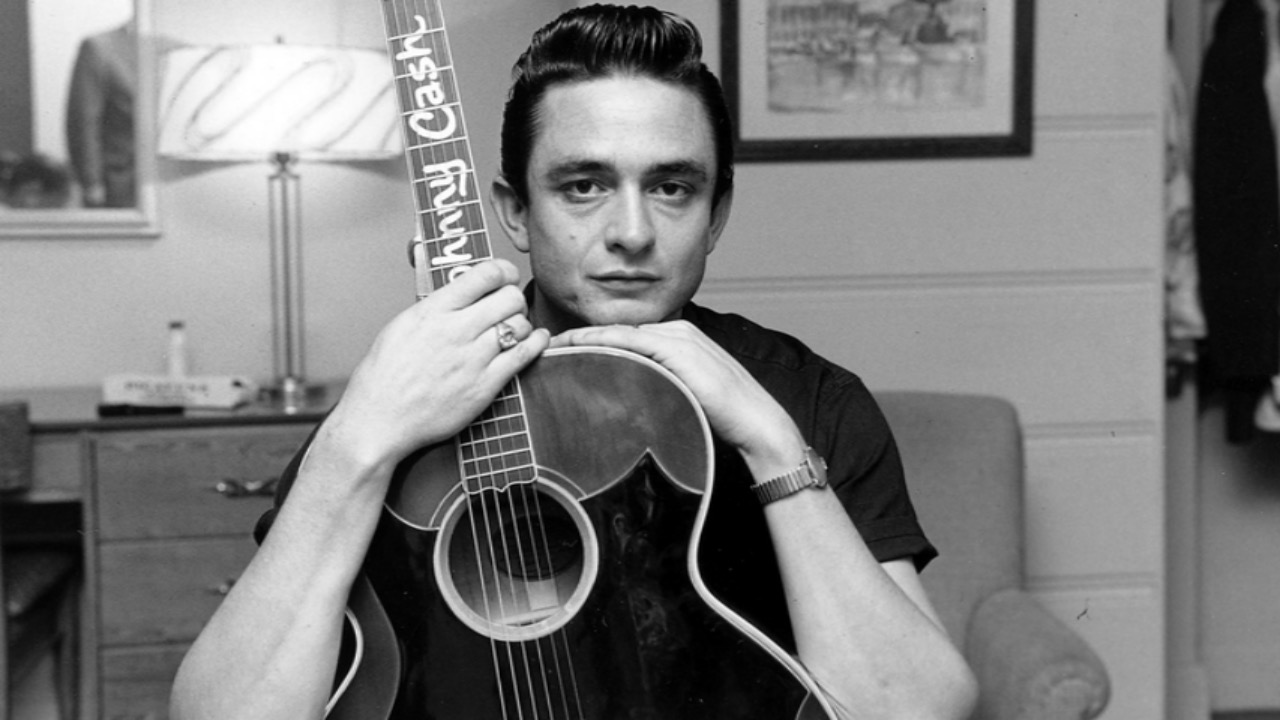
Whether he was singing about love, loss, struggle, or redemption, the “Johnny Cash” brand signified a particular voice and perspective. This steadfastness built a powerful brand equity. Even as his musical styles evolved and his audience expanded, the core identity associated with the name “Johnny Cash” persisted. In an era before digital branding and omnipresent social media, Cash’s ability to maintain a consistent brand across different media (records, radio, television, live performances) speaks volumes about the strength of his personal brand strategy. This long-term consistency meant that the name “Johnny Cash” always delivered on its brand promise, fostering deep audience loyalty and ensuring his enduring relevance.
Legacy Branding: Johnny Cash Beyond the Stage Name
The journey from J.R. to Johnny Cash illustrates more than just the evolution of a stage name; it highlights the strategic creation of a legacy brand. A successful personal brand, especially for an artist, transcends the individual, becoming an icon that continues to influence and inspire long after their passing. The “Johnny Cash” brand achieved this by crafting an identity so potent and authentic that it became immortal.
Brand Longevity and Enduring Appeal
The longevity of the “Johnny Cash” brand is a testament to the meticulous care with which his persona was developed and maintained. The name “Johnny Cash” became a cultural touchstone, recognizable across generations and geographical boundaries. This enduring appeal is a prime example of successful legacy branding, where the brand itself takes on a life beyond its creator. The values, aesthetics, and narratives associated with “Johnny Cash” have become ingrained in popular culture, influencing countless artists, fashion trends, and storytelling approaches.
Part of this longevity stems from the brand’s inherent adaptability. While the core “Johnny Cash” persona remained consistent, his willingness to experiment musically (from country to rockabilly to gospel to his acclaimed American Recordings) allowed the brand to evolve without losing its essence. This strategic flexibility ensured that the brand remained relevant while staying true to its roots. The name “Johnny Cash” became an emblem of artistic integrity and resilience, a brand that adapted to changing times while holding fast to its core identity, proving that a strong brand foundation can accommodate significant evolution.
The “Man in Black” as a Visual and Thematic Brand Anchor
While the name “Johnny Cash” anchored his auditory brand, his self-imposed moniker, the “Man in Black,” provided a powerful visual and thematic anchor. This wasn’t merely a fashion choice; it was a profound act of personal branding, deliberately designed to symbolize his solidarity with the poor, the prisoners, and the oppressed. This visual identity complemented the gravitas and authenticity embedded in his name. The “Man in Black” became an instantly recognizable brand logo, a non-verbal representation of everything “Johnny Cash” stood for.
This symbiotic relationship between his name and his visual identity created a holistic brand experience. The dark attire, the somber yet powerful lyrics, and the commanding presence all coalesced under the “Johnny Cash” banner. This multi-sensory branding ensured that his message was not only heard but also seen and felt. The “Man in Black” reinforced the narrative of a voice for the voiceless, giving the “Johnny Cash” brand an even deeper moral and ethical resonance. It demonstrated how consistent thematic elements, visually reinforced, can amplify a personal brand’s impact and solidify its place in collective memory.
Strategic Naming in Modern Personal Branding
The journey of Johnny Cash from J.R. to a global icon offers invaluable lessons for modern personal branding. In today’s digital landscape, where personal brands are ubiquitous and competition for attention is fierce, the principles exemplified by Cash’s career remain acutely relevant.
Considerations for Artists and Public Figures
For contemporary artists, entrepreneurs, and public figures, selecting or cultivating a brand name is a critical strategic decision. A name must be memorable, unique, pronounceable, and ideally, reflect the core essence of the individual’s offering. It must also be adaptable across various platforms, from social media handles to website domains, and be protectable through trademarks. The process involves more than just selecting a catchy moniker; it’s about conducting market research, understanding target audiences, and envisioning long-term brand equity.
Consider how a name translates across cultures and languages, and whether it carries unintended connotations. Does it sound authentic to the individual’s personality and work? Johnny Cash’s transformation illustrates the power of a name to simplify, to focus, and to imbue a brand with immediate character. Modern figures often leverage their given names if they possess sufficient distinctiveness or establish an alias that better communicates their unique value proposition. The goal is always to create a brand name that serves as an effective entry point to a larger, more comprehensive brand narrative.

Protecting and Evolving Your Brand Identity
Beyond the initial naming, the long-term success of a personal brand hinges on its protection and strategic evolution. This involves securing intellectual property rights, such as trademarks, to prevent dilution or unauthorized use of the brand name and associated imagery. In the digital age, this extends to consistent online presence, managing digital footprints, and ensuring that the brand narrative remains cohesive across all channels.
Like Johnny Cash, who remained true to his core values while embracing new musical directions, modern personal brands must find a balance between consistency and adaptation. The brand should be robust enough to withstand trends but flexible enough to evolve with the individual’s growth and changing market dynamics. This strategic management ensures that the brand name, whether it’s “Johnny Cash” or a contemporary equivalent, continues to resonate, maintain relevance, and build an enduring legacy that inspires and connects with audiences for generations to come. The initial choice of a name is just the beginning; the continuous cultivation and protection of that brand identity is what truly distinguishes an ephemeral presence from a timeless icon.
aViewFromTheCave is a participant in the Amazon Services LLC Associates Program, an affiliate advertising program designed to provide a means for sites to earn advertising fees by advertising and linking to Amazon.com. Amazon, the Amazon logo, AmazonSupply, and the AmazonSupply logo are trademarks of Amazon.com, Inc. or its affiliates. As an Amazon Associate we earn affiliate commissions from qualifying purchases.