
The yellow fever vaccine, a critical tool in global health, represents a fascinating confluence of pioneering virology and sophisticated biotechnological engineering. While often perceived simply as a medical prophylactic, its composition is a testament to decades of scientific innovation, from the cultivation of attenuated viruses to the advanced manufacturing processes that ensure its efficacy and safety worldwide. Understanding “what is in” this vaccine necessitates a deep dive into the technologies that define its active ingredients, stabilization, production, and the digital frameworks supporting its global deployment.
The Biotechnological Core: Live-Attenuated Virus Engineering
At the heart of the yellow fever vaccine’s remarkable success lies the 17D strain, a triumph of early viral engineering and a cornerstone of vaccine technology. Developed in the 1930s, this strain is a live, attenuated (weakened) version of the wild-type yellow fever virus. The attenuation process itself was a profound technological achievement for its time, involving serial passaging of the virus through various cell cultures and animal hosts to reduce its virulence while retaining its immunogenicity.
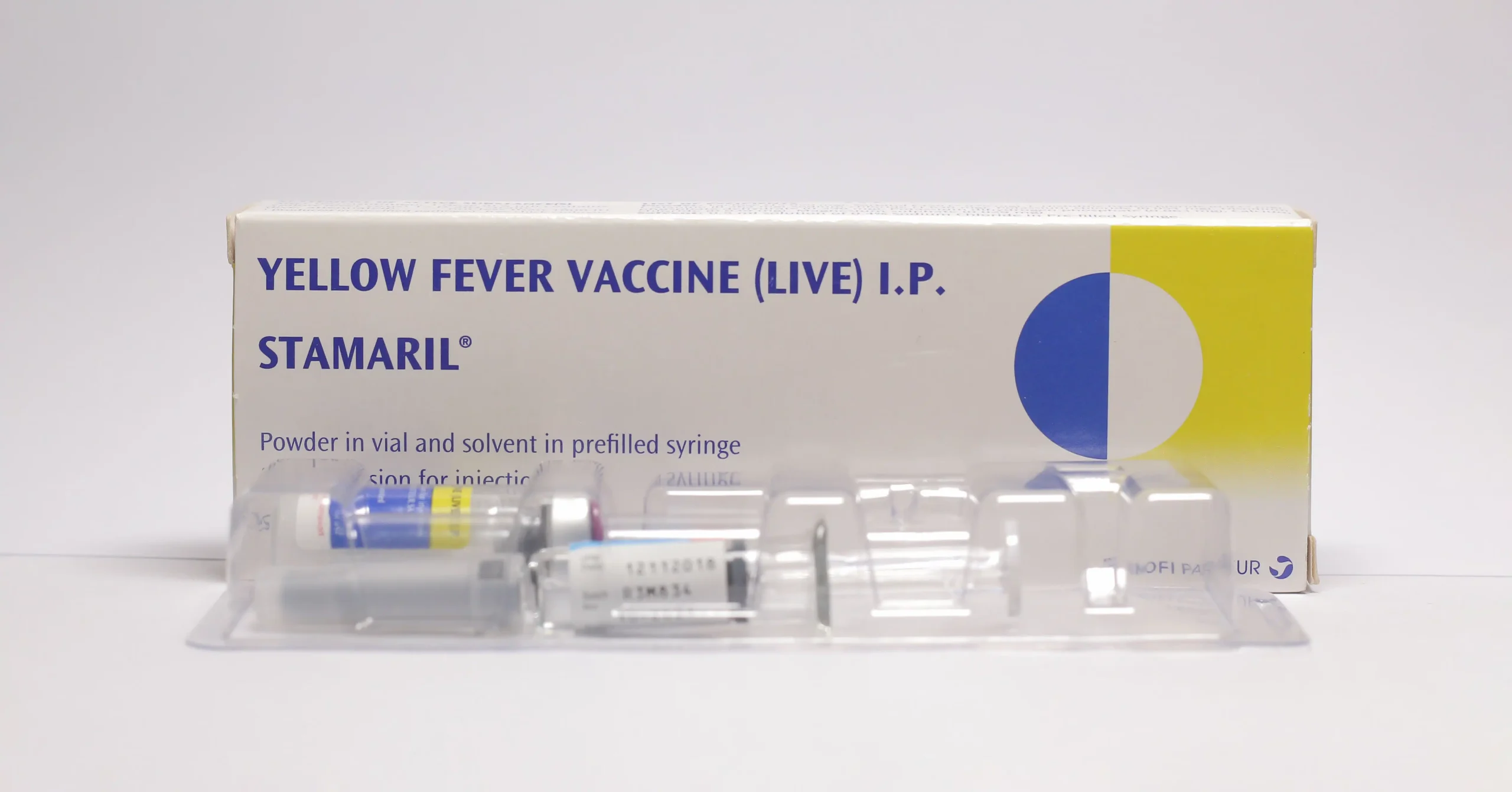
This carefully engineered biological entity is the active pharmaceutical ingredient. When introduced into the human body, the 17D virus replicates to a limited, non-pathogenic extent, mimicking a natural infection without causing disease. This controlled replication is crucial; it stimulates a robust and long-lasting immune response, including both humoral (antibody-mediated) and cellular immunity, which provides protection against subsequent exposure to the virulent yellow fever virus. The precision in attenuating the virus, ensuring it is weak enough not to cause illness but strong enough to elicit a protective response, highlights a critical area of biotechnological expertise. The stability of this attenuated phenotype over generations of replication is also a testament to its robust genetic engineering. Modern genomic sequencing technologies continue to analyze the specific mutations within the 17D strain that confer its attenuated properties, further deepening our understanding of this foundational biotechnological marvel.
Formulation and Stability: The Science of Excipients and Delivery Systems
Beyond the active viral component, the yellow fever vaccine’s composition includes a carefully selected array of excipients – inactive ingredients essential for its stability, viability, and effective delivery. These components are not merely inert fillers; they represent sophisticated chemical engineering designed to preserve the delicate biological structure of the live attenuated virus, ensuring its potency from the manufacturing plant to the point of administration.
The typical formulation includes stabilizing agents such as proteins (e.g., human serum albumin, gelatin), sugars (e.g., lactose, sorbitol), and salts (e.g., sodium chloride, potassium chloride, disodium phosphate, monopotassium phosphate). These compounds perform multiple vital functions. Proteins and sugars act as cryoprotectants and lyoprotectants, shielding the virus from damage during the lyophilization (freeze-drying) process, which removes water to create a stable powder. This freeze-drying technology is critical for extending the vaccine’s shelf life, reducing cold chain requirements, and facilitating global distribution, particularly to regions with limited refrigeration infrastructure. The salts help to maintain isotonicity and pH, creating an optimal microenvironment for viral integrity and viability upon reconstitution. The diluent, typically sterile water for injection, is a final critical component of the delivery system, ensuring the vaccine can be safely and effectively administered. The development and optimization of these excipient formulations involve advanced materials science and pharmaceutical engineering, leveraging an understanding of molecular interactions to maintain biological activity under varying environmental conditions.
Advanced Biomanufacturing: Producing a Global Health Solution
The journey of the yellow fever vaccine from a viral strain in a laboratory to a mass-produced, globally distributed prophylactic is underpinned by highly specialized biomanufacturing processes. These processes demand stringent control, precision engineering, and adherence to the highest quality standards, representing a pinnacle of modern pharmaceutical technology.

The manufacturing process typically begins with the propagation of the 17D virus in specific pathogen-free (SPF) embryonated chicken eggs or, in some modern facilities, through advanced cell culture systems. This involves meticulous aseptic techniques and environmental controls within specialized cleanroom facilities, which are themselves marvels of engineering designed to prevent contamination. After sufficient viral replication, the virus-containing fluid is harvested, clarified to remove cellular debris, and then purified. This purification often involves sophisticated filtration technologies and chromatographic methods to isolate the viral particles from other components, ensuring a highly pure and potent product.
Following purification, the purified virus suspension is formulated with the aforementioned excipients and then subjected to the critical lyophilization process. This complex dehydration technology requires precise control of temperature and pressure over extended periods to remove water without denaturing the viral proteins. The resulting freeze-dried cake is then sealed into sterile vials, often through automated aseptic filling and stoppering machinery that minimizes human intervention and contamination risk. Each stage of this process, from initial culture to final packaging, is monitored by advanced sensor technology and sophisticated analytical tools to ensure batch-to-batch consistency, potency, purity, and sterility. These quality control systems, employing techniques like PCR, ELISA, and cell culture assays, are integral to vaccine manufacturing, verifying that every dose meets rigorous international standards before it reaches patients.
Digital Innovation in Vaccine Lifecycle: From Lab to Arm
The yellow fever vaccine, while a product of historical scientific breakthrough, increasingly benefits from contemporary digital innovations across its entire lifecycle, from research and development to distribution and post-market surveillance. These technological advancements enhance efficiency, safety, and global accessibility.
In research and development, computational biology and artificial intelligence (AI) tools are revolutionizing vaccine design and optimization. While the 17D strain was developed empirically, AI algorithms can now analyze vast genomic datasets to identify potential vaccine targets, predict immunogenicity, and even simulate viral attenuation processes, accelerating the discovery phase for new vaccine candidates. Data analytics platforms play a crucial role in managing clinical trial data, identifying trends, and optimizing trial designs.
For manufacturing and supply chain management, digital tools provide unprecedented levels of oversight and control. IoT (Internet of Things) sensors are deployed throughout cold chain logistics, monitoring temperature and humidity in real-time within storage facilities and transportation vehicles. This critical data, transmitted wirelessly, ensures vaccine integrity, alerting operators to any deviations that could compromise potency. Enterprise Resource Planning (ERP) systems and blockchain technology are also being explored and implemented to enhance traceability, managing inventory, tracking shipments, and providing an immutable record of each vaccine batch from production to delivery. This digital transparency is vital for combating counterfeit vaccines and ensuring equitable distribution.
Post-market surveillance, crucial for long-term safety monitoring, heavily relies on digital platforms. Adverse event reporting systems, often integrated with national health databases, collect and analyze large volumes of data, allowing epidemiologists and regulatory bodies to detect rare side effects or efficacy issues rapidly. Furthermore, the rise of digital health records and vaccine passport applications leverages secure databases and cryptographic techniques to verify vaccination status, facilitating international travel and public health initiatives. These digital ecosystems ensure that the vaccine’s benefits are realized and its safety continuously monitored through advanced data intelligence.
The Tech Legacy and Future: Building Blocks for Next-Gen Vaccines
The yellow fever vaccine’s foundational technologies have not only protected millions but have also served as a blueprint for the development of countless other viral vaccines. The principles of live-attenuated virus engineering, sophisticated formulation science, and rigorous biomanufacturing established decades ago continue to inform and inspire vaccine development today.
Looking forward, the innovations embedded within the yellow fever vaccine’s story are evolving into next-generation vaccine technologies. While the yellow fever vaccine is not an mRNA vaccine, its successful attenuation paved the way for understanding viral immunology that informs contemporary platforms. Today’s vaccine development leverages advanced genetic engineering techniques, such as recombinant DNA technology and viral vector systems, to create highly targeted and versatile vaccines. AI-driven molecular modeling is now routine in antigen design, predicting optimal epitopes for immune recognition with unprecedented speed and accuracy. Nanotechnology is explored for novel delivery systems that enhance antigen presentation and stability.
The digital advancements in monitoring, distribution, and personalized medicine are also transforming the future of vaccinology. From hyper-personalized vaccine strategies based on individual genetic profiles to drone delivery in remote areas, the continuous integration of cutting-edge technology ensures that the legacy of the yellow fever vaccine’s biotech brilliance will continue to expand, safeguarding global health with even more precise, efficient, and accessible solutions. The meticulous engineering of its viral core and supporting systems remains a powerful testament to the enduring impact of technological innovation in public health.
aViewFromTheCave is a participant in the Amazon Services LLC Associates Program, an affiliate advertising program designed to provide a means for sites to earn advertising fees by advertising and linking to Amazon.com. Amazon, the Amazon logo, AmazonSupply, and the AmazonSupply logo are trademarks of Amazon.com, Inc. or its affiliates. As an Amazon Associate we earn affiliate commissions from qualifying purchases.