
Impressionism, at its core, represents a revolutionary pivot in artistic identity, effectively creating a new “brand” for visual expression that continues to resonate powerfully in contemporary design and marketing. Far from being merely a historical art movement, it embodies principles of visual communication, aesthetic innovation, and brand differentiation that hold profound lessons for understanding how identities are forged and perceptions are shaped. This isn’t just about art history; it’s about the strategic crafting of an enduring visual language.
A Revolutionary Shift in Artistic Identity
Before Impressionism, the art world was largely dominated by academic traditions that emphasized historical, mythological, and religious subjects, rendered with meticulous detail, smooth brushwork, and a highly polished finish. Art was meant to tell grand narratives, often moralizing or heroic, executed in studios with controlled lighting. This established aesthetic was the prevailing “brand” of art, dictating taste and technique.
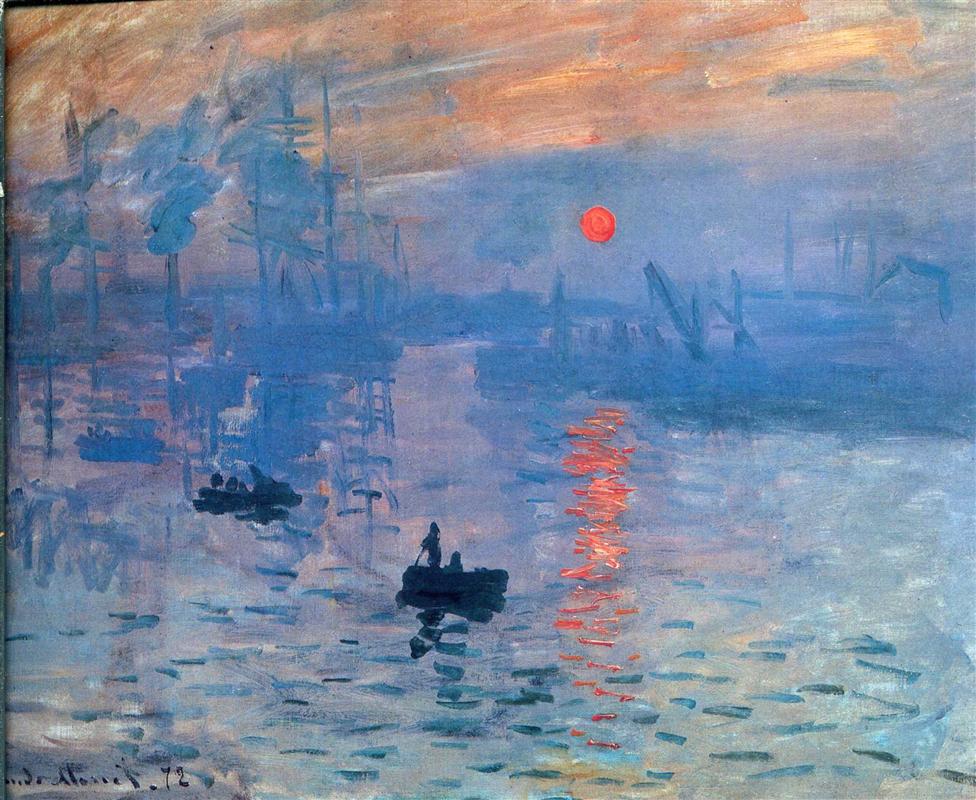
Impressionism emerged in France in the 1860s and 70s as a radical departure, a conscious rebellion against this entrenched establishment. Its proponents sought to capture the “impression” of a scene rather than a highly detailed, realistic depiction. This was a monumental shift in purpose and presentation, effectively rebranding what art could be. The artists moved their easels outdoors, embracing plein air painting, and focused on transient moments, the play of light, and the changing atmosphere.
Key characteristics that defined this new visual identity included:
- Visible Brushstrokes: Unlike the blended, invisible brushwork of academic art, Impressionists used loose, distinct brushstrokes, allowing the viewer to see the painter’s hand. This lent an immediacy and freshness, suggesting a process rather than just a finished product – a transparency that can be likened to modern brands offering glimpses behind the scenes.
- Open Composition: Often, subjects seemed cropped or extended beyond the canvas, reflecting the momentary nature of photography and everyday life, rather than carefully staged, balanced scenes. This provided a sense of dynamism and un-staged authenticity.
- Emphasis on Light and Its Changing Qualities: Light became a central subject, with artists observing how it altered colors and forms throughout the day and in different weather conditions. This nuanced approach to light created an immersive and atmospheric quality, making the painting less about the object and more about the experience of perceiving it.
- Ordinary Subject Matter: Instead of historical epics, Impressionists painted landscapes, cityscapes, portraits of everyday people, café scenes, and domestic life. This elevated the mundane to the artistic, broadening art’s appeal and democratizing its subject matter, much like brands today seek to connect with everyday experiences.
This collective artistic movement effectively created a new “brand identity” for art: one that was immediate, personal, and focused on subjective experience over objective reality. It was an identity built on capturing the fleeting essence, the “impression,” of a moment.
The Brand of Light and Color
The Impressionists’ innovative use of color and light wasn’t merely a stylistic choice; it was a fundamental shift in their visual language, creating a distinct aesthetic “brand” that was instantly recognizable and profoundly influential. They rejected the traditional practice of using dark underpaintings and instead applied pure, often unmixed colors directly to the canvas, allowing them to blend optically in the viewer’s eye.
This approach was informed by scientific theories of light and color, particularly the understanding that color is perceived in relation to its surroundings. Impressionists used complementary colors placed side-by-side to create vibrant optical mixtures, enhancing the luminosity and intensity of their canvases. Shadows were not depicted as merely black or grey but imbued with color, reflecting the ambient light and surrounding hues.
This radical application of color theory and light became the signature of the Impressionist “brand.” It allowed them to create paintings that were not only visually stunning but also imbued with a powerful sense of atmosphere and emotion. The shimmering quality of light on water, the hazy warmth of a summer day, or the cool blue of a winter twilight were not just depicted but felt through their masterful manipulation of color.
Capturing the Ephemeral: Designing for Momentary Impressions
A cornerstone of the Impressionist design philosophy was the quest to capture the ephemeral – the transient moment, the fleeting glance, the changing atmospheric condition. This focus on “momentary impressions” became a core value proposition of their artistic “product.” They designed their compositions to evoke the sensory experience of being in a particular place at a particular time. Monet’s series paintings, depicting the same subject (like haystacks or Rouen Cathedral) at different times of day and in varying seasons, perfectly illustrate this dedication to capturing temporal shifts in light and atmosphere.
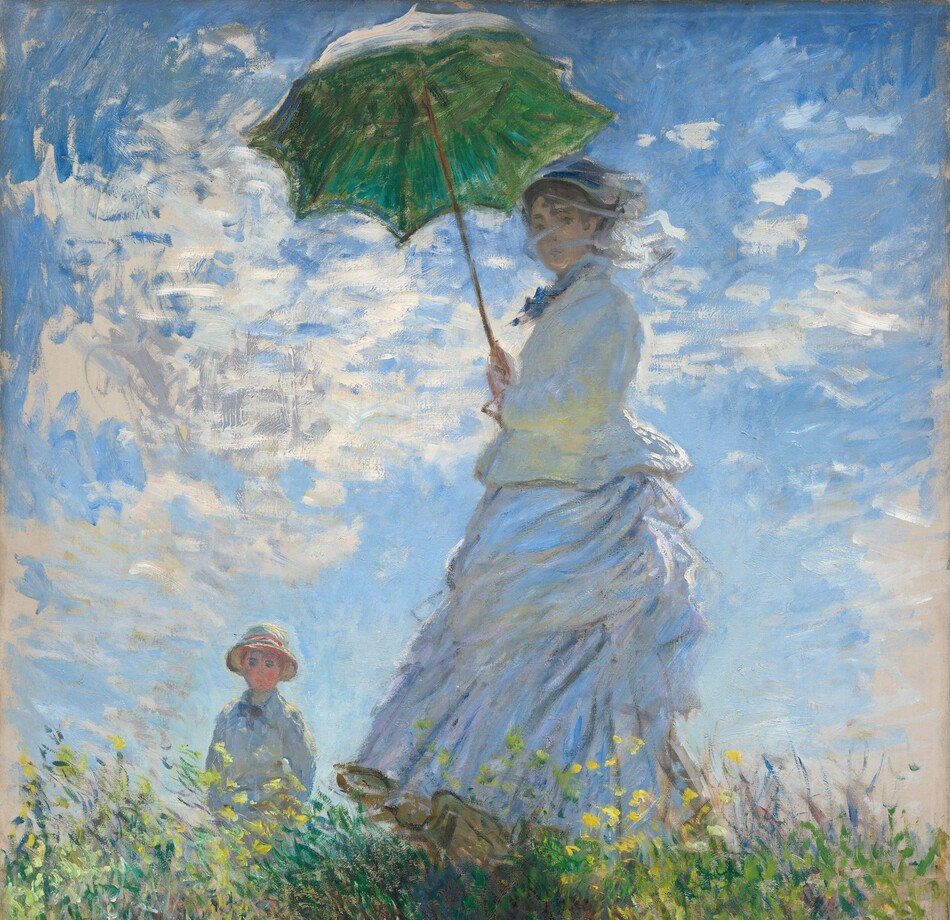
This approach to design, prioritizing the subjective experience and the fleeting nature of perception, has a direct analogy in modern design and branding. Brands often strive to evoke a particular mood, a sense of nostalgia, or the feeling of a specific moment. Think of a coffee shop brand designing its space to feel cozy and inviting, capturing the “impression” of a perfect morning. Or a tech brand simplifying its interface to create an effortless, intuitive “impression” for the user. The Impressionists showed that the true power of a visual message lies not just in what it depicts, but in the emotion and atmosphere it evokes.
From Art Movement to Design Influence: A Lasting Legacy
The impact of Impressionism extended far beyond the canvas, fundamentally reshaping subsequent art movements and influencing various facets of design, from graphic arts to interior spaces and even digital experiences. Its principles laid the groundwork for modern aesthetics, making the “Impressionist aesthetic” a recognizable and enduring design ‘style’ or ‘brand’ in itself.
Post-Impressionists like Van Gogh and Cézanne built upon its foundations, further exploring subjective expression and structural form. Modernists embraced its departure from academic realism, opening doors for abstraction and avant-garde experimentation.
In the realm of commercial design, Impressionism’s influence is evident in several ways:
- Graphic Design: The emphasis on color theory, visual hierarchy (or lack thereof, in some cases, to create a specific effect), and the evocation of mood over literal representation can be seen in advertising and branding. The idea of creating a “snapshot” or a compelling visual moment in an ad campaign directly echoes Impressionist principles.
- Interior Design: The use of light, color palettes, and the creation of atmospheric environments in interior design often draw from Impressionistic sensibilities. Designers might use soft, diffused lighting, natural motifs, and carefully chosen color schemes to evoke a sense of calm, vibrancy, or elegance – creating an “impression” for the space.
- Fashion: The Impressionists’ depiction of contemporary life, including fashion of the era, influenced how garments were perceived and designed. Their ability to capture movement and the interplay of light on fabric has inspired designers to think about clothing as an experience rather than just a static form.
- User Experience (UX) Design: The Impressionist focus on the user’s subjective experience and the creation of an intuitive, emotionally resonant interaction aligns surprisingly well with UX principles. A good UX design aims to create a positive “impression” through seamless interaction, visual appeal, and emotional connection, rather than just delivering information.
Marketing the Avant-Garde: Building a New Brand Identity
Beyond its aesthetic contributions, the Impressionist movement offers valuable lessons in “brand strategy” and “marketing” for emerging ideas. Facing rejection from the official Salon (the annual exhibition of the Académie des Beaux-Arts in Paris), the Impressionists took a bold step: they organized their own independent exhibitions. This was a radical act of self-promotion and brand-building.
By creating their own platform, they bypassed traditional gatekeepers and directly presented their work to the public. This act of collective independence not only garnered attention but also fostered a sense of community and shared identity among the artists and their early supporters. They were, in essence, building a new ‘corporate identity’ for art, one that challenged the status quo.
Their initial exhibitions, though met with ridicule by some critics (who coined the term “Impressionism” derogatorily, based on Monet’s Impression, Sunrise), ultimately served to define their brand. The controversy itself became a form of publicity. They cultivated an audience for their new vision, slowly but surely establishing their distinct brand identity in the competitive art market. This echoes modern startup strategies: identify a gap, challenge existing norms, build a community, and market your unique value proposition.

The Impressionist Ethos in Contemporary Design and Branding
Today, the Impressionist ethos continues to inform how contemporary brands approach visual communication, emotional connection, and user engagement. Brands are constantly striving to create a distinct visual “impression” or an emotional resonance with their audience, often moving beyond purely functional messaging.
Many modern brands draw inspiration from Impressionistic principles by:
- Evoking Mood over Hyper-realism: Instead of literal depictions, brands often use imagery, color, and texture to evoke a feeling – warmth, freshness, sophistication. This aligns with the Impressionist goal of capturing atmospheric impressions.
- Focus on User Experience and Emotion: Just as Impressionists wanted viewers to feel the light and atmosphere, modern brands want users to have a pleasant, intuitive, and emotionally resonant experience with their products or services.
- The Power of Suggestion and Atmosphere: Brands frequently rely on subtle cues and ambient aesthetics to convey their message. A brand might use soft-focus photography, muted color palettes, or natural textures to suggest eco-friendliness or luxury, rather than explicitly stating it. This mirrors the Impressionists’ technique of suggesting rather than definitively outlining.
- “Less Is More” in Visuals: While not minimalist, Impressionism often prioritized the overall effect and sensation over granular detail. This translates into branding that values clarity, emotional impact, and a strong, memorable “impression” over overly complex or information-dense visuals.
In essence, Impressionism teaches us that a powerful brand isn’t just about what you say, but how you make people feel, the distinct visual experience you offer, and the unique identity you forge through consistent aesthetic choices. It is a timeless example of how innovation in design can lead to a lasting and influential brand.
aViewFromTheCave is a participant in the Amazon Services LLC Associates Program, an affiliate advertising program designed to provide a means for sites to earn advertising fees by advertising and linking to Amazon.com. Amazon, the Amazon logo, AmazonSupply, and the AmazonSupply logo are trademarks of Amazon.com, Inc. or its affiliates. As an Amazon Associate we earn affiliate commissions from qualifying purchases.