
The name “Hellfire Club” conjures images of clandestine gatherings, veiled power, and a certain rebellious mystique. While its historical origins lie in 18th-century secret societies, its presence has transcended time, finding renewed life and varied interpretations in popular culture. From a branding perspective, the Hellfire Club serves as a compelling case study in the enduring power of exclusivity, a provocative identity, and the organic propagation of a compelling, albeit controversial, narrative. It illustrates how a distinct set of attributes—secrecy, elitism, and a touch of the forbidden—can forge a powerful brand identity that resonates across centuries and disparate contexts.
The Allure of Exclusivity: Crafting a Mystique
The foundational appeal of the Hellfire Club, regardless of its iteration, is rooted in its inherent exclusivity. This manufactured scarcity and deliberate obscurity are potent elements in brand building, fostering desire and perceived value among those who aspire to belong or merely observe from afar.
Historical Roots and Secret Societies
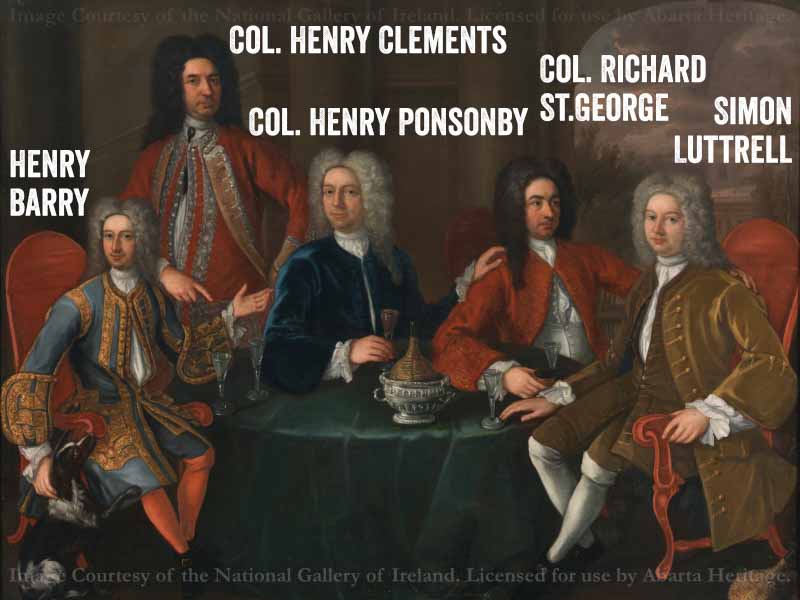
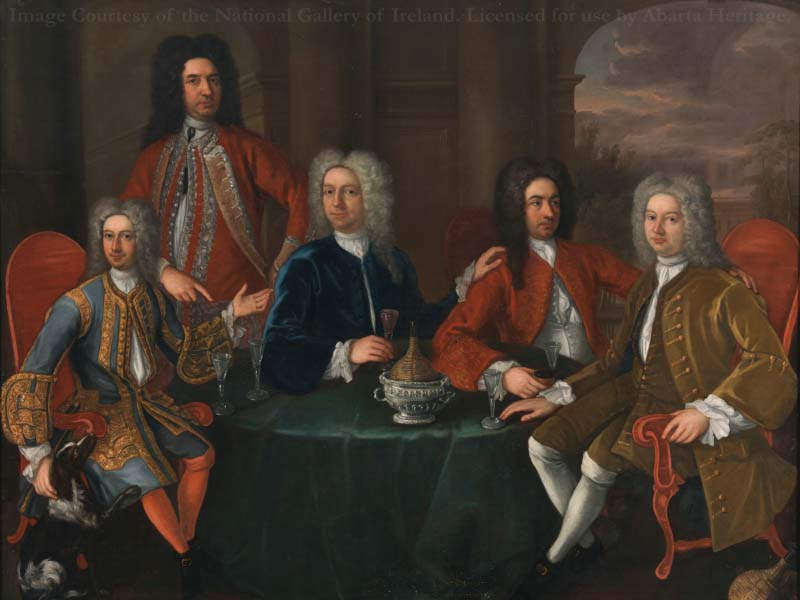
The original Hellfire Clubs emerged in 18th-century Britain and Ireland, notably associated with figures like Sir Francis Dashwood and the Medmenham Monks. These were not public institutions but private societies, shrouded in rumor and speculation. Their “brand” was meticulously crafted through deliberate secrecy, limited membership, and a reputation for scandalous, often blasphemous, activities that flouted societal norms. Members were typically affluent, influential men seeking an escape from the rigid moral strictures of their era. The very act of belonging signaled a certain daring, an intellectual and moral rebellion, which became the core value proposition of these early, illicit “brands.” Their brand identity was defined by what they were not: not conventional, not pious, not open to all. This negative space created an irresistible vacuum of curiosity.
The Power of a Provocative Name
The name “Hellfire Club” itself is a masterstroke of branding. It’s concise, memorable, and immediately evokes a strong, visceral reaction. “Hellfire” implies danger, damnation, passion, and rebellion – attributes designed to shock and intrigue. It doesn’t merely describe a club; it encapsulates its spirit and challenges societal taboos. For a brand aiming to differentiate itself and attract a specific, perhaps unconventional, audience, a name with such an evocative edge is invaluable. It acts as a natural filter, simultaneously repelling the conservative and drawing in those who seek the thrill of the illicit or the appeal of the counter-cultural. This powerful moniker set the stage for its enduring legacy, ensuring that even if the specifics of its activities faded, the audacious name would persist.
From Infamy to Icon: Branding Through Pop Culture
The Hellfire Club’s true branding genius lies not just in its initial clandestine appeal but in its successful, albeit indirect, reinterpretation through popular culture. This demonstrates how a strong core concept can be adapted and rebranded for new audiences and mediums, sustaining its relevance over time.
Marvel Comics: A Strategic Reinterpretation
One of the most prominent modern iterations of the Hellfire Club comes from Marvel Comics’ X-Men universe. Introduced in the late 1970s, Marvel’s Hellfire Club reimagined the historical concept as a cabal of wealthy, influential mutants dedicated to gaining power and dominating humanity. Their branding was instantly recognizable: Victorian-era formal wear with a modern, seductive twist, often featuring a distinctive red and black color scheme. The inner circle adopted chess-piece titles (Black King, White Queen), signifying hierarchy and strategic prowess. This adaptation successfully leveraged the existing mystique of the historical clubs—their elitism, secrecy, and morally ambiguous nature—and fused it with the superhero genre’s themes of power struggles and societal control. Marvel essentially licensed the brand concept, giving it a fresh, villainous identity that became iconic within comic book lore and subsequently in film and television adaptations.
Stranger Things: Nostalgia and Modern Resonance
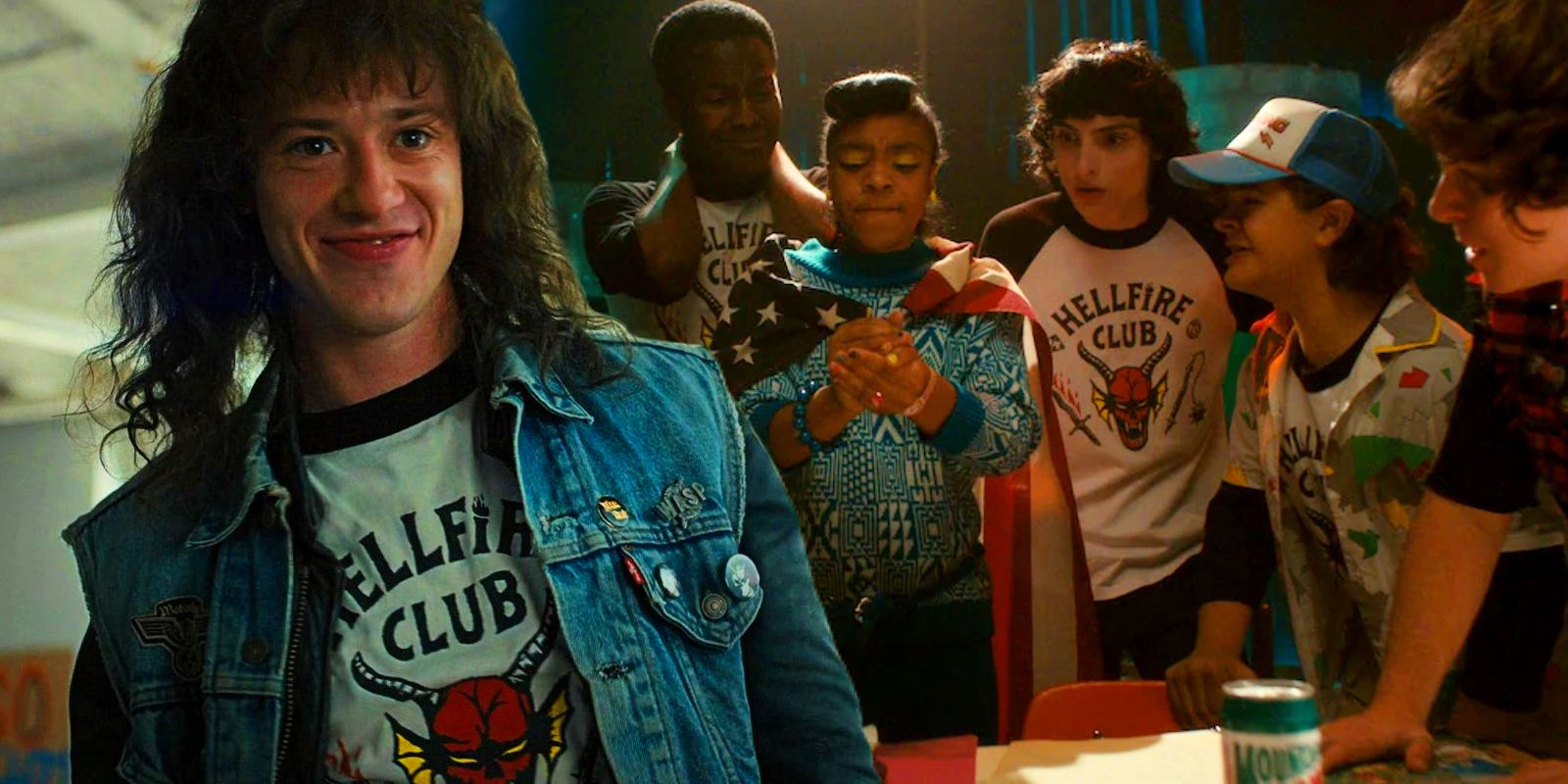
More recently, Netflix’s Stranger Things introduced a Hellfire Club as the Dungeons & Dragons club at Hawkins High School in the 1980s. This version recontextualized the name for a new generation, associating it with the “outsider” appeal of tabletop role-playing games during an era when such activities were often misunderstood. The club’s visual branding—a distinctive skull and devil horns logo often emblazoned on t-shirts—became an instant hit, signifying camaraderie, a shared passion for fantasy, and a gentle rebellion against mainstream high school culture. This iteration successfully tapped into nostalgia while creating a unique brand identity for a group of friends. It demonstrated how even a name associated with historical scandal or supervillainy could be repurposed to evoke a sense of belonging, subculture pride, and creative escapism, illustrating the versatility of a powerful brand name when applied to new, emotionally resonant contexts.
The Anatomy of an Elite Brand: Identity, Marketing, and Community
Analyzing the Hellfire Club across its various manifestations reveals core principles of brand identity, organic marketing, and community building that are relevant even today for businesses seeking to cultivate a distinct market position.
Defining the Brand Identity: Beyond the Surface
Across its historical, comic, and television iterations, a consistent brand identity emerges for the Hellfire Club: elitism, rebellion, secrecy, and a challenge to established norms. Whether it was 18th-century hedonism, mutant world domination, or high school D&D, the common thread is a group that operates outside conventional boundaries, fostering a sense of belonging among its select members while intriguing (or alarming) outsiders. This consistent identity, even with varying specific manifestations, is crucial for any brand. It’s what makes the “Hellfire Club” instantly recognizable as a concept, even if the details differ. Modern brands can learn from this by meticulously defining their core values and ensuring they are consistently expressed across all touchpoints, from product design to marketing messaging.
Organic Marketing and Cultural Diffusion
The Hellfire Club’s “marketing” has historically been almost entirely organic. The 18th-century clubs thrived on rumor, whispered tales, and the scandalous reputations of their members, creating an aura of intrigue that drew in new recruits and fascinated the public. In pop culture, its brand has propagated through compelling storytelling, character development, and memorable visuals, rather than traditional advertising campaigns. This highlights the power of “earned media” and word-of-mouth marketing. When a brand’s narrative is strong and engaging enough, it can spread virally through cultural channels, creating a legacy that far outlasts any paid campaign. It underscores the importance of creating genuinely captivating content and experiences that people want to talk about and share.
Cultivating a Niche Community and Belonging
A key reason for the Hellfire Club’s enduring appeal is its ability to cultivate a strong sense of community and belonging among its members. For the historical figures, it was a brotherhood of like-minded provocateurs; for the X-Men, a unified front of powerful mutants; and for the Stranger Things kids, a haven for shared passions and friendship. In each case, membership conferred status, a shared identity, and a place where individuals felt understood and accepted for their unique attributes, even if those attributes were considered unconventional. This fundamental human desire for connection and belonging is a powerful force that brands can tap into. By creating a strong community around a product, service, or ideology, brands can foster deep loyalty and advocacy, turning customers into passionate ambassadors.
Lessons for Modern Branding: Exclusivity in a Digital Age
The multi-faceted history of the Hellfire Club offers invaluable insights for contemporary brand strategists navigating an increasingly crowded and interconnected marketplace. Its enduring resonance underscores timeless principles of desirability and differentiation.
The Value of Scarcity and Controlled Access
In an age of abundance, the Hellfire Club’s legacy reminds us of the power of scarcity. By limiting access, creating “members-only” tiers, or offering exclusive experiences, modern brands can evoke a similar sense of privilege and desirability. Whether it’s a limited-edition product drop, an invite-only online community, or a premium service with a waiting list, controlled access heightens perceived value and fosters a stronger emotional connection with the brand. This strategy taps into human psychology, where that which is hard to obtain is often valued more highly.
Crafting a Compelling Narrative
The Hellfire Club endures because it’s more than just a name; it’s a story. Each iteration offers a compelling narrative about power, rebellion, community, or identity. Modern brands must master the art of storytelling, weaving rich narratives around their products and services that resonate with their target audience. A strong brand story differentiates, humanizes, and creates an emotional bond that transcends mere features or benefits. It provides context, meaning, and a sense of purpose that encourages engagement and loyalty.
Embracing and Managing Controversy (or Edge)
While illicit activities are certainly not a recommended branding strategy, the Hellfire Club’s success hints at the power of embracing a certain “edge” or challenging conventional norms. Brands that are bold, opinionated, and unafraid to stand out can carve a distinct niche. However, this requires careful navigation. The key is to understand one’s audience and ensure that any provocative elements align with brand values and resonate positively with the desired demographic, without alienating broader segments or inviting detrimental backlash. It’s about strategic differentiation, not reckless provocation, ultimately establishing a brand that is memorable and stands apart in its category.
aViewFromTheCave is a participant in the Amazon Services LLC Associates Program, an affiliate advertising program designed to provide a means for sites to earn advertising fees by advertising and linking to Amazon.com. Amazon, the Amazon logo, AmazonSupply, and the AmazonSupply logo are trademarks of Amazon.com, Inc. or its affiliates. As an Amazon Associate we earn affiliate commissions from qualifying purchases.