
Heat science, fundamentally rooted in the principles of thermodynamics and heat transfer, is the study of thermal energy—its generation, movement, and conversion. It defines how energy in the form of heat interacts with matter and systems. For the tech industry, this seemingly abstract field is anything but. It is the invisible force dictating the performance, efficiency, longevity, and even the very feasibility of nearly every technological innovation, from the smallest microchip to the largest data center. Understanding heat science is not merely academic; it is an indispensable pillar upon which modern technology is built, optimized, and pushed into the future.

The Fundamental Definition of Heat Science for Tech Applications
At its core, heat science encompasses two primary domains: thermodynamics and heat transfer. Thermodynamics deals with the relationships between heat and other forms of energy and work. It establishes the fundamental laws governing energy transformations, telling us what is energetically possible. In technology, these laws dictate the theoretical limits of efficiency for engines, power generators, and cooling systems. For instance, the second law of thermodynamics, which states that entropy (disorder) in a closed system tends to increase, explains why no energy conversion process can be 100% efficient, and why cooling requires energy input.
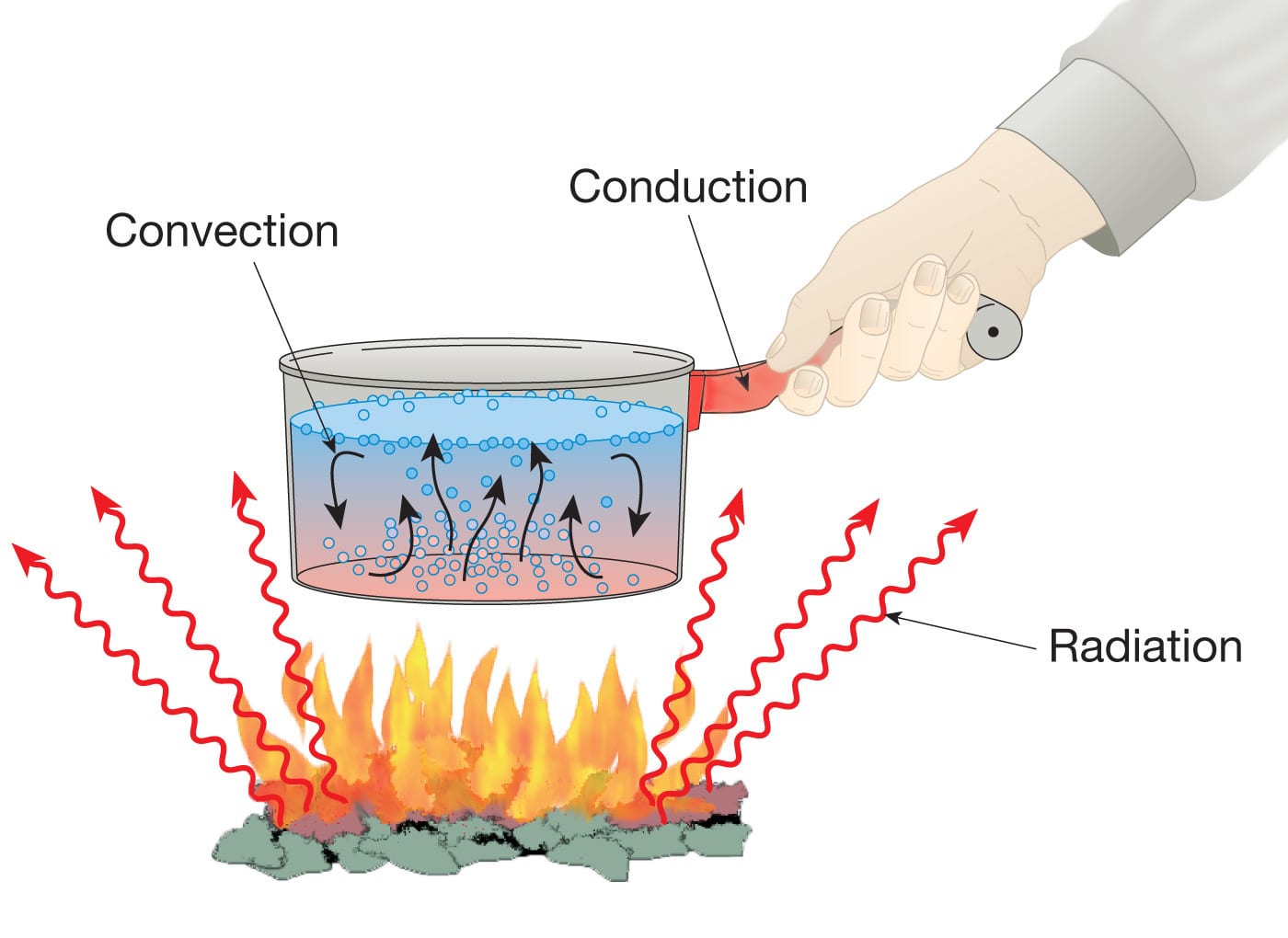
Heat transfer, on the other hand, describes the mechanisms by which thermal energy moves from one place to another. There are three primary modes:
- Conduction: The transfer of heat through direct contact, where energy passes from particle to particle. This is critical in the design of heat sinks and thermal pads in electronics, where heat needs to be efficiently drawn away from components.
- Convection: The transfer of heat through the movement of fluids (liquids or gases). This mode is central to cooling fans in computers, liquid cooling systems, and the overall airflow management within server racks.
- Radiation: The transfer of heat through electromagnetic waves, which does not require a medium. Radiant heat can be a significant factor in high-temperature components or in space applications where traditional convection is impossible.
For the tech sector, this scientific framework translates directly into practical engineering challenges and solutions. From managing the thermal output of increasingly powerful processors to designing energy-efficient data centers and pioneering sustainable energy solutions, heat science provides the foundational knowledge to innovate and overcome thermal barriers.
Thermal Management: The Unsung Hero of Modern Tech Performance
The relentless pursuit of higher performance in computing and electronics often comes with a significant challenge: heat generation. As transistors shrink and processing power intensifies, the amount of heat produced per unit area skyrockets. Without effective thermal management, performance degrades, components fail prematurely, and safety risks emerge. Heat science provides the tools and understanding to combat these issues, acting as the unsung hero behind reliable and high-performing technology.
Cooling Solutions for High-Performance Computing (AI, Gaming)
High-performance computing (HPC), including advanced AI accelerators, graphics processing units (GPUs) for gaming, and supercomputers, pushes the boundaries of power consumption and heat output. GPUs, for example, can generate hundreds of watts of heat, requiring sophisticated cooling systems to maintain optimal operating temperatures. Engineers leverage principles of heat conduction to design elaborate heat sinks with fins and heat pipes that effectively draw heat away from the silicon. Convective cooling is then employed through high-speed fans or liquid cooling loops, which circulate coolant past hot components to a radiator where heat is dissipated. The science behind phase-change cooling, where a liquid coolant evaporates to absorb heat and then condenses elsewhere, is also gaining traction for extreme cooling demands. Mastering these heat transfer mechanisms is critical for preventing thermal throttling, ensuring stable clock speeds, and extending the lifespan of expensive hardware.
Battery Life and Thermal Design in Mobile Devices
In the realm of mobile technology, thermal management is not just about performance, but also user experience and battery longevity. Smartphones, tablets, and wearable devices pack powerful processors and large batteries into incredibly thin form factors. Excess heat can not only make a device uncomfortable to hold but also accelerate battery degradation, reducing its overall lifespan and capacity. Heat science guides the design of internal layouts, material selection (e.g., using graphene films for heat spreading), and software algorithms that manage processor frequency to keep devices cool. Understanding heat flow paths and thermal resistance within these compact enclosures is crucial for maximizing battery efficiency and ensuring the safe operation of portable electronics.
Energy Efficiency and Sustainability through Heat Science
Beyond managing existing heat, heat science is pivotal in developing more energy-efficient technologies and fostering sustainable practices across the tech industry. As global concerns about energy consumption and environmental impact grow, applying heat science principles to reduce energy waste becomes paramount.
Optimizing Data Center Energy Consumption
Data centers are the backbone of the digital world, hosting everything from cloud services to AI models. They are also enormous consumers of electricity, with a significant portion (often 30-50%) dedicated to cooling their vast arrays of servers. Here, heat science drives innovation in cooling architectures. Techniques like hot/cold aisle containment, free cooling (using outside air when temperatures permit), and even immersion cooling (submerging servers in dielectric fluid) are direct applications of advanced heat transfer principles. By optimizing airflow, reducing thermal bypass, and recovering waste heat for other uses (e.g., district heating), data centers can drastically reduce their Power Usage Effectiveness (PUE) and operational carbon footprint. The quest for more efficient data centers is a constant demonstration of applied heat science.
Advancements in Renewable Energy and Thermal Systems
Heat science is also fundamental to the development and improvement of renewable energy technologies. Solar thermal collectors, which convert sunlight into heat for water heating or electricity generation, rely entirely on efficient heat absorption and transfer. Geothermal systems harness the Earth’s internal heat. Even in photovoltaic (PV) solar panels, understanding thermal effects is crucial; excessive heat can reduce a panel’s efficiency, leading to research into new cooling methods or materials that are less susceptible to temperature fluctuations. Furthermore, advanced battery technologies for energy storage, crucial for integrating intermittent renewables, require precise thermal management to ensure optimal performance and safety.
Innovations Driven by Heat Science
The continuous evolution of heat science is not just about solving existing problems but also about enabling entirely new technological capabilities. From cutting-edge materials to advanced sensing, breakthroughs in understanding and manipulating heat are opening doors to future innovations.
Smart Materials and Their Thermal Properties
Materials science, heavily intertwined with heat science, is leading to the development of “smart materials” with tunable thermal properties. Examples include phase-change materials (PCMs) that absorb and release large amounts of latent heat at specific temperatures, useful for passive thermal regulation in buildings and electronics. Thermoelectric materials, which can convert temperature differences directly into electrical energy (and vice versa), are being explored for waste heat recovery in various tech applications, from automotive systems to wearable gadgets. Understanding the atomic and molecular interactions that govern thermal conductivity and specific heat capacity is key to engineering these revolutionary materials.
Thermal Sensing and IoT Applications
Thermal imaging and sensing technologies, built upon the principles of radiative heat transfer, have become indispensable in various tech sectors. Infrared cameras are used for predictive maintenance in industrial settings to identify overheating components before they fail. In consumer electronics, thermal sensors monitor device temperature to prevent overheating and optimize performance. In the Internet of Things (IoT), miniature thermal sensors are being integrated into smart homes, smart cities, and industrial monitoring systems for applications ranging from energy management to fire detection and security. The ability to “see” and interpret heat signatures opens up a new dimension of data for intelligent systems.
The Future of Tech: Where Heat Science Leads
As technology continues its rapid advancement, the significance of heat science will only grow. The drive for ever-smaller, more powerful, and more energy-efficient devices and systems means that thermal challenges will become increasingly complex. Future innovations in quantum computing, advanced robotics, space exploration, and bio-integrated electronics will all demand sophisticated solutions derived from a deep understanding of heat generation, transfer, and management. From developing novel cooling paradigms that can handle exascale computing to engineering materials that can withstand extreme thermal environments, heat science remains at the forefront, defining the limits and enabling the next generation of technological breakthroughs. Its definition is not static; it constantly evolves alongside human ingenuity, pushing the boundaries of what is possible in our technologically driven world.
aViewFromTheCave is a participant in the Amazon Services LLC Associates Program, an affiliate advertising program designed to provide a means for sites to earn advertising fees by advertising and linking to Amazon.com. Amazon, the Amazon logo, AmazonSupply, and the AmazonSupply logo are trademarks of Amazon.com, Inc. or its affiliates. As an Amazon Associate we earn affiliate commissions from qualifying purchases.