
The economic growth rate is a fundamental metric that measures the percentage change in the real gross domestic product (GDP) of a country over a specific period, typically a quarter or a year. It quantifies the expansion or contraction of an economy, reflecting the rate at which the market value of goods and services produced by that economy increases or decreases. For individuals, businesses, and investors alike, understanding this rate is crucial as it offers profound insights into the overall health and future prospects of a nation’s financial landscape, influencing everything from job security to investment returns and the cost of living.

Understanding the Core Concept: Economic Growth and Its Measurement
At its heart, economic growth signifies an increase in a country’s capacity to produce goods and services over time. This enhanced productive capacity generally translates into higher incomes, increased employment, and an improved standard of living for its citizens. The primary indicator used to measure this growth is the Gross Domestic Product (GDP).
GDP represents the total monetary value of all finished goods and services produced within a country’s borders during a specific period. There are three main approaches to calculating GDP:
- The Expenditure Approach: This sums up all spending in the economy, including consumption (C), investment (I), government spending (G), and net exports (X-M). So, GDP = C + I + G + (X-M).
- The Income Approach: This adds up all income earned by individuals and businesses, such as wages, rents, interest, and profits.
- The Production (or Value-Added) Approach: This sums the “value-added” at each stage of production across all industries.
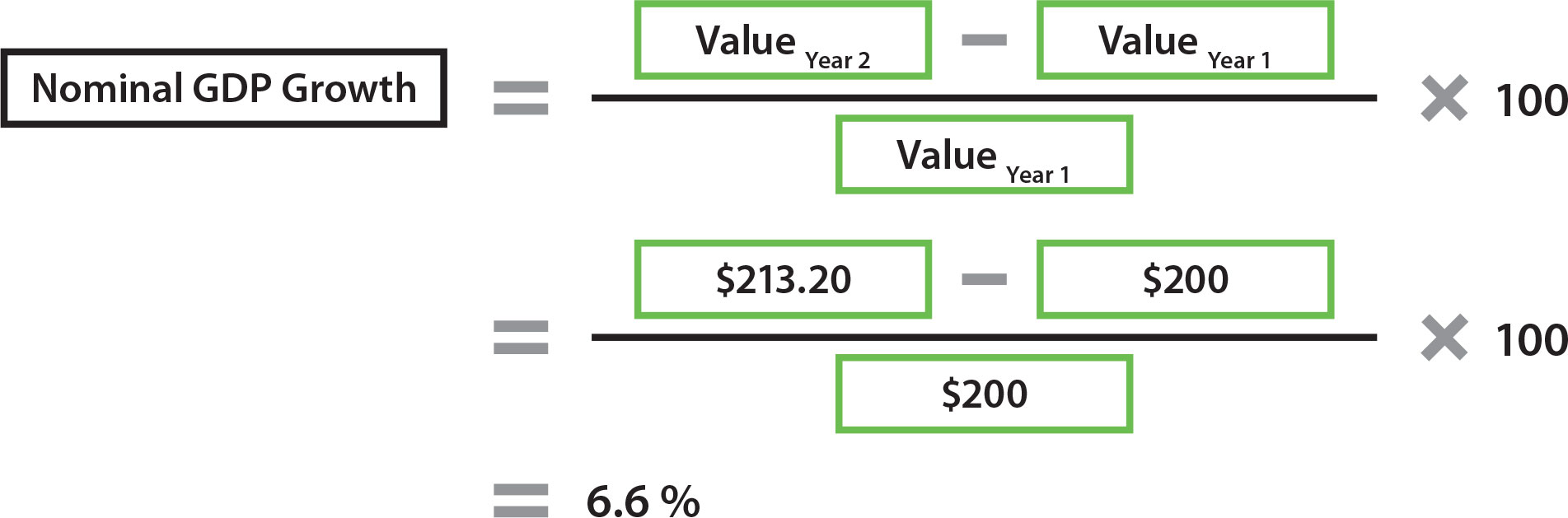
While nominal GDP reflects the raw market value, it can be inflated by rising prices. Therefore, when discussing economic growth, economists typically refer to real GDP, which adjusts for inflation. By using a base year’s prices, real GDP provides a more accurate picture of the actual increase in output, preventing the illusion of growth caused solely by price hikes. The economic growth rate is then calculated as the percentage change in real GDP from one period to the next:
Economic Growth Rate = [(Real GDP in Current Period – Real GDP in Previous Period) / Real GDP in Previous Period] * 100%
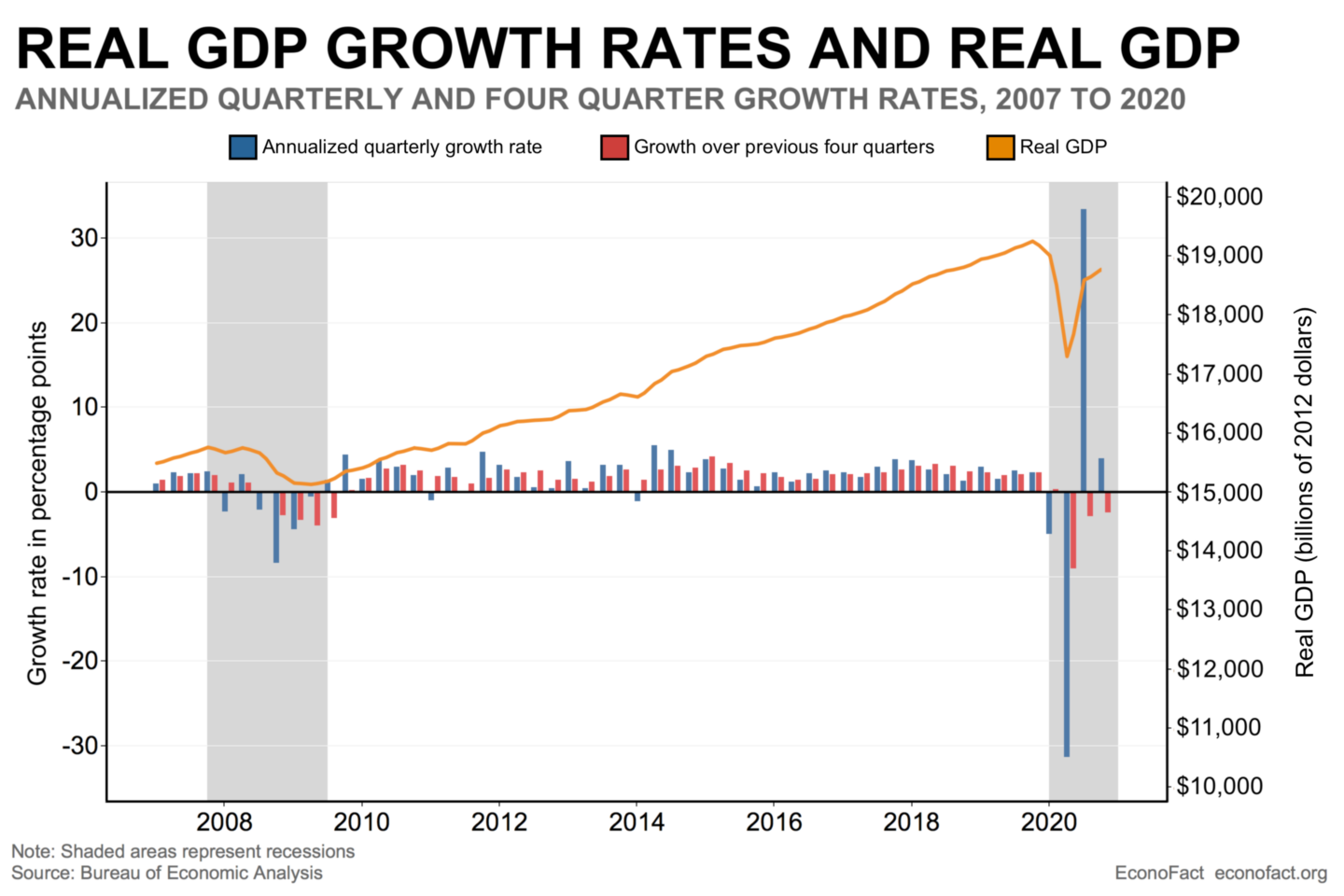
A positive growth rate indicates an expanding economy, while a negative rate signals a contraction, commonly associated with recessions or economic downturns.
Why Economic Growth Rate Matters for Your Financial Well-being
The economic growth rate is far more than an abstract macroeconomic statistic; it directly impacts the financial well-being of individuals, the profitability of businesses, and the strategies of investors. Its ripple effects touch every corner of the financial world.
For Investors and Investment Strategies
For investors, the economic growth rate is a vital signal. A robust and consistent growth rate often indicates a healthy environment for corporate profits, which can translate into higher stock valuations and stronger dividend payouts.
- Equity Markets: Companies operating in a growing economy tend to see increased sales and earnings, making their stocks more attractive. Investors often seek out companies and sectors poised to benefit most from economic expansion.
- Fixed Income: While growth can be good for equities, it can also lead to higher inflation expectations, which may prompt central banks to raise interest rates. This can negatively impact existing bond prices, though it might offer higher yields on new bond issues.
- Real Estate: Sustained economic growth typically fuels demand for housing and commercial properties, leading to appreciating real estate values and rental income growth.
Understanding growth trends helps investors anticipate market movements and allocate capital strategically across different asset classes.
For Businesses and Corporate Finance
Businesses thrive on economic expansion. A positive growth rate generally means increased consumer spending, higher demand for goods and services, and greater opportunities for investment and expansion.
- Revenue Growth: In a growing economy, businesses find it easier to increase sales volumes and potentially raise prices, leading to higher revenues and profits.
- Employment and Wages: As demand rises, businesses need to hire more employees, leading to lower unemployment rates and often upward pressure on wages. This, in turn, can further stimulate consumer spending, creating a virtuous cycle.
- Investment Decisions: Companies are more likely to invest in new equipment, research and development, and infrastructure when they anticipate future growth, leading to increased productivity and competitive advantage. Conversely, during periods of contraction, businesses often scale back investments and may even resort to layoffs to cut costs.
For Personal Finance Decisions
The economic growth rate has tangible effects on an individual’s financial stability and future planning.
- Job Security and Income: A strong economy with positive growth generally means more job opportunities and greater job security. It also often leads to higher wage growth, improving individuals’ purchasing power.
- Cost of Living and Inflation: While growth is desirable, rapid or unchecked growth can sometimes lead to inflation, where the cost of goods and services rises faster than wages, eroding purchasing power. Central banks monitor growth carefully to manage inflation risks.
- Borrowing Costs: Economic growth rates influence central bank policy, which in turn affects interest rates. In periods of strong growth, central banks might raise interest rates to cool down the economy and prevent overheating, making loans for homes, cars, and other purchases more expensive. Conversely, during slowdowns, rates may be cut to stimulate borrowing and spending.
- Retirement Planning: The performance of investment portfolios, which are crucial for retirement savings, is heavily influenced by economic cycles. Sustained growth can enhance retirement fund returns, while downturns can set back plans.
Key Drivers and Factors Influencing Economic Growth
Economic growth is a complex phenomenon driven by a multitude of interconnected factors. Understanding these drivers is essential for policymakers seeking to foster prosperity and for stakeholders anticipating economic trajectories.
Productivity and Technological Innovation
Perhaps the most significant long-term driver of economic growth is productivity growth, which means producing more output with the same or fewer inputs. Technological innovation is a primary engine of productivity. New technologies, from artificial intelligence to advanced manufacturing techniques, can dramatically increase efficiency, reduce costs, and create entirely new industries and markets. Investment in research and development (R&D) is therefore crucial for fostering a dynamic and growing economy.
Capital Investment and Infrastructure
Investment in physical capital—such as machinery, factories, and equipment—as well as robust infrastructure like transportation networks, communication systems, and energy grids, directly enhances a nation’s productive capacity. Modern infrastructure reduces logistics costs, improves market access, and facilitates business operations, making an economy more competitive and efficient. Public and private investment in these areas lays the groundwork for future growth.
Human Capital and Education
A well-educated, healthy, and skilled workforce (human capital) is indispensable for economic growth. Investment in education, vocational training, and healthcare improves worker productivity, fosters innovation, and enables a workforce to adapt to changing economic demands. Countries with higher levels of human capital tend to have higher economic growth rates and greater potential for long-term prosperity.
Government Policy and Institutional Stability
The role of government policy is profound. Sound fiscal policies (taxation and spending), stable monetary policies (interest rates and money supply), and effective regulatory frameworks can create an environment conducive to business and investment.
- Fiscal Policy: Tax incentives for businesses, public spending on infrastructure, and support for education can stimulate growth.
- Monetary Policy: Central banks use interest rate adjustments and quantitative easing/tightening to manage inflation and stabilize economic activity, aiming for sustainable growth.
- Institutional Frameworks: Clear property rights, the rule of law, low corruption, and political stability are critical for attracting foreign investment and encouraging domestic entrepreneurship. Without these foundational elements, economic uncertainty can deter long-term planning and investment.
Natural Resources and Global Trade
While not always the primary driver in developed economies, abundant natural resources can provide a significant advantage, especially for resource-rich nations. Access to raw materials like oil, minerals, and fertile land can fuel industries and exports. Furthermore, participation in global trade allows countries to specialize in what they produce most efficiently, access a wider range of goods and services, and benefit from economies of scale. Open markets and free trade agreements can significantly contribute to economic expansion by fostering competition and efficiency.
In summary, the economic growth rate serves as a compass for the financial health of nations, directly influencing the fabric of our financial lives. Its trajectory guides investment decisions, shapes business strategies, and determines the opportunities and challenges faced by individuals in their pursuit of financial security and prosperity. Understanding its components and drivers is not just an academic exercise but a practical necessity for navigating the modern financial landscape.
aViewFromTheCave is a participant in the Amazon Services LLC Associates Program, an affiliate advertising program designed to provide a means for sites to earn advertising fees by advertising and linking to Amazon.com. Amazon, the Amazon logo, AmazonSupply, and the AmazonSupply logo are trademarks of Amazon.com, Inc. or its affiliates. As an Amazon Associate we earn affiliate commissions from qualifying purchases.