
Dejection is an emotional state characterized by a profound sense of sadness, discouragement, and a feeling of being let down or utterly disheartened. It extends beyond a fleeting moment of unhappiness; it’s a persistent weight that can significantly influence an individual’s outlook, energy, and, critically, their professional presentation and personal brand. For anyone meticulously cultivating their personal brand – that unique amalgamation of skills, experience, and personality that distinguishes them in their industry – understanding and managing dejection is not merely a matter of personal well-being, but a strategic imperative.
Dejection Defined: A Silent Disruptor of Professional Confidence
While often conflated with general sadness or temporary disappointment, dejection carries a deeper, more pervasive quality. It’s a feeling of being cast down, defeated, or low in spirits, frequently stemming from unmet expectations, setbacks, or a perceived failure. In the context of personal branding, dejection acts as a silent disruptor, subtly eroding the confidence, enthusiasm, and proactive energy essential for projecting a strong, consistent, and compelling professional image.
Understanding the Nuances of Dejection in a Professional Context
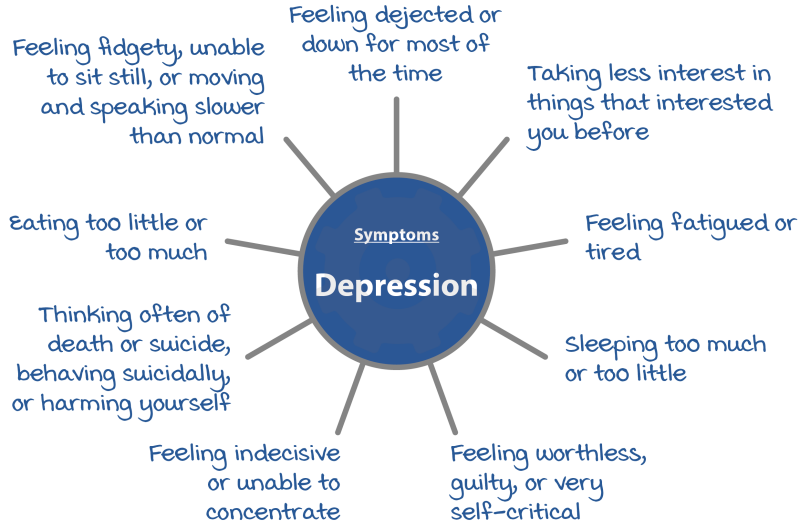
Dejection isn’t clinical depression, but its symptoms can overlap with milder forms of emotional distress. Professionally, it might manifest as a lack of motivation to network, a reluctance to speak up in meetings, a diminished capacity for creative problem-solving, or even a noticeable shift in body language that communicates disengagement. Recognizing these subtle signs, both in oneself and in others, is the first step toward mitigating their potential impact on one’s brand. A personal brand thrives on authenticity, but it also relies on projecting resilience, capability, and a positive outlook. When dejection takes hold, it can create a dissonance between the desired brand image and the reality of one’s presentation, making it challenging to maintain credibility and influence.
The Impact of Dejection on Personal Branding
Your personal brand is a promise—a representation of who you are and what you stand for professionally. Dejection, if left unaddressed, can fundamentally undermine this promise, affecting how you are perceived by colleagues, clients, and your broader professional network.
Erosion of Executive Presence: How Dejection Manifests in Public
Executive presence is the ability to inspire confidence and command respect. It’s built on a foundation of self-assurance, clear communication, and a composed demeanor. Dejection can directly attack these pillars. A person experiencing dejection might exhibit slumped shoulders, avoid eye contact, speak in a quieter or less assertive tone, or even withdraw from social interactions. These physical and behavioral cues, often subconscious, can lead others to perceive a lack of confidence, competence, or even interest, thereby diminishing their executive presence and, consequently, the strength of their personal brand. Your brand needs to radiate capability and leadership; dejection can cast a shadow on that essential glow.
Stifling Networking and Opportunity: Missed Connections
Networking is the lifeblood of career advancement and personal brand growth. It requires proactive engagement, genuine curiosity, and a willingness to connect. Dejection, by its very nature, saps energy and often fosters a desire for isolation. This can lead to missed networking events, neglected follow-ups, and a general disinterest in forging new professional relationships. Each missed interaction is a lost opportunity to reinforce your brand, share your expertise, and uncover potential collaborations. The ripple effect can be significant, hindering visibility and access to critical opportunities that fuel brand expansion.
Inconsistent Messaging: When Your Brand Voice Falters
A strong personal brand is characterized by consistent messaging across all platforms and interactions. Your brand voice should reflect your core values and professional identity. When dejection sets in, it can make maintaining this consistency incredibly difficult. Enthusiastic pitches might sound forced, written communications might lack their usual clarity or conviction, and spontaneous interactions might reveal a disconnect from your established persona. This inconsistency can confuse your audience and dilute the impact of your brand, leading others to question your reliability or commitment.
The Digital Footprint: How Dejection Can Permeate Online Presence
In today’s digital age, your online presence is a cornerstone of your personal brand. Social media posts, LinkedIn updates, and professional articles all contribute to your narrative. Dejection can influence this digital footprint in several ways: a reduction in activity, a shift in tone towards negativity or disengagement, or simply a perceived lack of the usual vibrancy and insight. While authenticity is valued, consistently projecting a disheartened persona online can inadvertently communicate a lack of drive or resilience, impacting how potential employers, collaborators, or clients view your brand’s vitality and forward momentum.
Building Resilience into Your Personal Brand Narrative
Recognizing the detrimental effects of dejection is the first step; strategically building resilience into your personal brand narrative is the antidote. This isn’t about masking genuine emotions, but about demonstrating the strength and self-awareness to navigate challenges while maintaining your professional integrity.
Self-Awareness as a Brand Asset: Recognizing the Onset
For a strong personal brand, self-awareness is paramount. It involves understanding your strengths, weaknesses, and emotional triggers. Recognizing the early signs of dejection allows for proactive management rather than reactive damage control. Incorporating self-awareness into your brand messaging—by perhaps sharing lessons learned from challenges (after they’ve been overcome) or emphasizing a commitment to continuous growth—can strengthen your brand, portraying you as reflective, grounded, and ultimately, more relatable and trustworthy.
Strategic Communication: Acknowledging, Not Dwelling
When faced with dejection, especially when it stems from a public setback, strategic communication is key. This means acknowledging the challenge or disappointment without dwelling on it excessively or adopting a victim mentality. A strong personal brand leverages challenges as opportunities for growth. Briefly and professionally addressing a setback, outlining lessons learned, and articulating a path forward reinforces resilience and problem-solving capabilities, transforming potential brand weakness into a testament to your character and fortitude.

Curating Your Professional Support System
No personal brand thrives in isolation. A robust professional support system—mentors, peers, and trusted advisors—is invaluable. During periods of dejection, this network can provide perspective, encouragement, and practical advice. Actively cultivating these relationships and occasionally leaning on them (in a professional and appropriate manner) demonstrates a healthy understanding of collaboration and interdependence, which are positive attributes for any personal brand.
The Power of Purpose: Reconnecting to Your “Why”
Dejection often blurs the vision of one’s professional purpose. Reconnecting with the core “why” behind your work and your brand can be a powerful antidote. Reminding yourself of your values, your mission, and the positive impact you aim to make can reignite enthusiasm and provide the necessary motivation to push through challenging periods. Integrating this “why” prominently into your brand narrative—through your mission statement, your online profiles, or your professional storytelling—can serve as a constant source of inspiration, both for you and your audience.
Practical Strategies for Brand Maintenance During Periods of Dejection
Maintaining a strong personal brand during periods of dejection requires deliberate action and strategic foresight. It’s about minimizing negative impact while preparing for a strong resurgence.
Controlled Visibility: When to Step Back, When to Engage
It’s wise to practice controlled visibility during intense periods of dejection. This might mean temporarily reducing your public speaking engagements or scaling back your social media presence if you feel unable to project your authentic, energetic brand. However, complete withdrawal can also be detrimental. Strategically choose engagements where you feel you can still contribute effectively, even if on a smaller scale. Focus on internal work, skill development, or one-on-one interactions that are less draining and can help you rebuild your professional confidence in a lower-stakes environment.
Leveraging Your Network for Support, Not Pity
Your professional network can be a significant asset, but it’s crucial to seek support in a way that reinforces, rather than diminishes, your brand. Instead of lamenting your struggles, reach out for advice, perspective, or a strategic brainstorming session. Frame your conversations around problem-solving and growth, demonstrating your proactive approach even when challenged. This showcases your leadership qualities and resilience, turning a vulnerable moment into an opportunity to strengthen professional bonds.
Content Strategy: Authenticity vs. Vulnerability
When dejection impacts your ability to create vibrant content, reassess your content strategy. While authenticity is a cornerstone of a strong personal brand, constant public vulnerability regarding your emotional state can detract from your professional image. Instead, consider focusing on evergreen content, curating insights from others, or sharing resources that align with your brand’s expertise, even if you’re not personally generating extensive new material. This maintains your digital presence without overexposing your personal struggles.
The Role of Mentorship in Personal Brand Recovery
Mentors are invaluable guides. During periods of dejection, a trusted mentor can offer objective advice, help reframe setbacks, and provide strategies for recovery. Their wisdom can help you navigate difficult situations while ensuring your brand remains on track. Actively seeking and engaging with mentors demonstrates humility, a commitment to learning, and a proactive approach to personal and professional development—all positive brand attributes.
From Dejection to Drive: Reclaiming Your Brand Momentum
The ultimate goal is to move beyond dejection, reclaiming your drive and using the experience to fortify your personal brand for the long term.
Post-Dejection Brand Audit: What Needs Reconstruction?
Once you begin to emerge from a period of dejection, conduct a comprehensive personal brand audit. Review your online profiles, recent communications, and professional interactions. Identify any areas where dejection might have inadvertently impacted your brand’s consistency or message. This audit allows you to strategically reconstruct or reinforce elements of your brand, ensuring it accurately reflects your current capabilities and renewed purpose.
Articulating Growth: Turning Challenges into Brand Strengths
Transforming a period of dejection into a powerful narrative of growth and resilience can be a significant brand differentiator. Once the challenge has been overcome, articulate the lessons learned, the strategies employed, and the renewed sense of purpose gained. Sharing this journey, perhaps in a professional article or during a speaking engagement, showcases your resilience, emotional intelligence, and ability to navigate adversity, adding profound depth and strength to your personal brand.

Sustainable Strategies for Emotional Well-being and Brand Longevity
Finally, integrate sustainable strategies for emotional well-being into your routine. Proactive measures such as regular self-reflection, mindfulness practices, setting realistic expectations, and cultivating a robust support system can help mitigate future bouts of dejection. A strong, long-lasting personal brand is built on a foundation of not just professional competence, but also emotional resilience and a commitment to holistic well-being, ensuring you can consistently deliver on your brand’s promise for years to come.
aViewFromTheCave is a participant in the Amazon Services LLC Associates Program, an affiliate advertising program designed to provide a means for sites to earn advertising fees by advertising and linking to Amazon.com. Amazon, the Amazon logo, AmazonSupply, and the AmazonSupply logo are trademarks of Amazon.com, Inc. or its affiliates. As an Amazon Associate we earn affiliate commissions from qualifying purchases.