
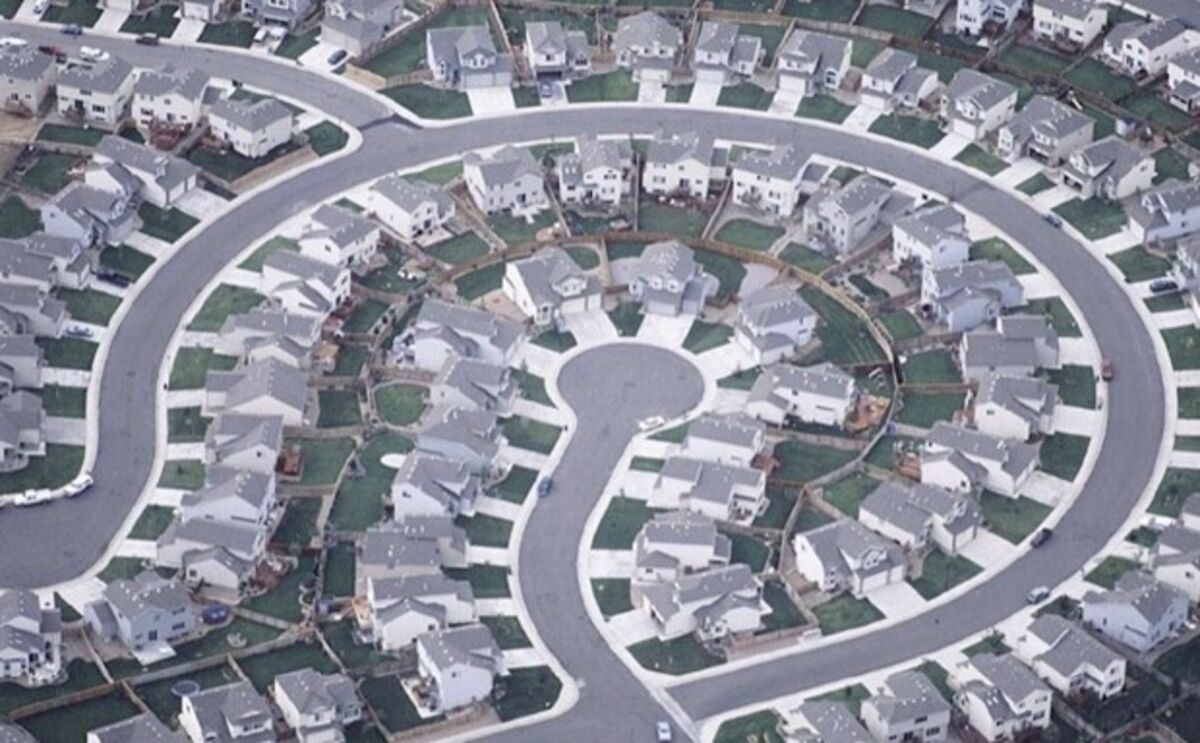
A cul-de-sac, derived from the French for “bottom of a bag,” is a street or road that is closed at one end, typically with a circular turnaround area. While seemingly a simple design feature, the cul-de-sac profoundly impacts various financial aspects of real estate, urban development, and personal finance, influencing property values, community dynamics, and investment decisions for homeowners and developers alike. Understanding its economic footprint requires delving into market demand, safety perceptions, and the intricate world of urban planning.
The Financial Allure of a Cul-de-Sac Property
For many prospective homebuyers and real estate investors, properties located on a cul-de-sac carry a distinct appeal that often translates into tangible financial value. This desirability is rooted in a combination of practical benefits and perceived advantages that enhance quality of life and, consequently, market worth.

Enhanced Property Value
Research and market trends consistently indicate that homes situated on cul-de-sacs often command a premium compared to comparable properties on through streets. Several factors contribute to this increased valuation. Primarily, the reduced traffic flow minimizes noise pollution and wear and tear on local infrastructure, contributing to a more tranquil living environment. This quietude is a highly sought-after amenity, particularly in suburban areas where peace is often a key selling point. Furthermore, the larger lot sizes often associated with properties at the end of a cul-de-sac, especially those with pie-shaped dimensions, can offer more expansive yards, greater privacy, and enhanced landscaping opportunities. These larger, more secluded spaces are inherently more valuable, allowing for greater customization and personal enjoyment, which buyers are willing to pay for. The perceived exclusivity and uniqueness of a cul-de-sac address can also play a psychological role, making properties feel more distinct and desirable in a competitive market.
Safety and Serenity as Investment Drivers
One of the most significant advantages of a cul-de-sac, from a financial perspective, is the heightened sense of safety and security it offers. With no through traffic, the risk of accidents, particularly involving pedestrians and children playing outdoors, is drastically reduced. This safety aspect is a powerful driver for families, making cul-de-sacs highly desirable locations. Parents are often willing to invest more in a home that provides a safe environment for their children to play freely, unconcerned by constant vehicle movement. This tranquility extends beyond child safety; the absence of commuter traffic creates a quieter, more peaceful atmosphere, reducing ambient noise and improving overall quality of life. For investors, this translates into properties with sustained demand and potentially lower vacancy rates in rental markets, as tenants also prioritize safety and quiet. The reduced vehicular activity also contributes to better air quality and less noise pollution, indirectly adding to the property’s intrinsic value and appeal.
Community and Social Capital
Cul-de-sacs are often associated with stronger community bonds and a greater sense of neighborhood cohesion. The limited traffic and design naturally encourage social interaction among neighbors. Children often play together in the street or common areas, and adults are more likely to engage in casual conversations, fostering a tight-knit community feel. This social capital, while intangible, has indirect financial benefits. A strong community can contribute to collective efforts in property maintenance, neighborhood watch programs, and local initiatives that enhance the overall desirability and safety of the area. From a financial standpoint, living in a supportive, engaged community can lead to greater long-term satisfaction for homeowners, potentially reducing turnover and maintaining property values. For developers, designing communities with cul-de-sacs can be a deliberate strategy to cultivate this sense of community, enhancing the marketability and premium pricing of new developments by offering more than just a house, but a lifestyle.
Development Economics and Urban Planning
The decision to incorporate cul-de-sacs into urban and suburban development plans is not merely an aesthetic or lifestyle choice; it involves complex financial calculations regarding land use, infrastructure costs, and market demand. Developers weigh these factors carefully to maximize profitability while meeting regulatory requirements and buyer expectations.
Infrastructure Costs and Land Utilization

From a developer’s perspective, cul-de-sacs present a mixed bag of financial implications concerning infrastructure. While they can facilitate a more efficient layout for certain parcel shapes, potentially minimizing the linear footage of roads, sidewalks, and utilities required per lot, they also introduce complexities. The circular turnaround area, or bulb, requires a larger footprint than a simple through-street segment, meaning more land is dedicated to public infrastructure rather than sellable lots. This can increase land acquisition costs per developable unit. Additionally, the construction of the bulb itself can be more complex and costly than straight road sections, requiring specialized paving and drainage solutions. Developers must meticulously calculate the cost-benefit ratio of creating these features, balancing the initial expenditure against the premium pricing they can achieve for cul-de-sac lots. Effective land utilization, therefore, becomes a critical component of project profitability, requiring careful planning to optimize lot yield while maintaining the desired aesthetic and functional appeal.
Market Demand and Developer Premiums
The strong market demand for cul-de-sac properties allows developers to command higher prices, offsetting some of the increased infrastructure costs. Understanding this demand is crucial for financial success in real estate development. Developers often strategically place higher-end homes or larger lots on cul-de-sacs within a development, capitalizing on the perceived value. The ability to market homes as “private,” “safe,” and “community-oriented” due to their cul-de-sac location provides a significant competitive advantage. This premium pricing model allows developers to achieve better profit margins, making cul-de-sacs an attractive design element despite their inherent planning challenges. Market research consistently shows that buyers are willing to pay more for the unique benefits offered by these locations, directly impacting a developer’s financial projections and overall return on investment (ROI). The perceived scarcity of such desirable locations further drives their value in the market.
The Regulatory Landscape
Urban planning and zoning regulations play a significant role in the financial viability and prevalence of cul-de-sacs. Local governments often have specific guidelines concerning street design, block length, connectivity, and emergency access. Some municipalities may favor grid patterns for better traffic flow and emergency response, potentially restricting the use of cul-de-sacs. Conversely, others might encourage them to create distinct neighborhood clusters and enhance pedestrian safety. Developers must navigate these regulations, which can impact design flexibility, project timelines, and overall costs. Compliance with storm drainage requirements for cul-de-sac bulbs, setback rules, and utility access can add layers of complexity and expense. Financial modeling for new developments must account for these regulatory hurdles, as delays or redesigns can significantly erode profit margins. The interplay between local ordinances and market demand often dictates the optimal balance of cul-de-sac design within a larger community plan.
Navigating Investment: Pros and Cons
For individual homeowners and real estate investors, properties on cul-de-sacs present both compelling advantages and potential considerations that can influence long-term financial outcomes. A balanced understanding is essential for making informed investment decisions.
Advantages for Homeowners and Investors
From a personal finance perspective, investing in a cul-de-sac home offers several benefits. For homeowners, the enhanced quality of life—safety, quiet, and community—translates into greater satisfaction and a sense of belonging, which can indirectly lead to lower moving costs over time. The appreciation potential is often robust, given the consistent demand for these properties, making them a solid long-term asset. For real estate investors, cul-de-sac properties can represent a stable and desirable addition to a portfolio. Their appeal to families and individuals seeking a peaceful environment often ensures consistent rental income and lower tenant turnover. The premium pricing these properties command upon resale further solidifies their status as a sound investment, potentially yielding higher capital gains. Moreover, the reduced external traffic exposure can translate to less wear and tear on the property’s exterior and less need for frequent fence repairs or noise insulation upgrades, saving money in the long run.
Potential Drawbacks and Considerations
While generally positive, investing in cul-de-sac properties is not without its considerations. One common concern is the potential for restricted emergency vehicle access and service delivery. The single entry/exit point can pose challenges during emergencies, potentially impacting response times, which could theoretically affect insurance premiums or even property value in some extreme cases. Deliveries, trash collection, and moving large items can also be more complicated due to the limited maneuverability of large vehicles. Another factor to consider is the concentration of properties, which, while fostering community, can also lead to less privacy if not managed with appropriate landscaping or fencing. Financially, while typically appreciating well, the premium paid upfront for a cul-de-sac home might be higher, requiring a larger initial investment. Furthermore, if a cul-de-sac is poorly maintained or lacks curb appeal due to neglected neighboring properties, the collective aesthetic can negatively impact the value of all homes on the street. Therefore, diligence in neighborhood selection and community engagement becomes particularly important for financial protection.
Beyond the Residential Street: Future Financial Implications
The concept of the cul-de-sac extends beyond just a residential street layout, reflecting broader trends in urban development and how communities balance connectivity with tranquility. As urban planning evolves, so too will the financial models and investment opportunities related to these unique spaces.
Future financial implications might involve innovation in smart city technologies tailored for cul-de-sacs, such as integrated sensor networks for traffic management (even minimal traffic), enhanced security systems, and communal resource management (e.g., shared solar grids or waste disposal solutions that benefit from the concentrated layout). The development of sustainable, car-free communities, like the “Culdesac” project in Tempe, Arizona, represents a modern interpretation where the cul-de-sac principle of limited vehicular access is taken to an extreme. These projects redefine the financial value proposition, emphasizing pedestrian-centric living, shared amenities, and reduced reliance on personal vehicles, which translates into lower transportation costs for residents and a unique market differentiator for developers. The financial viability of such ventures relies on capturing a niche market willing to pay a premium for this lifestyle, indicating a shift in what constitutes “value” in real estate. As environmental concerns and quality of life continue to drive real estate decisions, the financial appeal of intelligently designed, secluded, and community-focused spaces, whether traditional cul-de-sacs or their modern evolutions, will likely remain robust.
aViewFromTheCave is a participant in the Amazon Services LLC Associates Program, an affiliate advertising program designed to provide a means for sites to earn advertising fees by advertising and linking to Amazon.com. Amazon, the Amazon logo, AmazonSupply, and the AmazonSupply logo are trademarks of Amazon.com, Inc. or its affiliates. As an Amazon Associate we earn affiliate commissions from qualifying purchases.