
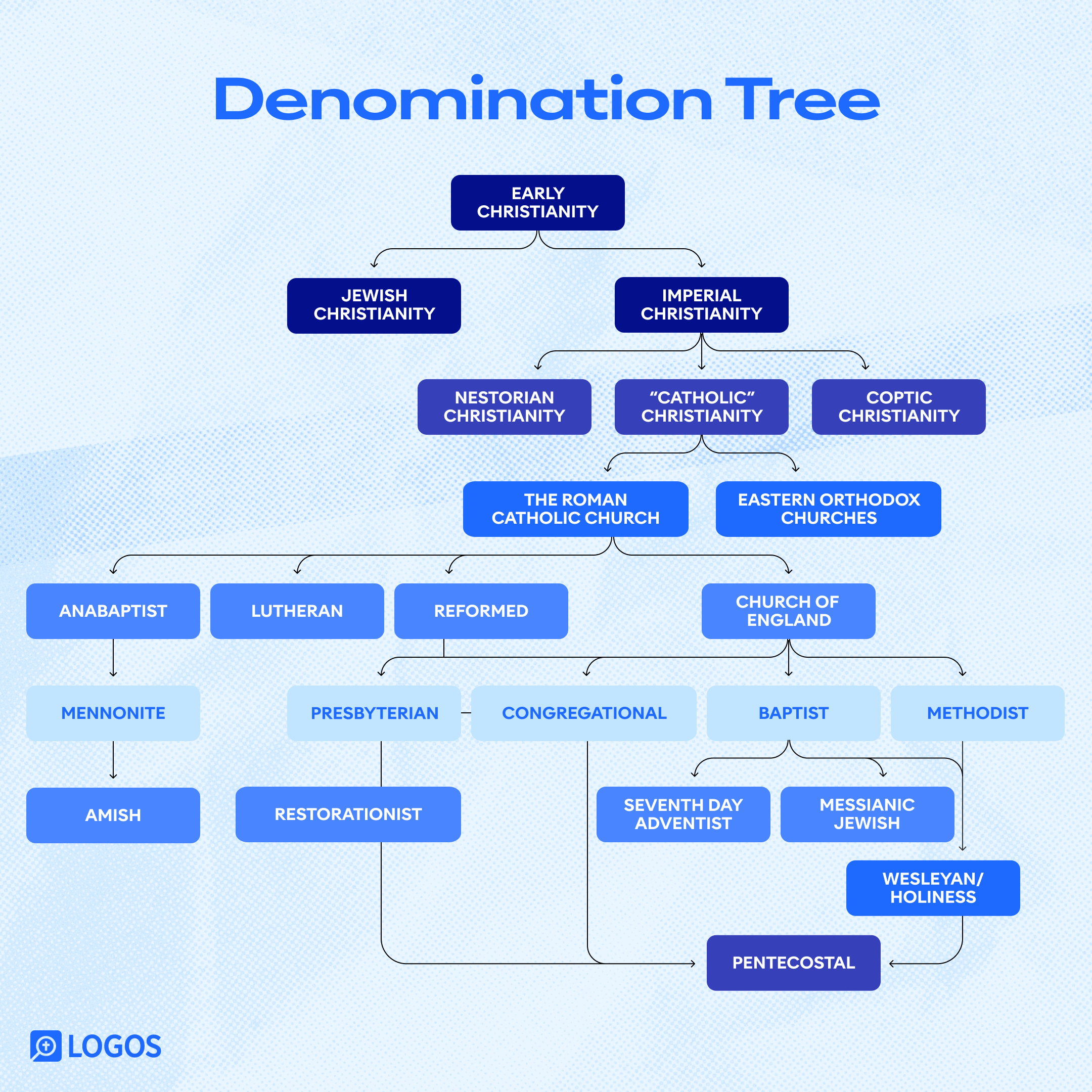
Christian denominations represent distinct organizational identities within the broader Christian faith, each possessing a unique brand strategy that differentiates it in a complex spiritual landscape. Far from being monolithic, Christianity is characterized by a rich tapestry of traditions, each with its own corporate identity, marketing approach, and operational framework. Understanding what constitutes a Christian denomination, therefore, requires examining these distinct entities through the lens of branding – considering their core identity, competitive positioning, and strategies for growth and community building.
The Core Identity of a Christian “Brand”
Every Christian denomination fundamentally operates like a distinct brand, meticulously crafting and communicating its unique identity. This “brand” is built upon foundational principles that guide its existence and interactions.

Defining a Distinctive “Brand”
At the heart of any denomination’s brand lies its specific theological interpretations, historical lineage, and foundational doctrines. These elements coalesce to form its core identity, much like a commercial brand’s mission, vision, and core values. For instance, some denominations might emphasize a particular interpretation of scripture, a specific understanding of salvation, or a unique historical connection to a reform movement or early church tradition. This distinct theological framework serves as the denomination’s unique selling proposition (USP) in the spiritual marketplace, providing a clear reason for individuals to align with its particular expression of faith. The choice of a denominational name itself often reflects this core identity, signaling its heritage (e.g., Methodist, Lutheran, Presbyterian) or its defining characteristic (e.g., Evangelical, Baptist, Pentecostal). This naming convention acts as a primary identifier, instantly communicating a set of expectations and associations to its target audience.
Operationalizing Beliefs into Practice
A denomination’s core beliefs are not merely theoretical; they are operationalized into specific practices, worship styles, and social engagements, which function as the “deliverables” or “brand experiences” offered to its members. The liturgy, sacraments, hymnody, and even the architectural style of its places of worship are all expressions of its brand identity. For example, a highly liturgical denomination might emphasize ancient rituals and structured services, creating a sense of timeless tradition and gravitas. Conversely, a more contemporary or charismatic denomination might prioritize spontaneous worship, modern music, and community-focused events, appealing to those seeking a more experiential and dynamic spiritual engagement. These diverse practices represent distinct product offerings, designed to meet varying spiritual needs and preferences within the broader market. Furthermore, a denomination’s stance on social justice, charitable work, or political engagement also forms a critical part of its brand promise, demonstrating its values in action and attracting individuals who resonate with those particular commitments.
Governance and Organizational Structure as Corporate Identity
The organizational structure and governance model of a denomination are crucial aspects of its corporate identity. These frameworks dictate decision-making processes, leadership hierarchies, and the distribution of authority, profoundly influencing the denomination’s operational efficiency and public image. Some denominations adopt an episcopal structure, where authority flows from bishops, creating a centralized and hierarchical brand. Others follow a presbyterian model, emphasizing governance by elders and shared decision-making, presenting a more representative corporate identity. Still others are congregational, granting significant autonomy to individual local churches, which fosters a decentralized and community-driven brand perception. Each structure implies a different level of control over local church branding, messaging, and practices. A highly centralized denomination can enforce greater brand consistency across all its expressions, while a decentralized model allows for more local adaptation and innovation, potentially appealing to those who value autonomy and grassroots initiative. This structural variance is a key differentiator, signaling to potential members the kind of corporate culture and decision-making environment they can expect.
Differentiating Denominational “Brands” in a Competitive Landscape
In a diverse religious environment, Christian denominations actively differentiate their “brands” to attract and retain members, much like businesses distinguish themselves in a marketplace. This involves strategic positioning, clear communication of unique attributes, and compelling brand storytelling.
Market Segmentation and Target Audience
Denominations, often implicitly, engage in market segmentation, appealing to different demographics, cultural groups, or spiritual preferences. This strategic targeting allows them to tailor their message and offerings to resonate with specific segments of the population. For example, some denominations might focus on urban centers, addressing the unique social and economic challenges of city life, while others might thrive in rural communities with an emphasis on traditional values. Ethnic-specific denominations cater to cultural identity alongside spiritual needs, offering a dual sense of belonging. This segmentation is not just about demographics; it’s also about psychographics – appealing to individuals seeking intellectual rigor, emotional experience, social activism, or contemplative peace. By understanding their target audience, denominations can refine their messaging and programs to create a stronger connection, fostering a sense of belonging and relevance that is crucial for sustained engagement.
Unique Selling Propositions (USPs) in Faith
Each denomination possesses distinctives that serve as its unique selling propositions (USPs), highlighting what makes it special and why an individual should choose to affiliate with it. These USPs can stem from various aspects: a particular emphasis on social justice, a commitment to charismatic spiritual experiences, adherence to a specific liturgical tradition, a focus on intellectual theology, or a strong missionary impulse. For instance, a denomination known for its robust social justice advocacy positions itself as a brand for those seeking faith in action. Another, celebrated for its vibrant worship and spiritual gifts, attracts individuals looking for an experiential connection with the divine. These USPs are communicated through all aspects of the denomination’s “brand package” – from its published materials and online presence to the sermons delivered in its pulpits and the community projects it undertakes. They are the core reasons why a “customer” (member) chooses one “brand” of Christianity over another.
The Role of Narrative and Heritage in Brand Storytelling
Brand storytelling is a powerful tool for denominations to connect with potential and existing members on an emotional level. This often involves recounting their historical journey, highlighting foundational figures, and sharing compelling testimonies of faith. The narrative of a denomination’s origins – whether it’s tied to a historical reformation, a revival movement, or the vision of a specific leader – forms a powerful part of its brand legacy. Stories of perseverance, courage, and divine intervention become part of the collective identity, creating a sense of shared heritage and purpose. These narratives are not merely historical accounts; they are living stories that inform the denomination’s current mission and vision. They build trust, foster loyalty, and provide a sense of continuity that anchors the “brand” in a changing world. A denomination’s “brand story” is continuously co-authored by its members, whose personal experiences and testimonies add depth and authenticity to the overall narrative.
Marketing and Community Building for Denominational Growth
Denominations actively engage in various forms of marketing and community building to attract new members and cultivate strong, lasting loyalty, akin to how commercial brands build their customer base and foster engagement.
Evangelism as Brand Communication
Evangelism, in a branding context, can be understood as the strategic communication of a denomination’s “brand message” and value proposition to a wider audience. This involves a range of strategies and channels, from traditional missionary work and local church outreach programs to modern digital presence and social media campaigns. Sermons, publications, conferences, and community events all serve as platforms for communicating the denomination’s core beliefs, practices, and mission. Online platforms have become increasingly vital, allowing denominations to share their message globally, offer virtual services, and engage with potential members through content marketing – producing articles, videos, and podcasts that explain their tenets and appeal to a broader digital audience. Effective evangelism aims to not only inform but also persuade and invite individuals to experience the denomination’s unique “brand experience,” fostering a sense of belonging before official affiliation.
Cultivating Brand Loyalty and Community
Beyond initial attraction, denominations focus heavily on cultivating brand loyalty and building strong, supportive communities. This involves creating environments where members feel a deep sense of belonging, purpose, and mutual support. Small groups, fellowship events, volunteer opportunities, and pastoral care programs are all designed to strengthen internal bonds and encourage long-term commitment. This continuous engagement helps to reinforce the denomination’s “brand promise” and deliver on its value proposition. A strong sense of community fosters high “customer retention” rates, as members find spiritual sustenance, social connection, and opportunities for personal growth within their chosen denominational “brand.” This loyalty is often intergenerational, with families remaining within the same denominational tradition for decades, showcasing the powerful and enduring nature of this brand affinity.
Visual and Experiential Branding
The visual and experiential aspects of a denomination are critical for establishing a recognizable brand identity and creating a consistent brand experience. This includes the use of specific symbols (e.g., crosses, doves, denominational seals), architectural styles of churches, vestments worn by clergy, and the music and rituals used in worship. These elements work together to create a distinctive aesthetic and atmosphere that reinforces the denomination’s identity. A denomination with a strong visual brand creates instant recognition and evokes specific associations. For example, a Gothic cathedral immediately communicates a sense of history, reverence, and tradition. Similarly, the consistent use of certain colors, fonts, or logos in publications and online content further solidifies the visual brand. The overall sensory experience within a denominational setting – the sound of the music, the smell of incense, the feel of sacred texts – all contribute to a powerful and memorable brand experience that strengthens attachment and loyalty.
Challenges and Evolution in Denominational Branding
Like any established brand, Christian denominations face the ongoing challenge of remaining relevant and impactful in a constantly evolving cultural and social landscape. This requires strategic adaptation while maintaining core identity.
Maintaining Brand Consistency in a Changing World
A significant challenge for denominations is maintaining brand consistency while adapting to modern societal shifts. This involves navigating the tension between preserving foundational doctrines and traditions and responding to contemporary issues. Denominations must carefully consider how to update their messaging and approaches without diluting their core identity or alienating their existing member base. This process often involves internal dialogues and strategic planning to ensure that the “brand” remains authentic and compelling across generations. Issues such as inclusivity, evolving social norms, and scientific advancements require careful consideration to ensure that the denomination’s brand image remains relevant and respected in the public sphere, avoiding perceptions of outdatedness or irrelevance.
Managing Internal and External Perceptions
Managing both internal and external perceptions is crucial for a denomination’s reputation and growth. Internally, leaders must ensure that members understand and embody the denomination’s values and mission. Externally, denominations must manage their public relations, address controversies transparently, and communicate their positive contributions to society. This is akin to corporate reputation management, where public trust and goodwill are invaluable assets. Negative press, internal disagreements, or ethical lapses can significantly damage a denomination’s “brand equity,” requiring strategic communication and proactive measures to restore confidence and uphold its integrity. A strong, ethical brand image is vital for attracting new members and retaining existing ones.
The Impact of Digital on Denominational Outreach
The digital revolution has profoundly impacted how denominations conduct outreach, build community, and manage their brand presence. Online platforms, social media, and virtual services have reshaped communication strategies, offering unprecedented opportunities for global reach and engagement. Denominations now invest in digital content creation, live-streaming services, and interactive online communities to connect with a broader audience and cater to the needs of remote members. This digital transformation requires denominations to develop new skills in online branding, digital marketing, and cyber-security to protect their members and their online identity. While offering immense potential for growth, the digital landscape also presents challenges in maintaining personal connection, managing online reputation, and adapting traditional practices to virtual environments, constantly evolving the way denominational “brands” interact with their “customers.”
aViewFromTheCave is a participant in the Amazon Services LLC Associates Program, an affiliate advertising program designed to provide a means for sites to earn advertising fees by advertising and linking to Amazon.com. Amazon, the Amazon logo, AmazonSupply, and the AmazonSupply logo are trademarks of Amazon.com, Inc. or its affiliates. As an Amazon Associate we earn affiliate commissions from qualifying purchases.