
In the intricate world of finance, where money traverses continents at the speed of light, identifying the correct financial institution and account is paramount. This necessitates a system of unique codes, often referred to broadly as “bank identification codes.” For customers of Chase Bank, one of the largest financial institutions in the United States, understanding these codes is crucial for everything from setting up direct deposits to sending international wire transfers. These codes are fundamental financial tools that ensure the accuracy, efficiency, and security of monetary transactions, serving as digital addresses that guide funds to their intended destination within the global financial ecosystem.
Decoding Bank Identification Systems for Financial Transactions
The concept of a “bank identification code” isn’t a single, universal number but rather an umbrella term encompassing several distinct types of codes, each serving a specific purpose within different financial transaction frameworks. These systems are integral to both domestic and international money movement, allowing banks to communicate and process transactions reliably.
The Role of Routing Numbers in Domestic Transfers
Within the United States, the most common bank identification code is the ABA (American Bankers Association) Routing Transit Number, or simply the “routing number.” This nine-digit code identifies the specific financial institution responsible for processing a payment. Every bank, including Chase, has one or more routing numbers assigned by the ABA. These numbers are vital for domestic transactions such as:
- Direct Deposits: Employers use routing numbers, alongside an account holder’s account number, to send payroll directly to a bank account.
- Automated Clearing House (ACH) Transfers: This includes electronic funds transfers like bill payments, tax refunds, and recurring debits or credits. The routing number ensures funds are debited from or credited to the correct bank.
- Wire Transfers (Domestic): While wire transfers typically involve more stringent verification, the routing number is a key piece of information for directing funds to the originating or beneficiary bank within the U.S.
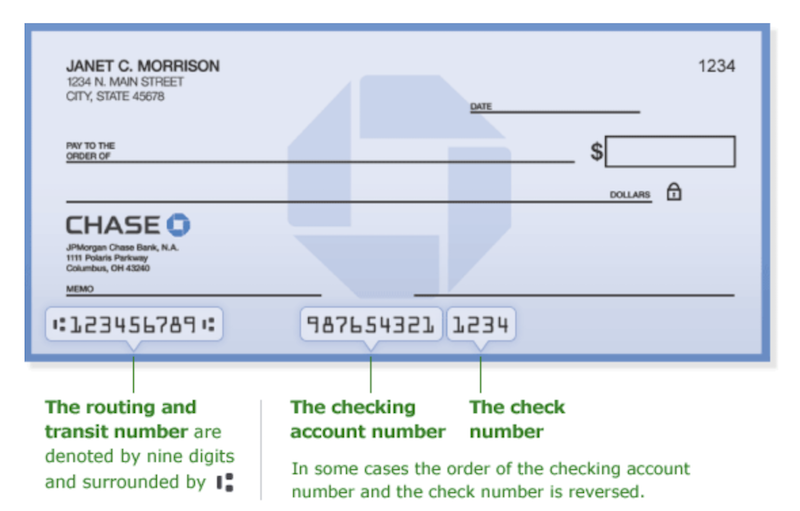
- Check Processing: The routing number is prominently printed on the bottom left of checks, allowing for their proper processing and clearing.
For Chase Bank, multiple routing numbers exist, primarily dictated by the state where the account was opened. This geographic specificity ensures that transactions are routed to the correct processing center within Chase’s vast network, streamlining operations and reducing potential delays. Understanding which routing number applies to your specific Chase account is a foundational element of personal and business financial management.
SWIFT/BIC Codes for Global Financial Connectivity
When money crosses international borders, a different set of identification codes comes into play: the Society for Worldwide Interbank Financial Telecommunication (SWIFT) code, also known as a Bank Identifier Code (BIC). Unlike routing numbers, which are specific to the U.S. banking system, SWIFT/BIC codes are globally recognized and standardized by the International Organization for Standardization (ISO 9362).
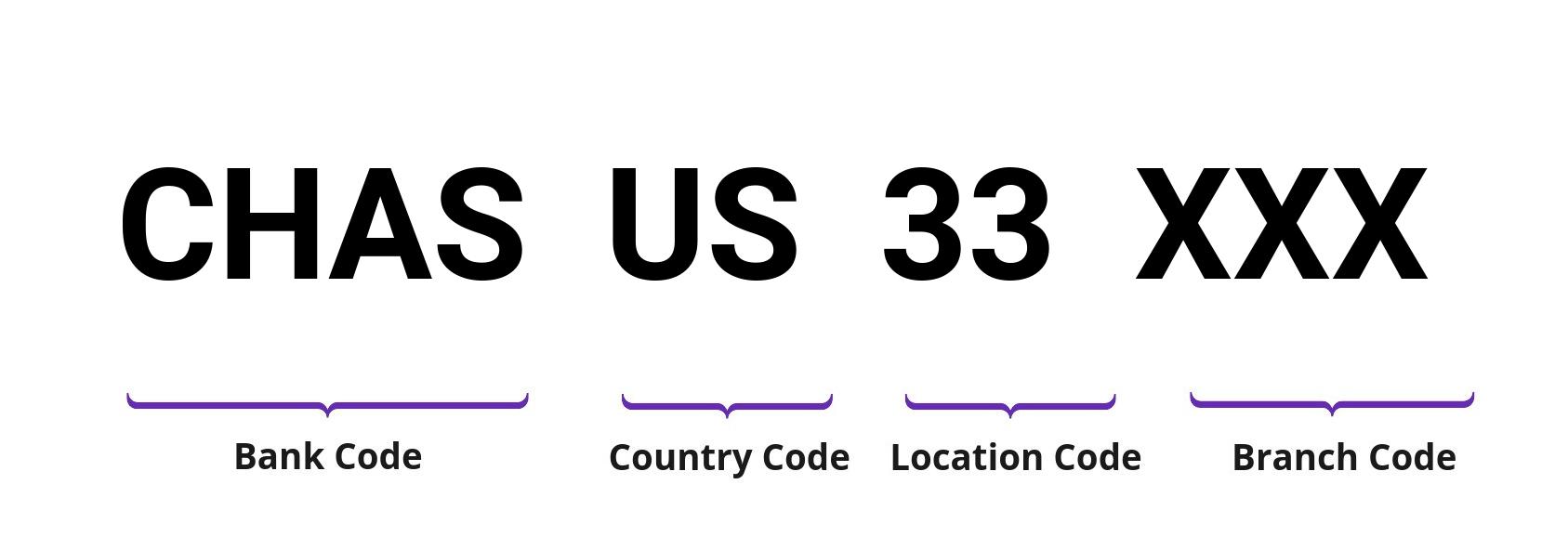
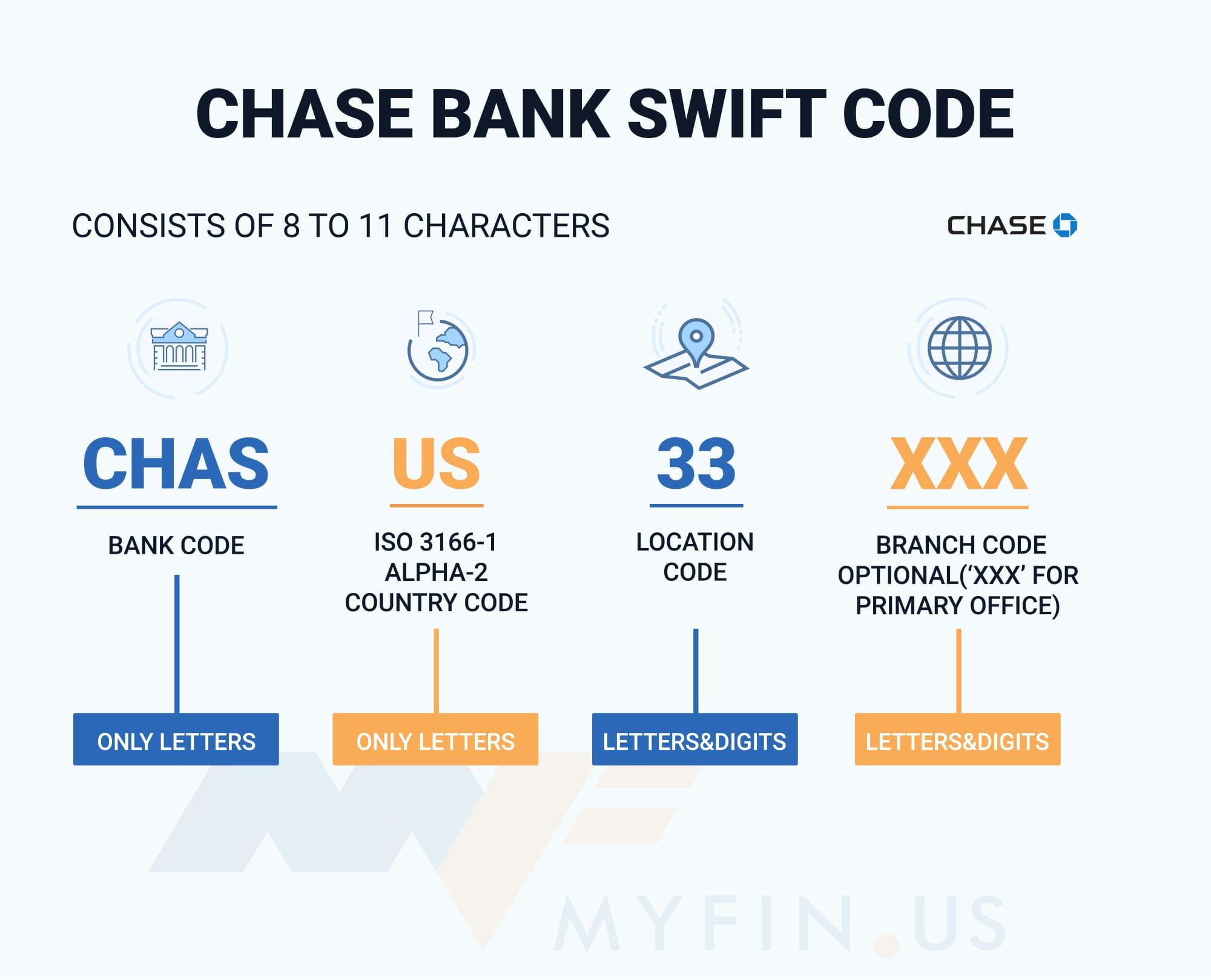
A SWIFT/BIC code typically consists of 8 or 11 characters (letters and numbers) and serves several critical functions:
- Bank Identification: The first four characters identify the bank itself (e.g., “CHAS” for Chase Bank).
- Country Code: The next two characters denote the country where the bank is located (e.g., “US” for United States).
- Location Code: The following two characters specify the bank’s head office location or branch.
- Branch Code (Optional): An optional three-character code may be appended to identify a specific branch, though often the main branch code covers all transactions.
For international wire transfers, sending or receiving funds from abroad, the SWIFT/BIC code is indispensable. It acts as a universal identifier, allowing banks worldwide to securely and accurately route funds to the correct financial institution in a foreign country. Without this code, international money movement would be significantly more complex, error-prone, and time-consuming, hindering global commerce and personal remittances.
Other Identification Systems: IBAN and ACH
While routing numbers and SWIFT/BIC codes are the primary identification codes for Chase Bank customers, other systems exist globally or for specific types of transactions:
- International Bank Account Number (IBAN): Predominantly used in Europe, the Middle East, and parts of the Caribbean, an IBAN is an alphanumeric code that uniquely identifies a specific bank account within an international transaction. It includes the country code, bank identifier, and account number. While U.S. banks like Chase do not issue IBANs for their accounts, they can facilitate transfers to accounts that require an IBAN by using their SWIFT/BIC code in conjunction with the beneficiary’s IBAN.
- ACH Network: The Automated Clearing House (ACH) is a U.S.-based electronic network for financial transactions. While not an “identification code” itself, it relies heavily on routing numbers and account numbers to process high volumes of electronic credits and debits, such as direct deposits, bill payments, and person-to-person payments. Chase actively participates in the ACH network, leveraging routing numbers to ensure seamless electronic transfers for its customers.
Chase Bank’s Primary Identification Codes and Their Applications
For Chase customers, knowing where to find and how to use their bank’s specific identification codes is a fundamental aspect of managing their finances. Different codes apply to different types of transactions, and using the correct one is paramount to avoiding delays or misdirected funds.
Finding Your Chase Routing Number
Chase Bank, like most large U.S. banks, operates with multiple routing numbers. The specific routing number for your account generally depends on the state in which your account was opened, and sometimes on the type of transaction (e.g., wire vs. ACH). Here are common ways to locate your Chase routing number:
- On Your Checks: The routing number is the nine-digit number printed on the bottom left of your Chase checks.
- Through Chase Online Banking: Log in to your Chase online account. Your routing number is typically displayed on your account summary page, often near your account number.
- On Your Account Statements: Your routing number is usually listed on your monthly or quarterly bank statements.
- Chase Mobile App: Access your account details through the Chase mobile app, where the routing number is often readily available.
- Contacting Chase Customer Service: If you’re unsure, a quick call to Chase’s customer service can provide you with the correct routing number for your specific account and transaction type.
It’s crucial to confirm the exact routing number for the intended transaction, especially if you have multiple Chase accounts opened in different states or have specific account types.
Locating Chase’s SWIFT/BIC Code
For international transfers involving Chase Bank, the SWIFT/BIC code is required. Chase uses a primary SWIFT/BIC code for most international transactions, which routes funds to their central international processing department. For JP Morgan Chase Bank N.A., the common SWIFT/BIC code is CHASUS33.
You can typically verify this code through:
- Chase’s Official Website: The international wire transfer section of the Chase website will explicitly list their SWIFT/BIC code.
- Online Banking or Mobile App: Similar to routing numbers, the SWIFT/BIC code might be available within the international transfer section of your online banking portal or mobile app.
- Customer Service: Chase customer service can confirm the correct SWIFT/BIC code for international transactions.
Always double-check the SWIFT/BIC code, as a single incorrect character can lead to significant delays, fees, or even the loss of funds in the complex international banking network.
Specific Use Cases for Each Code
The application of these codes directly impacts various financial activities:
- Direct Deposit & ACH Payments (Routing Number): When setting up direct deposit for your paycheck, receiving tax refunds, or paying bills electronically, you will provide your Chase account number and the relevant Chase routing number. This ensures funds are automatically and securely deposited or withdrawn from your account.
- Domestic Wire Transfers (Routing Number): For fast, one-time transfers of large sums within the U.S., both the sender and receiver will need the correct routing number and account number to facilitate the domestic wire transfer.
- International Wire Transfers (SWIFT/BIC Code): To send money from your Chase account to an overseas bank account, or to receive funds from an international sender into your Chase account, the SWIFT/BIC code (CHASUS33) is indispensable. Along with the beneficiary’s name, address, account number, and their bank’s SWIFT/BIC (or IBAN if applicable), it forms the complete set of instructions for a cross-border transaction.
The Importance of Accuracy and Security in Using Bank Codes
The financial implications of using incorrect or compromised bank identification codes can range from minor inconveniences to significant financial losses. Therefore, a meticulous approach to accuracy and security is not merely advisable but essential for responsible financial management.
Preventing Financial Errors and Delays
Entering an incorrect routing number or SWIFT/BIC code can lead to several problems:
- Delayed Transactions: Funds may be held up for days or weeks as banks attempt to identify the correct recipient or return the funds to the sender. This can disrupt cash flow for businesses and cause hardship for individuals awaiting critical payments.
- Returned Funds: If a bank cannot identify the correct destination, the funds will eventually be returned to the sender. This often incurs fees for both the sender and potentially the intended recipient, and necessitates re-initiating the entire transaction.
- Misdirected Funds: In rare but serious cases, an incorrect code might perfectly match another valid account or bank, leading to funds being credited to the wrong party. Recovering these funds can be a lengthy and complex legal process, often with no guarantee of success.
For businesses, errors in these codes can halt supply chains, delay payroll, or damage client relationships. For individuals, it can mean missed bill payments, delayed rent, or issues with critical income streams.
Protecting Against Fraud and Misdirection
While the codes themselves are not inherently secret, their accurate and secure use is vital in preventing financial fraud:
- Verification is Key: Always verify bank identification codes directly from trusted sources—the bank’s official website, official bank documents, or by contacting the bank directly. Never rely solely on codes provided by an unknown third party via email or unverified communication channels.
- Phishing Scams: Be wary of phishing attempts that try to trick you into revealing your account number or redirecting payments to fraudulent accounts by providing false routing or SWIFT codes.
- Security Protocols: Chase and other financial institutions employ robust security protocols for processing transactions. However, the initial accuracy of the codes provided by the user is the first line of defense against misdirection.
Best Practices for Verifying Codes
To minimize risk and ensure smooth transactions:
- Cross-Reference: Always cross-reference codes from at least two reliable sources.
- Sender/Receiver Confirmation: When sending or receiving funds, confirm the exact codes with the other party involved in the transaction. Ask them to confirm their bank’s details directly from their bank.
- Utilize Official Resources: Use Chase’s official website or secure online banking platform as the primary source for their identification codes.
- Maintain Records: Keep a secure record of the correct routing and SWIFT/BIC codes for frequently used accounts or payees.
How Bank Identification Codes Facilitate Modern Financial Systems
The existence and systematic application of bank identification codes are cornerstones of modern financial infrastructure. They are the silent workhorses that enable the seamless flow of capital, supporting everything from local commerce to global trade.
Streamlining Domestic Payments
Within national borders, routing numbers significantly enhance the efficiency of financial operations. They allow banks to:
- Automate Processing: High volumes of electronic transactions (ACH, checks) can be processed rapidly and accurately by automated systems that read and interpret routing numbers. This drastically reduces the manual effort and time required for clearing payments.
- Reduce Settlement Times: By accurately identifying the originating and receiving banks, funds can be settled more quickly between institutions, contributing to the overall liquidity and stability of the financial system.
- Support Digital Banking: Routing numbers are fundamental to the functionality of online banking and mobile payment apps, allowing users to initiate transfers, pay bills, and manage direct deposits with ease and confidence.
Enabling Global Commerce and Remittances
SWIFT/BIC codes are indispensable for international finance, acting as critical conduits for:
- International Trade: Businesses engaged in import and export rely on SWIFT transfers to pay suppliers and receive payments from customers across different countries, facilitating global supply chains and economic growth.
- Remittances: Individuals sending money to family members or friends in other countries utilize SWIFT/BIC codes, making it possible for millions of people to support loved ones internationally. This is a vital service for migrant workers and global families.
- Investment Flows: International investors use these codes to move capital across borders, investing in foreign markets, and managing global portfolios, which is crucial for capital allocation and economic development worldwide.
Integration with Digital Payment Platforms
As digital payment platforms and fintech innovations continue to evolve, bank identification codes remain foundational. While these platforms often abstract away the complexity for the end-user, underneath the hood, routing and SWIFT/BIC codes are actively used to move money between banks and payment processors. Whether it’s linking a digital wallet to your bank account or funding an investment platform, these codes ensure that the digital transaction eventually translates into a real-world movement of funds between identifiable financial institutions.
In conclusion, “what is Chase Bank identification code” leads to an exploration of a critical suite of financial tools: routing numbers for domestic clarity and SWIFT/BIC codes for international reach. Mastering their use and understanding their importance is not just about moving money; it’s about navigating the sophisticated financial landscape with confidence, ensuring security, and harnessing the efficiency of modern banking for both personal and business prosperity.
aViewFromTheCave is a participant in the Amazon Services LLC Associates Program, an affiliate advertising program designed to provide a means for sites to earn advertising fees by advertising and linking to Amazon.com. Amazon, the Amazon logo, AmazonSupply, and the AmazonSupply logo are trademarks of Amazon.com, Inc. or its affiliates. As an Amazon Associate we earn affiliate commissions from qualifying purchases.