
Canva.com stands as a revolutionary online graphic design platform, fundamentally transforming how individuals and businesses approach visual content creation. Launched in 2013, it was conceived with a clear mission: to democratize design, making sophisticated graphic tools accessible to everyone, regardless of their prior design experience or technical proficiency. At its core, Canva is a cloud-based software application that empowers users to create a vast array of visual assets—from social media graphics and presentations to marketing materials, videos, and even full websites—through an intuitive, drag-and-drop interface.
The Democratization of Design: Canva’s Core Mission
Before Canva, professional-grade design software was often prohibitively expensive, steep in its learning curve, and primarily confined to desktop installations. This created a significant barrier for small businesses, non-profits, educators, and individuals who lacked the budget for professional designers or the time to master complex applications like Adobe Photoshop or Illustrator. Canva emerged to bridge this gap, offering a robust yet user-friendly alternative.

Bridging the Skill Gap
Canva’s most profound impact lies in its ability to empower “non-designers.” By abstracting away the complexities of traditional design software, it allows users to focus on their message and creativity rather than grappling with technical tools. Its guided design process, powered by an extensive library of templates, fonts, and stock media, provides a professional starting point that even novices can easily customize. This significantly reduces the skill gap, enabling anyone to produce visually appealing and effective graphics in minutes rather than hours or days.
Cloud-Based Accessibility
As a purely online platform, Canva eliminates the need for software installation, powerful local hardware, or constant updates. Users can access their designs and the full suite of tools from any web browser, on any device, anywhere in the world, provided they have an internet connection. This cloud-based approach ensures that collaboration is seamless, designs are always synchronized, and the latest features are instantly available to all users. Mobile apps for iOS and Android further extend this accessibility, allowing design on the go.
A Feature-Rich Ecosystem for Visual Creation
Canva’s power resides in its comprehensive suite of tools and resources, meticulously integrated to support a broad spectrum of creative needs. It’s not just a static image editor; it’s a dynamic platform designed for diverse visual communication.
Intuitive Drag-and-Drop Interface
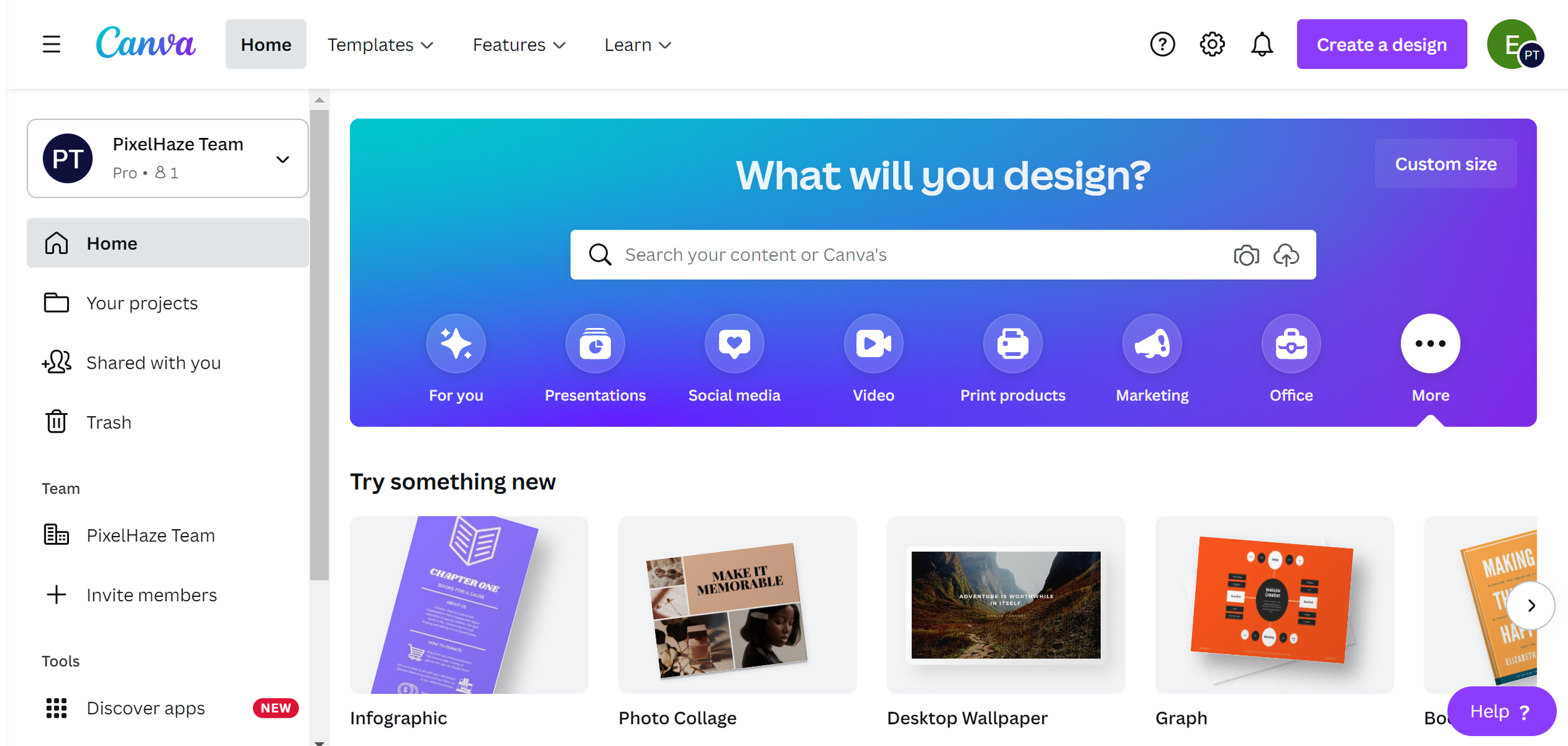
The cornerstone of Canva’s user experience is its highly intuitive drag-and-drop interface. Users can simply select elements—be it text, images, shapes, or icons—and drag them onto their canvas. Resizing, rotating, layering, and aligning elements are performed with simple mouse gestures, making the design process feel natural and approachable. This direct manipulation interface is a key factor in its widespread adoption.
Extensive Template Library
Central to Canva’s utility is its colossal library of professionally designed templates. These templates span virtually every imaginable design category: social media posts (Instagram stories, Facebook banners), marketing materials (flyers, brochures, business cards), presentations, documents, invitations, and much more. Each template is fully customizable, allowing users to alter colors, fonts, images, and layouts to match their specific brand or message, providing both inspiration and a significant head start.
Diverse Asset Collection: Photos, Videos, Graphics, and Audio
To complement its templates, Canva provides an integrated stock content library. This includes millions of high-quality stock photos, vectors, illustrations, icons, videos, and even audio tracks. Many assets are available for free, while an even larger premium selection is accessible through Canva Pro subscriptions. This eliminates the need for users to source content from external sites, streamlining the design workflow and ensuring consistency.
Collaborative Design Capabilities
Recognizing the modern need for teamwork, Canva incorporates robust real-time collaboration features. Users can invite others to view, edit, or comment on designs, making it an invaluable tool for teams, agencies, and educational institutions. Changes made by one user are instantly visible to others, fostering efficient co-creation and feedback loops without the complexities of file sharing or version control issues common with desktop software.
AI-Powered Enhancements
Keeping pace with technological advancements, Canva has begun integrating artificial intelligence to enhance the design process. Features like “Magic Write” leverage AI to generate text content directly within designs, assisting with copywriting for social media posts, headlines, or body text. “Text to Image” capabilities allow users to generate unique images from textual descriptions, opening up new avenues for custom visual content creation without needing external image generators or extensive searching. These AI tools aim to further accelerate the creative workflow and expand what users can achieve within the platform.
Beyond Static Graphics: A Comprehensive Creative Suite
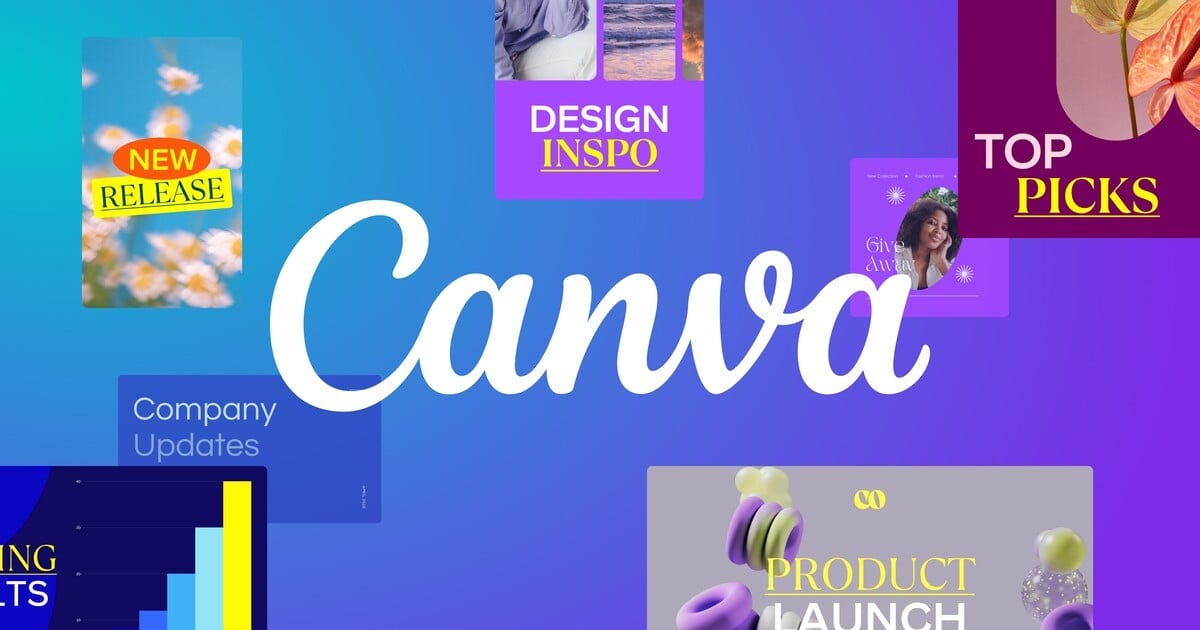
Canva’s evolution has seen it expand far beyond its initial focus on static graphic design, transforming into a comprehensive creative suite capable of handling a diverse range of media types.
Video Editing and Animation
Understanding the growing importance of video content, Canva has developed a surprisingly capable video editor. Users can upload their own footage, select from Canva’s stock video library, trim clips, add transitions, effects, music, and text overlays, and even create animated graphics. This brings easy-to-use video production capabilities to the masses, ideal for social media ads, short explainers, or engaging presentations.
Website and Presentation Design
Canva now offers tools to design simple, professional-looking websites. Users can select from website templates, customize content, and publish a basic, responsive site directly through Canva, often with custom domain integration. Similarly, its presentation tools have evolved to rival dedicated presentation software, offering dynamic slides, interactive elements, and robust animation options, making it a go-to for educators and business professionals alike.
Print-on-Demand Services
Extending its reach into physical products, Canva also integrates print-on-demand services. Users can design items like business cards, flyers, apparel, mugs, and posters directly within the platform and then order high-quality physical prints to be delivered to their doorstep. This closes the loop for many small businesses and individuals, providing an end-to-end solution from digital design to physical product.
Canva’s Technological Underpinnings and User Experience
The success of Canva is not solely due to its features but also its robust technological foundation and relentless focus on user experience.
Performance and Scalability
Operating entirely in the cloud, Canva leverages powerful infrastructure to ensure high performance and scalability. This means designs load quickly, edits are responsive, and the platform can handle millions of concurrent users without significant slowdowns. Its architecture is built to support a massive asset library and complex design operations, making it reliable for both casual and power users.
Cross-Platform Availability
Canva’s commitment to accessibility is evident in its multi-platform strategy. Beyond the web interface, dedicated apps for desktop (Windows, macOS) and mobile (iOS, Android) ensure a consistent experience across devices. These apps are optimized for their respective platforms, offering native integrations and performance benefits while maintaining the core functionality and user interface design.
Focus on User-Centric Design
Every aspect of Canva, from its interface layout to its feature set, reflects a strong emphasis on user-centric design. Feedback loops, A/B testing, and continuous iteration are integral to its development process, ensuring that new features are intuitive and genuinely solve user problems. This design philosophy is what makes Canva so approachable and effective for such a broad audience.
The Impact on the Digital Landscape
Canva has not merely created a product; it has sparked a significant shift in how visual communication is perceived and produced across various sectors.
Empowering Non-Designers
By providing powerful tools without the complexity, Canva has dramatically empowered individuals and small businesses to take control of their visual branding and marketing. This has democratized access to high-quality design, allowing even those with limited resources to compete effectively in a visually-driven digital world.
Shifting Professional Workflows
While not a replacement for high-end professional design software in complex, highly specialized projects, Canva has found its place in professional workflows. Designers often use it for quick mock-ups, social media content, or collaborations with clients who are less technically adept. It has allowed professional design agencies to streamline certain processes, especially for repetitive or template-based tasks.
The Future of Visual Communication
Canva’s continued innovation, particularly with AI integration and expansion into new media types like video and web design, positions it as a key player in the future of visual communication. It is constantly pushing the boundaries of what is possible for everyday users, hinting at a future where powerful creative tools are universally accessible and integrated seamlessly into daily digital life.
In essence, Canva.com is more than just a website; it is a comprehensive, accessible, and continually evolving technology platform that has redefined the landscape of digital design, making visual creativity a tool for everyone.
aViewFromTheCave is a participant in the Amazon Services LLC Associates Program, an affiliate advertising program designed to provide a means for sites to earn advertising fees by advertising and linking to Amazon.com. Amazon, the Amazon logo, AmazonSupply, and the AmazonSupply logo are trademarks of Amazon.com, Inc. or its affiliates. As an Amazon Associate we earn affiliate commissions from qualifying purchases.