
Navigating Arizona’s Flat Tax System
Arizona has recently transitioned to a single, flat income tax rate, a significant shift from its previous progressive system. This change, fully implemented for the 2023 tax year, makes Arizona one of a growing number of states adopting a simplified approach to income taxation. Understanding this flat rate is crucial for residents, prospective movers, and businesses operating within the state.
The primary driver behind this move was to enhance Arizona’s competitiveness, attract businesses, and simplify the tax filing process for its citizens. Proponents argued that a flat tax encourages economic growth by reducing the marginal tax burden on higher earners, theoretically stimulating investment and job creation. Critics, however, often raise concerns about the regressive nature of flat taxes, suggesting they disproportionately benefit wealthier individuals while placing a relatively higher burden on lower and middle-income households when viewed as a percentage of their income.
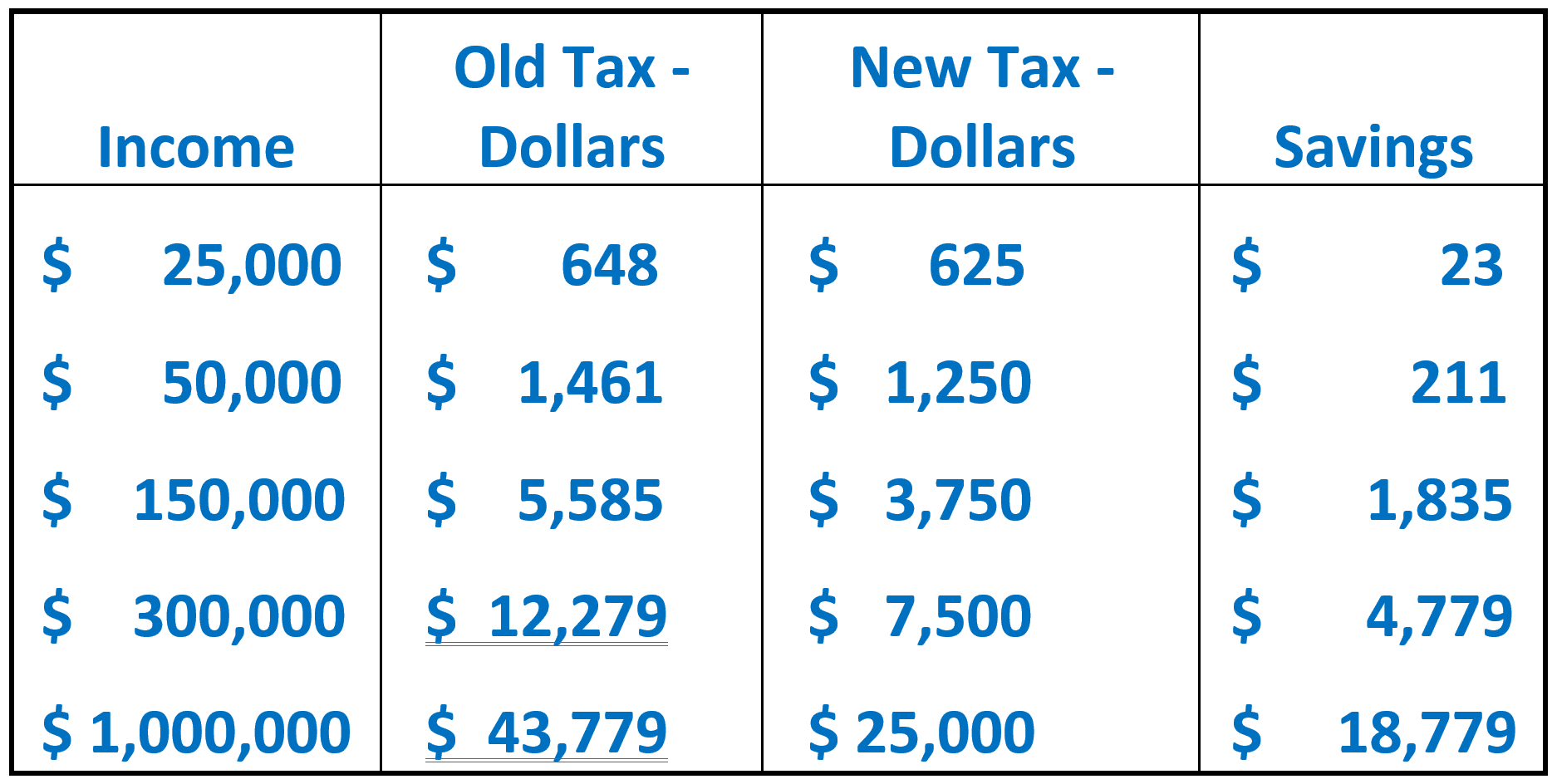
From Progressive to Flat
Prior to 2023, Arizona’s income tax system featured multiple brackets, with rates increasing as taxable income rose. For instance, in 2021, rates ranged from 2.59% to 4.50%. This structure was common among many states and federal income taxation. The shift to a flat rate marks a philosophical departure, emphasizing economic incentives and administrative simplicity over income-based proportionality.
Who Pays Arizona Income Tax?
Generally, Arizona residents, regardless of where their income is earned, and non-residents who earn income from Arizona sources (e.g., employment, business activities, rental properties located in Arizona) are subject to Arizona’s state income tax. This includes wages, salaries, business profits, capital gains, interest, and dividends, subject to specific deductions and exemptions.
The Simplified Approach
A flat tax system, by its very nature, aims to simplify. Instead of needing to determine which bracket one falls into, taxpayers only need to apply a single rate to their taxable income. However, it’s important to remember that ‘taxable income’ itself is still derived after various deductions, exemptions, and credits are applied, which can still add complexity to individual tax situations.
The Current Flat Rate and Its Evolution
The journey to Arizona’s current flat income tax rate was a multi-year legislative process, culminating in a single, significantly lower rate than its previous top bracket. This evolution was partly a response to a voter-approved ballot measure in 2020 (Proposition 208), which aimed to increase income taxes on high earners to fund education. The state legislature subsequently enacted a plan to circumvent the higher rates imposed by Prop 208, ultimately leading to the flat tax implementation.
The 2.5% Flat Rate
For the tax year 2023 and beyond, Arizona’s individual income tax rate is a flat 2.5%. This means that every dollar of taxable income, after all allowable deductions and exemptions, is taxed at this single percentage. This rate represents a considerable reduction from the maximum 4.5% (or higher, had Proposition 208 fully taken effect without legislative intervention) that many higher earners might have faced under the previous progressive system.
Implementation Timeline
The legislation establishing the flat tax included a phased approach. For example, for the 2022 tax year, Arizona implemented two income tax rates: 2.55% and 2.98%. This was an interim step before the full consolidation into the 2.5% flat rate for 2023. Understanding this transition is crucial for anyone reviewing past tax liabilities or planning for future ones.
Impact on Tax Burden
While a flat rate simplifies calculation, its overall impact on an individual’s tax burden depends heavily on their income level and the deductions they claim. For those who were previously in lower tax brackets, the change might be marginal or even a slight increase in some very specific scenarios, depending on the exact interplay of the old brackets, deductions, and credits. For higher-income earners, however, the 2.5% flat rate is generally perceived as a substantial tax cut compared to the prior progressive structure.
Arizona’s Tax Climate: A Comparative Perspective
Arizona’s move to a flat 2.5% income tax rate places it among states with some of the lowest individual income tax burdens in the nation. This competitive positioning is a key element of the state’s economic development strategy, aiming to attract both talent and capital.
Comparison to Neighboring States
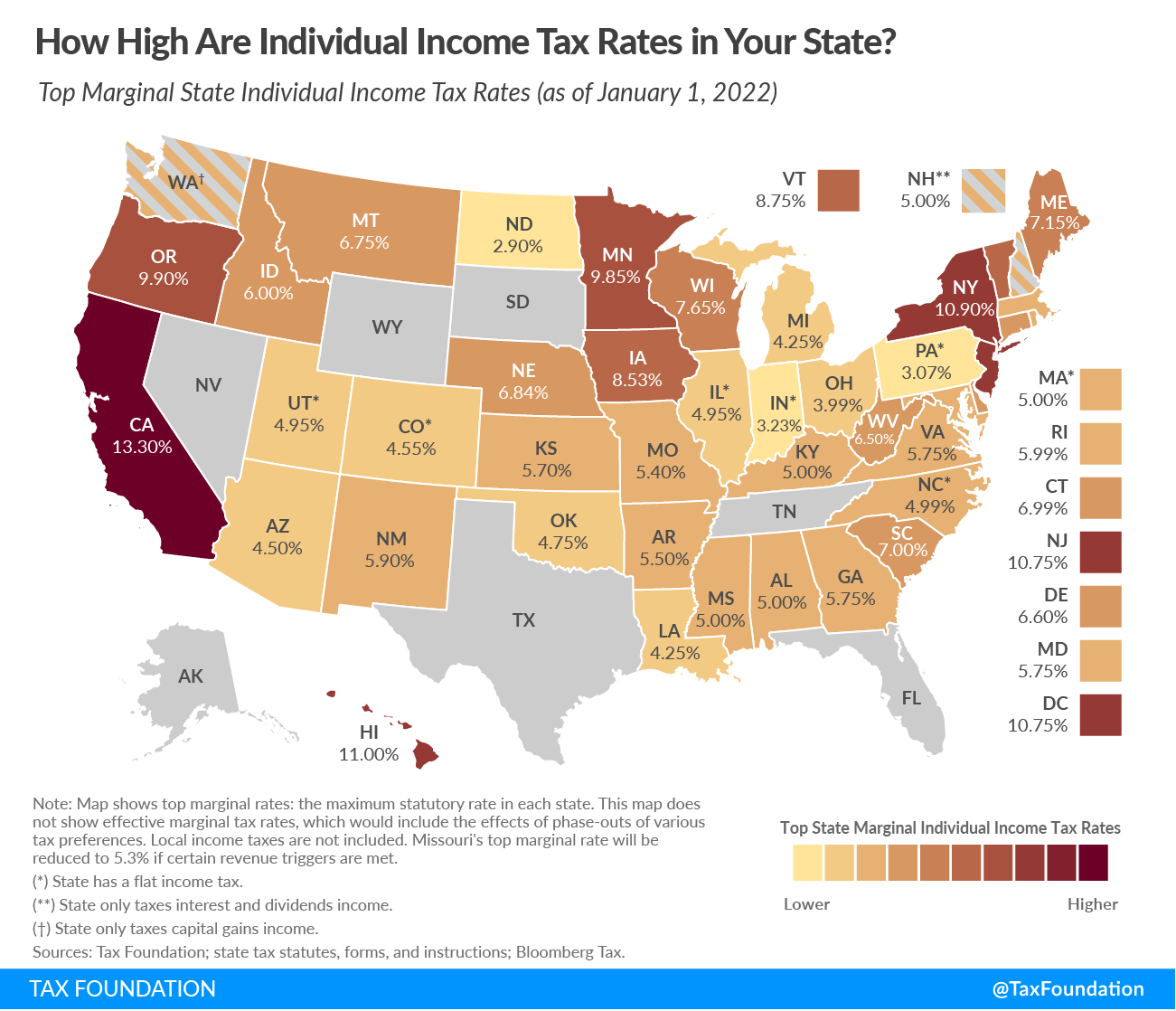
When looking at states in the Southwest, Arizona’s income tax rate stands out. California, for instance, has a highly progressive income tax system with some of the nation’s highest marginal rates, reaching over 13%. Nevada and Texas, on the other hand, have no state income tax at all, relying heavily on other revenue sources like sales taxes. Utah and Colorado also employ flat tax rates, but typically higher than Arizona’s, often in the 4.5% to 4.9% range. This comparison highlights Arizona’s deliberate strategy to carve out a niche as a low-income-tax state.
Income Tax vs. Other Taxes
It’s critical to remember that state income tax is just one component of an individual’s or business’s overall tax liability. Arizona, like many states, also collects sales tax (state and local), property taxes (local), and various excise taxes. A lower income tax rate in Arizona might be balanced by other tax burdens. For instance, Arizona’s statewide sales tax rate is 5.6%, but local jurisdictions add their own, often bringing combined rates well over 8%. Property tax rates, while generally lower than the national average, can still be a significant factor depending on property values and specific local levies.
Impact on Economic Migration
States with lower income taxes often market themselves as attractive destinations for retirees, entrepreneurs, and remote workers. Arizona’s 2.5% flat rate is designed to reinforce this image, potentially drawing residents from higher-tax states. For businesses, a favorable individual income tax rate can make it easier to recruit and retain employees, as it increases their net take-home pay, all else being equal.
Implications for Personal Finance and Business Planning
The low, flat income tax rate in Arizona has significant implications for both individual financial planning and business operational strategies. Understanding these implications is key to maximizing financial outcomes in the Grand Canyon State.
For Individuals and Households
- Budgeting and Savings: A lower income tax rate generally translates to more disposable income for residents. This can free up funds for savings, investments, debt repayment, or discretionary spending. Financial planning for Arizona residents can now account for a more predictable and generally lower state income tax bite.
- Retirement Planning: Arizona has historically been a popular retirement destination, partly due to its favorable tax treatment of retirement income (e.g., no state tax on Social Security benefits, limited taxation of certain pension incomes). The low flat income tax further enhances its appeal for retirees who may have other taxable income sources.
- Tax Planning Strategies: While the flat rate simplifies calculation, effective tax planning still involves leveraging available deductions, credits, and exemptions. Consulting with a financial advisor specializing in Arizona tax law can help residents optimize their tax position and ensure they are taking advantage of all eligible reductions to their taxable income.
For Businesses and Entrepreneurs
- Attracting and Retaining Talent: For businesses, a lower individual income tax rate can be a powerful recruitment tool. Employees, particularly those considering relocation, will often factor in the overall tax burden of a state when evaluating job offers. A favorable tax environment can make Arizona-based companies more competitive in the labor market.
- Business Location Decisions: States with lower individual income taxes often go hand-in-hand with business-friendly tax policies. While corporate income tax is a separate consideration (Arizona has a corporate income tax rate of 4.9% for 2023), the overall tax climate, including individual rates, contributes to a state’s attractiveness for new business formation and relocation. Pass-through entities, where business income is taxed at the individual owner’s rate, directly benefit from a lower individual income tax.
- Entrepreneurial Growth: A less burdensome tax environment can encourage entrepreneurship by allowing founders to retain more of their business profits. This can stimulate investment in new ventures and foster a dynamic startup ecosystem. Financial models for startups in Arizona can now factor in a more favorable state income tax landscape for their owners.
Future Outlook and Economic Considerations
While Arizona’s 2.5% flat income tax rate is currently set in stone for 2023 and beyond, tax policies are never truly static. Future economic conditions, legislative priorities, and potential voter initiatives could always bring about further discussions or changes.
Economic Stability and Revenue
The success and sustainability of a flat tax system often depend on robust economic growth to generate sufficient state revenue. If economic downturns occur, or if revenue projections fall short, there might be pressure to reconsider tax rates or explore alternative revenue sources. The state continually monitors its budget and economic performance to ensure fiscal health.
Legislative Priorities
Future legislative sessions might see proposals to adjust the rate, introduce new credits or deductions, or address specific industries or demographics. While a dramatic shift away from the flat tax might be unlikely in the short term, minor adjustments or refinements are always possibilities in the legislative cycle.
Voter Initiatives
Arizona has a history of direct democracy through ballot initiatives. While the flat tax was implemented in part to counteract a previous voter initiative (Prop 208), future initiatives related to tax policy cannot be ruled out. These could originate from various interest groups aiming to address specific funding needs or to alter the tax burden.

Impact on Public Services
A lower tax rate inherently means less revenue per dollar of income for the state government. The long-term impact on funding for public services such as education, infrastructure, and healthcare is a continuous point of debate among policymakers and citizens. The state relies on a mix of revenue sources, and the balance between these sources and public spending priorities is a complex and evolving dynamic.
In conclusion, Arizona’s current income tax rate is a flat 2.5%, representing a significant policy shift aimed at enhancing economic competitiveness and simplifying the tax code. This low, predictable rate offers distinct advantages for individuals and businesses, impacting everything from personal budgeting to large-scale investment decisions. However, staying informed about the broader tax landscape and potential future changes remains crucial for comprehensive financial planning within the state.
aViewFromTheCave is a participant in the Amazon Services LLC Associates Program, an affiliate advertising program designed to provide a means for sites to earn advertising fees by advertising and linking to Amazon.com. Amazon, the Amazon logo, AmazonSupply, and the AmazonSupply logo are trademarks of Amazon.com, Inc. or its affiliates. As an Amazon Associate we earn affiliate commissions from qualifying purchases.