
The Financial Anatomy of Oil Paint: Understanding Material Value
An oil paint, at its core, is a medium composed of pigment suspended in a drying oil, typically linseed, poppy, walnut, or safflower oil. This seemingly simple definition belies a complex financial ecosystem, where the intrinsic value of raw materials directly impacts production costs, market pricing, and ultimately, the financial decisions of artists and collectors alike. Understanding “what is an oil paint” from a financial perspective begins with a deep dive into its foundational components and their economic implications.
Core Composition: Pigments, Binders, and Their Economic Impact
The pigments in oil paints, responsible for their color, range from naturally occurring minerals and earth oxides to synthetic organic and inorganic compounds. The rarity, purity, and processing complexity of these pigments significantly dictate their cost. For instance, ultramarine blue, historically derived from lapis lazuli, was once more expensive than gold, impacting its usage and the financial accessibility of certain palettes. Even with modern synthetic equivalents, the cost differential persists; cadmium pigments (reds, yellows, oranges) or cobalt pigments (blues, greens) remain premium due to their unique properties and extraction/synthesis challenges, commanding higher prices than earth tones like ochres or siennas.
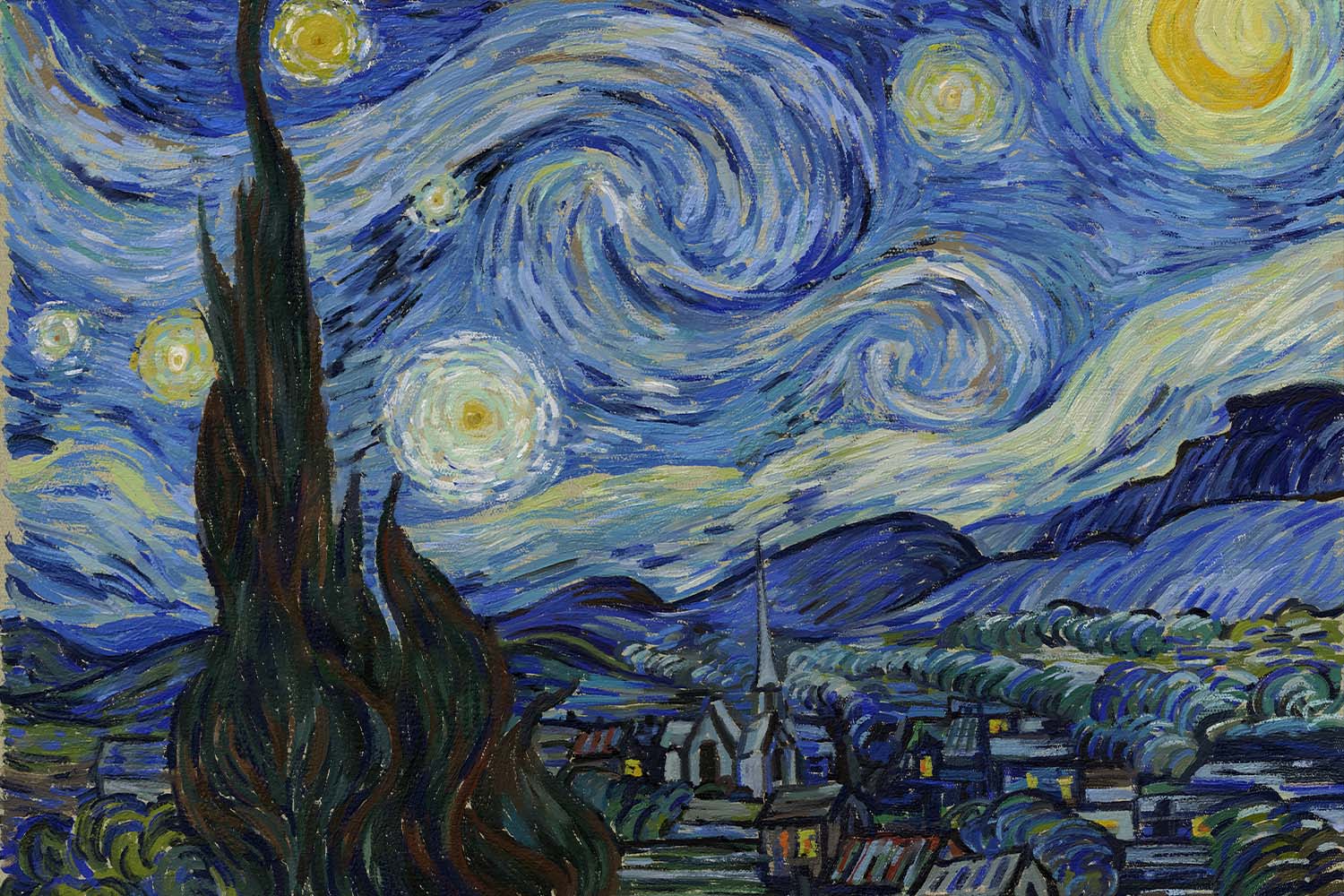
The choice of drying oil, or binder, also carries financial weight. Linseed oil, a common and relatively inexpensive binder, offers excellent drying properties and durability. However, more specialized oils like poppy or safflower are often preferred for their non-yellowing characteristics in lighter colors, despite being more costly. The refining processes for these oils further add to production expenses. Manufacturers invest heavily in research and development to optimize pigment-to-binder ratios, grinding techniques, and additive formulations, all of which aim to enhance paint quality, longevity, and consistency, thereby justifying higher price points in the competitive art materials market. This investment in material science translates directly into the retail price, positioning certain brands as luxury goods within the artists’ supply sector.
Grading and Cost: A Spectrum of Investment for Artists
The oil paint market is segmented primarily into two categories: artist-grade and student-grade. This distinction is fundamentally financial, reflecting a tiered investment strategy for artists at different stages of their careers or with varying project requirements.
Student-grade oil paints are designed for affordability and accessibility. They typically feature lower concentrations of pure pigment, often using less expensive substitutes or synthetic hues, and sometimes employ fillers to increase volume. While adequate for learning and practice, their lightfastness, color saturation, and handling characteristics may be compromised. For an emerging artist, investing in student-grade paints allows for extensive experimentation without prohibitive material costs, making artistic exploration a more financially sustainable endeavor. This initial lower investment is crucial for skill development and portfolio building, which are indirect financial investments in an artist’s future earning potential.
Artist-grade oil paints, conversely, represent a premium investment. They boast high concentrations of pure, often single-pigment formulations, superior lightfastness, and minimal fillers. The pigments are typically triple-milled, resulting in a smoother consistency, richer color intensity, and better archival qualities. For professional artists, this investment in high-quality materials is non-negotiable. The archival nature of artist-grade paints ensures the longevity and stability of their finished works, directly impacting their value in the art market. Collectors and galleries often prioritize artworks created with artist-grade materials due to their proven durability and historical precedent. Therefore, the choice between student and artist-grade is a deliberate financial calculation, balancing upfront cost with the desired quality, longevity, and marketability of the final artistic product.
Oil Paintings as Tangible Assets: Investment and Valuation
Beyond their utility as a creative medium, finished oil paintings transition into the realm of tangible assets, representing significant financial investments for collectors, institutions, and even artists themselves. Understanding “what is an oil paint” in this context involves recognizing its role in the global art market, where aesthetic appeal converges with economic principles of supply, demand, and valuation.
The Art Market Ecosystem: Beyond Aesthetic Appreciation
The art market is a complex ecosystem driven by a confluence of factors, where oil paintings frequently serve as marquee assets. Major auction houses like Sotheby’s and Christie’s, private galleries, art fairs, and online platforms facilitate transactions that can range from hundreds to hundreds of millions of dollars. For investors, oil paintings offer a unique asset class that can diversify portfolios, potentially hedging against inflation, and providing an alternative to traditional financial instruments.
The market for oil paintings is global and largely unregulated compared to securities markets, necessitating due diligence and expert advice. Investment in art is not solely about capital appreciation; it also encompasses cultural enrichment and social status. However, a shrewd financial approach to collecting involves understanding market trends, artist provenance, historical significance, and the economic cycles that influence art valuations. The inherent physicality and often singular nature of an oil painting contribute to its scarcity, a key driver of value in any asset class.
Factors Influencing Investment Returns in Oil Art
Several critical factors determine the investment return potential of an oil painting:
- Artist’s Reputation and Provenance: Works by established or historically significant artists (e.g., Old Masters, Impressionists, Modernists) generally command higher prices and exhibit greater price stability. The artist’s career trajectory, exhibition history, critical acclaim, and market consistency are vital. A clear and reputable chain of ownership (provenance) significantly enhances a painting’s value, assuring buyers of its authenticity and history.
- Condition and Authenticity: The physical condition of an oil painting is paramount. Works that are well-preserved, free from significant damage, or expertly restored without compromising integrity will fetch higher prices. Authenticity, verified through expert analysis, provenance, and sometimes scientific testing, is non-negotiable. Counterfeit detection is a significant aspect of art finance and valuation.
- Rarity and Significance: Unique or rare works, especially those considered seminal to an artist’s oeuvre or a particular movement, tend to be highly prized. Paintings that mark a turning point in an artist’s career or represent a significant historical moment can attract substantial investment.
- Market Trends and Demand: The art market is influenced by trends, tastes, and economic conditions. Specific genres, periods, or artists may experience surges or dips in popularity, affecting demand and prices. Geopolitical stability and global wealth distribution also play roles in determining market liquidity and investor confidence.
- Size and Subject Matter: While not absolute, certain sizes and popular subject matters (e.g., portraits, landscapes, still lifes) can influence market desirability and value. However, exceptional quality or historical significance can easily override these general preferences.
Investing in oil paintings requires a long-term perspective, often extending beyond typical financial horizons. Returns can be substantial, but liquidity can be lower than traditional assets, and transaction costs (commissions, insurance, storage) can be significant.
Monetizing the Medium: Oil Paint as a Source of Income
For countless individuals, “what is an oil paint” translates directly into a pathway for generating income. Whether pursuing art as a primary profession or a lucrative side hustle, the versatility and enduring appeal of oil painting offer diverse financial opportunities.
Personal Finance for Artists: Commissions, Sales, and Online Income
Professional oil painters manage their personal finances through a multifaceted approach to income generation. Commissions are a significant revenue stream, where artists are paid to create custom pieces based on a client’s specific requirements, such as portraits, landscapes, or narrative scenes. This model offers predictable income, though it requires careful management of contracts, timelines, and client expectations.
Direct sales, often through personal studios, exhibitions, or art fairs, allow artists to set their prices and retain a larger percentage of the sale. However, this necessitates marketing efforts, networking, and the ability to attract buyers. The rise of digital platforms has revolutionized income opportunities for oil painters. Websites like Etsy, Saatchi Art, and Shopify-powered personal e-commerce sites enable artists to reach a global audience, sell original works, prints, and even merchandise featuring their art. Social media platforms also play a crucial role in building an audience, showcasing new work, and driving traffic to sales channels. Managing online sales involves understanding shipping logistics, payment processing, and digital marketing strategies, all of which contribute to the artist’s financial acumen.

Teaching workshops or offering private lessons in oil painting also provides a steady income stream, leveraging an artist’s expertise. This not only supplements income but also builds community and establishes the artist as an authority in their field.
Side Hustles and Entrepreneurship in Oil Painting
For many, oil painting begins as a passion that evolves into a profitable side hustle. This entrepreneurial approach allows individuals to monetize their artistic skills without the pressures of a full-time commitment. Common side hustles include:
- Custom Pet Portraits: A consistently popular niche, catering to pet owners willing to invest in personalized artwork of their beloved animals.
- Local Art Fairs and Markets: Selling smaller, more affordable pieces, prints, and greeting cards to a local audience. This often involves minimal overhead for booth rental and materials.
- Online Print-on-Demand (POD) Services: Platforms that allow artists to upload their oil painting images to be printed on various products (mugs, phone cases, apparel) without managing inventory or shipping.
- Tutorials and Educational Content: Creating paid online courses, YouTube tutorials (monetized through ads and sponsorships), or patreon-supported content sharing oil painting techniques. This leverages the artist’s knowledge as a valuable asset.
These ventures require a blend of artistic skill, marketing savvy, and basic business finance knowledge. Pricing strategies, managing expenses (materials, marketing, platform fees), and tracking income are crucial for ensuring profitability and preventing a hobby from becoming a financial drain. The scalability of these side hustles, especially online, allows artists to gradually increase their income potential as their brand and audience grow.
Business Finance in the Oil Art Industry
The answer to “what is an oil paint” extends into the realm of large-scale business operations, encompassing everything from raw material sourcing to global distribution networks, influencing financial decisions across continents. The manufacture, sale, and exhibition of oil paints and paintings form a significant sub-sector within the broader creative economy.
Manufacturing and Distribution: A Global Market
The production of oil paint involves a complex global supply chain. Manufacturers source pigments from mining operations in various countries, binders from agricultural industries, and additives from chemical producers worldwide. This international sourcing requires robust business finance strategies to manage currency exchange risks, tariffs, shipping costs, and inventory control. Companies like Winsor & Newton, Sennelier, or Golden Artist Colors represent multi-million dollar enterprises, investing heavily in R&D, quality control, and scalable production facilities.
Distribution networks are equally intricate, involving wholesale agreements with art supply retailers, direct-to-consumer e-commerce channels, and international logistics. Financial planning for these companies includes managing accounts receivable and payable, forecasting demand, optimizing logistics for efficiency, and allocating budgets for marketing and brand development. The global market for art materials is competitive, necessitating strategic financial decisions to maintain market share and profitability. For example, a company might invest in automation to reduce labor costs or in sustainable sourcing practices to appeal to environmentally conscious consumers, impacting their financial bottom line and market positioning.
Galleries, Auctions, and the Intermediary Economy
Beyond manufacturing, a vast intermediary economy facilitates the transaction of oil paintings. Art galleries operate as businesses, representing artists, curating exhibitions, and facilitating sales. Their financial model typically involves commissions on sales (often 40-60% of the artwork’s price), which covers operational costs like rent, marketing, insurance, and staff salaries. Galleries also invest in discovering new talent, art advisory services, and building relationships with collectors, all of which require careful financial management and risk assessment.
Auction houses, another critical component, specialize in selling high-value oil paintings. Their business model relies on buyer’s premiums (a percentage added to the hammer price paid by the buyer) and seller’s commissions (a percentage deducted from the hammer price received by the seller). These fees fund their extensive marketing campaigns, expert appraisal services, authentication processes, and global reach. The financial success of auction houses is intrinsically linked to the liquidity and health of the high-end art market.
Art fairs, consultants, insurers, conservators, and art shippers also form part of this intermediary economy, each operating as a distinct business entity providing specialized services, generating revenue, and contributing to the overall financial value chain of oil paint and paintings. Understanding these interconnected financial roles is key to grasping the full economic impact of the medium.
Financial Tools and Strategies for the Oil Art Sector
Navigating the financial intricacies of oil paint, whether as an artist, collector, or industry professional, requires specific tools and strategies tailored to the unique characteristics of the art market.
Insurance, Appraisal, and Authentication for Collectors
For collectors, oil paintings represent valuable assets requiring comprehensive financial protection and accurate valuation. Art insurance is a critical financial tool, safeguarding against risks such as damage, theft, or loss. Policies are often specialized, covering aspects like depreciation in value due to damage and providing agreed-value clauses. The premiums for such insurance are based on the appraised value of the artwork, condition, security measures, and transit risks.
Professional appraisal services are essential for establishing the market value of oil paintings for insurance purposes, estate planning, charitable donations, and potential sales. Appraisers use market analysis, provenance research, artist comparables, and condition reports to provide accurate valuations, which are critical financial documents. The cost of appraisals is an investment in understanding and protecting the financial worth of a collection.
Authentication is another vital process, particularly for works by famous or historically significant artists. This often involves forensic analysis, expert opinions, and meticulous provenance research to confirm a painting’s authorship. While potentially costly, authentication is a fundamental financial safeguard, protecting against fraud and ensuring the long-term investment integrity of a piece. Collectors might also employ art advisory services, which act as financial consultants, guiding investment decisions, managing portfolios, and negotiating acquisitions and sales.

Digital Platforms and Financial Management for Artists
Artists working with oil paint increasingly rely on digital tools for financial management and income generation. E-commerce platforms (e.g., Shopify, Squarespace) enable artists to create online stores, manage inventory, process payments securely, and analyze sales data. These platforms streamline the financial transaction process, reducing the administrative burden on artists.
Financial management software or simple spreadsheet programs help artists track income from sales and commissions, itemize expenses (materials, studio rent, marketing, travel), and manage taxes. Understanding cash flow, profit margins, and budgeting is crucial for sustainable artistic careers. Many artists also use digital invoicing tools to professionally bill clients for commissions and direct sales, ensuring timely payments and clear financial records.
Furthermore, crowdfunding platforms (e.g., Kickstarter, Patreon) serve as financial tools for artists to fund specific projects, secure ongoing support from patrons, or cover production costs for ambitious oil painting series. These platforms offer a direct financial connection between artists and their audience, enabling community-supported art ventures. The strategic use of these digital financial tools empowers artists to manage their businesses more effectively, optimize income, and protect their financial well-being in an evolving art economy.
aViewFromTheCave is a participant in the Amazon Services LLC Associates Program, an affiliate advertising program designed to provide a means for sites to earn advertising fees by advertising and linking to Amazon.com. Amazon, the Amazon logo, AmazonSupply, and the AmazonSupply logo are trademarks of Amazon.com, Inc. or its affiliates. As an Amazon Associate we earn affiliate commissions from qualifying purchases.