
While often viewed purely through a medical lens, an FSH (Follicle-Stimulating Hormone) blood test carries significant financial implications, particularly for individuals navigating fertility challenges, menopausal transitions, or specific endocrine disorders. Understanding not just the medical purpose but also the monetary landscape surrounding this diagnostic tool is crucial for sound financial planning and managing healthcare costs effectively. For many, an FSH test is an initial step in a potentially long and expensive journey, making early financial awareness paramount.
The Financial Landscape of an FSH Test
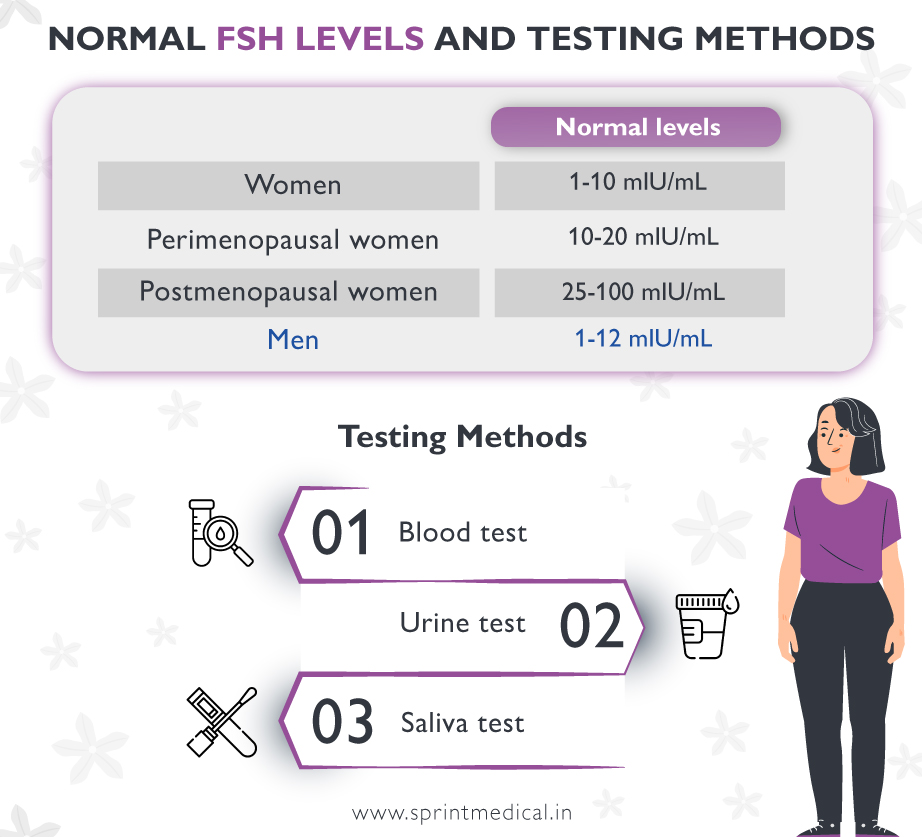
An FSH blood test measures the level of Follicle-Stimulating Hormone in the blood. FSH is a critical hormone produced by the pituitary gland, playing a vital role in reproductive health for both men and women. In women, FSH stimulates the growth of ovarian follicles before egg release, while in men, it aids in sperm production. Fluctuations or abnormal levels can indicate underlying conditions related to fertility, ovarian reserve, menopause, or pituitary disorders. From a financial perspective, the test itself is merely the tip of the iceberg, often leading to a cascade of further tests, consultations, and potential treatments, each with its own cost.
Direct Costs: Test Fees and Consultations
The direct cost of an FSH blood test can vary significantly based on location, the specific laboratory, whether it’s part of a larger panel, and the healthcare provider’s negotiated rates. Typically, a standalone FSH test might range from $50 to $300 without insurance. This fee covers the laboratory analysis itself. However, the total direct cost extends beyond just the lab fee. You also need to account for:
- Doctor’s Office Visit Fee: Before ordering the test, a consultation with a primary care physician, gynecologist, endocrinologist, or fertility specialist is usually required. These consultation fees can range from $100 to $500 or more, depending on the specialist’s expertise and location.
- Phlebotomy Fee: The cost associated with drawing the blood, which might be billed separately by the clinic or laboratory.
- Follow-Up Consultation: Another appointment will likely be necessary to discuss the results and determine next steps, incurring another consultation fee.
Patients need to be proactive in inquiring about all potential charges upfront. Labs may offer discounted self-pay rates, and some doctors may bundle the test into a comprehensive visit fee. It is always wise to request an itemized estimate for both the blood draw and the laboratory analysis before proceeding.
Insurance Coverage: Navigating Benefits and Out-of-Pocket Expenses
Insurance coverage for an FSH blood test is highly variable and often complex. While many standard diagnostic tests are covered by health insurance, the extent of coverage depends on your specific plan, deductible status, and the reason for the test.
- Medical Necessity: Most insurance plans will cover an FSH test if it is deemed medically necessary. This usually means the test is ordered to diagnose a specific condition (e.g., irregular periods, suspected infertility, early menopause symptoms) rather than as a general screening. If the test is part of fertility investigations, coverage can become more convoluted.
- Deductibles and Co-pays: Even with coverage, you will likely be responsible for meeting your deductible before your insurance begins to pay a larger share. After the deductible is met, co-pays (a fixed amount you pay for a service) or co-insurance (a percentage of the cost you pay) will apply. For an FSH test, a co-pay might be $20-$50, or co-insurance could be 10-30% of the allowed charge.
- In-Network vs. Out-of-Network: Utilizing in-network providers and labs is critical for maximizing insurance benefits. Out-of-network services can result in significantly higher out-of-pocket costs or may not be covered at all.
- Fertility Coverage: This is often the most significant financial hurdle. Many insurance plans do not fully cover, or outright exclude, diagnostic testing and treatments related to infertility. Some states mandate infertility coverage, but the scope of these mandates varies. It’s imperative to meticulously review your policy’s “infertility benefits” section. Distinguish between coverage for diagnostic tests (like FSH) to identify infertility versus coverage for treatment of infertility. Often, diagnostics are covered more readily than treatments like IVF.
Thoroughly understanding your health insurance policy, including its benefits, limitations, deductibles, co-pays, and specifically its stance on fertility-related diagnostics, is an essential financial responsibility. A call to your insurance provider’s member services line, armed with specific CPT (Current Procedural Terminology) codes for the FSH test (e.g., 83001) and associated consultations, is highly recommended.
Beyond the Test: Related Financial Considerations
The FSH test is rarely an isolated event. Its results often dictate the next steps, which carry their own substantial financial implications.
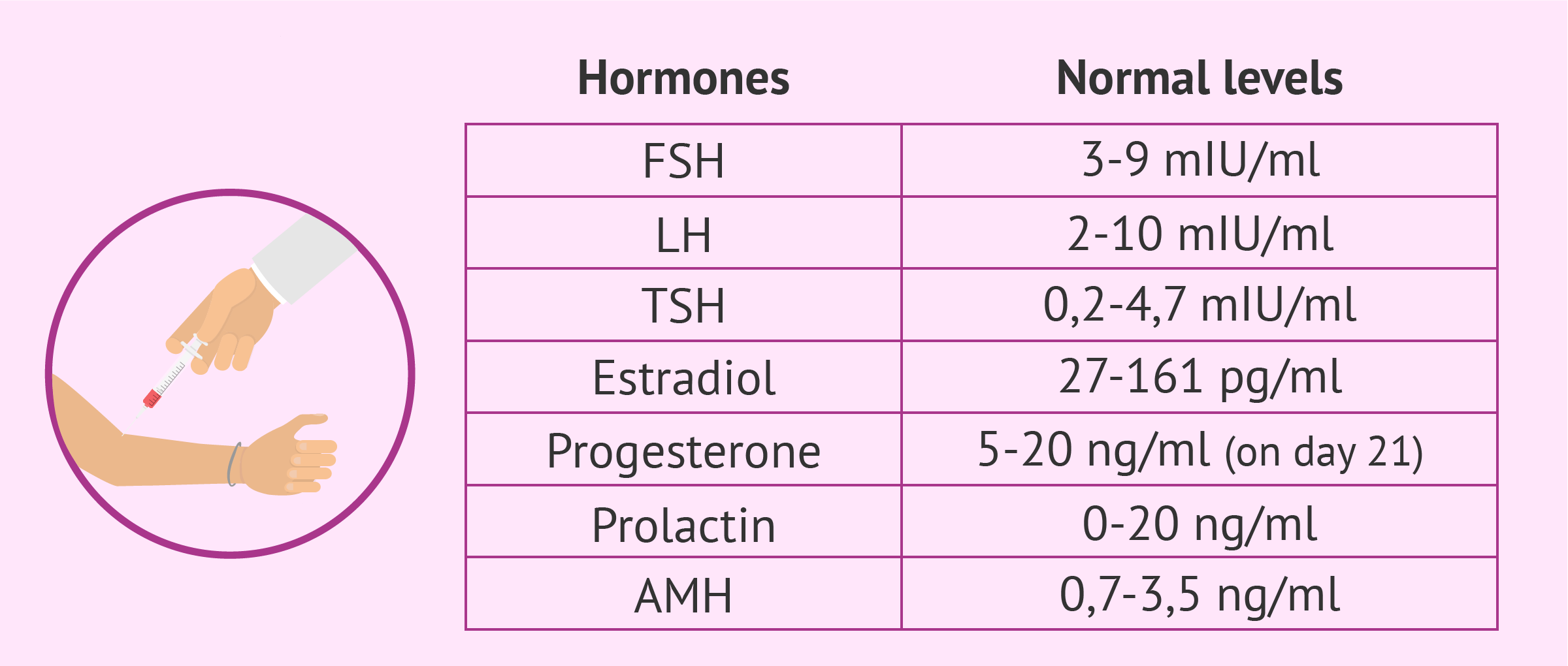
- Further Diagnostics: Abnormal FSH levels can lead to recommendations for other hormone tests (e.g., AMH, Estradiol, Progesterone, Testosterone, LH), imaging studies (e.g., pelvic ultrasound, hysterosalpingogram), genetic testing, or semen analysis. Each of these adds to the accumulating cost.
- Specialist Referrals: If an underlying condition is identified, you might be referred to highly specialized doctors, such as reproductive endocrinologists or urologists, whose consultation fees and procedures can be significantly higher than a general practitioner’s.
- Treatment Costs: This is where expenses can skyrocket. For individuals facing infertility, an FSH test can be a precursor to treatments such as ovulation induction (medication costs, monitoring), intrauterine insemination (IUI), or in vitro fertilization (IVF). A single IVF cycle can range from $15,000 to $30,000 or more, not including medication. Medications alone can add thousands of dollars per cycle.
- Time Off Work: Repeated appointments, tests, and potential treatments may require taking time off work, leading to lost wages for hourly employees or using valuable paid time off.
Considering the potential ripple effect of an FSH test on your overall healthcare expenses is vital for proactive financial management.
Budgeting for Fertility and Hormone-Related Healthcare
Facing diagnostic tests or potential treatments for conditions revealed by an FSH test necessitates careful financial planning. These are often elective or semi-elective procedures not always covered by standard insurance.
Planning for Uninsured Expenses
For costs not covered by insurance, personal budgeting becomes paramount.
- Dedicated Savings Account: Establish a separate savings account specifically for healthcare expenses. Regularly contributing to this fund, even small amounts, can build a buffer.
- Emergency Fund Assessment: Evaluate your existing emergency fund. While primarily for unforeseen emergencies, it might need to be robust enough to absorb some healthcare costs if other options are exhausted.
- Financial Modeling: If contemplating costly treatments like IVF, create a detailed financial model that projects all potential expenses over several months or even years. Include direct medical costs, medication, travel, time off work, and potential contingencies.
Exploring Financial Assistance Programs
Several avenues exist to help mitigate the financial burden of fertility treatments and related diagnostics:
- Pharmaceutical Company Patient Assistance Programs: Many drug manufacturers offer programs to help reduce the cost of fertility medications. Eligibility is typically based on income and insurance coverage.
- Fertility Clinic Discounts and Packages: Some clinics offer discounted packages for multiple IVF cycles or provide financial counseling services to help patients navigate costs. They may also have relationships with lending institutions specializing in fertility loans.
- Non-Profit Grants and Scholarships: Organizations like RESOLVE: The National Infertility Association, and various local foundations, offer grants or scholarships to individuals and couples pursuing fertility treatments. These are often competitive and have specific eligibility criteria.
- Employer Benefits: Some progressive employers offer direct financial assistance or expanded insurance coverage for fertility treatments. It’s worth discreetly inquiring about these benefits through HR.

Health Savings Accounts (HSAs) and Flexible Spending Accounts (FSAs)
These tax-advantaged accounts are invaluable tools for managing healthcare costs, especially for diagnostic tests and treatments.
- HSAs: Available to individuals with high-deductible health plans (HDHPs), HSAs allow you to contribute pre-tax dollars, which grow tax-free and can be withdrawn tax-free for qualified medical expenses. This includes the cost of an FSH test, specialist consultations, and many fertility treatments. The funds roll over year-to-year, making them excellent long-term savings vehicles for healthcare.
- FSAs: Offered through employers, FSAs also allow pre-tax contributions for qualified medical expenses. The primary difference is that FSA funds are typically “use-it-or-lose-it” within the plan year (though some plans offer a grace period or limited rollover). Both HSAs and FSAs provide significant tax savings, effectively reducing the net cost of medical care. Maximizing contributions to these accounts when anticipating significant medical expenses is a smart financial strategy.
Long-Term Financial Planning and Family Building
The financial implications of an FSH test can extend far into long-term financial planning, particularly for those considering family building through assisted reproductive technologies.
Impact on Savings and Investment Goals
The substantial costs associated with fertility treatments can divert funds from other critical financial goals, such as retirement savings, college funds, or down payments on a home. Understanding this trade-off is essential. While family building is a deeply personal and often non-negotiable goal, it’s important to assess how pursuing it might impact other long-term financial security plans. Re-evaluating your overall budget and investment strategy may be necessary.
The Cost of Fertility Treatments
If an FSH test reveals issues requiring advanced fertility treatments, the costs can be overwhelming. IVF, IUI, donor eggs/sperm, surrogacy, and adoption each come with their own complex financial structures.
- IVF Cycles: As mentioned, a single IVF cycle is expensive. Many individuals require multiple cycles, multiplying the costs. Medication, monitoring, and potential genetic testing of embryos (PGT-A/SR) add layers of expense.
- Donor Services: Using donor eggs or sperm involves additional costs for donor compensation, agency fees, and legal fees.
- Surrogacy: This is often the most expensive path to parenthood, involving surrogate compensation, legal fees, agency fees, and medical costs, often totaling well over $100,000.
- Adoption: While not medical, adoption is another path to family building with significant financial outlays, including agency fees, legal costs, and travel.
Integrating these potential costs into your long-term financial projections is crucial for informed decision-making.
Financial Preparedness for Parenthood
Beyond the cost of getting pregnant, there is the undeniable financial reality of raising a child. Fertility treatments can exhaust savings, making it harder to prepare for immediate post-birth expenses and the long-term financial commitments of parenthood (childcare, education, healthcare, etc.). A holistic financial plan should encompass not just the journey to conception but also the financial demands of having a child.
Actionable Steps for Financial Management
Navigating the financial aspects of an FSH test and potential subsequent care requires a proactive and informed approach.
Research and Compare Costs
Never assume costs are uniform. Call multiple labs and clinics to inquire about the self-pay price for an FSH test and any related consultations. Some facilities offer discounts for upfront payment or package deals. Comparing prices can yield significant savings.
Understand Your Insurance Policy Thoroughly
Beyond a quick review, dive deep into your policy documents. Pay particular attention to sections on diagnostic testing, specialty care, and specifically, infertility benefits. Clarify what is covered for diagnostic purposes versus treatment. Know your deductibles, co-pays, and out-of-pocket maximums. Document all calls with your insurance provider, noting dates, times, and the names of representatives.
Seek Financial Counseling for Fertility
Many fertility clinics offer financial counseling services. These counselors can help you understand treatment costs, insurance benefits, payment plans, and potential financial aid programs. Independent financial advisors specializing in healthcare costs or family planning can also provide invaluable guidance.
Advocate for Yourself
Don’t be afraid to ask questions about billing, payment options, and alternative solutions. If a claim is denied, understand the appeals process and pursue it diligently. Sometimes, a denial is simply an error or requires additional documentation from your doctor. Being your own financial advocate can save thousands of dollars and reduce financial stress during an already challenging time.
An FSH blood test, while a small medical procedure, opens a door to a complex financial landscape. By understanding its direct and indirect costs, navigating insurance intricacies, and planning for potential future expenses, individuals can approach their healthcare journey with greater financial confidence and control.
aViewFromTheCave is a participant in the Amazon Services LLC Associates Program, an affiliate advertising program designed to provide a means for sites to earn advertising fees by advertising and linking to Amazon.com. Amazon, the Amazon logo, AmazonSupply, and the AmazonSupply logo are trademarks of Amazon.com, Inc. or its affiliates. As an Amazon Associate we earn affiliate commissions from qualifying purchases.