
In an increasingly interconnected and digitally driven world, understanding fundamental concepts like A.M. and P.M. transcends mere time-telling. It becomes a critical element in the seamless operation of technology, from scheduling algorithms and data logging to user interface design and global communication protocols. While seemingly archaic, the 12-hour clock system, distinguished by its A.M. and P.M. suffixes, remains deeply embedded in countless digital systems and user experiences worldwide, making its nuances essential for anyone interacting with modern technology.
The Enduring Legacy of the 12-Hour System in Tech
The division of the day into two distinct halves, marked by “A.M.” and “P.M.,” is a practice rooted in antiquity, long predating silicon chips and fiber optics. Yet, this ancient system persists as a dominant convention in various digital interfaces and technological applications. Understanding its origins helps in appreciating its current role within our tech landscape.
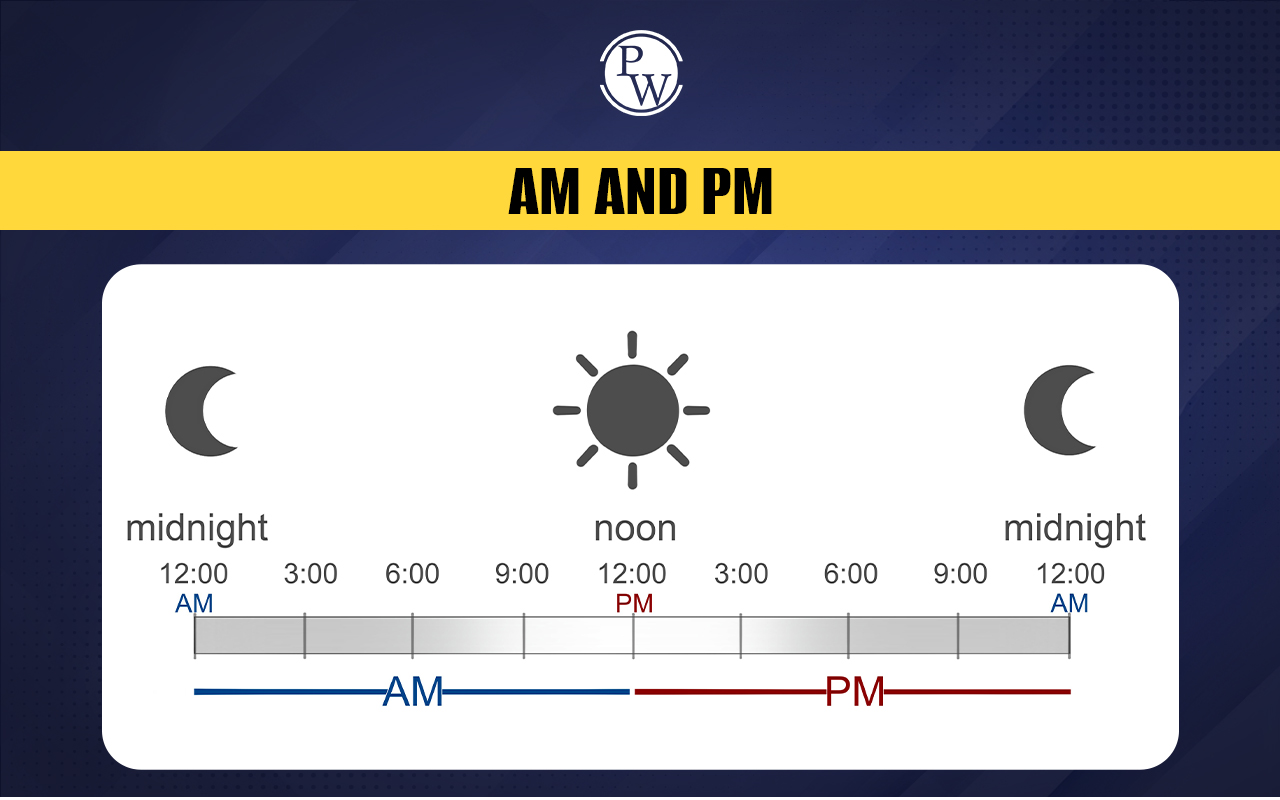
Decoding Ante Meridiem and Post Meridiem
The acronyms A.M. and P.M. derive from Latin phrases:
- A.M. stands for Ante Meridiem, meaning “before midday.” In the context of the 12-hour clock, this period spans from midnight (12:00 A.M.) up to, but not including, noon (12:00 P.M.). When you set your smartphone alarm for 7:00 A.M., you are signaling that the device should activate in the morning hours.
- P.M. stands for Post Meridiem, meaning “after midday.” This period covers the time from noon (12:00 P.M.) up to, but not including, midnight (12:00 A.M.). A meeting scheduled for 3:00 P.M. on a digital calendar refers to the afternoon, and a movie stream starting at 9:00 P.M. is set for the evening.
This simple linguistic distinction is fundamental to how billions of devices interpret and display time. Without these markers, a digital clock reading “3:00” would be ambiguous, leaving open whether it’s the dead of night or the afternoon.
The 12-Hour vs. 24-Hour Digital Divide
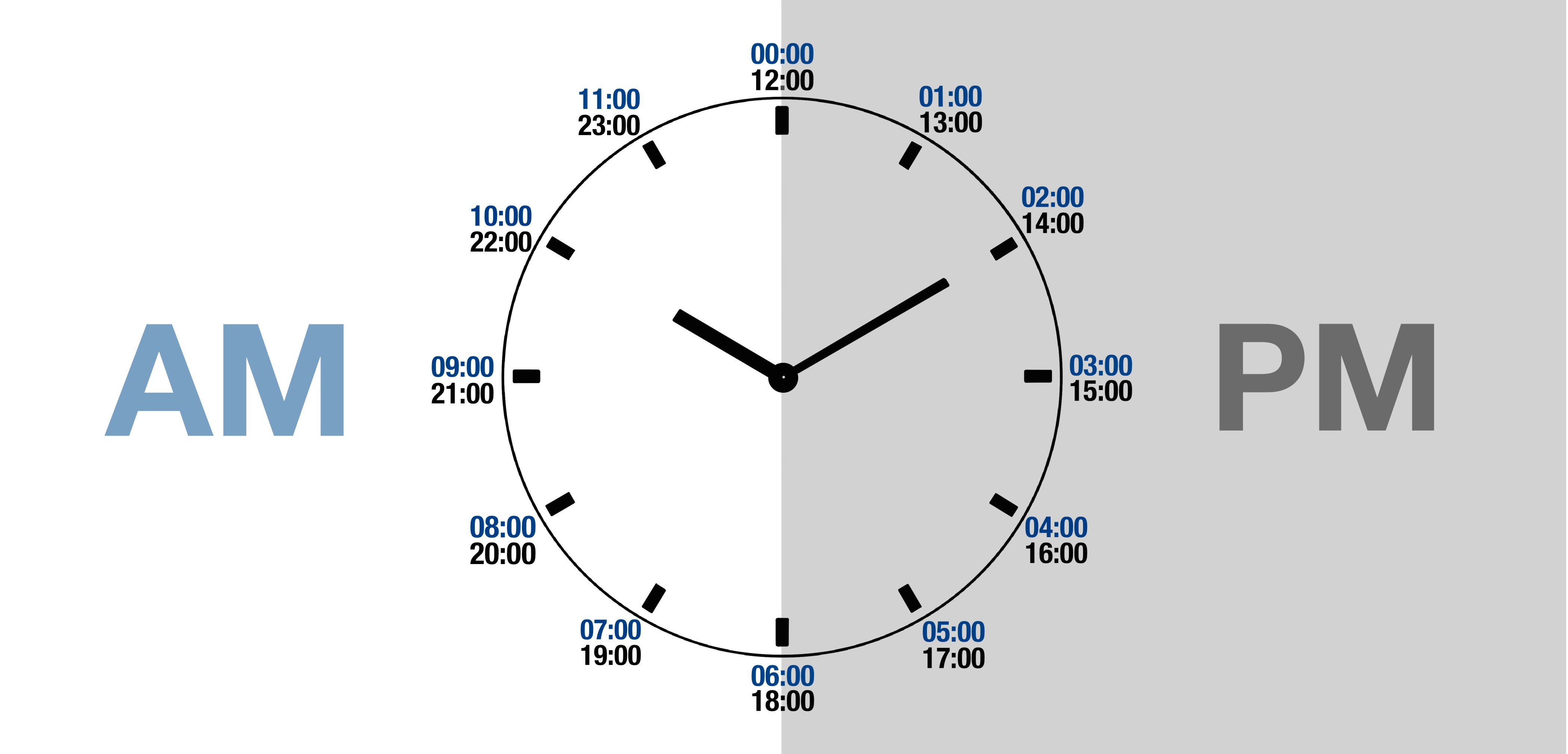
While the 12-hour A.M./P.M. format is prevalent in countries like the United States, Canada, Australia, and the Philippines, the 24-hour clock (often called military time in some contexts) is the standard in many other parts of the world and within specific technical domains. In the 24-hour system, time progresses continuously from 00:00 (midnight) to 23:59 (one minute before midnight), eliminating the need for A.M. and P.M. suffixes. For instance, 3:00 A.M. becomes 03:00, and 3:00 P.M. becomes 15:00.
Modern technology must gracefully navigate this divide. Operating systems like Windows, macOS, Android, and iOS provide user settings to choose between these two formats. This choice impacts everything from the timestamp displayed on an email to the time a scheduled software update is set to run. For developers and UI/UX designers, understanding the user’s preference is paramount to creating intuitive and globally accessible applications. A failure to correctly display or interpret time based on regional conventions can lead to confusion, missed appointments, or even critical system errors.
A.M./P.M. in the Digital Ecosystem
The pervasive nature of A.M./P.M. extends deeply into how we interact with digital tools and platforms daily. It’s not merely a display choice but an operational distinction that governs how technology functions on our behalf.
Device Settings and User Experience
Every smartphone, computer, and smart device offers the option to select either a 12-hour or 24-hour time format. This seemingly minor setting has significant implications for user experience. For users accustomed to the 12-hour system, the presence of A.M. and P.M. markers provides immediate temporal context, making it easier to read clocks, set alarms, and interpret timestamps on messages or notifications. Conversely, forcing a 24-hour format on a user accustomed to A.M./P.M. can be disorienting and lead to errors.
App developers must consider these regional preferences during design. A calendar app, for example, might default to a 12-hour display with A.M./P.M. in North America, but switch to a 24-hour display in Germany, leveraging the device’s locale settings. This adaptability ensures that the technology feels natural and intuitive to its diverse user base.
Scheduling and Communication Across Platforms
In an era of global teams and distributed workforces, A.M./P.M. plays a crucial role in digital scheduling and communication. Virtual meeting platforms like Zoom, Microsoft Teams, and Google Meet universally incorporate A.M./P.M. when displaying meeting times in the 12-hour format, often alongside time zone conversions. A team member in New York scheduling a 10:00 A.M. meeting needs to know that a colleague in London will see it as 3:00 P.M., highlighting how technology processes and translates these time notations.
Project management software, shared calendars, and task managers also rely on accurate A.M./P.M. distinctions. Assigning a deadline for “5:00 P.M.” on a digital kanban board or a collaborative document ensures all team members, regardless of their physical location or device settings, understand the specific cutoff time for tasks. Without this clarity, the potential for missed deadlines or miscommunications skyrockets.
Data Timestamps and System Logs
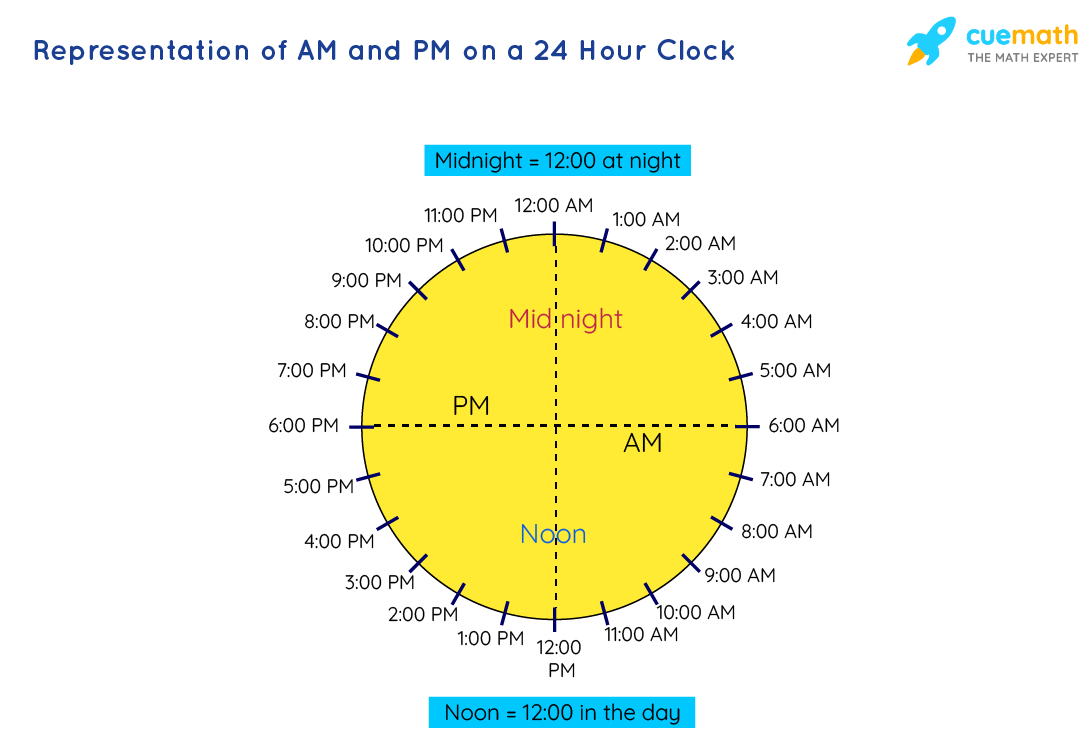
Beyond direct user interaction, A.M./P.M. plays a more subtle but equally critical role in backend technology: data timestamps and system logs. Virtually every action within a digital system — from a user logging in, to a transaction being processed, to a server error occurring — is recorded with a precise timestamp. While many internal systems and databases opt for the unambiguous 24-hour format or Unix timestamps for consistency and ease of calculation, these often get translated back to the user’s preferred 12-hour A.M./P.M. format for display in audit trails, activity feeds, or error reports.
For digital security, forensic analysis, and compliance, accurate time stamping is non-negotiable. Understanding whether a suspicious login attempt occurred at “2:00 A.M.” or “2:00 P.M.” provides vital context. Similarly, debugging software often involves sifting through logs where specific events are marked with A.M./P.M. times, helping engineers pinpoint the exact sequence of operations leading to a bug or crash.
Navigating Ambiguity and Ensuring Precision
Despite its widespread use, the A.M./P.M. system can introduce minor ambiguities, especially at the transition points of midday and midnight. Technology, therefore, has developed conventions and safeguards to address these potential confusions.
The Midday and Midnight Conundrum
The traditional 12-hour clock can be slightly vague at 12:00 A.M. and 12:00 P.M.:
- 12:00 P.M.: Refers to noon. Many people use “12 noon” or “12 P.M.” interchangeably.
- 12:00 A.M.: Refers to midnight. Similarly, “12 midnight” or “12 A.M.” is common.
In digital systems, however, precision is paramount. To avoid ambiguity, the standard convention is:
- 12:00 P.M. explicitly means noon.
- 12:00 A.M. explicitly means the beginning of a new day (midnight).
When setting a reminder on a digital calendar for “12:00 A.M. on Friday,” the system interprets this as the midnight marking the transition from Thursday to Friday. Conversely, “12:00 P.M. on Friday” means midday on Friday. This strict interpretation by software and operating systems is crucial for ensuring scheduled events occur at the correct time, preventing missed deadlines or premature activations.
Global Tech Adoption and Time Zone Management
The integration of A.M./P.M. with time zone considerations is a cornerstone of global technology. Applications handling international communication, financial transactions, or logistics must accurately convert times across different time zones while respecting the A.M./P.M. convention where applicable.
For instance, a flight booking system displays departure and arrival times using A.M./P.M. for local convenience but operates internally using a universal time standard (like UTC) to manage scheduling and potential delays across multiple time zones. Financial trading platforms, e-commerce sites, and cloud services constantly perform these conversions in the background, ensuring that a transaction initiated at “9:00 A.M. EST” is correctly logged and processed across servers located in different parts of the world. The reliability of these conversions is critical for data integrity, financial accuracy, and seamless global operations.
Why Understanding A.M./P.M. Matters in a Tech-Driven World
The seemingly simple distinction between A.M. and P.M. is far from trivial in our technology-saturated lives. A solid grasp of this system underpins efficient digital interaction, from personal productivity to professional operations.
Enhancing Productivity with Accurate Scheduling
For individuals, correctly interpreting A.M. and P.M. is vital for personal organization and productivity. Setting alarms, scheduling appointments in digital calendars, or planning virtual meetings all rely on this understanding. A simple mistake between 7:00 A.M. and 7:00 P.M. can lead to a missed wake-up call, a forgotten meeting, or a late submission. In a world where digital schedules govern much of our daily lives, this precision is a fundamental skill.
For businesses, especially those operating with remote teams or global clients, accurate A.M./P.M. usage in collaborative software and communication tools prevents costly scheduling errors, enhances team coordination, and ensures deadlines are met, ultimately contributing to operational efficiency and profitability.
Ensuring Data Integrity and Security
In the realm of data and cybersecurity, timestamps are the digital fingerprints of events. Correctly recorded and interpreted A.M./P.M. values in audit logs, transaction records, and security alerts are indispensable for identifying patterns, tracing activities, and investigating incidents. When a security breach occurs, understanding the exact “P.M.” or “A.M.” time an anomaly was detected can be the difference between a swift containment and a prolonged, damaging event. Developers and system administrators rely on consistent time formats to maintain the integrity and traceability of data.
Bridging Human-Machine Time Interfaces
Ultimately, A.M. and P.M. serve as a critical bridge between human intuitive understanding of time and the precise, logical demands of digital systems. While machines might prefer the unambiguous 24-hour format or Unix epochs for internal processing, the A.M./P.M. system allows for a more human-friendly display, especially in regions where it’s the cultural norm. Technology excels when it adapts to human needs, and the continued integration of A.M./P.M. in user interfaces reflects this principle. It allows us to intuitively schedule our lives and interact with complex digital tools without needing to constantly perform mental conversions, fostering a more natural and efficient interaction with the technology that permeates our daily existence.
aViewFromTheCave is a participant in the Amazon Services LLC Associates Program, an affiliate advertising program designed to provide a means for sites to earn advertising fees by advertising and linking to Amazon.com. Amazon, the Amazon logo, AmazonSupply, and the AmazonSupply logo are trademarks of Amazon.com, Inc. or its affiliates. As an Amazon Associate we earn affiliate commissions from qualifying purchases.