
At its core, a satisfied customer represents the successful culmination of a brand’s promise and its delivery. It signifies that an individual’s needs, expectations, and often their implicit desires, have been met or exceeded through their interaction with a product, service, or the brand as a whole. Yet, to truly understand a satisfied customer is to move beyond a simplistic definition of mere contentment. For brands, satisfaction is a dynamic, multi-faceted state that underpins loyalty, advocacy, and long-term commercial success. It is not merely a transactional outcome but a deep, experiential connection that brands strive to cultivate and sustain.
Defining the Satisfied Customer: More Than Just Contentment
The journey to understanding a satisfied customer begins by dissecting the underlying psychology and experiential factors at play. It’s a perception, influenced by a myriad of touchpoints and personal filters, making it a critical metric for any brand aiming for sustained relevance and growth.
The Expectation-Experience Gap
Customer satisfaction fundamentally hinges on the gap between what a customer expects and what they experience. Brands invest heavily in marketing and communication to set expectations, often promising convenience, quality, innovation, or exceptional service. When the actual experience meets or, ideally, surpasses these pre-set expectations, satisfaction flourishes. Conversely, a significant gap, where experience falls short of expectation, leads to disappointment and dissatisfaction. A truly satisfied customer is one whose experience validates and elevates the brand promise, creating a sense of value and reliability that transcends the initial purchase. This gap analysis is a crucial feedback mechanism for brands, informing product development, service improvements, and marketing adjustments to ensure alignment between promise and delivery.
The Emotional Dimension of Satisfaction
Beyond rational assessment, customer satisfaction is deeply intertwined with emotion. A brand that merely meets functional requirements without eliciting a positive emotional response often fails to forge a lasting connection. Satisfaction is enhanced when customers feel understood, valued, and even delighted. Emotions such as trust, relief, joy, or a sense of empowerment can elevate a satisfactory transaction into a memorable brand experience. For instance, seamless problem resolution can turn a potentially negative situation into an opportunity to build trust and demonstrate care, fostering a deeper emotional bond. Brands that consistently evoke positive emotions through their interactions, from their advertising to their customer support, cultivate a richer, more robust form of satisfaction that is more resilient to competitive pressures and market fluctuations.
The Core Elements Driving Customer Satisfaction for Brands
Achieving customer satisfaction is not accidental; it is the deliberate result of strategic efforts across various brand touchpoints. Several core elements consistently emerge as foundational to fostering this crucial state of customer mind.
Product/Service Excellence and Reliability
The most fundamental driver of customer satisfaction is the intrinsic quality and reliability of the product or service itself. A brand’s core offering must consistently perform as advertised, delivering on its promised features, benefits, and specifications. This includes not only the initial performance but also long-term durability, ease of use, and overall fitness for purpose. When a product reliably solves a customer’s problem or enhances their life, it builds a bedrock of trust. Conversely, defects, inconsistencies, or frequent failures can rapidly erode satisfaction, regardless of other positive brand attributes. Brands must invest in rigorous quality control, continuous improvement, and responsive issue resolution to ensure their core offerings consistently meet and exceed performance expectations.
Seamless Customer Experience and Support
The entire journey a customer undertakes with a brand, from initial awareness to post-purchase support, significantly influences satisfaction. A seamless, intuitive, and positive customer experience (CX) across all channels – digital, physical, and human – is paramount. This includes user-friendly websites and apps, efficient purchasing processes, timely delivery, and accessible, empathetic customer support. When issues arise, the effectiveness and demeanor of customer service agents can be the decisive factor in salvaging or even elevating satisfaction. Brands that proactively anticipate customer needs, provide clear communication, and offer personalized, efficient support demonstrate a commitment to their customers that fosters deep satisfaction and loyalty.
Trust, Transparency, and Brand Values
In an increasingly discerning market, customers seek to align with brands they can trust and whose values resonate with their own. Trust is built through transparency in pricing, policies, and practices, as well as honesty in marketing and communication. Brands that are open about their operations, ethical sourcing, data privacy, or sustainability initiatives often gain a competitive edge in satisfaction. When a brand consistently acts in alignment with its stated values, it builds authenticity and credibility, which are powerful drivers of customer connection and satisfaction. Customers feel more satisfied when they perceive they are engaging with an authentic entity that stands for something beyond just transactions.
Perceived Value and Fair Exchange
Value perception is another critical component. A satisfied customer believes they have received fair or exceptional value for their investment – be it time, money, or effort. This is not solely about low prices, but about the balance between cost and the benefits received. A premium brand might achieve high satisfaction by delivering superior quality, exclusivity, or service that justifies its higher price point. Conversely, a budget brand might satisfy customers by offering acceptable quality at an unbeatable price. Brands must clearly articulate their unique value proposition and consistently deliver on it, ensuring that customers feel their investment has been respected and rewarded. This sense of fair exchange is fundamental to enduring satisfaction.

Measuring and Fostering Satisfaction: A Brand’s Toolkit
Understanding the drivers of satisfaction is one thing; effectively measuring and actively cultivating it is another. Brands employ a suite of tools and strategies to continuously monitor and enhance customer contentment.
Key Metrics: CSAT, NPS, CES
Brands rely on several key performance indicators (KPIs) to quantify customer satisfaction. The Customer Satisfaction Score (CSAT) directly measures how satisfied a customer is with a specific interaction or overall experience, typically on a scale of 1-5 or 1-10. The Net Promoter Score (NPS) assesses customer loyalty and their willingness to recommend the brand to others, categorizing customers as Promoters, Passives, or Detractors. The Customer Effort Score (CES) gauges how much effort a customer had to exert to get an issue resolved or a request fulfilled. Each metric offers unique insights: CSAT provides a snapshot of immediate contentment, NPS indicates long-term loyalty and advocacy potential, and CES highlights friction points in the customer journey. Brands strategically deploy these metrics at various touchpoints to gain a comprehensive view of satisfaction levels.
Activating Feedback Loops and Data-Driven Insights
Measurement is only valuable if it leads to action. Brands establish robust feedback loops, collecting data through surveys, reviews, social media listening, direct customer interactions, and even observational studies. This raw data is then analyzed to identify patterns, root causes of dissatisfaction, and opportunities for improvement. Advanced analytics and AI tools can process vast amounts of unstructured feedback, extracting sentiment and themes that might be missed manually. These data-driven insights are invaluable for informing strategic decisions across product development, marketing campaigns, service delivery, and brand messaging, ensuring that efforts to enhance satisfaction are targeted and effective.
Continuous Improvement and Adaptability
The landscape of customer expectations is constantly evolving, influenced by technological advancements, competitor actions, and societal shifts. Therefore, fostering customer satisfaction is not a one-time project but an ongoing commitment to continuous improvement and adaptability. Brands must be agile, ready to pivot strategies, refine offerings, and optimize customer journeys based on real-time feedback and market dynamics. This means fostering a culture where customer satisfaction is a shared responsibility across all departments, from product design to marketing to sales and support. Regular reviews of customer data, competitor benchmarking, and proactive innovation are essential to not just maintain, but elevate satisfaction levels over time, securing the brand’s position in the hearts and minds of its customers.
The Unquantifiable Returns: Strategic Value of Customer Satisfaction
While often measured in scores, the true value of a satisfied customer extends far beyond metrics, manifesting in strategic advantages that underpin a brand’s long-term viability and growth.
Building Brand Loyalty and Reducing Churn
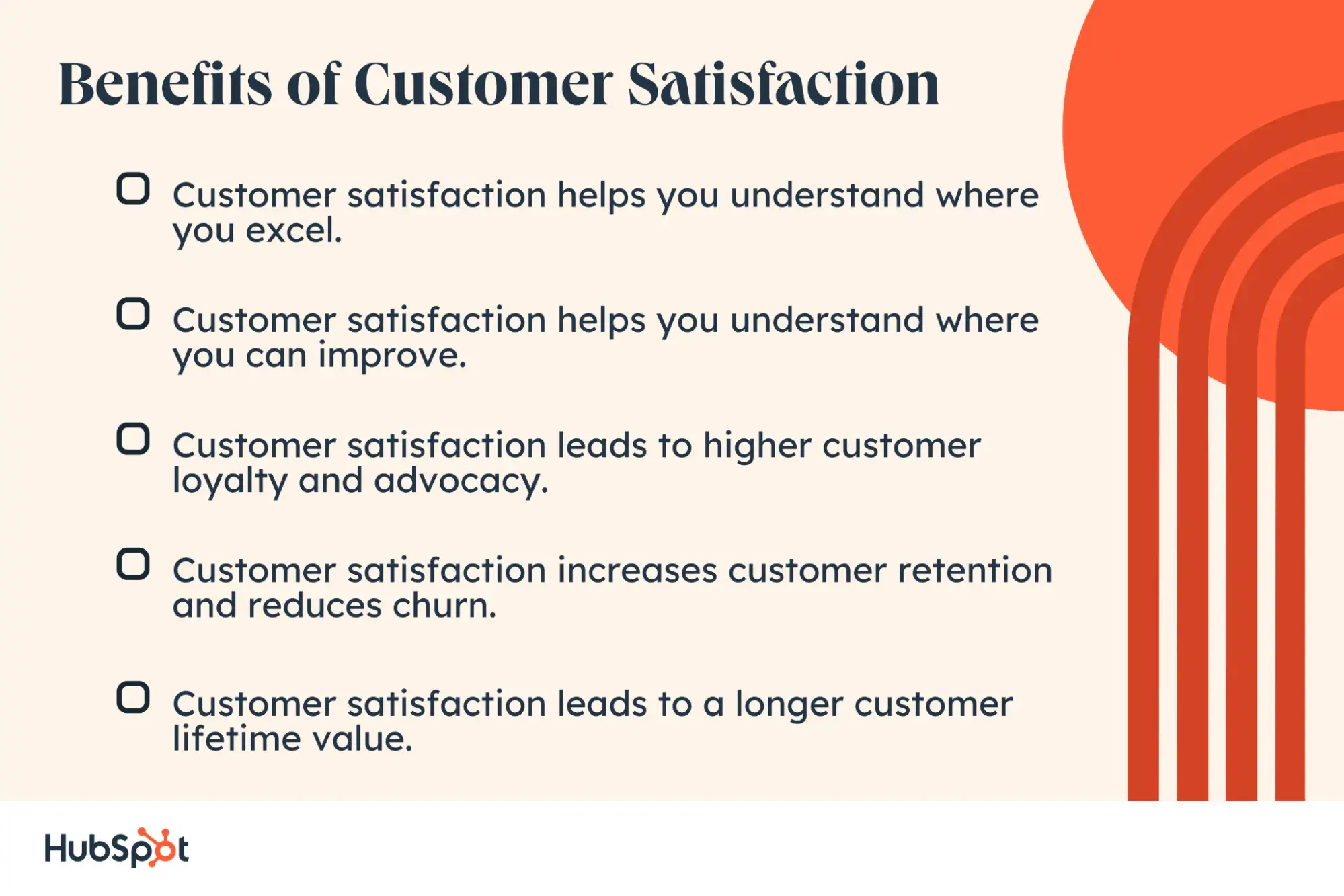
A satisfied customer is a loyal customer. When expectations are consistently met and exceeded, customers are far less likely to seek alternatives, even in competitive markets. This loyalty translates directly into reduced customer churn, which is critical for sustainable revenue streams. Loyal customers are also more forgiving when minor issues arise, giving brands an opportunity to recover and reinforce trust. By prioritizing satisfaction, brands cultivate a stable customer base, reducing the significant costs associated with acquiring new customers and allowing resources to be focused on enhancing existing relationships.
Fueling Advocacy and Positive Word-of-Mouth
Perhaps one of the most powerful, yet often unquantifiable, benefits of customer satisfaction is the generation of positive word-of-mouth and advocacy. Highly satisfied customers become brand evangelists, sharing their positive experiences with friends, family, and social networks. In an age dominated by digital connectivity and peer reviews, authentic recommendations from trusted sources hold immense weight. This organic marketing is incredibly cost-effective and highly credible, significantly influencing prospective customers’ purchasing decisions and amplifying the brand’s reach and reputation far beyond paid advertising.
Enhancing Brand Reputation and Resilience
A consistent track record of customer satisfaction contributes significantly to a strong and positive brand reputation. A brand known for reliably delivering on its promises and providing exceptional experiences builds an invaluable asset: goodwill. This strong reputation acts as a shield during challenging times, such as product recalls or service outages. Satisfied customers are more likely to extend understanding and patience, knowing the brand’s overall commitment to excellence. This resilience allows brands to navigate crises more effectively, minimizing long-term damage and maintaining public trust.

Driving Sustainable Growth and Profitability
Ultimately, all these benefits converge to drive sustainable business growth and enhanced profitability. Satisfied customers are more likely to make repeat purchases, explore additional offerings from the same brand, and spend more over their lifetime. Their loyalty and advocacy translate into a lower cost of acquisition, higher retention rates, and increased customer lifetime value (CLTV). This virtuous cycle – where satisfaction drives loyalty, advocacy, and a stronger reputation – creates a stable foundation for revenue growth, allowing brands to invest further in innovation, expand their market share, and secure a competitive advantage for the long term. A satisfied customer isn’t just a happy individual; they are a strategic asset, indispensable to the enduring success and vitality of any brand.
aViewFromTheCave is a participant in the Amazon Services LLC Associates Program, an affiliate advertising program designed to provide a means for sites to earn advertising fees by advertising and linking to Amazon.com. Amazon, the Amazon logo, AmazonSupply, and the AmazonSupply logo are trademarks of Amazon.com, Inc. or its affiliates. As an Amazon Associate we earn affiliate commissions from qualifying purchases.