
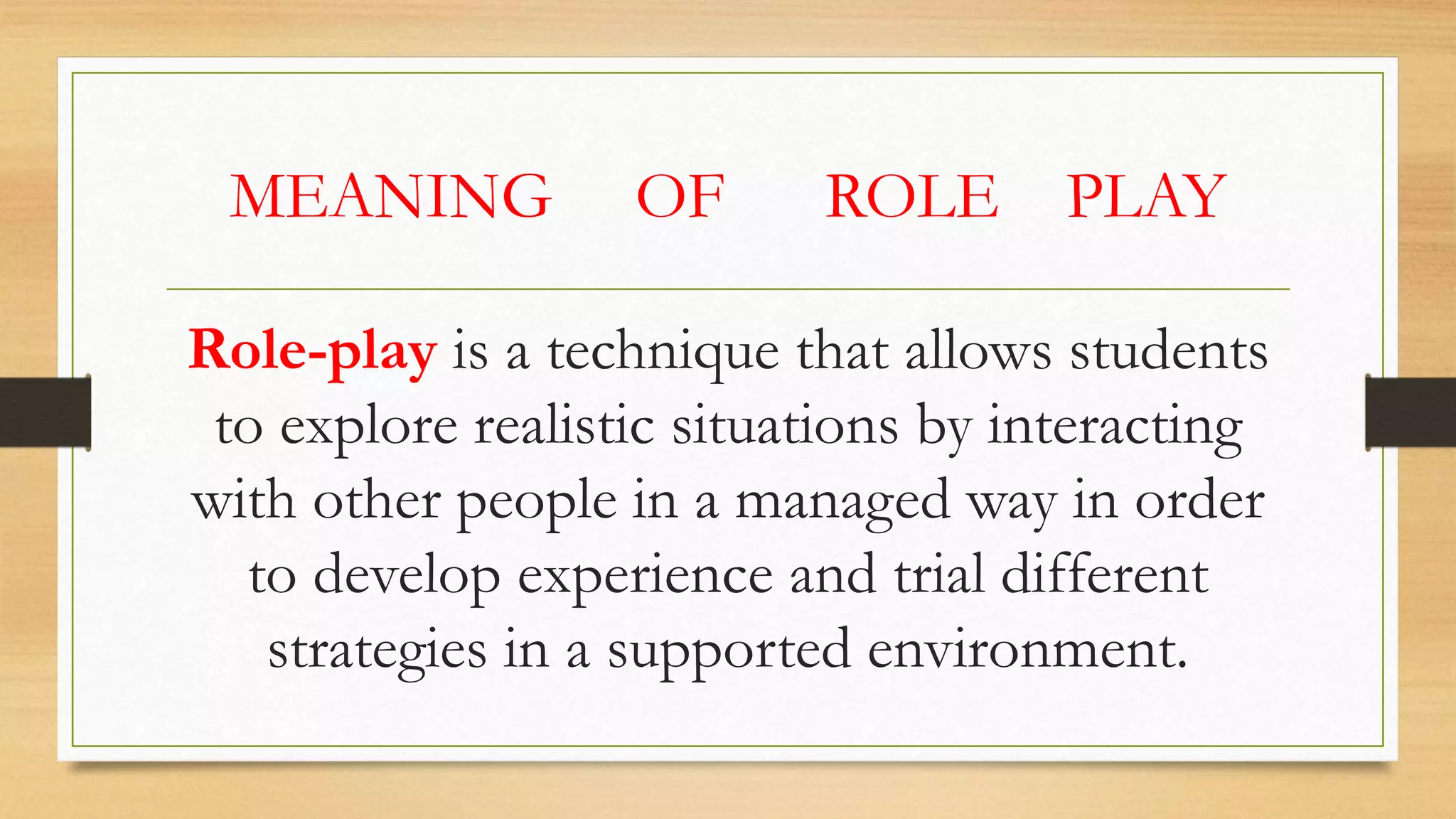
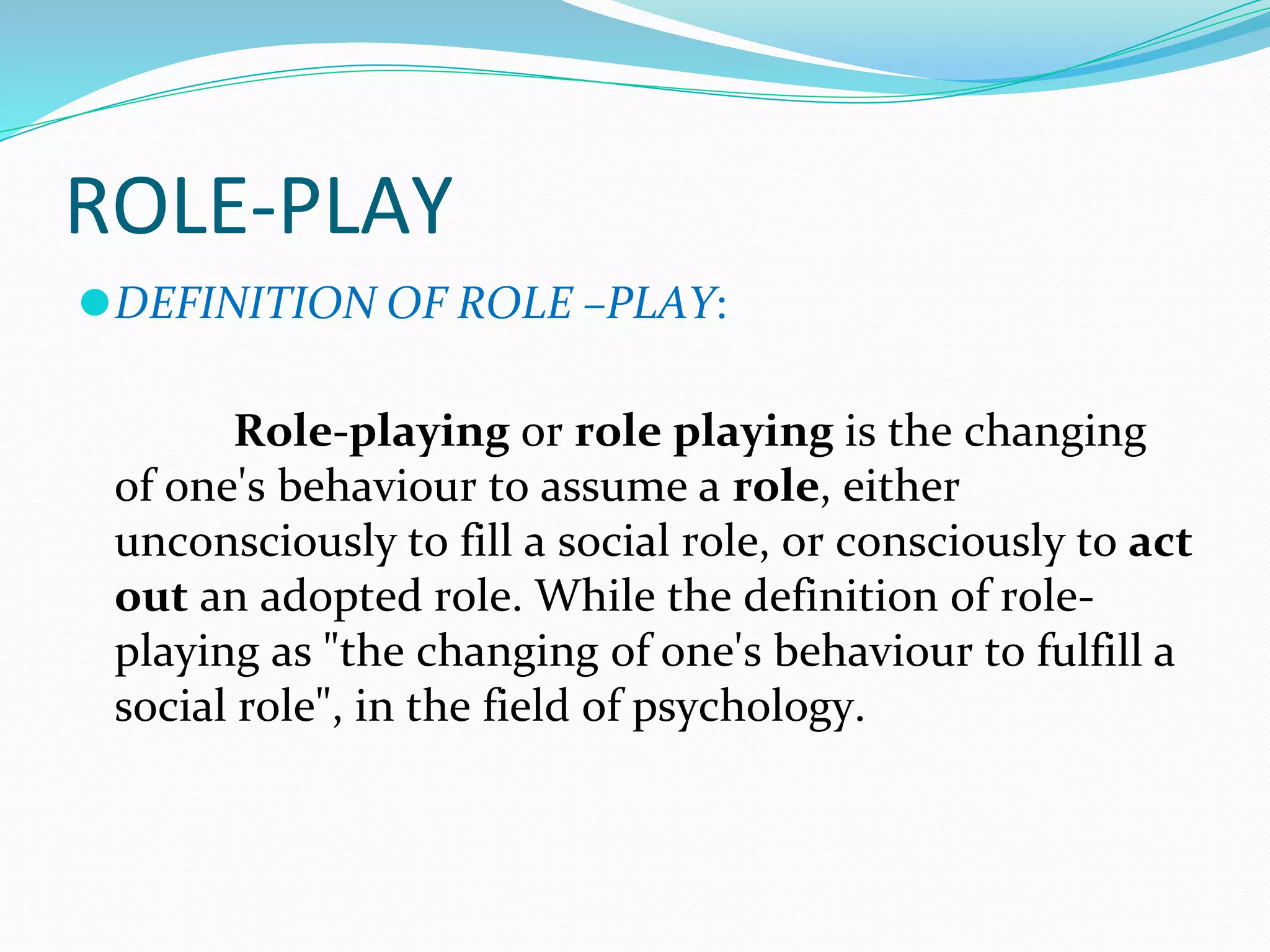
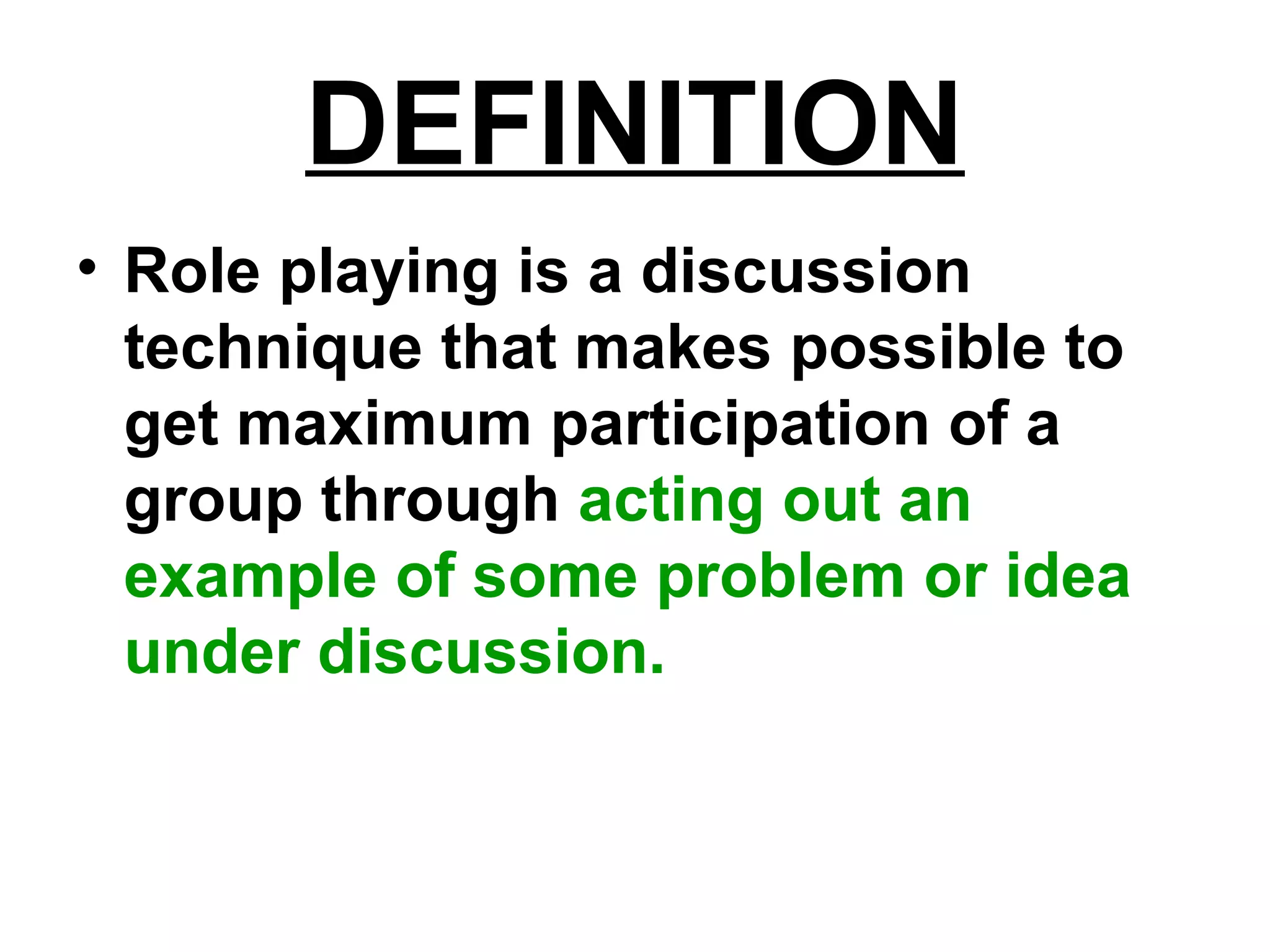
In the intricate landscape of modern commerce, where brand perception can dictate market success, understanding and mastering the nuances of interaction are paramount. A role play, in the context of branding and business strategy, is far more than a simple theatrical exercise; it is a meticulously structured simulation designed to replicate real-world scenarios, allowing individuals and teams to practice, refine, and embody a brand’s values, messaging, and operational protocols in a controlled environment. It serves as a crucial bridge between theoretical knowledge and practical application, providing a safe space for experimentation, error, and ultimately, excellence in brand delivery.
The Strategic Imperative of Role Play in Modern Branding
For brands striving for consistency, authenticity, and resonant customer experiences, role play is not merely a training tool but a strategic imperative. It moves beyond passive learning, immersing participants in active engagement that mirrors actual business challenges and opportunities. This method fosters a deep sense of empathy, encouraging employees to step into the shoes of customers, stakeholders, or even competitors, thereby gaining invaluable insights into their perspectives, motivations, and pain points. By repeatedly practicing specific interactions, brand narratives, and service responses, organizations can cultivate unwavering confidence across their teams, ensuring that every touchpoint consistently reflects the core brand identity.
Crucially, role play acts as a dynamic feedback mechanism for the brand strategy itself. It allows leadership to test the efficacy of new messaging, service frameworks, or marketing campaigns before they are deployed to the wider market, uncovering potential weaknesses or areas for refinement. This proactive approach minimizes risks, optimizes resource allocation, and strengthens the brand’s ability to adapt and thrive in an ever-evolving market. It transforms abstract brand guidelines into tangible, actionable behaviors, cementing the brand’s essence into the very fabric of its operations and human interactions.
Cultivating Brand Consistency Through Practice and Perspective
One of the primary benefits of incorporating role play into a brand strategy is its unparalleled ability to foster consistency across all customer-facing functions. A unified brand voice and experience are non-negotiable in building trust and loyalty, and role play is instrumental in achieving this alignment.
Sales and Marketing Alignment
Effective brand communication begins with a consistent sales and marketing approach. Role-playing scenarios allow sales teams to practice articulating the brand’s unique value proposition, handling common objections with confidence, and delivering pitches that are not only persuasive but also deeply aligned with the brand’s tone and ethos. Marketers can utilize role play to simulate customer journeys, testing how target audiences might react to different campaign messages, visual identities, or calls to action. This iterative process ensures that every piece of external communication, from a social media post to a complex sales presentation, resonates harmoniously with the overarching brand narrative and reinforces the desired brand perception in the marketplace. It eliminates guesswork, replacing it with empirically practiced interactions that are proven to deliver on brand promises.
Customer Service Excellence
The customer service department often serves as the frontline embodiment of a brand’s values. Role play is indispensable here, training front-line staff to not just resolve issues, but to do so in a manner that reinforces brand identity, empathy, and loyalty. By rehearsing a wide range of customer interactions—from routine inquiries to complex complaints or crisis situations—employees learn to de-escalate tensions, offer solutions, and leave customers feeling heard and valued, all while upholding the brand’s specific tone of voice and problem-solving philosophy. This practice transforms potential negative experiences into opportunities to strengthen customer relationships and build a reputation for outstanding service, directly contributing to brand equity and customer retention. It empowers service representatives to think on their feet, confident in their ability to represent the brand positively under any circumstance.
Internal Brand Embodiment
Beyond external interactions, role play plays a vital role in internal branding. For a brand to truly thrive, its values and mission must be understood and lived by every employee. Role-playing exercises can help individuals and teams practice collaboration, leadership styles, and internal communication methods that align with the company culture and brand persona. This ensures that employees are not just aware of the brand’s identity, but actively embody it in their daily work, becoming authentic brand ambassadors. This internal consistency translates directly into external messaging, as a workforce deeply connected to the brand’s core will naturally project that authenticity to the outside world, reinforcing the brand’s image and promise.
Beyond Training: Role Play for Brand Innovation and Resilience
The utility of role play extends significantly beyond mere skill development, serving as a powerful catalyst for brand innovation and an essential tool for bolstering organizational resilience. It allows brands to explore new territories, anticipate challenges, and solidify their strategic positioning in dynamic markets.
Market Research and Product Development
In the realm of market research and product development, role play can simulate user experiences, providing invaluable qualitative data. By enacting scenarios where potential customers interact with prototypes or proposed services, brands can identify unmet needs, uncover usability issues, and gauge emotional responses before significant investment in development. This approach facilitates a customer-centric innovation process, ensuring that new offerings genuinely align with market demands and reinforce the brand’s commitment to customer satisfaction. Furthermore, role-playing competitive scenarios allows brands to anticipate rival strategies, understand their positioning, and refine their own differentiation tactics, ensuring a proactive rather than reactive market approach.
Crisis Communication and Reputation Management
No brand is immune to potential crises, and how an organization responds can either preserve or severely damage its reputation. Role play is an indispensable tool for crisis preparedness, enabling teams to simulate various emergency scenarios—from product recalls and data breaches to public relations disasters. Practicing these high-stakes situations allows leadership and communication teams to rehearse press statements, social media responses, internal briefings, and stakeholder communications under pressure. This proactive preparation refines messaging, streamlines decision-making processes, and identifies potential vulnerabilities in a brand’s communication strategy, ensuring a calm, consistent, and on-brand response when a real crisis strikes, thereby safeguarding brand equity.
Personal Branding for Leaders and Professionals
For individual leaders and professionals within an organization, personal branding is intrinsically linked to corporate identity. Role play provides a platform to refine personal narratives, practice public speaking engagements, media interviews, and networking pitches. This practice helps individuals articulate their expertise and the company’s vision with confidence and clarity, ensuring their personal brand aligns seamlessly with and amplifies the corporate brand. It empowers leaders to become compelling spokespersons, enhancing the brand’s visibility and credibility through authentic and polished representation.
Implementing Effective Role Play for Brand Advantage
To maximize the benefits of role play for brand strategy, careful planning and execution are essential. It requires a structured approach that emphasizes learning and integration rather than mere performance.
Setting Clear Objectives
Before initiating any role-play session, it is critical to define clear, measurable objectives directly linked to specific brand goals. Is the aim to improve a particular brand message’s clarity, enhance customer empathy, or refine a specific brand-aligned behavior? Clearly articulated objectives ensure that the exercise remains focused and that outcomes can be effectively evaluated, reinforcing the desired brand attributes.
Realistic Scenario Development
The effectiveness of role play hinges on the realism of the scenarios. They should be crafted to mirror actual challenges, opportunities, and interactions that the brand’s employees or stakeholders might encounter. Incorporating elements like customer archetypes, specific brand challenges, and relevant industry contexts makes the simulation more impactful and transferable to real-world situations, enhancing the brand’s practical application of its values.
Constructive Feedback and Iteration
A robust feedback mechanism is the cornerstone of successful role play. Participants require constructive, specific, and actionable feedback that focuses on behavior, communication, and adherence to brand guidelines. This feedback, often provided by peers, trainers, or supervisors, should encourage self-reflection and iterative improvement. The goal is continuous learning and refinement, allowing individuals to adapt and internalize the desired brand behaviors over time.
Integration with Brand Strategy
Role play should not be an isolated training event but an integral, ongoing component of a brand’s development and strategic review. Regularly incorporating these simulations into training programs, strategic planning sessions, and performance reviews ensures that brand consistency and adaptability remain at the forefront of organizational efforts. This continuous engagement embeds brand values deep within the organizational culture, fostering a workforce that instinctively understands and lives the brand.
The Tangible Returns: Why Brands Invest in Role Play
Investing in effective role play yields a multitude of tangible returns for any brand. It leads to increased brand consistency across all customer touchpoints, fostering a cohesive and trustworthy image in the market. Enhanced customer satisfaction and loyalty are direct outcomes of well-trained staff who embody the brand’s commitment to service excellence. Internally, it improves employee engagement and understanding of brand values, leading to a more unified and motivated workforce. Furthermore, role play significantly reduces risk in new market initiatives and crisis scenarios, protecting the brand’s reputation and financial health. Ultimately, brands that embrace role play build a stronger market positioning, achieve clearer competitive differentiation, and cultivate a more robust, adaptable, and resonant brand identity that stands the test of time and market fluctuations.
aViewFromTheCave is a participant in the Amazon Services LLC Associates Program, an affiliate advertising program designed to provide a means for sites to earn advertising fees by advertising and linking to Amazon.com. Amazon, the Amazon logo, AmazonSupply, and the AmazonSupply logo are trademarks of Amazon.com, Inc. or its affiliates. As an Amazon Associate we earn affiliate commissions from qualifying purchases.