
In the dynamic landscape of modern business and personal endeavor, a “mission” stands as a foundational pillar, often misunderstood yet universally critical. Far from being a mere buzzword or a perfunctory statement tacked onto a website, a well-defined mission is the very heartbeat of an organization, a personal brand, or even a specific project. It articulates the core reason for existence, serving as an immutable compass that guides every decision, action, and interaction. For brands, in particular, a mission is not just a strategic document; it is the essence of their identity, the promise they make, and the impact they strive to achieve in the world.
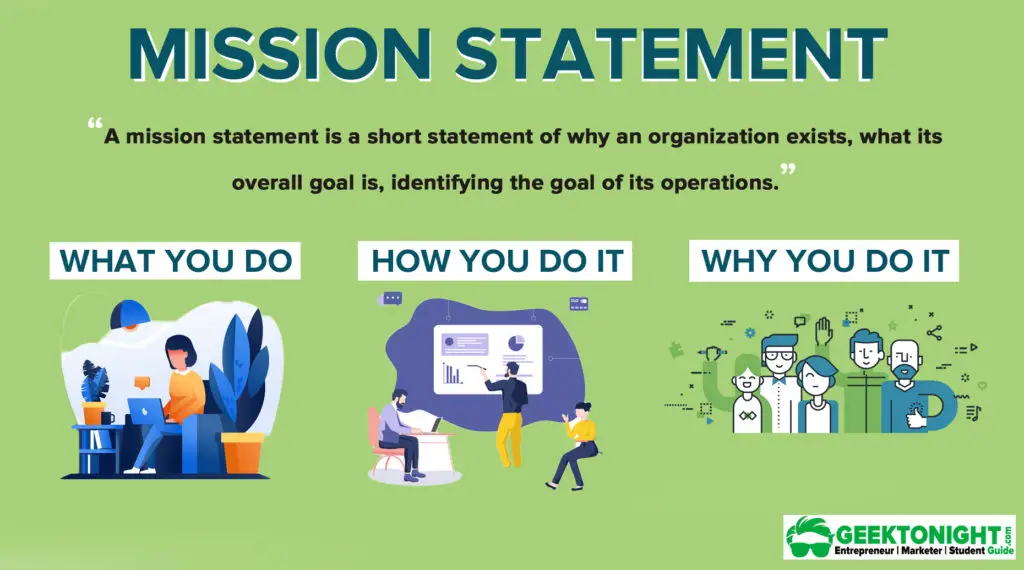
The Core Purpose: Defining a Mission Statement
At its heart, a mission statement is a concise declaration of an organization’s fundamental purpose and scope. It answers the crucial question: “Why do we exist?” Unlike a vision statement, which paints a picture of the future, a mission statement grounds a brand in its present operations, articulating its current purpose, its primary stakeholders, and the core activities it undertakes to achieve its objectives. It’s an internal directive as much as an external proclamation, designed to inspire, align, and direct.
Beyond a Slogan: The Depth of a Mission
Many confuse a mission statement with a slogan or tagline. While a slogan is a catchy, memorable phrase designed for marketing, a mission statement possesses significant depth and strategic importance. It delves into the underlying philosophy of the brand, detailing what it does, for whom, and how it differentiates itself. It’s not about catchy words but about profound meaning and commitment. A mission statement provides context and meaning to a brand’s products, services, and overall operations, explaining the “raison d’être” that goes beyond profit generation. It frames the brand’s unique contribution to its market and community, fostering a sense of identity and direction that resonates both internally with employees and externally with customers and partners.
Key Components of an Effective Mission Statement
An impactful mission statement typically encompasses several vital elements, though its exact wording should be tailored to each unique brand:
- Purpose: Clearly states the primary goal or reason for the brand’s existence. What problem does it solve, or what need does it fulfill?
- Business: Describes the core activities or operations the brand engages in to achieve its purpose. What products or services does it offer?
- Customers/Stakeholders: Identifies the primary beneficiaries or target audience of the brand’s efforts. Who are they serving?
- Values/Philosophy: Often subtly woven in, it reflects the guiding principles or beliefs that underpin the brand’s operations and culture. How does it conduct its business?
- Differentiation: Implies or explicitly states what makes the brand unique or superior in its approach. What makes them stand out?
By addressing these components, a brand can craft a mission statement that is not only comprehensive but also provides a clear directive for its strategic path.
Why a Strong Mission Matters for Brands
A robust mission statement is not a luxury; it’s a strategic imperative for any brand aiming for sustained success and meaningful impact. Its influence permeates every facet of an organization, shaping its internal culture and external perception.
Guiding Strategic Decisions
One of the most profound benefits of a clear mission is its ability to act as a filtering mechanism for strategic decisions. When faced with choices about product development, market entry, resource allocation, or partnerships, a brand can refer back to its mission statement. Does this opportunity align with our core purpose? Does it serve our identified stakeholders? If an initiative deviates significantly from the mission, it might be an indication that it’s not the right path for the brand, even if it presents short-term gains. This alignment ensures that growth is purposeful and consistent with the brand’s identity, preventing dilution and maintaining focus.
Fostering Employee Engagement and Culture
For employees, a compelling mission provides a sense of purpose beyond their daily tasks. It answers the question, “Why does my work matter?” When employees understand and connect with the brand’s mission, they are more engaged, motivated, and productive. It cultivates a strong, unified company culture where everyone is working towards a common, meaningful goal. This shared sense of purpose can significantly reduce turnover, improve morale, and foster a more collaborative and innovative environment. Employees become brand ambassadors not just because they work for the company, but because they believe in what the company stands for.
Attracting and Retaining Customers
In an increasingly crowded marketplace, consumers are looking beyond price and features. They want to connect with brands that share their values and stand for something meaningful. A clear and authentic mission statement communicates a brand’s purpose and impact, allowing customers to understand what drives the brand beyond profit. This resonance builds trust, loyalty, and emotional connections. Customers are more likely to support brands whose missions align with their personal beliefs, leading to repeat business and organic advocacy. A mission transforms a transactional relationship into a values-based partnership.
Differentiating in a Crowded Market
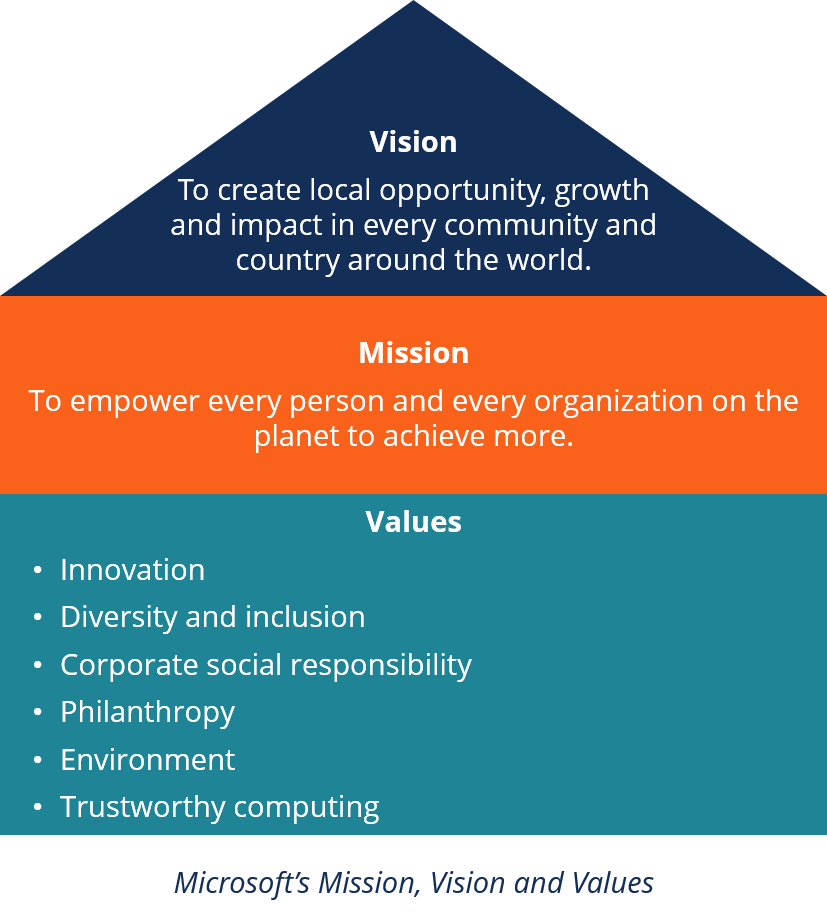
A distinct mission statement can be a powerful differentiator. While many companies may offer similar products or services, their underlying purpose and approach can be vastly different. By articulating its unique mission, a brand carves out a specific niche and communicates its unique value proposition. It tells the market not just what it does, but why it does it, and how it does it differently. This distinct identity helps a brand stand out from competitors, making it memorable and relevant to its target audience.
Crafting Your Brand’s Mission: A Practical Approach
Developing an effective mission statement is an iterative and reflective process. It requires introspection, collaboration, and a deep understanding of the brand’s essence.
Start with “Why”: Uncovering Your Purpose
Before drafting any words, leadership and key stakeholders must engage in a fundamental exploration of “why” the brand exists. What inherent problem does it solve? What unique value does it bring to the world? What impact does it aspire to have? This is not about what you sell, but what core need you meet. Techniques like the “5 Whys” can help peel back layers to reveal the foundational purpose. This initial phase of self-discovery is crucial for establishing an authentic and enduring mission.
Involve Key Stakeholders
A mission statement that truly reflects the brand should not be dictated from the top down. Involve a diverse group of stakeholders in the drafting process – including leadership, employees from different departments, and even potentially key customers or partners. This collaborative approach ensures that the mission resonates with everyone who contributes to and benefits from the brand. It also fosters a sense of ownership and commitment among internal teams, making the mission more likely to be embraced and lived out.
Keep it Concise, Clear, and Compelling
An effective mission statement is memorable and easy to understand. It should be concise enough to be recited and clear enough to be interpreted consistently by everyone. Avoid jargon, overly complex sentences, or vague generalities. The language should be inspiring and compelling, evoking a sense of purpose and direction that motivates action. Aim for a statement that is powerful in its simplicity and directness.
Ensure Authenticity and Actionability
The mission statement must be genuinely reflective of the brand’s true identity, values, and operations. There should be no disconnect between what the mission states and how the brand actually behaves. An inauthentic mission quickly loses credibility. Furthermore, the mission should be actionable – it should guide daily decisions and long-term strategies. It’s not just a statement of intent, but a blueprint for how the brand operates and makes its impact. Regularly review and reaffirm the mission to ensure it remains relevant and true to the brand’s evolving journey.
Mission vs. Vision vs. Values: Understanding the Nuances
While often discussed together, it’s essential to understand the distinct roles of mission, vision, and values in defining a brand’s identity and direction. Each plays a crucial, complementary role.
Mission: What We Do Now
As established, the mission statement defines the brand’s fundamental purpose and scope in the present. It describes what the brand does, for whom, and why it exists. It is the “here and now” of the brand’s operations and impact. Think of it as the journey the brand is currently undertaking.
Vision: Where We Want to Go
A vision statement, conversely, articulates the brand’s long-term aspirations and desired future state. It paints a vivid picture of what the brand hopes to achieve or become in the future, inspiring and providing a clear destination. If the mission is the journey, the vision is the ultimate destination – the impact the brand wishes to make on the world once its mission is fulfilled.
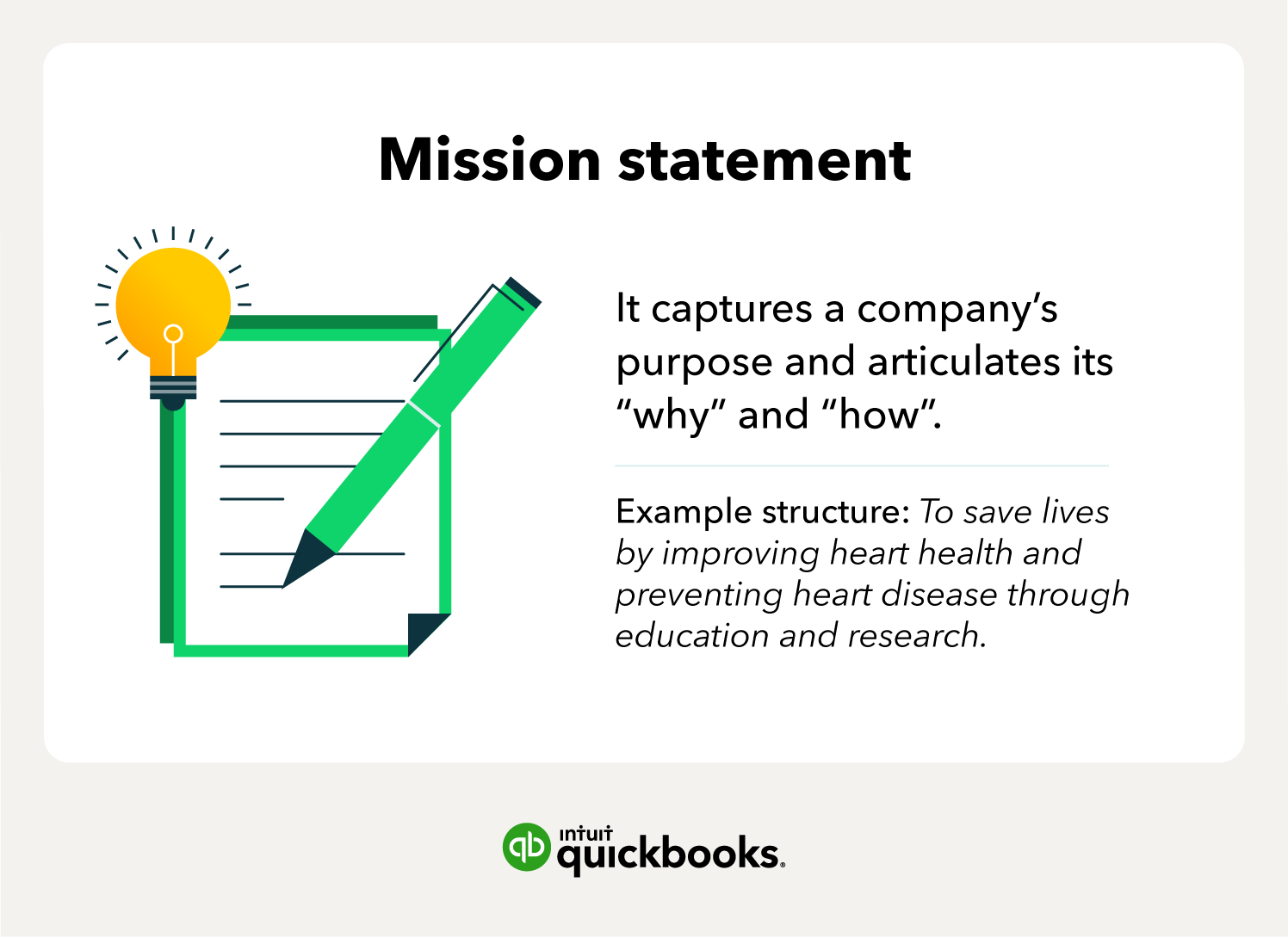
Values: How We Operate
Values are the deeply held principles and beliefs that guide a brand’s behavior and decisions. They define the ethical framework and culture within which the brand operates, influencing everything from hiring practices to customer service. Values dictate how the brand conducts its mission and pursues its vision, ensuring consistency and integrity in all interactions.
Together, these three elements form a comprehensive framework that defines a brand’s identity: its purpose (mission), its future aspiration (vision), and its guiding principles (values). Understanding and articulating each of these clearly is paramount for building a coherent, strong, and enduring brand.
aViewFromTheCave is a participant in the Amazon Services LLC Associates Program, an affiliate advertising program designed to provide a means for sites to earn advertising fees by advertising and linking to Amazon.com. Amazon, the Amazon logo, AmazonSupply, and the AmazonSupply logo are trademarks of Amazon.com, Inc. or its affiliates. As an Amazon Associate we earn affiliate commissions from qualifying purchases.