
A customer service position is far more than a mere help desk; it is the frontline representation of a company’s brand, a critical interface where corporate identity, values, and promises are either reinforced or eroded. In today’s competitive landscape, where products and services can often be commoditized, the quality of customer service frequently emerges as the key differentiator, directly impacting brand perception, loyalty, and market standing. These roles are pivotal in shaping how customers experience, remember, and ultimately advocate for a brand.
The Core Function: Protecting and Enhancing Brand Reputation
At its heart, a customer service position is an ambassadorial role, tasked with safeguarding and elevating a brand’s reputation. Every interaction, whether resolving an issue, providing information, or simply listening, contributes to the overall narrative a customer forms about a company. This direct engagement ensures that the brand’s commitment to its customers is palpable and consistently delivered.
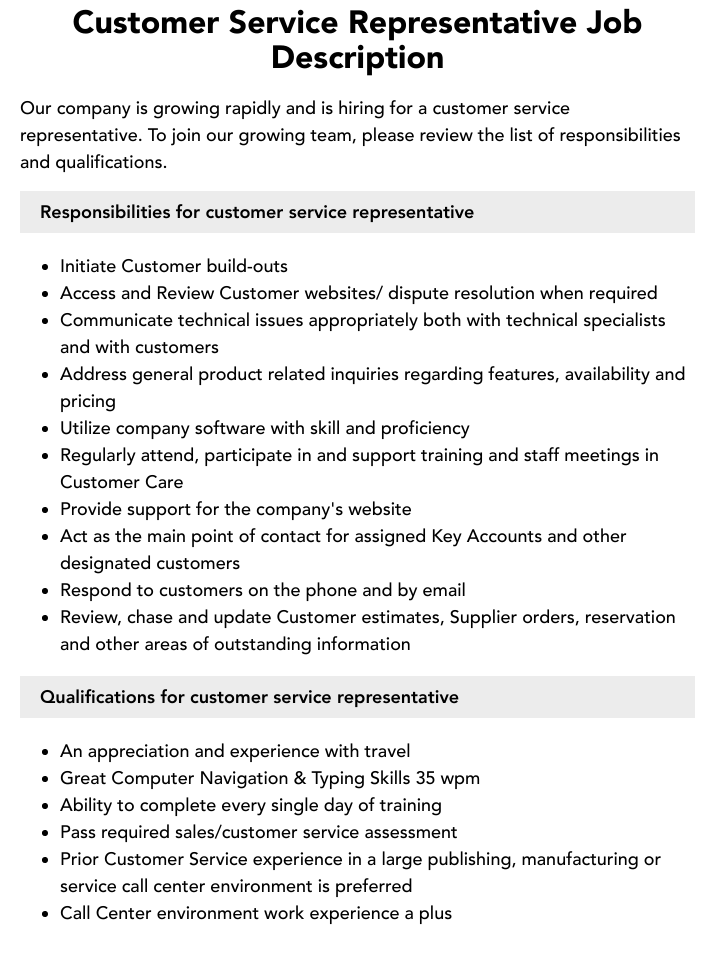
Brand Touchpoints and Customer Perception
Customer service professionals operate at vital brand touchpoints. These are moments of truth where a customer directly engages with the company, often with a specific need or concern. For many customers, the service interaction is the brand. A positive experience can transform a transactional relationship into one built on trust and affinity, reinforcing positive perceptions of the brand’s reliability, empathy, and efficiency. Conversely, a poor interaction can quickly damage reputation, leading to negative reviews, public complaints, and a significant loss of trust. The consistency and quality of these touchpoints directly correlate with overall brand health. It’s not just about fixing problems; it’s about crafting an experience that aligns with and elevates the brand promise, demonstrating that the company values its customers beyond the point of sale.
From Problem Resolution to Brand Advocacy
While problem resolution is a fundamental aspect of customer service, the most effective positions transcend this basic function to cultivate brand advocacy. A customer service representative who skillfully navigates a complex issue, demonstrates genuine empathy, and provides a swift, satisfactory solution doesn’t just resolve a problem; they transform a potentially negative experience into an opportunity to showcase the brand’s commitment to its customers. When customers feel heard, respected, and valued, they are far more likely to become vocal advocates for the brand, sharing positive experiences with their networks. This organic, word-of-mouth marketing is invaluable, offering a level of authenticity and credibility that traditional advertising struggles to match. It underscores the strategic importance of customer service as a proactive tool for reputation management and brand growth.
Building and Maintaining Corporate Identity Through Service
A customer service position plays an indispensable role in articulating and embedding a company’s corporate identity. The values, mission, and personality that a brand seeks to project are made tangible through the actions and communication style of its service team. This alignment ensures that the brand’s promise is not just an external marketing message but an internal operational principle.
Reflecting Brand Values in Every Interaction
Every company professes a set of brand values—innovation, integrity, customer-centricity, reliability, approachability. A customer service position is where these values are put into practice. If a brand touts “customer-centricity,” its service representatives must demonstrate active listening, empathy, and a genuine desire to help. If “efficiency” is a core value, service interactions should be streamlined, clear, and prompt. Training customer service teams to embody these specific brand values in their language, tone, problem-solving approach, and overall demeanor is crucial. It ensures that the brand’s identity is consistently communicated and experienced, turning abstract principles into concrete behaviors that resonate with customers. When an employee embodies the brand’s values, it creates a cohesive and trustworthy perception, strengthening the corporate identity in the minds of the consumer.
Consistency Across Channels

In an omnichannel world, customers interact with brands through myriad touchpoints: phone, email, chat, social media, in-person. A crucial aspect of maintaining corporate identity through customer service is ensuring a consistent brand experience across all these channels. A customer should feel the same level of care, receive similar messaging, and experience the same brand personality whether they are chatting online or speaking to a representative on the phone. This requires rigorous training, clear communication guidelines, and often, integrated technology platforms that provide a unified view of the customer journey. Inconsistent service or communication across channels can lead to customer confusion, frustration, and a fragmented brand image. Customer service positions are therefore responsible for upholding this uniform standard, acting as guardians of the brand’s voice and ethos across every possible interaction medium, thereby reinforcing a strong and coherent corporate identity.
Customer Service as a Marketing and Loyalty Engine
Beyond its reactive functions, a customer service position acts as a proactive marketing and loyalty engine. By delivering exceptional experiences, these roles not only retain existing customers but also transform them into advocates, effectively expanding the brand’s reach and enhancing its market appeal. In a landscape saturated with marketing messages, authentic positive customer experiences cut through the noise.
The Power of Word-of-Mouth and Referrals
Positive customer service experiences are inherently shareable. In an age dominated by social media and online reviews, a single exceptional interaction can quickly translate into widespread positive word-of-mouth marketing. Customers who feel genuinely satisfied and supported are highly likely to share their experiences with friends, family, and online communities. These personal recommendations and referrals carry immense weight, often being more trusted than traditional advertising. A customer service professional who goes above and beyond creates a ripple effect, turning a solitary customer into a network of potential new clients. This organic growth is invaluable for brands, providing cost-effective acquisition and bolstering overall brand equity. It highlights how a customer service position, while not directly a sales role, significantly contributes to the brand’s top-line growth through indirect marketing and reputation building.
Turning Service into a Competitive Advantage
In markets where products or services are largely undifferentiated, superior customer service can become the primary competitive advantage. Brands that consistently offer outstanding support build a reputation for reliability, care, and responsiveness that competitors struggle to match. This isn’t just about problem-solving; it’s about anticipating needs, personalizing interactions, and proactively engaging with customers to create memorable experiences. When service becomes a hallmark of the brand, it fosters deep customer loyalty, making customers less susceptible to competitor offerings or price wars. They choose to stay not just for the product, but for the experience of being valued and well-served. Therefore, investing in customer service positions and empowering these teams to deliver exceptional experiences is a strategic business decision that differentiates a brand and secures its long-term market position. It elevates the brand from being merely a provider of goods or services to a trusted partner in the customer’s journey.
The Strategic Role in Brand Development
A customer service position is not merely an operational function but a strategic asset in brand development. The direct interaction with customers provides an invaluable conduit for feedback, market insights, and opportunities for continuous improvement, directly influencing product evolution, service delivery, and overall brand strategy.
Feedback Loops for Product and Service Improvement
Customer service representatives are on the front lines, hearing directly from customers about their pain points, unmet needs, and desires. They collect a wealth of qualitative and quantitative data through their daily interactions—what features are confusing, which processes are frustrating, what new functionalities customers wish for. This direct, unfiltered feedback is a goldmine for product development and service refinement teams. Establishing robust feedback loops, where insights from customer service are systematically collected, analyzed, and channeled to relevant departments (product, marketing, operations), is crucial for brand evolution. It ensures that product roadmaps are customer-centric, marketing messages accurately reflect customer needs, and operational inefficiencies are addressed. By enabling this flow of information, customer service positions directly contribute to the continuous improvement of the brand’s offerings, ensuring they remain relevant, desirable, and competitive.

Anticipating Customer Needs and Market Shifts
Beyond reacting to current feedback, experienced customer service professionals often develop an intuitive understanding of emerging customer needs and subtle market shifts. They are the first to notice recurring themes in customer inquiries, identify patterns in complaints, or hear about competitor offerings. This intimate knowledge of the customer base allows them to anticipate future trends and potential issues. When these insights are effectively communicated to leadership, they can inform strategic decisions regarding new product lines, service expansions, or proactive communication campaigns. Therefore, customer service positions play a forward-looking role in brand strategy, helping companies adapt and innovate. They transform from mere problem solvers to vital intelligence gatherers, providing the groundwork for a brand to stay agile, relevant, and ahead of the curve in an ever-evolving market. This strategic input ensures the brand’s offerings continually align with customer expectations and market demands, solidifying its position and future growth.
aViewFromTheCave is a participant in the Amazon Services LLC Associates Program, an affiliate advertising program designed to provide a means for sites to earn advertising fees by advertising and linking to Amazon.com. Amazon, the Amazon logo, AmazonSupply, and the AmazonSupply logo are trademarks of Amazon.com, Inc. or its affiliates. As an Amazon Associate we earn affiliate commissions from qualifying purchases.