
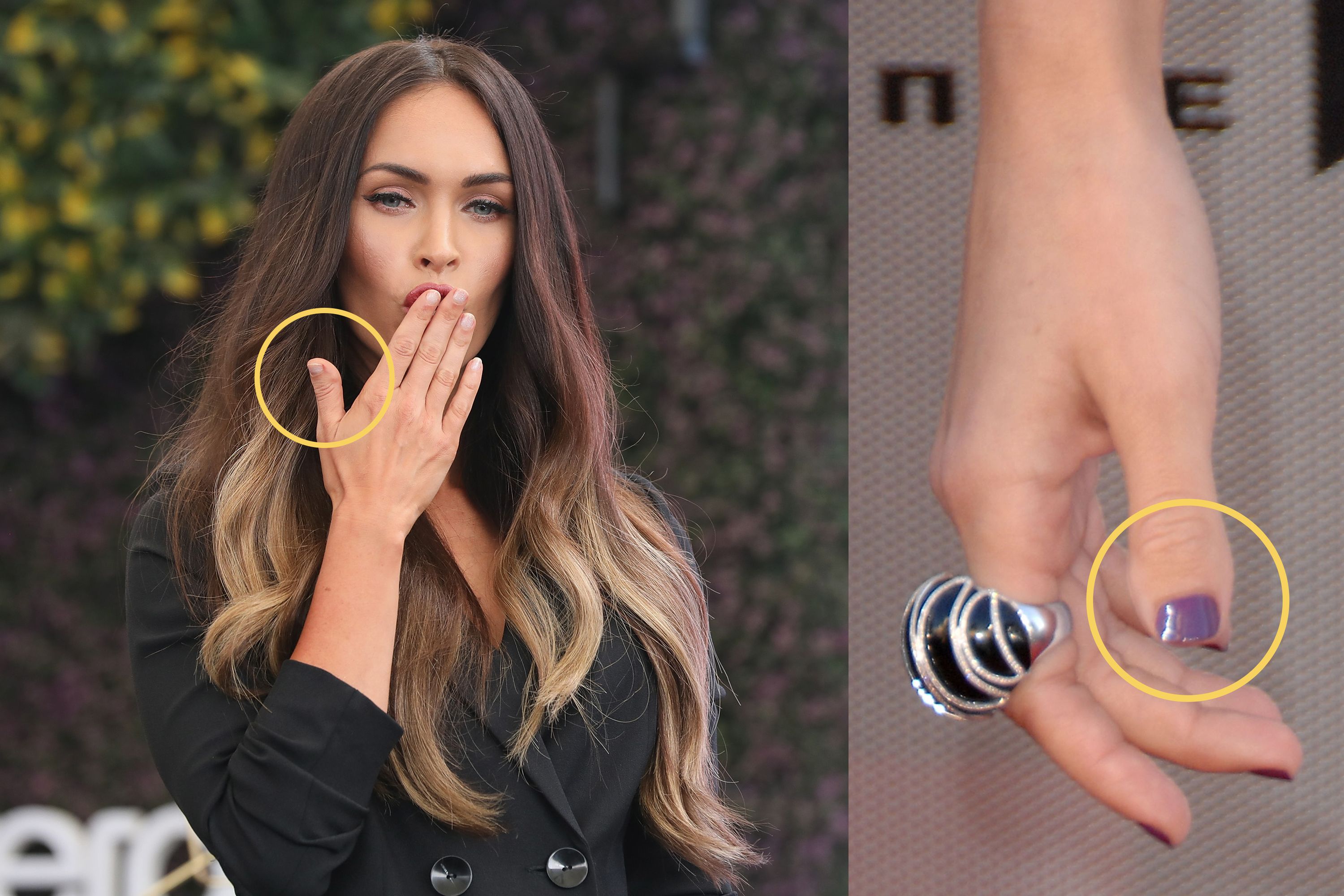
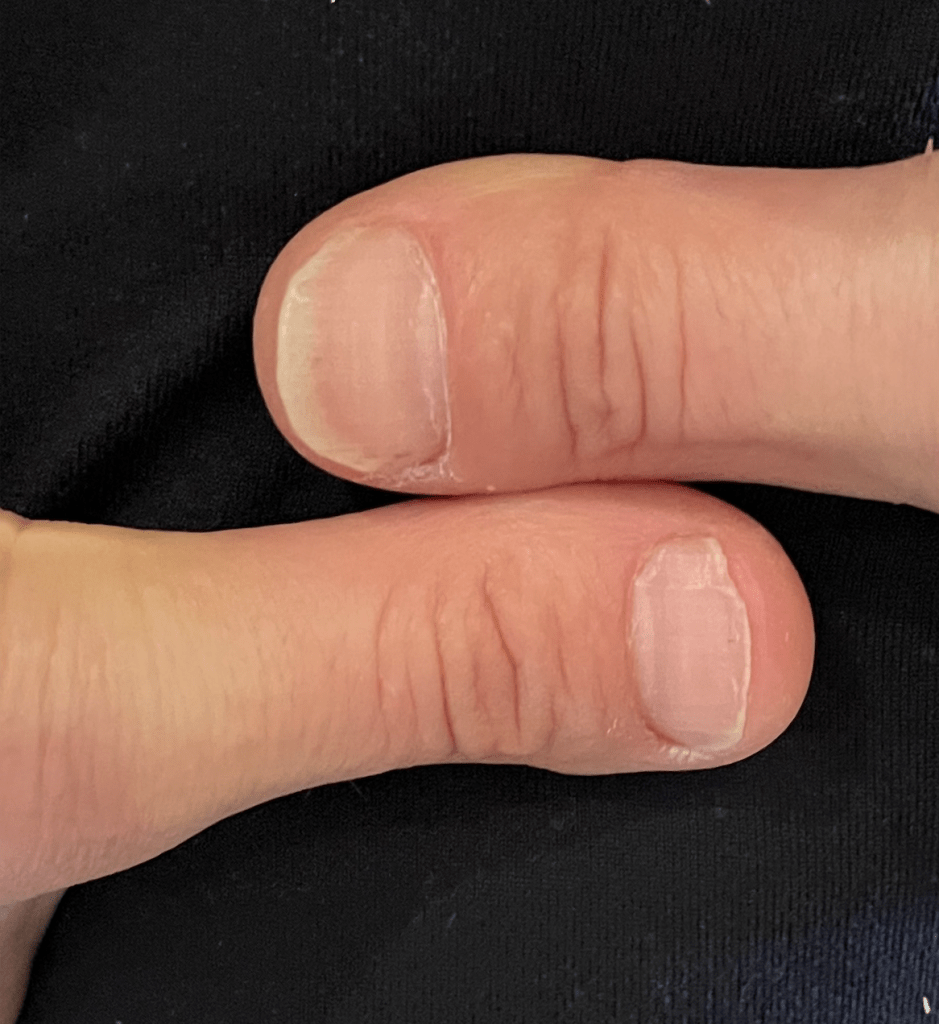
A “clubbed thumb,” scientifically known as Brachydactyly type A3, or sometimes referred to colloquially as a “stub thumb” or “potter’s thumb,” is a distinct morphological variation of the human digit. Characterized primarily by a noticeably shorter and wider appearance compared to typical thumbs, it frequently presents with a proportionately shorter distal phalanx (the outermost bone) and a broader, flatter nail bed. While functionally sound for most daily tasks, this unique anatomical configuration holds particular relevance and presents specific considerations within the rapidly evolving landscape of technology, especially concerning biometric security systems and inclusive gadget design.

The advent of biometric authentication has transformed how individuals interact with digital security, offering convenience and enhanced protection across smartphones, laptops, access control systems, and various internet-of-things (IoT) devices. These systems heavily rely on unique biological characteristics—such as fingerprints—to verify identity. For individuals with a clubbed thumb, this specific morphology can introduce nuances that impact the efficacy and user experience of standard biometric solutions, prompting deeper exploration into adaptive technologies and inclusive design principles within the tech sector.
Biometric Signatures: Navigating Unique Thumb Morphology in a Digital World
In the realm of digital security, a fingerprint is more than just a pattern of ridges and valleys; it’s a unique biometric signature. Fingerprint scanners, omnipresent in modern gadgets, are engineered to capture, process, and match these intricate patterns for authentication. The physical attributes of a clubbed thumb, however, can subtly challenge these established mechanisms, requiring a re-evaluation of design assumptions and algorithmic robustness.
The Challenge of Data Capture for Conventional Systems
Traditional fingerprint scanning technologies—whether optical, capacitive, or ultrasonic—are typically optimized for thumbs and fingers of average proportions. A clubbed thumb’s distinct characteristics can present several specific hurdles during the data capture phase:
- Reduced and Altered Surface Area: The shorter and wider nature of a clubbed thumb means its overall surface area, particularly the area containing the critical ridge patterns, might be different from the expected dimensions. Standard scanner windows or touch surfaces might not fully capture the entire, or even a representative, print. This incomplete data can lead to higher rates of false rejections, where a legitimate user is not recognized.
- Atypical Contours and Placement: The broader, sometimes flatter, tip of a clubbed thumb can make consistent placement on a small, conventional sensor challenging. Users might find it difficult to position their thumb in a way that allows the scanner to capture a clear and comprehensive image, leading to repeated attempts and a frustrating user experience.
- Algorithm Training Bias: Many legacy biometric algorithms were trained on datasets comprising predominantly average finger morphologies. While highly effective for the majority, these algorithms might not be as adept at accurately processing the unique ridge flow and pattern characteristics presented by a clubbed thumb, potentially impacting the reliability of matching.
- Consistency Issues: For users with a clubbed thumb, achieving consistent sensor contact and orientation across multiple authentication attempts can be harder. This inconsistency can further complicate the matching process, as the system tries to reconcile varied input data.
These challenges underscore a critical need for biometric systems to evolve beyond a “one-size-fits-all” approach, embracing the full spectrum of human physiological diversity.
Precision and Inclusion: Adapting Biometric Technology for Diverse Anatomies
The recognition that human anatomy exhibits variations, such as a clubbed thumb, is a powerful catalyst for innovation in biometric technology. The goal is to develop systems that are not only secure but also universally accessible and user-friendly, regardless of individual physical characteristics.
Software Algorithms and Machine Learning for Enhanced Recognition
The most significant strides in adapting to diverse biometrics come from advancements in artificial intelligence (AI) and machine learning (ML):
- Adaptive Pattern Recognition: Modern ML algorithms can be trained on extensive and diverse datasets that include a wide range of finger morphologies, including clubbed thumbs. This broad training enables them to learn and identify unique ridge patterns and features more robustly, even when the overall shape or size deviates from the norm.
- Intelligent Feature Extraction: Instead of relying solely on the holistic image of a fingerprint, advanced algorithms can extract and weigh “minutiae points”—specific points where ridges end or fork—more effectively. These individual features are present on a clubbed thumb just as they are on any other thumb, making the system less dependent on the thumb’s overall shape and more on the intrinsic patterns.
- Partial Print Reconstruction: AI-powered systems can now intelligently piece together partial prints or compensate for suboptimal contact, inferring the complete pattern from fragmented data. This capability is particularly beneficial for thumbs that might not fully cover a sensor.
- Continuous Learning: Many modern biometric systems employ continuous learning, where the algorithm refines its understanding and improves its matching accuracy with each successful authentication. This adaptive process allows the system to gradually “learn” and better recognize a user’s specific thumb characteristics over time.
Hardware Innovations in Sensing Technology
Alongside software advancements, hardware innovations are also playing a crucial role in creating more inclusive biometric solutions:
- Larger and More Flexible Sensing Surfaces: Manufacturers are developing fingerprint sensors with larger surface areas or more flexible designs that can accommodate a wider range of thumb sizes and shapes. This increases the likelihood of capturing a complete and accurate print, even for a clubbed thumb.
- Multi-Modal Biometrics: The integration of multiple biometric modalities into a single device offers redundancy and improved robustness. For instance, combining fingerprint scanning with subsurface vein recognition (which maps unique vein patterns using near-infrared light) provides an alternative authentication method that is less affected by surface characteristics or physical variations.
- 3D Biometric Capture: Emerging 3D fingerprint scanners can capture a three-dimensional model of the finger, moving beyond the limitations of flat 2D images. This rich data provides more comprehensive information, making authentication less sensitive to how the thumb is pressed or its exact morphology.
The Future of Digital Identity: Beyond the Fingerprint
While fingerprint technology continues to evolve, the broader trend in digital identity management is towards diversifying authentication methods. The challenges presented by physical variations like a clubbed thumb accelerate the adoption and development of alternative or supplementary biometric modalities within the tech landscape.
Emerging Biometric Modalities and AI Tools
- Facial Recognition: Already a dominant feature in many smartphones and access control systems, advanced facial recognition (especially 3D facial mapping) offers a primary or secondary authentication method entirely independent of hand morphology. AI tools are continually improving its accuracy and robustness even under varying conditions.
- Vein Recognition: As mentioned, this method captures unique vein patterns beneath the skin, offering a highly secure and robust alternative that is unaffected by external physical characteristics like finger shape, scars, or dirt. Its integration into keypads and access points is growing.
- Behavioral Biometrics: This innovative field analyzes unique user behaviors such as typing rhythm, gait, voice patterns, or even mouse movements. These methods are inherently inclusive as they rely on learned habits rather than static physical traits, offering seamless, continuous authentication in many digital environments. AI plays a critical role in learning and verifying these complex behavioral patterns.
- Iris and Retina Scanning: While less common in consumer gadgets due to hardware requirements, these ocular biometrics provide extremely high security and are completely independent of hand or finger anatomy, making them viable for specific high-security applications.
Integrating for Enhanced Security and Accessibility
The ultimate solution for comprehensive digital security and accessibility lies in the thoughtful integration of multi-factor and multi-modal authentication. For an individual with a clubbed thumb, this means:
- Greater Choice: Users can select the biometric method that works best for them, whether it’s an advanced fingerprint scanner, facial recognition, or even a behavioral biometric.
- Improved Redundancy: If one biometric method proves challenging, others are readily available, ensuring a smooth and secure user experience without resorting solely to less secure methods like PINs or passwords.
- Adaptive Systems: AI-driven systems can learn user preferences and adapt to provide the most seamless and secure authentication path, dynamically adjusting to environmental factors or individual variations.
The aim is to create intelligent, secure, and inclusive user authentication journeys across all digital platforms and devices, ensuring that access is a right, not a privilege determined by anatomy.
Inclusive Tech Design: A Mandate for the Digital Age
The considerations around a clubbed thumb in biometric authentication are a microcosm of a larger imperative in the technology industry: inclusive design. As technology permeates every facet of life, it is crucial that its development not only addresses the average user but also champions universal accessibility.
Understanding the spectrum of human physiological variations, including conditions like a clubbed thumb, directly informs the creation of more robust, equitable, and widely usable technology. This extends beyond biometrics to ergonomic design for gadgets, interface accessibility for diverse visual or auditory needs, and even AI development that avoids inherent biases.
As AI and advanced sensing become more pervasive, the ability of technology to adapt to and accurately interpret human variability will be a cornerstone of truly intelligent and inclusive systems. The goal is to build a digital world where physical differences are acknowledged and accommodated, ensuring that digital security and access are universally available, reflecting the rich diversity of its users.
aViewFromTheCave is a participant in the Amazon Services LLC Associates Program, an affiliate advertising program designed to provide a means for sites to earn advertising fees by advertising and linking to Amazon.com. Amazon, the Amazon logo, AmazonSupply, and the AmazonSupply logo are trademarks of Amazon.com, Inc. or its affiliates. As an Amazon Associate we earn affiliate commissions from qualifying purchases.