
When the term “battered woman” is used, the immediate image often conjures physical violence. However, a profound and often insidious component of domestic abuse, one that entraps victims as effectively as any locked door, is financial abuse. Understanding what it means to be a battered woman, therefore, requires a deep dive into the economic mechanisms of control and the pathways to financial liberation. This article will explore the multifaceted nature of financial abuse, its impact on a survivor’s ability to achieve independence, and the crucial financial strategies and tools available for rebuilding a secure future.
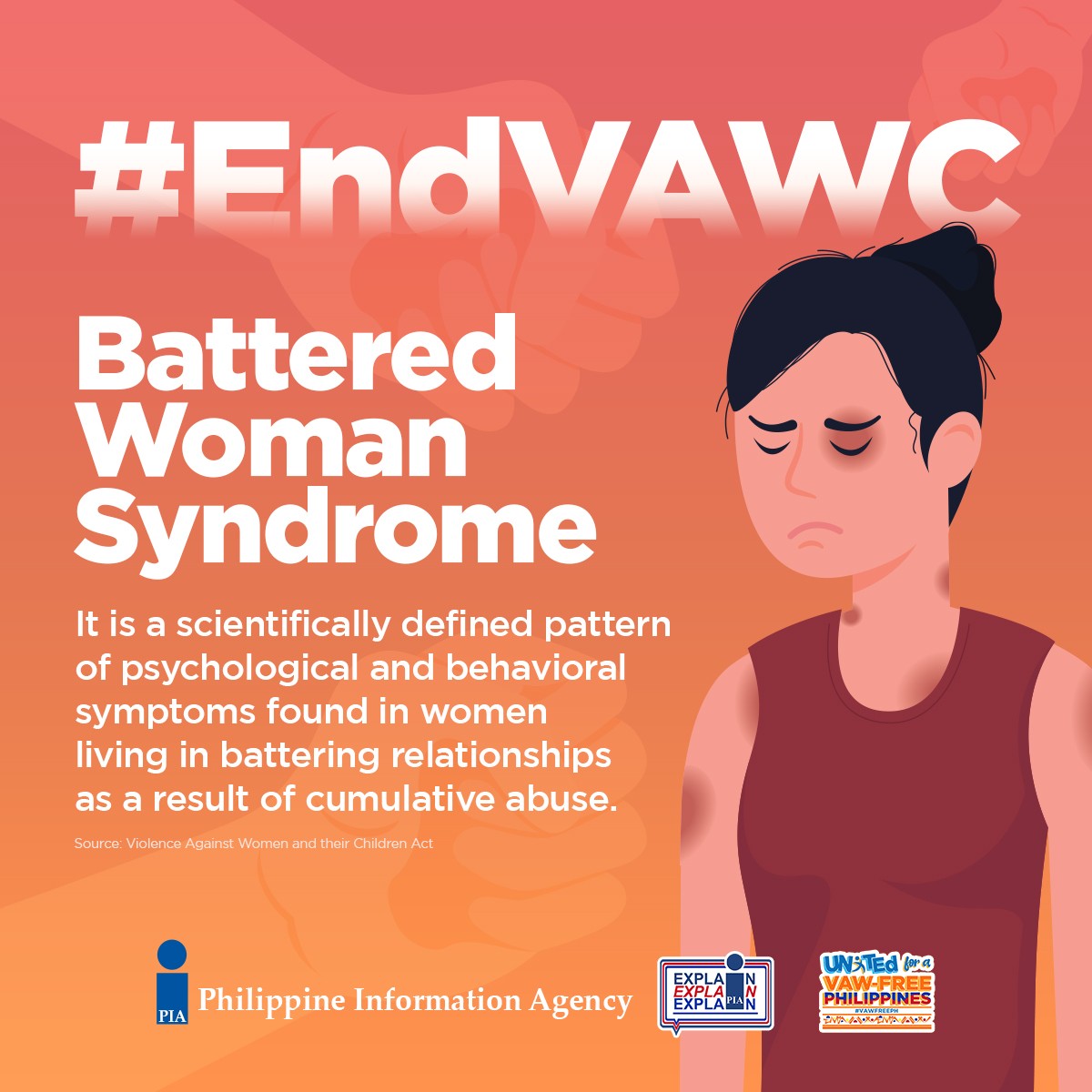
Beyond Physical Scars: The Invisible Wounds of Financial Abuse
Financial abuse is a pervasive tactic used by abusers to exert power and control over their partners, stripping them of their autonomy and often rendering them economically dependent. It is a defining characteristic of many abusive relationships, often co-occurring with emotional, psychological, and physical violence. For a woman experiencing financial battering, the freedom to make independent choices, pursue employment, or even access basic necessities like food and shelter can be severely curtailed.
Defining Financial Abuse Tactics
Financial abuse manifests in numerous ways, each designed to isolate and control:
- Controlling Access to Funds: This can range from demanding paychecks, refusing to allow the victim to work, or strictly monitoring and controlling every penny spent. The abuser might provide an inadequate “allowance” or require detailed accounting for all expenditures, creating a sense of constant surveillance and powerlessness.
- Sabotaging Employment and Education: An abuser might prevent a partner from attending work or school, sabotage job interviews, or harass them at their workplace until they lose their job. This ensures the victim remains financially dependent and isolated from potential support networks.
- Accumulating Debt in the Victim’s Name: Abusers often open credit cards, take out loans, or incur significant debt using the victim’s identity or coercing them into signing agreements. This leaves the victim with a damaged credit history and substantial financial obligations, severely limiting future financial stability.
- Withholding Necessities: Denying money for food, medicine, clothing, or shelter is a common tactic, creating an immediate and pressing sense of vulnerability. This forces the victim to rely entirely on the abuser, even for basic survival.
- Exploiting Joint Accounts: While joint accounts can be practical, an abuser might drain them, deny the victim access, or make significant financial decisions without consent, leaving the victim with no recourse or funds.
- Coercion and Threats: Threatening to report the victim to authorities for fabricated financial improprieties, or to damage their credit if they leave, are common coercive tactics that maintain control.
These actions collectively create a state of economic entrapment, making it incredibly difficult for a battered woman to envision or execute an escape plan.
Economic Entrapment: How Financial Control Sustains Abuse
The insidious nature of financial abuse lies in its ability to create a “golden cage”—a situation where a victim may desperately want to leave but feels utterly incapable due to a lack of financial resources and independence. This economic dependency is a powerful barrier to freedom, prolonging the cycle of abuse.
The True Cost of Leaving
For a battered woman, the decision to leave is fraught with immense financial challenges:
- Lack of Emergency Funds: Most victims of financial abuse have no personal savings or emergency fund, making it impossible to secure safe alternative housing, transportation, or even food for themselves and any dependents.
- Damaged Credit and Debt: Abusers often leave their victims with ruined credit scores and significant debt. This makes renting an apartment, securing a loan, or even getting utilities in their name nearly impossible, compounding the housing crisis.
- Employment Barriers: Years of employment sabotage or forced unemployment mean a lack of recent work history, references, and relevant skills, making job searching incredibly difficult. Many also face childcare issues without financial means.
- Legal Fees: Pursuing protective orders, divorce proceedings, or child custody arrangements incurs substantial legal costs, which are often insurmountable for a financially abused individual.
- Hidden Assets: Abusers often hide assets, making it challenging for victims to claim their rightful share in a divorce or separation, further disadvantaging them.

This web of financial obstacles can make leaving seem impossible, reinforcing the abuser’s control and forcing many victims to return to dangerous situations. The psychological toll of this financial insecurity cannot be overstated; it erodes self-worth and perpetuates the cycle of abuse.
Pathways to Fiscal Freedom: Rebuilding Financial Autonomy
For a battered woman to truly escape the cycle of abuse and reclaim her life, achieving financial independence is paramount. This journey requires careful planning, strategic resource utilization, and often, a significant amount of courage and perseverance.
Laying the Groundwork for Financial Escape
Before leaving, if safety permits, several financial steps can be taken:
- Secret Savings: If possible, discreetly begin saving small amounts of money in an account unknown to the abuser, or in cash. Even a small fund can be critical for initial escape.
- Gathering Documentation: Secure vital financial documents, such as birth certificates, Social Security cards, tax returns, bank statements, and insurance policies. Keep them in a safe, accessible place outside the home, if possible (e.g., with a trusted friend or in a safe deposit box).
- Assessing Financial Standing: Discreetly gather information on all joint accounts, debts, and assets. Understanding the current financial landscape is crucial for future planning.
- Building Credit (if safe): If the victim has no credit history or a poor one, explore options for building or rebuilding credit in their own name, such as secured credit cards, if it can be done without the abuser’s knowledge.
Strategies for Post-Separation Financial Stability
Once out of the abusive situation, the focus shifts to long-term financial recovery:
- Establishing Separate Finances: Open new bank accounts in your name only, and ensure the abuser has no access. Update beneficiaries on insurance policies and retirement accounts.
- Creating a Budget and Financial Plan: Work with a financial counselor to create a realistic budget, identifying income sources and essential expenses. Prioritize immediate needs like housing, food, and childcare.
- Credit Repair: Address any debt accumulated by the abuser in your name. This may involve disputing fraudulent charges, negotiating with creditors, and slowly rebuilding a positive credit history. Several non-profit organizations specialize in credit counseling for survivors.
- Employment and Education: Focus on securing stable employment. Utilize job placement services, vocational training, and educational programs specifically designed to help survivors re-enter the workforce. Many organizations offer resume building, interview coaching, and career counseling.
- Seeking Legal Financial Assistance: Consult with legal aid services regarding child support, spousal support, and equitable division of assets during divorce proceedings. Protective orders can often include financial provisions, such as temporary support or exclusive use of marital property.
Financial Tools and Resources for Survivors
Numerous organizations and governmental programs are dedicated to assisting battered women in achieving financial independence. Accessing these resources is a critical step in breaking free from economic entrapment.
.1).jpg)
Key Resources and Support Systems:
- Domestic Violence Shelters and Advocacy Organizations: These centers often provide not only safe housing but also financial counseling, job readiness programs, legal advocacy referrals, and connections to community resources. They understand the unique financial challenges survivors face.
- Credit Counseling Services: Non-profit credit counseling agencies can help survivors understand their credit reports, dispute fraudulent debt, create debt management plans, and rebuild their credit scores.
- Legal Aid Societies: These organizations offer free or low-cost legal assistance for issues like divorce, child support, protection orders, and debt relief, all crucial components of financial recovery.
- Government Assistance Programs:
- Temporary Assistance for Needy Families (TANF): Provides temporary financial assistance for families.
- Supplemental Nutrition Assistance Program (SNAP): Offers food assistance.
- Housing Assistance Programs: Various programs exist to help secure safe and affordable housing, including Section 8 vouchers.
- Unemployment Benefits: If recently employed, these can provide a crucial safety net.
- Financial Literacy Programs: Many community organizations and online platforms offer free courses on budgeting, saving, investing, and understanding personal finance.
- Microloan Programs: Some non-profits offer small loans to survivors for specific needs like starting a business or paying for education.
Being a battered woman is a devastating experience, and its financial dimensions are often overlooked but critically important. Recognizing financial abuse as a central component of battering is the first step toward understanding the depth of the challenge. Empowering survivors with financial knowledge, tools, and resources is not just about economic stability; it is about restoring dignity, agency, and the fundamental freedom to live a life free from control and fear.
aViewFromTheCave is a participant in the Amazon Services LLC Associates Program, an affiliate advertising program designed to provide a means for sites to earn advertising fees by advertising and linking to Amazon.com. Amazon, the Amazon logo, AmazonSupply, and the AmazonSupply logo are trademarks of Amazon.com, Inc. or its affiliates. As an Amazon Associate we earn affiliate commissions from qualifying purchases.