
In today’s interconnected world, the ability to effectively communicate with others is not merely a desirable trait, but a fundamental requirement for success across all facets of life. From navigating the complex landscapes of technology and building a powerful brand to mastering personal finance and business ventures, the bedrock of achievement lies in our capacity to connect, understand, and be understood. This is where interpersonal communication skills come into play. But what exactly do these skills entail, and why are they so crucial in the realms of Tech, Brand, and Money?
Interpersonal communication refers to the process by which people exchange information, ideas, thoughts, and feelings through various verbal and nonverbal cues. It’s a dynamic, two-way street involving both sending and receiving messages, and it goes far beyond simply speaking or writing. It encompasses our ability to listen actively, interpret body language, empathize with others, resolve conflicts constructively, and build rapport. Essentially, it’s the art of connecting with another human being on a meaningful level, fostering understanding, and driving desired outcomes.
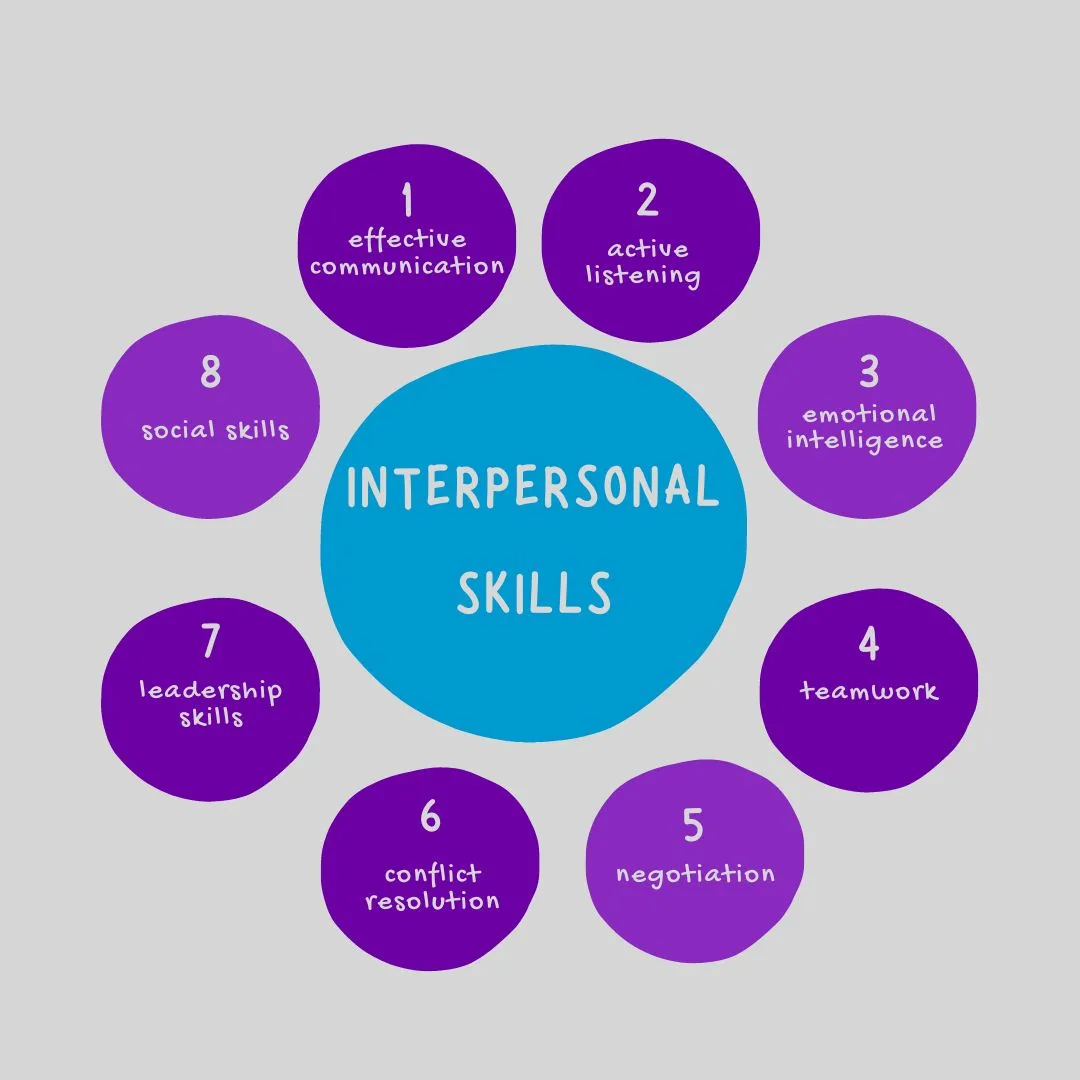
In the context of the topics covered by this website – Tech, Brand, and Money – mastering interpersonal communication skills unlocks a world of opportunities. In the fast-paced world of technology, where innovation and collaboration are paramount, effective communication can mean the difference between a groundbreaking product and a missed opportunity. For those building and nurturing brands, whether personal or corporate, the ability to articulate a vision and connect with an audience is non-negotiable. And in the realm of money, where trust, negotiation, and clear financial advice are vital, strong interpersonal skills are the silent engine of prosperity.
The Foundation of Effective Connection: Understanding the Core Components
At its heart, interpersonal communication is a multi-faceted skill set that can be broken down into several key components. Understanding these pillars is the first step towards developing and honing your abilities.
Active Listening: The Art of Truly Hearing
Perhaps the most critical, yet often overlooked, aspect of interpersonal communication is active listening. This is not simply about hearing the words someone is speaking, but about fully concentrating, understanding, responding, and remembering what is being said. Active listening involves:
- Paying Full Attention: Minimizing distractions, making eye contact (when culturally appropriate), and orienting your body towards the speaker demonstrates that you are engaged.
- Showing You’re Listening: Using verbal cues like “uh-huh,” “I see,” and nodding your head can encourage the speaker to continue. Nonverbal cues are just as important.
- Providing Feedback: Paraphrasing what you’ve heard (“So, if I understand correctly, you’re saying…”) and asking clarifying questions (“Could you tell me more about…?”) ensures you’ve grasped the message accurately and shows the speaker their words are valued.
- Deferring Judgment: Avoiding interruption and reserving judgment until the speaker has finished their thoughts allows for a more open and honest exchange.
- Responding Appropriately: Your response should be thoughtful and relevant to what has been discussed, demonstrating that you have processed the information.
In the Tech world, active listening is crucial for understanding user feedback, collaborating with diverse development teams, and deciphering complex technical requirements. Without it, projects can go astray, and innovative ideas can be misinterpreted.
Verbal Communication: Clarity, Conciseness, and Impact
While nonverbal cues are vital, the words we choose and how we articulate them play a significant role in interpersonal communication. Effective verbal communication involves:
- Clarity and Conciseness: Expressing your thoughts and ideas in a clear, direct, and easy-to-understand manner. Avoiding jargon or overly complex language is essential, especially when communicating with individuals outside your immediate field.
- Appropriate Tone and Language: The tone of your voice can convey a wide range of emotions. Using a tone that is respectful, confident, and empathetic is key. Similarly, choosing words that are appropriate for the audience and situation builds rapport.
- Asking Effective Questions: Well-crafted questions can elicit valuable information, demonstrate interest, and guide conversations productively. Open-ended questions, in particular, encourage detailed responses.
- Providing Constructive Feedback: Delivering feedback in a way that is helpful and actionable, focusing on behavior rather than personality, is a hallmark of strong interpersonal skills.
For Brand building, verbal communication is your voice. Whether crafting marketing copy, delivering a presentation, or engaging with customers, the way you speak shapes perceptions and builds connections. In finance, clear explanations of complex financial concepts are paramount for building trust and ensuring clients make informed decisions.
Nonverbal Communication: The Unspoken Language
A significant portion of our communication is nonverbal. This encompasses our body language, facial expressions, gestures, posture, and even the use of space. Nonverbal cues can either reinforce or contradict our verbal messages, making them incredibly powerful. Key aspects include:
- Body Language: Open posture, appropriate eye contact, and mirroring the other person’s posture can foster a sense of connection and trust. Conversely, closed-off body language can create distance.
- Facial Expressions: A smile, a frown, or a look of concern can convey a wealth of emotion and understanding, or a lack thereof.
- Gestures and Posture: Hand gestures can add emphasis or illustrate a point, while posture can communicate confidence or insecurity.
- Proxemics (Use of Space): Understanding and respecting personal space is crucial for comfort and avoiding misunderstandings.
In Tech, understanding nonverbal cues can help in team dynamics, particularly in diverse global teams where cultural interpretations can vary. In Brand management, a confident and open demeanor in presentations or customer interactions can significantly enhance perceived credibility. For Money matters, understanding nonverbal cues can help gauge a client’s comfort level or identify unspoken concerns.
Interpersonal Communication in the Digital Age: Bridging the Gaps
The rise of technology has fundamentally reshaped how we communicate, introducing new challenges and opportunities for interpersonal skills. While digital tools offer unprecedented connectivity, they can also create barriers to genuine human connection if not used mindfully.
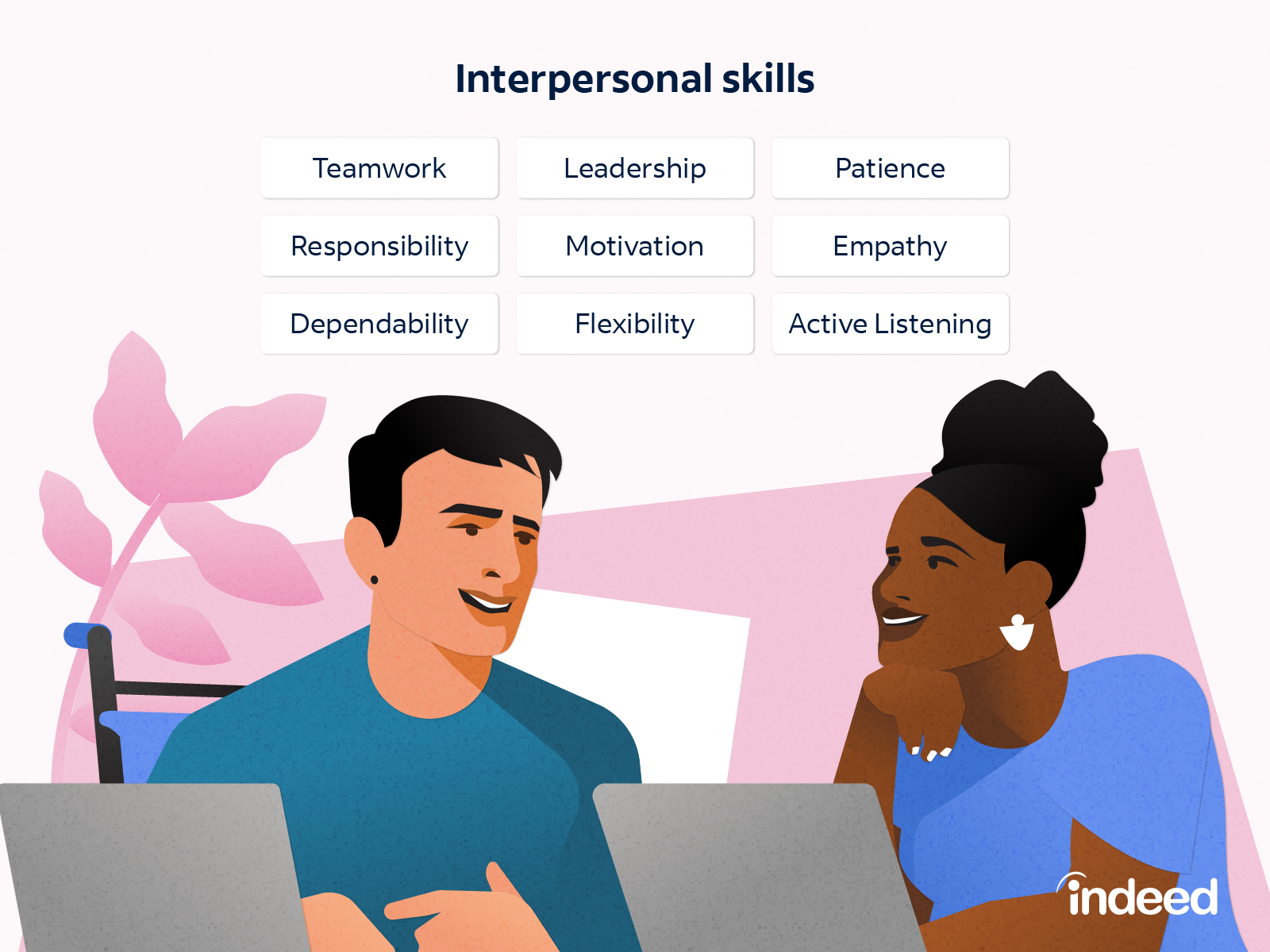
Navigating Digital Platforms: Email, Messaging, and Video Calls
The way we communicate on digital platforms requires a distinct set of interpersonal skills.
- Email Etiquette: Crafting clear, concise, and polite emails, using appropriate subject lines, and responding in a timely manner are essential. Misunderstandings can easily arise from a lack of tone or context in written communication.
- Instant Messaging and Chat Apps: While these platforms encourage brevity, it’s important to maintain clarity and avoid ambiguity. Emojis and GIFs can sometimes bridge the gap in conveying emotion, but over-reliance can also lead to misinterpretation.
- Video Conferencing: This has become a cornerstone of modern communication. Effective video conferencing involves maintaining eye contact with the camera, actively listening to participants, and being mindful of your background and nonverbal cues. It requires a conscious effort to replicate the nuances of in-person interaction.
In the Tech industry, where remote work and global collaboration are prevalent, mastering digital communication is paramount. For Brands, consistent and professional communication across all digital channels is vital for maintaining a strong online presence. In the realm of Money, conducting virtual consultations requires a high degree of trust and clarity, which can be challenging to build without face-to-face interaction.
The Nuances of Virtual Empathy and Connection
Building rapport and demonstrating empathy can be more challenging in a digital environment. Without the benefit of immediate nonverbal feedback, it requires a more deliberate approach.
- Intentional Empathy: Actively seeking to understand the other person’s perspective, even when it’s not immediately apparent through their digital communication. This might involve asking clarifying questions or acknowledging their expressed feelings.
- Building Trust Remotely: Consistency in communication, transparency, and reliability are key to building trust in virtual interactions.
- Recognizing and Addressing Misunderstandings: Being proactive in seeking clarification when a message seems unclear or has been misinterpreted.
In Tech, strong virtual empathy can foster stronger team cohesion and innovation. For Brands, showing genuine care and understanding through digital interactions can significantly enhance customer loyalty. In Money, building trust with clients remotely is crucial for long-term relationships and successful financial planning.
Interpersonal Communication for Success: Tech, Brand, and Money
The application of interpersonal communication skills is not theoretical; it has tangible and profound impacts across the domains of Tech, Brand, and Money.
Driving Innovation and Collaboration in Tech
The Tech industry is characterized by rapid change, complex problem-solving, and the need for constant collaboration. Interpersonal skills are the invisible glue that holds these elements together.
- Teamwork and Project Management: Effective communication is essential for seamless teamwork, ensuring everyone understands their roles, deadlines, and objectives. This minimizes errors and maximizes efficiency.
- User Experience (UX) and Customer Support: Understanding user needs and pain points, often through active listening and empathetic communication, is fundamental to creating successful products. Excellent customer support relies heavily on the ability to resolve issues calmly and effectively.
- Pitching Ideas and Securing Investment: Whether it’s a startup founder pitching to investors or a developer presenting a new feature, compelling communication is vital for conveying enthusiasm, technical feasibility, and market potential.
Building and Maintaining a Powerful Brand
A brand is more than just a logo; it’s a perception, an experience, and a relationship with its audience. Interpersonal communication skills are at the core of shaping this perception.
- Brand Storytelling: Effectively communicating the brand’s mission, values, and unique selling propositions in a way that resonates with the target audience.
- Customer Engagement and Relationship Management: Building loyalty through responsive, empathetic, and consistent communication across all touchpoints. This includes social media interactions, customer service, and marketing campaigns.
- Internal Branding: Ensuring that employees understand and embody the brand’s values, which starts with clear and consistent internal communication.
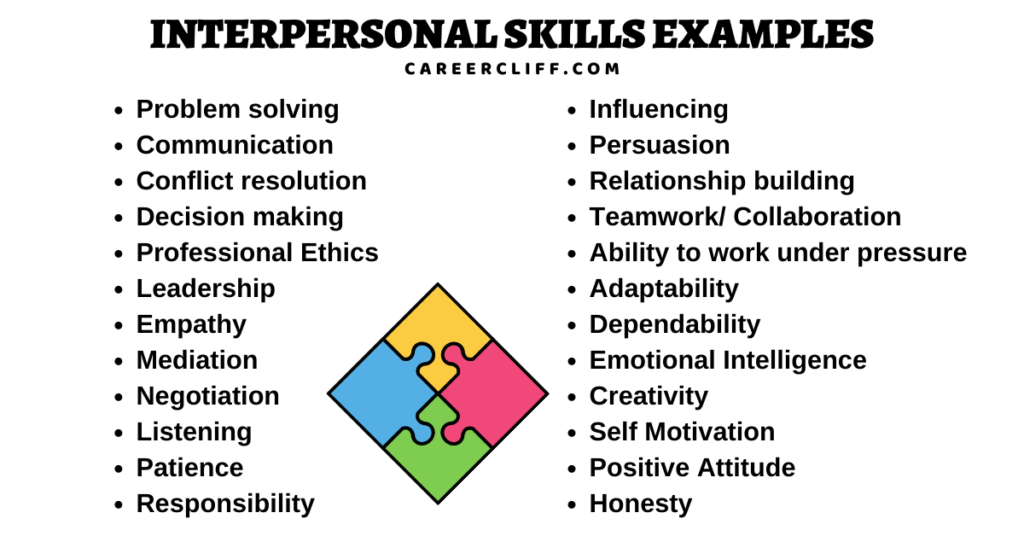
Fostering Financial Well-being and Business Growth
In the realm of Money, trust, clarity, and negotiation are paramount. Interpersonal skills are the bedrock of successful financial interactions.
- Client Relationships: Financial advisors, bankers, and accountants rely on their ability to build rapport, understand client needs, and communicate complex financial information in an accessible way.
- Negotiation and Sales: Whether negotiating a salary, a business deal, or a loan, strong interpersonal skills are crucial for achieving favorable outcomes.
- Leadership and Team Management: For business owners and managers, effective communication fosters a productive work environment, drives employee motivation, and ultimately contributes to financial success.
In conclusion, what does interpersonal communication skills mean? It means the ability to connect, understand, and influence others effectively through a combination of verbal and nonverbal cues. In the dynamic worlds of Tech, Brand, and Money, mastering these skills is not just an advantage; it’s a fundamental requirement for innovation, growth, and lasting success. By actively listening, communicating with clarity and empathy, and understanding the nuances of both in-person and digital interactions, individuals and organizations can unlock their full potential and navigate the complexities of the modern landscape with confidence and proficiency.
aViewFromTheCave is a participant in the Amazon Services LLC Associates Program, an affiliate advertising program designed to provide a means for sites to earn advertising fees by advertising and linking to Amazon.com. Amazon, the Amazon logo, AmazonSupply, and the AmazonSupply logo are trademarks of Amazon.com, Inc. or its affiliates. As an Amazon Associate we earn affiliate commissions from qualifying purchases.