
When contemplating the unwelcome event of a scorpion bite, the immediate thoughts often gravitate towards the physiological effects: pain, swelling, and potential systemic reactions. However, beyond the acute medical concerns lies a significant, often overlooked dimension: the profound financial ramifications. A scorpion bite, particularly from a venomous species, can trigger a cascade of economic impacts, ranging from immediate emergency medical expenses to long-term income disruption and the broader economic ripple effects on communities and industries. Understanding these monetary implications is crucial for financial preparedness and risk mitigation.
The Immediate Financial Aftermath: Emergency Care Costs
The instant a scorpion’s telson delivers its venom, a financial clock starts ticking. Emergency medical care is almost universally required, even for bites from less dangerous species, due to the intense pain and the need to rule out severe envenomation. These initial interventions can incur substantial costs, rapidly depleting emergency funds or testing the limits of health insurance coverage.
Understanding Medical Billing for Scorpion Envenomation
An emergency room (ER) visit alone can be costly, often involving facility fees, physician fees, and various diagnostic tests. For a scorpion bite, these may include blood tests to monitor for systemic effects, electrocardiograms (ECGs) to check heart function, and imaging scans if secondary complications are suspected. Pain management, a critical component of initial treatment, can involve powerful analgesics, adding to the pharmacy bill.
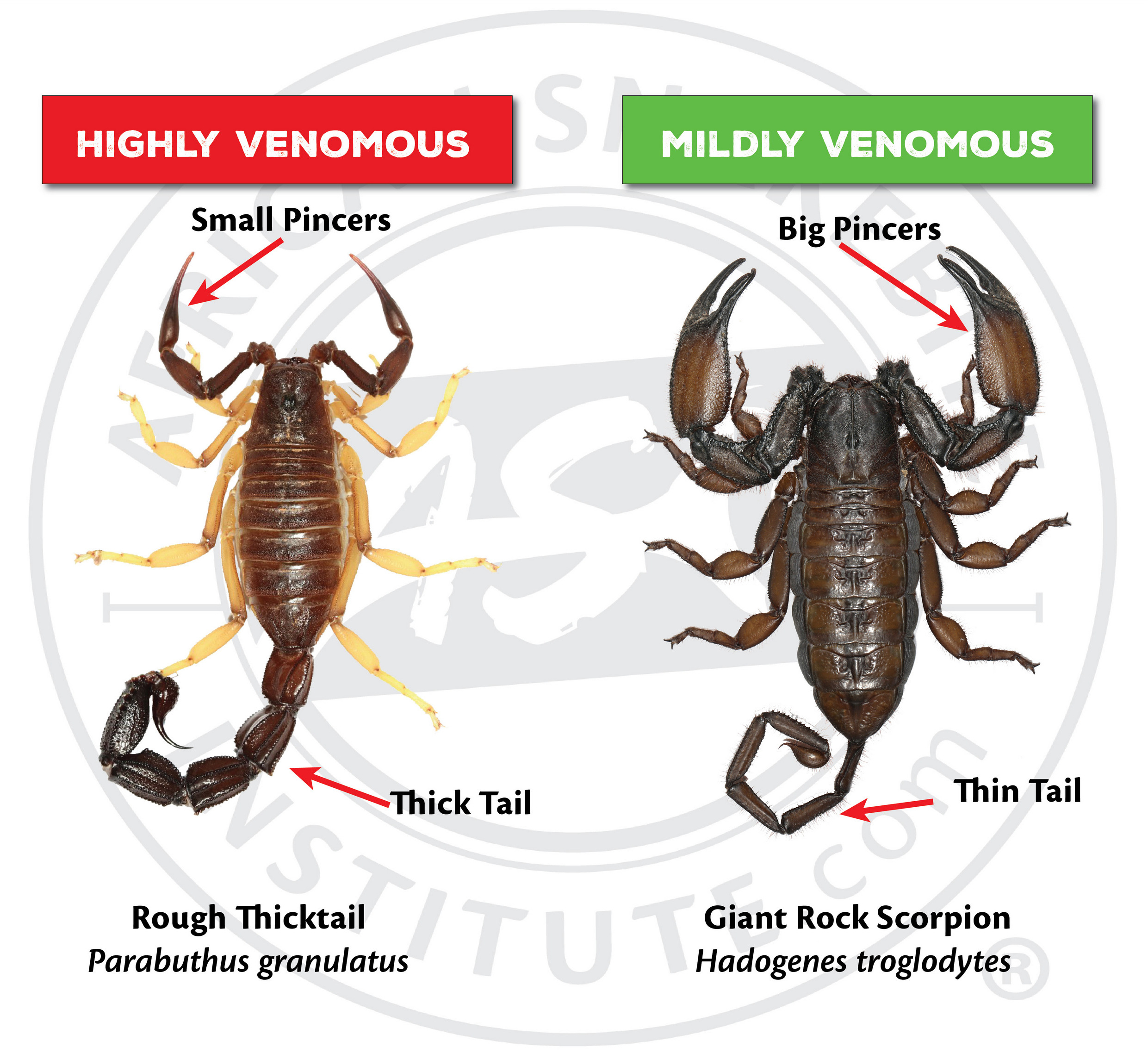
The most significant expense, however, is often the administration of antivenom. Scorpion antivenom is a specialized pharmaceutical product, expensive to produce and typically administered only in cases of severe envenomation, particularly from highly venomous species like the Arizona bark scorpion or certain African and Middle Eastern scorpions. A single dose of antivenom can cost thousands, or even tens of thousands, of dollars. Multiple doses may be required, pushing the total cost of treatment into stratospheric figures. These charges encompass not just the drug itself but also the associated administration fees, monitoring during infusion, and any necessary follow-up care. Without adequate insurance, these bills can quickly become a significant financial burden.
The Uninsured Reality: Direct Out-of-Pocket Expenses
For individuals lacking comprehensive health insurance, or those with high-deductible plans, the financial burden of a scorpion bite can be catastrophic. The uninsured are left to shoulder the full weight of ER fees, diagnostic tests, antivenom, and follow-up consultations. Even with discounted rates for self-pay patients, these costs can accumulate to an unmanageable sum, leading to medical debt, bankruptcy, and long-term financial instability.
A high-deductible plan, while offering lower monthly premiums, places a substantial initial financial responsibility on the policyholder before insurance benefits fully kick in. A severe scorpion bite, especially one requiring antivenom, could easily exhaust the deductible and tap into the out-of-pocket maximum for the year. While reaching the out-of-pocket maximum provides a cap, it still represents a significant unplanned expenditure that many households are ill-prepared to meet without dipping into savings or incurring debt.
Navigating Insurance and Reimbursement
Understanding your health insurance policy is paramount when faced with an unexpected medical emergency like a scorpion bite. The extent of coverage, network restrictions, and specific benefit structures will dictate the final out-of-pocket cost.
Health Insurance Coverage: What to Expect
Most standard health insurance plans will cover emergency medical treatment for a scorpion bite. However, the exact percentage covered and your financial responsibility will depend on several factors. Deductibles must often be met before the insurer begins paying a significant portion of the costs. Co-pays apply to ER visits and specialist consultations. Coinsurance, a percentage of the medical bill you are responsible for after your deductible is met, can still result in substantial payments, especially for high-cost treatments like antivenom.
Furthermore, out-of-network care can exponentially increase costs. If the ambulance takes you to an ER that is not in your insurance network, or if an out-of-network specialist is consulted during your treatment, you could be subject to balance billing, where the provider charges you the difference between their fee and what your insurance pays. Reviewing your policy’s emergency care provisions and understanding your network limitations before an incident occurs is a critical step in financial preparedness.
Travel Insurance Considerations
For individuals traveling internationally or even domestically away from their home region, travel insurance becomes an invaluable financial safeguard against unexpected medical emergencies, including scorpion bites. Standard health insurance plans may offer limited or no coverage outside your home country, and even within the country, out-of-state networks can present challenges.
A comprehensive travel insurance policy typically includes medical expense coverage, which can cover ER visits, hospital stays, physician fees, and prescribed medications, including antivenom. Crucially, many policies also offer emergency medical evacuation, which can be vital if a bite occurs in a remote area requiring transport to a better-equipped medical facility. The financial burden of an international medical evacuation can easily run into tens or hundreds of thousands of dollars, making travel insurance a relatively inexpensive investment for peace of mind and financial protection.
Worker’s Compensation and Occupational Hazards
In certain professions, the risk of a scorpion bite is an occupational hazard. This applies to outdoor workers in endemic regions, such as those in construction, agriculture, landscaping, mining, or utility maintenance. If a scorpion bite occurs during work hours and is directly related to job duties, it may be covered under worker’s compensation insurance.
Worker’s compensation typically covers all medical expenses associated with the injury, including ER visits, specialist care, antivenom, rehabilitation, and prescribed medications. It can also provide wage replacement benefits if the employee is unable to work due to the injury, thus mitigating the financial impact of lost income. Employers in high-risk industries must ensure they are compliant with worker’s compensation laws, and employees should be aware of their rights and the proper procedures for filing a claim if such an incident occurs.
Long-Term Financial Implications and Preparedness
While the immediate medical bills are often the most pressing financial concern, a scorpion bite, particularly a severe one, can have enduring economic consequences that extend beyond the initial treatment phase.
Loss of Income and Productivity
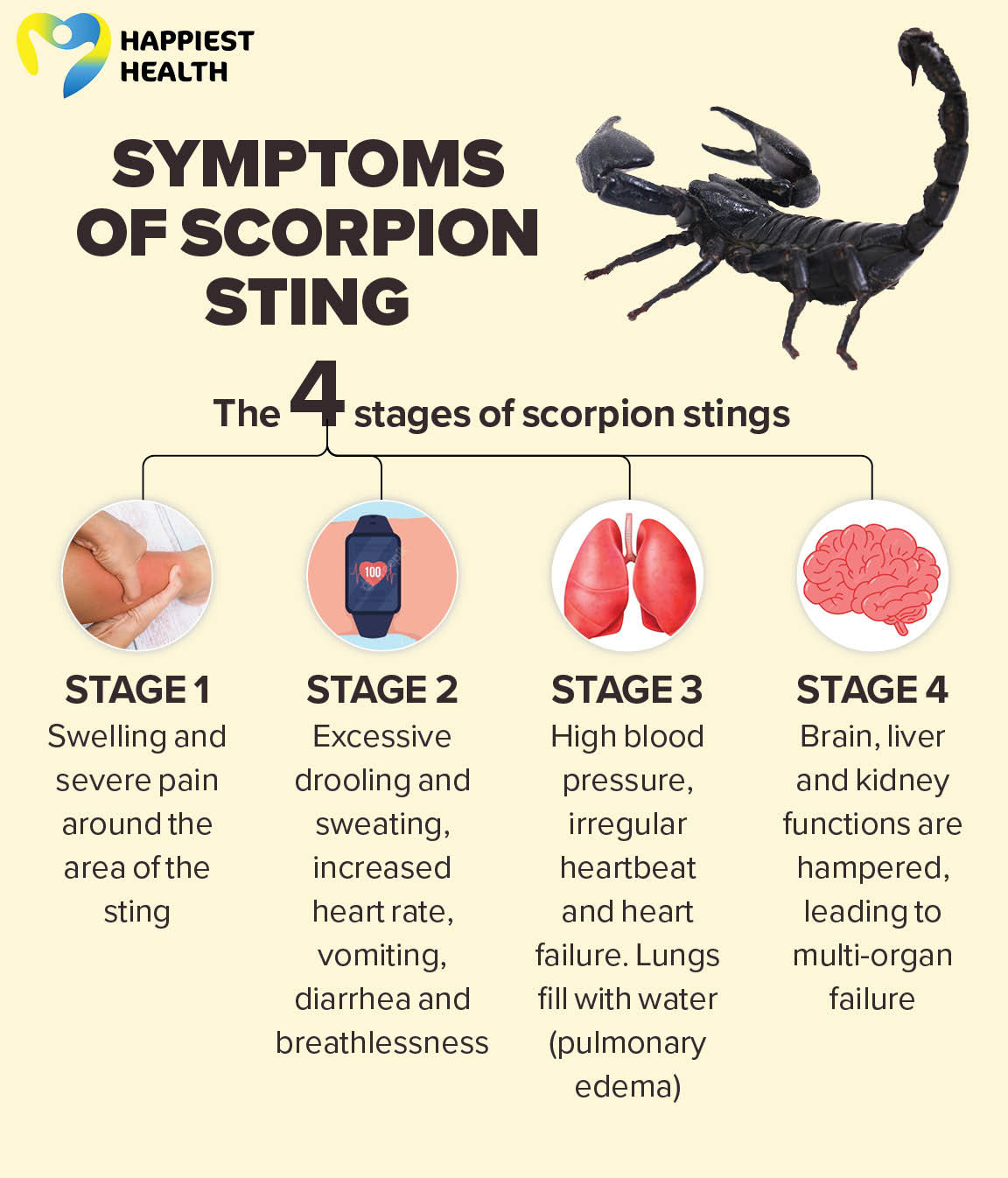
A severe scorpion bite can incapacitate an individual for days, weeks, or even longer, depending on the severity of envenomation and individual recovery time. The intense pain, nausea, muscle spasms, and other systemic effects can render a person unable to perform their job duties. For hourly wage earners, this directly translates to lost income. Salaried employees might deplete their sick leave or be forced to take unpaid leave.
Beyond direct lost wages, there’s the broader impact on productivity. Even after returning to work, residual pain, fatigue, or anxiety might reduce efficiency and output. For self-employed individuals or small business owners, an extended period of incapacitation can mean a halt in operations, lost clients, and significant financial setbacks that threaten the viability of their enterprise. This highlights the importance of disability insurance, especially for those whose livelihoods depend on physical presence or specific skills.
Financial Planning for Medical Emergencies
The unpredictable nature of events like a scorpion bite underscores the critical need for robust personal financial planning focused on emergency preparedness.
An emergency fund, ideally holding three to six months’ worth of living expenses, serves as the first line of defense against unexpected medical bills, deductibles, or periods of lost income. Access to liquid funds prevents the need to incur high-interest debt or liquidate investments prematurely.
Health Savings Accounts (HSAs), available to those with high-deductible health plans, offer a triple tax advantage: tax-deductible contributions, tax-free growth, and tax-free withdrawals for qualified medical expenses. HSAs can be a powerful tool for saving specifically for healthcare costs, including those arising from a scorpion bite, while also providing a long-term investment vehicle for future medical needs.
Critical illness insurance is another financial product worth considering. While not specifically for scorpion bites, it provides a lump-sum payment upon diagnosis of certain specified critical conditions. While a scorpion bite itself might not qualify, severe, long-lasting complications or organ damage resulting from envenomation might. This payout can be used to cover medical expenses, lost income, or any other financial needs during recovery, offering a crucial safety net.
Mitigating Risk: Investing in Prevention
An often-overlooked aspect of financial preparedness is proactive investment in prevention. For individuals living in or frequenting areas endemic to scorpions, investing in professional pest control services can be a financially prudent decision. Regular treatments can reduce scorpion populations around homes and businesses, thereby significantly lowering the risk of a bite.
Similarly, allocating a small budget for protective gear, such as sturdy shoes and gloves, when engaging in outdoor activities, or budgeting for thorough home inspections and sealing entry points, can prevent costly medical emergencies down the line. These preventative measures, while representing an upfront cost, are often dwarfed by the potential financial burden of a severe scorpion envenomation.
The Economic Ripple Effect
Beyond individual financial implications, the occurrence of scorpion bites can have broader economic consequences, affecting local industries, public health systems, and pharmaceutical markets.
Impact on Tourism and Local Economies
Regions known for their diverse wildlife, including scorpions, often rely heavily on tourism. A perception of high risk from dangerous animals, even if statistically low, can deter visitors. News of severe scorpion bites, particularly affecting tourists, can damage a region’s reputation, leading to a decline in tourism revenue, impacting hotels, restaurants, tour operators, and related businesses. Local governments may then face increased pressure to invest in public health campaigns, safety advisories, and emergency medical infrastructure, diverting funds from other public services. The economic cost of reputation management and restoring tourist confidence can be substantial.

Pharmaceutical Investment: The Antivenom Market
The development, production, and distribution of scorpion antivenom represent a specialized and often challenging pharmaceutical market. Research and development (R&D) costs are high, given the specific venom antigens required and the relatively niche demand compared to blockbuster drugs. This often results in high pricing for the end product. Pharmaceutical companies must balance R&D investment with market viability, especially in regions with high incidence but limited purchasing power.
Moreover, ensuring equitable access to antivenom is a global public health challenge. The financial dynamics of this market directly influence the availability and affordability of life-saving treatment, particularly in developing countries where scorpion envenomation is a significant public health issue. Governments and international organizations often play a crucial role in subsidizing or procuring antivenom to ensure its accessibility, representing another layer of economic impact.
In conclusion, while the immediate physical sensation of a scorpion bite is undeniable, the subsequent financial consequences are equally profound and multifaceted. From the moment of envenomation, a financial journey unfolds, encompassing emergency medical costs, insurance navigation, potential income loss, and the need for robust financial preparedness. Understanding these monetary dimensions is not merely an academic exercise; it is an essential component of personal and public economic resilience in regions where scorpions pose a real, albeit often unseen, financial threat.
aViewFromTheCave is a participant in the Amazon Services LLC Associates Program, an affiliate advertising program designed to provide a means for sites to earn advertising fees by advertising and linking to Amazon.com. Amazon, the Amazon logo, AmazonSupply, and the AmazonSupply logo are trademarks of Amazon.com, Inc. or its affiliates. As an Amazon Associate we earn affiliate commissions from qualifying purchases.