
The Flint water crisis, a harrowing chapter in American public health and governance, extends far beyond the immediate concerns of contaminated water. At its core, the crisis represents a profound failure of public finance, infrastructure management, and risk assessment, culminating in a financial catastrophe with ramifications that continue to unfold years later. Understanding “what happened” through a financial lens reveals the true cost of neglected infrastructure, compromised public trust, and short-sighted cost-cutting measures.
The Genesis of a Financial Catastrophe: Short-Sighted Savings, Long-Term Debt
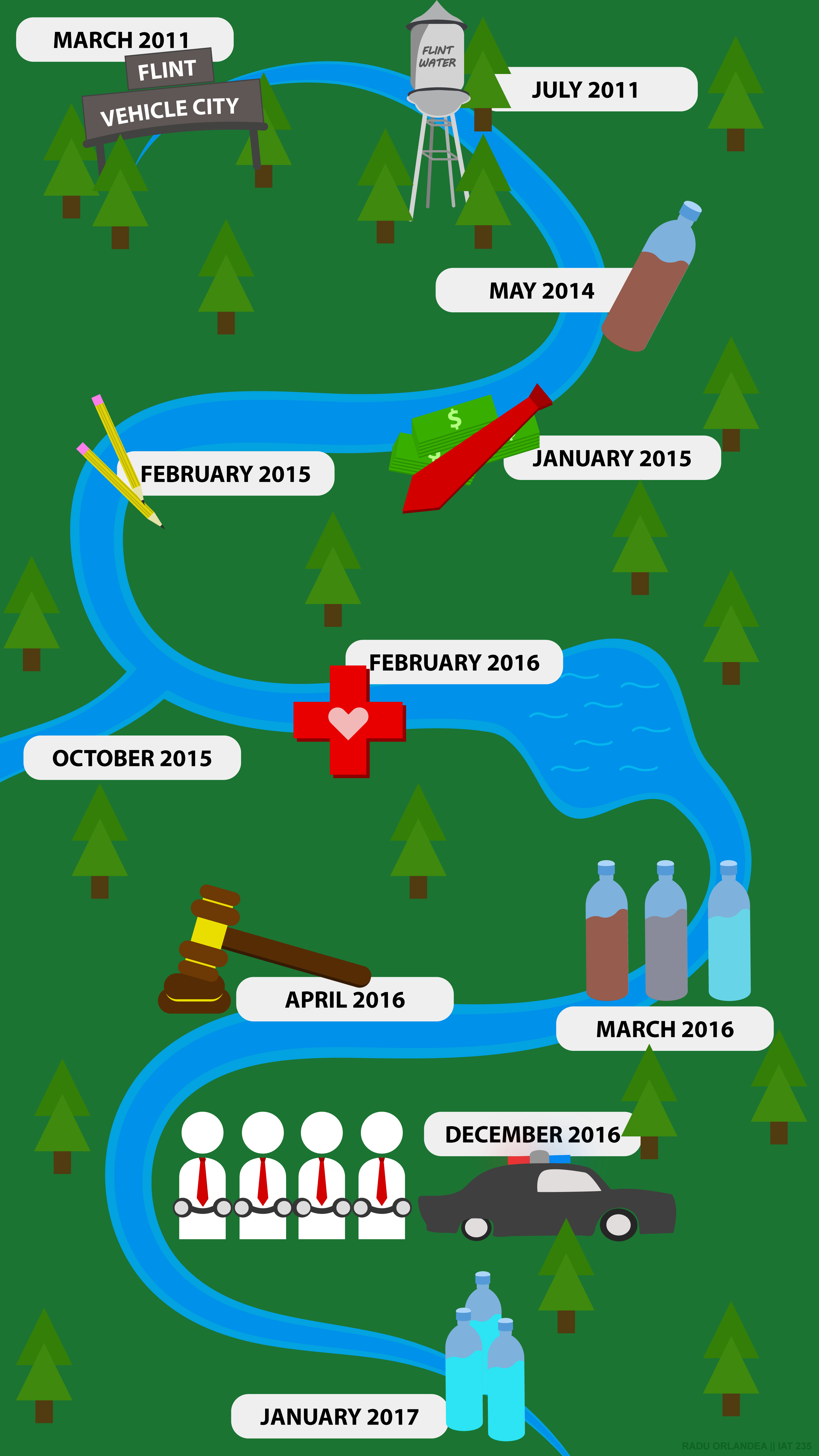
The roots of the Flint water crisis are inextricably linked to a series of financial decisions made under duress and oversight. In 2011, Michigan appointed an emergency manager to oversee Flint’s finances, a city grappling with significant debt and economic decline. The explicit mandate was to cut costs and restore fiscal solvency. This imperative set the stage for a decision that would ultimately cost billions.

The Cost-Cutting Decision
In April 2014, to save an estimated $5 million over two years, Flint switched its water source from treated Lake Huron water supplied by Detroit to the Flint River, an industrialized waterway. The plan was to use the Flint River water temporarily while a new regional pipeline was built. The crucial oversight, however, was the failure to properly treat the highly corrosive Flint River water with anti-corrosion chemicals. This omission, made presumably to save on chemical costs, triggered a catastrophic chemical reaction within the city’s aging lead service lines and household plumbing. Lead, a potent neurotoxin, began leaching into the drinking water, affecting nearly 100,000 residents. The initial “savings” of $5 million quickly ballooned into an unparalleled financial burden.
Immediate Financial Repercussions for Residents
While the broader financial impact would take years to quantify, residents faced immediate and tangible financial strain. Many were forced to purchase bottled water for drinking, cooking, and even bathing for extended periods. This unforeseen household expense, often for families already struggling financially, represented a regressive tax on basic necessity. Simultaneously, property values began to plummet as the city’s reputation suffered, eroding a significant portion of residents’ wealth and further complicating their financial stability. The dual burden of unexpected expenses and diminishing assets created a deep sense of economic insecurity and injustice.
The Staggering Price Tag of Negligence: Infrastructure and Health Liabilities
The financial fallout from the Flint water crisis quickly escalated from a few million in “saved” costs to billions in actual expenditures, legal liabilities, and economic damage. This catastrophic reversal underscores the profound financial risk associated with public infrastructure neglect and inadequate regulatory oversight.
Infrastructure Overhaul and Public Works Expenditure
The most direct and quantifiable financial consequence has been the monumental cost of overhauling Flint’s water infrastructure. The process of replacing thousands of lead and galvanized steel service lines across the city has been a massive undertaking, requiring substantial state and federal funding. Estimates for the pipe replacement project alone have ranged from $100 million to over $500 million, depending on the scope and unforeseen challenges encountered. This figure, however, only covers the direct cost of pipe replacement. It does not include the extensive costs associated with water quality monitoring, temporary alternative water supplies (bottled water distribution), communication campaigns, and the operational expenses of managing a city in crisis mode. The federal government, through various acts and appropriations, committed significant funds, but the burden also fell heavily on Michigan state taxpayers.
Healthcare Costs and Long-Term Medical Liabilities
Beyond the physical infrastructure, the human cost of the crisis translates directly into vast healthcare expenditures and long-term medical liabilities. Exposure to lead, particularly in children, can lead to irreversible developmental delays, cognitive impairment, and behavioral issues. Adults can experience kidney damage, cardiovascular problems, and neurological effects. The financial implications include:
- Direct medical treatment: For lead poisoning, related illnesses, and ongoing health monitoring.
- Special education services: For children with lead-induced developmental issues, placing a long-term financial strain on the local school system and state educational budgets.
- Public health programs: Funding for nutritional assistance (lead absorption is exacerbated by poor nutrition), early intervention programs, and mental health services to address trauma and stress within the community.
- Research and data collection: To understand the full scope of health impacts and inform future public health strategies.
Quantifying these long-term health costs is incredibly challenging but undeniably runs into the hundreds of millions, if not billions, over the lifetime of affected individuals. This represents an ongoing financial drain on public health systems and personal finances, underscoring the true cost of preventable public health disasters.
Legal Battles and Monumental Settlements
The financial ramifications of the Flint water crisis were magnified by extensive litigation, culminating in some of the largest government settlements in U.S. history for a public health crisis. These legal battles sought to compensate victims and assign financial accountability for the failures that led to the crisis.
Class-Action Lawsuits and Victim Compensation Funds
Numerous lawsuits were filed against the State of Michigan, the City of Flint, state employees, and private engineering firms involved in the water management. The most significant financial resolution came in August 2020, when the State of Michigan agreed to a $600 million settlement for victims of the crisis. This fund was allocated primarily to children (who faced the most severe long-term health risks), adults, property owners, and businesses affected by the contaminated water. Subsequently, other defendants, including private engineering firms, contributed additional funds, pushing the total settlement to over $626 million.
This settlement represents an enormous financial outlay, funded primarily by state taxpayers, designed to address the catastrophic harms inflicted. The process of distributing these funds is complex, involving legal teams, administrators, and meticulous claims processing, each carrying its own administrative costs that further add to the total financial burden.
Government Accountability and Penalties
Beyond civil settlements, the crisis led to criminal charges against various state and local officials for their roles in the contamination and subsequent cover-up. While many of these charges were later dropped or dismissed, the legal process itself consumed vast financial resources in prosecution, defense, and investigations. The indirect financial costs included the erosion of public trust, leading to increased scrutiny and potentially higher borrowing costs for municipal bonds in the future, as investors might perceive a higher risk in cities with a history of governance failures. The financial lessons from this accountability process are stark: systemic failures incur immense financial penalties, both direct and indirect.
Economic Fallout and Community Financial Resilience
The ripple effect of the Flint water crisis extended into the city’s broader economy, impacting property values, local businesses, and long-term investment prospects. The crisis highlighted how a public health disaster can trigger a severe economic downturn, complicating efforts toward financial recovery.
Property Value Depreciation and Housing Market Instability
Immediately following the revelation of lead contamination, property values in Flint plummeted. Homes with lead service lines became undesirable, making sales difficult and drastically reducing homeowner equity. This depreciation impacted residents’ personal wealth, their ability to secure loans, and the city’s property tax base, further straining municipal finances. While long-term recovery efforts are underway, the stigma associated with the crisis continues to affect the housing market, posing a significant challenge to rebuilding financial stability for many residents.
Business Interruption and Local Economic Strain
Local businesses also suffered significantly. Restaurants and food service establishments faced consumer distrust regarding water quality, even if they used bottled water or specialized filtration systems. Other businesses struggled with a diminished customer base as residents left the city or reduced spending. The crisis deterred new investment and business relocation, hindering job creation and economic diversification efforts. The cumulative effect was a prolonged period of economic stagnation, making it harder for the city to generate the tax revenue needed for essential services and long-term recovery.
The Road to Recovery: Investments and Ongoing Costs
Flint’s path to recovery involves ongoing financial commitments. Beyond pipe replacement and legal settlements, there are continuous investments in water quality monitoring, public health initiatives, and community development programs aimed at rebuilding the city’s economic and social fabric. Federal and state grants have been crucial, but the city itself must manage its budget carefully to sustain these efforts. The long-term financial health of Flint hinges on its ability to attract and retain residents and businesses, requiring sustained financial support and strategic investments to overcome the deep-seated economic challenges exacerbated by the water crisis.
Lessons in Public Finance and Infrastructure Investment
The Flint water crisis serves as an unparalleled case study in the catastrophic financial consequences of prioritizing short-term savings over long-term public health and infrastructure integrity. Its lessons are vital for municipal finance officers, policymakers, and taxpayers across the nation.
Prioritizing Preventative Spending Over Crisis Management
The most glaring financial lesson from Flint is the astronomical difference between the cost of preventative maintenance and crisis management. The estimated $5 million saved by not properly treating Flint River water pales in comparison to the billions spent on pipe replacement, healthcare, legal settlements, and economic recovery. This stark contrast emphasizes that investing proactively in infrastructure upgrades, robust regulatory oversight, and adequate public health protections is not merely a social good but a sound financial strategy. Deferring maintenance and cutting corners on critical services invariably leads to exponentially higher costs down the line.
The True Cost of “Saving Money”
The crisis exposed a critical flaw in financial decision-making processes where immediate budget cuts were prioritized without a comprehensive risk assessment of their long-term economic and human costs. Decision-makers failed to account for contingent liabilities—the potential future financial obligations arising from present actions or omissions. The “savings” were illusory, masked by an inability or unwillingness to fully calculate the potential cost of lead exposure, infrastructure failure, litigation, and reputational damage. This highlights the need for sophisticated financial modeling that integrates public health, environmental, and social impact assessments into budgetary decisions.

Future-Proofing Municipal Finances
Flint underscores the need for resilient municipal financial strategies. Cities must develop robust emergency funds, implement transparent budgeting practices, and ensure accountability mechanisms are in place for decisions impacting public health and safety. Furthermore, there is a clear imperative for sustained investment in aging infrastructure across the country, much of which predates modern environmental standards and materials. Financial tools such as dedicated infrastructure bonds, public-private partnerships, and federal funding programs are crucial. However, these must be coupled with rigorous oversight and a commitment to prioritizing long-term public welfare over short-term budgetary expediency to prevent another Flint.
In conclusion, the Flint water crisis is a sobering financial tale. It is a testament to how fiscal conservatism, when misapplied, can precipitate not only a public health disaster but also an economic catastrophe that burdens generations and serves as a stark warning about the true cost of neglect.
aViewFromTheCave is a participant in the Amazon Services LLC Associates Program, an affiliate advertising program designed to provide a means for sites to earn advertising fees by advertising and linking to Amazon.com. Amazon, the Amazon logo, AmazonSupply, and the AmazonSupply logo are trademarks of Amazon.com, Inc. or its affiliates. As an Amazon Associate we earn affiliate commissions from qualifying purchases.