
Mesopotamia, often hailed as the “cradle of civilization,” was a region of unparalleled innovation, not least in the realm of economics and finance. Far from a sudden collapse, the transformation and eventual “disappearance” of Mesopotamia as a dominant political and cultural entity were deeply intertwined with evolving economic structures, resource management, trade dynamics, and financial stresses that accumulated over millennia. Understanding what transpired requires an economic lens, examining how its sophisticated financial systems supported its rise, weathered numerous crises, and ultimately contributed to its gradual redefinition within a changing global landscape.
The Economic Foundations of Civilization: Mesopotamia’s Early Financial Innovations
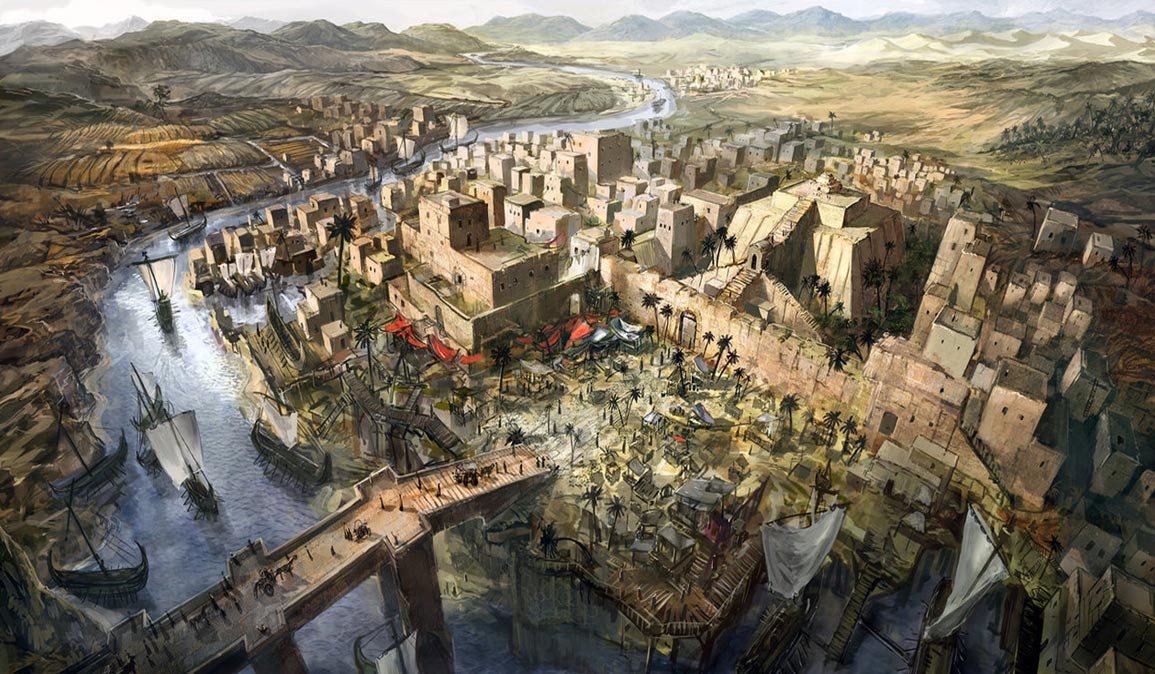
The fertile crescent between the Tigris and Euphrates rivers provided the agricultural surplus necessary for specialized labor, urbanization, and the complex societal structures that define civilization. But it was Mesopotamia’s pioneering economic and financial systems that truly laid the groundwork for its extraordinary longevity and influence.
Barter, Grains, and Silver: The First Currencies
While pure barter was likely less pervasive than often imagined, early Mesopotamian economies relied heavily on commodity money. Barley, the staple crop, served as a primary unit of account and medium of exchange, particularly for local transactions and payments. Standardized measures of barley facilitated trade and economic record-keeping. Over time, metals, especially silver, gained prominence. Silver, valued for its durability, portability, and scarcity, evolved into a more sophisticated form of currency. Unlike coined money, silver circulated in various forms – ingots, rings, or pieces – and was weighed for transactions, establishing an early form of a precious metal standard. This shift marked a critical step towards a more complex, liquid economy, allowing for easier accumulation of wealth and broader trade networks.
Legal Frameworks for Finance: The Code of Hammurabi
Perhaps one of Mesopotamia’s most enduring financial contributions was the establishment of codified laws governing economic transactions. The Code of Hammurabi (c. 1754 BCE), for instance, detailed an elaborate system of regulations concerning prices, wages, debt, interest rates, property rights, and commercial contracts. This legal framework provided a degree of predictability and trust essential for economic growth. It set limits on interest rates (typically 20% for silver loans and 33.3% for grain loans), outlined penalties for commercial fraud, and specified liabilities for various contracts, from farming agreements to construction projects. These laws safeguarded property, defined contractual obligations, and offered mechanisms for dispute resolution, creating an environment conducive to investment and trade. The concept of legal precedent and standardized economic practices emerged from these early codes, laying foundational principles still recognizable in modern commercial law.
Agricultural Investment and Resource Management
Mesopotamia’s prosperity was inextricably linked to its sophisticated irrigation systems. Massive public and private investment went into constructing and maintaining canals, dykes, and reservoirs, transforming arid land into fertile fields. This required significant organization, labor management, and financial planning. The state, temple institutions, and wealthy landowners coordinated these projects, often utilizing forced labor or a system of corvée (labor tax). The success of these hydraulic systems created an agricultural surplus, which not only fed a growing urban population but also generated tradable goods like grains, dates, and textiles. However, this intensive resource management also presented long-term challenges, such as salinization, a slow but inexorable build-up of salts in the soil due to irrigation evaporation in an arid climate. This environmental impact would eventually become a significant economic burden.
Wealth and Decline: The Financial Stresses that Reshaped Mesopotamia
The long arc of Mesopotamian history is punctuated by periods of immense wealth and innovation, alongside profound economic shifts and challenges that ultimately transformed the region. The idea of a single “fall” is misleading; rather, it was a centuries-long process driven by a combination of internal economic vulnerabilities and external pressures.
Trade Routes, Geopolitical Shifts, and Economic Dependence

Mesopotamia, lacking many vital resources like timber, precious metals, and certain stones, relied heavily on extensive trade networks with regions like Anatolia, the Levant, Egypt, and the Indus Valley. These networks were the lifeblood of its economy, bringing in raw materials that fueled its craft industries and allowed its agricultural surplus to be exchanged for goods not locally available. However, reliance on these external connections made Mesopotamia vulnerable. Geopolitical shifts, such as the rise of rival empires (Hittites, Assyrians, Babylonians, Persians, Greeks, Parthians, Sassanids) or the disruption of trade routes due to conflict or nomadic incursions, could severely impact its economic stability. Changes in maritime capabilities, the emergence of new trade hubs, or shifts in demand for Mesopotamian goods could diminish its economic leverage and revenue streams, leading to periods of decline for major urban centers.
Environmental Degradation and Agricultural Decline
The very agricultural success that propelled Mesopotamia’s rise contained the seeds of its long-term decline. As noted, continuous irrigation in a hot, arid climate without adequate drainage led to increasing salinization of arable land. Over centuries, this process dramatically reduced crop yields, particularly for sensitive crops like wheat, forcing a shift to more salt-tolerant barley. While seemingly a minor agricultural adjustment, the widespread reduction in productivity had profound economic consequences. It decreased agricultural surplus, impacting state revenues, the ability to feed large urban populations, and the overall wealth generated by the primary sector. This ecological strain weakened the economic base, making the region less resilient to other shocks like drought or invasion and contributing to a gradual depopulation and ruralization of what were once thriving agricultural heartlands.
Debt, Inequality, and Social Unrest
Mesopotamian societies, while economically advanced, were also characterized by significant social stratification. Wealth accumulation, particularly among elites (rulers, priests, wealthy merchants, and landowners), often led to increasing indebtedness among the common populace, especially farmers. Crop failures, high interest rates, and tribute demands could force individuals into debt bondage or to sell their land. While rulers occasionally enacted debt forgiveness decrees (“mišarum” acts) to prevent widespread social unrest and maintain a productive workforce, these were temporary measures. Over time, growing economic inequality and the concentration of landownership could lead to social instability, internal conflicts, and a weakening of central authority. These internal economic tensions, combined with external military pressures and environmental challenges, exacerbated periods of fragmentation and reduced Mesopotamia’s ability to project power or resist assimilation.
The Persistent Echoes: Mesopotamia’s Unseen Influence on Modern Financial Systems
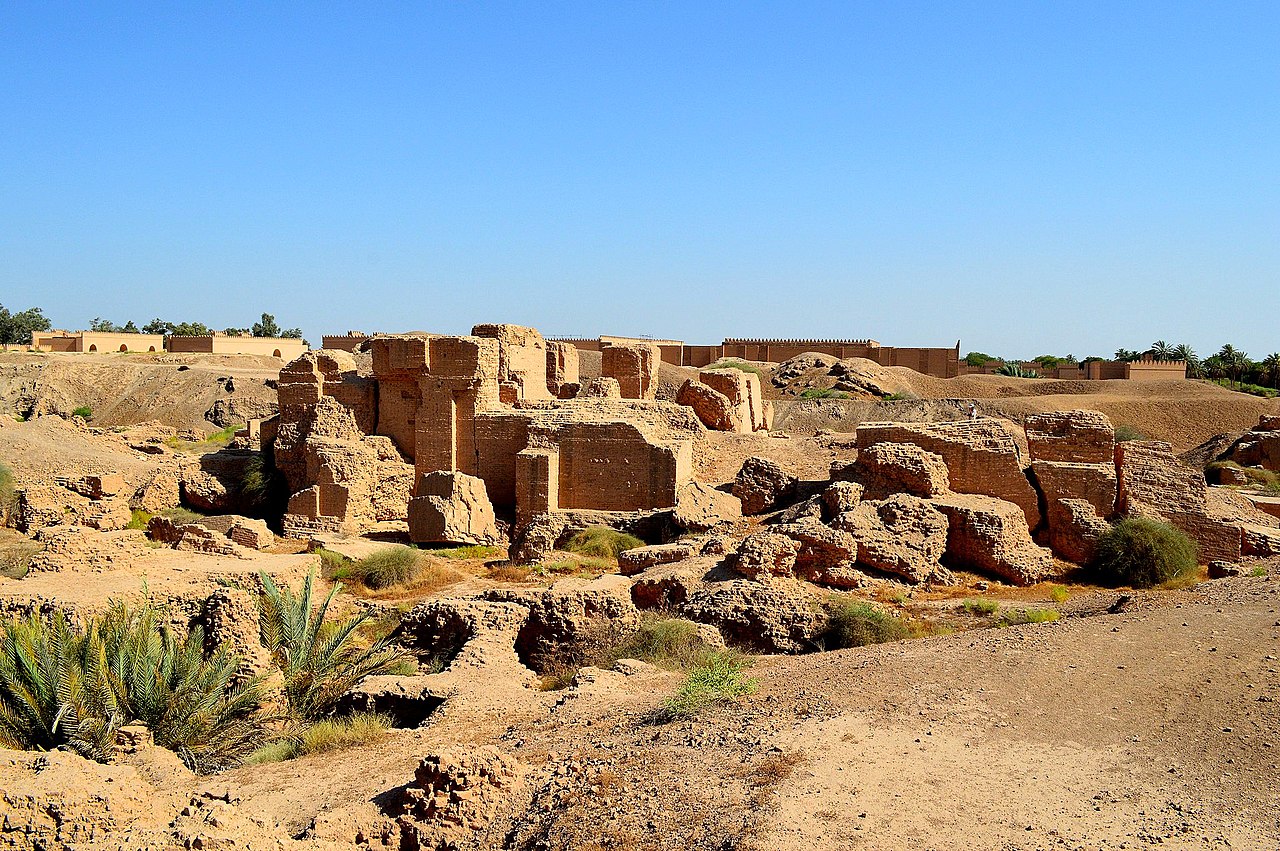
Mesopotamia didn’t simply vanish; its political entities dissolved, its languages faded, and its cities turned to ruin, but its economic and financial innovations diffused and evolved, laying foundations that continue to shape the modern world. The legacy of Mesopotamian finance is surprisingly pervasive.
Accounting and Record-Keeping Fundamentals
The invention of writing (cuneiform) in Sumer was driven primarily by the need for complex economic administration. Temple and palace economies required meticulous records of agricultural production, labor distribution, taxes, trade transactions, and debts. Clay tablets served as ledgers, invoices, and contracts. This systematic approach to accounting, including concepts like double-entry bookkeeping (though not fully formalized as in Renaissance Italy, its principles were embryonic), inventory management, and auditing, was crucial for managing large-scale institutions. Modern accounting practices, with their emphasis on accurate record-keeping and financial transparency, owe a direct intellectual lineage to these Mesopotamian antecedents, establishing the fundamental tools for managing any large enterprise or state economy.
The Genesis of Lending and Interest
The practice of lending money or commodities and charging interest, so fundamental to modern finance, originated in Mesopotamia. While interest rates were often high by modern standards and could lead to significant social problems, the underlying concept allowed for capital accumulation, investment, and risk management. It facilitated trade, enabled entrepreneurs to fund ventures, and provided a mechanism for individuals to navigate economic hardship. The legal frameworks developed around these practices, ensuring repayment or specifying consequences for default, directly informed later legal and financial traditions. The very notion of capital growth through investment and the societal function of credit can be traced back to the innovative practices of Mesopotamian lenders and borrowers.
Urbanization and Economic Specialization
The economic model developed in Mesopotamia, which fostered large urban centers supported by specialized labor and extensive trade, provided a blueprint for future civilizations. The concentration of population in cities allowed for economies of scale, the development of skilled artisan classes, complex administrative structures, and vibrant markets. This urban economic engine, fueled by trade, financial instruments, and efficient resource allocation, represented a paradigm shift from purely agrarian societies. The principles of economic specialization within a robust urban ecosystem, generating wealth through a diverse range of activities beyond subsistence farming, remain a cornerstone of global economic development to this day, a testament to Mesopotamia’s pioneering vision for how societies could organize and prosper economically.
aViewFromTheCave is a participant in the Amazon Services LLC Associates Program, an affiliate advertising program designed to provide a means for sites to earn advertising fees by advertising and linking to Amazon.com. Amazon, the Amazon logo, AmazonSupply, and the AmazonSupply logo are trademarks of Amazon.com, Inc. or its affiliates. As an Amazon Associate we earn affiliate commissions from qualifying purchases.