
The Evolving Narrative of a Child Star’s Personal Brand
The question, “what happened to Fred Savage?” is not merely a query about a celebrity’s whereabouts; it’s an insightful prompt into the intricate world of personal branding, career evolution, and strategic adaptation within the public eye. For a figure who achieved widespread recognition at a tender age, managing and reshaping one’s public persona becomes a lifelong endeavor, fraught with unique challenges and opportunities. Fred Savage’s trajectory offers a compelling case study in navigating the transition from a beloved child star to a multifaceted professional, illustrating the critical elements of brand resilience and strategic reinvention.

The Wonder Years: Establishing an Iconic Early Brand
Fred Savage’s initial brand identity was forged indelibly in the late 1980s and early 1990s through his role as Kevin Arnold in the critically acclaimed television series, The Wonder Years. This character represented the quintessential American coming-of-age experience, imbuing Savage with a brand image of innocence, relatability, and thoughtful introspection. His ability to convey complex emotions and connect with a vast audience established him as a television darling, a brand attribute that brought both immense popularity and, eventually, a significant challenge. The Kevin Arnold brand became so potent that it risked typecasting, making it difficult for audiences and industry professionals alike to perceive him beyond that iconic role. This early success solidified a powerful, yet narrowly defined, personal brand that would require careful management in the years to come. The visibility was immense, but the branding was specific, almost singular. The challenge for any child star is to either leverage that initial brand into a new, evolved version or to meticulously deconstruct and rebuild it to align with adult aspirations. Savage, whether intentionally or organically, chose a path of deliberate evolution rather than outright rejection.
Navigating the Transition: Early Adult Career Shifts
As Savage matured, the entertainment industry and public perception faced the inevitable question of how he would transition from child actor to adult professional. This period is often a make-or-break moment for child stars, where many struggle to shed their youthful image. For Savage, his early adult career choices reflected a conscious effort to diversify his brand and demonstrate versatility. Roles in films like The Princess Bride (though a child role, it broadened his range) and later ventures such as Working and Oswald showcased his acting chops beyond the dramatic coming-of-age narrative. While these roles didn’t always achieve the same cultural saturation as The Wonder Years, they were crucial in subtly reshaping his brand. They signaled a professional eager to explore different genres and formats, gradually decoupling his identity from solely being “Kevin Arnold.” This phase was less about explosive new fame and more about strategic brand diversification, laying the groundwork for a long-term career by proving his capabilities across different performance demands. It was a period of subtle brand recalibration, moving away from a single, dominant association towards a more varied and robust professional identity.
Reinvention and Resilience: The Director’s Chair and Beyond
The true masterstroke in Fred Savage’s brand evolution came with his strategic pivot behind the camera. This move wasn’t just a career change; it was a profound act of personal brand reinvention that demonstrated foresight and an understanding of the industry’s changing landscape. Shifting from a performer to a director allowed Savage to leverage his deep understanding of television production, honed since childhood, while creating a distinct professional identity separate from his acting past.
Behind the Camera: A Strategic Brand Pivot
Savage’s foray into directing began in the early 2000s, initially with episodes of Nickelodeon’s Even Stevens and That’s So Raven. This marked a critical juncture for his personal brand. By moving to directing, he wasn’t just seeking new work; he was actively crafting a new professional persona—one defined by creative leadership, technical expertise, and an ability to guide narratives rather than merely inhabit them. This strategic pivot allowed him to shed the “child star” label more effectively than any acting role could have. His directorial work on critically acclaimed and popular shows such as It’s Always Sunny in Philadelphia, Modern Family, 2 Broke Girls, The Conners, and Curb Your Enthusiasm showcased his versatility and competence, establishing him as a respected and in-demand director. This shift was a masterclass in brand expansion: instead of trying to force his original brand into an adult acting mold, he built a complementary, yet distinct, professional identity that garnered respect and longevity. His brand transitioned from a performer’s image to that of a creative industry leader, a move that significantly bolstered his long-term career viability and diversified his professional portfolio.
Sustaining Visibility: Guest Appearances and Voice Work
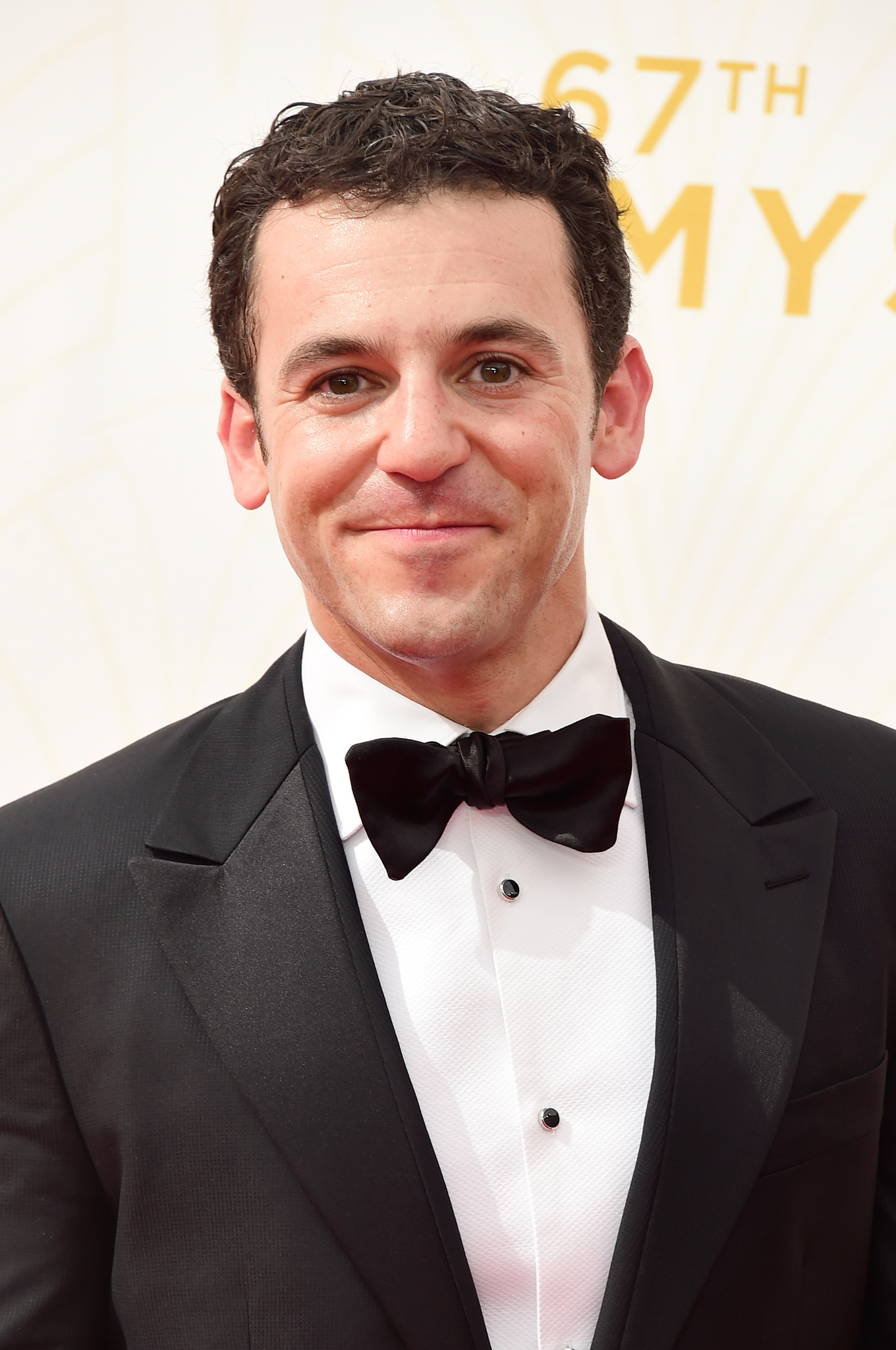
While directing became his primary professional focus and a cornerstone of his evolved brand, Savage never entirely abandoned performing. His occasional guest appearances and voice acting roles served a dual purpose: they kept him visible to audiences who might not follow directorial credits, and they allowed him to engage with the lighter, more self-aware aspects of his public persona. Roles in The Grinder, where he played a lawyer opposite Rob Lowe, or his various voice roles, demonstrated a willingness to embrace comedic timing and a playful interaction with his own past image. These selective acting gigs were not about reclaiming his child star fame, but rather about strategically maintaining a presence in front of the camera, reminding audiences of his charismatic personality without undermining his directorial brand. It demonstrated a balanced approach to brand management: developing a robust new identity while judiciously leveraging existing brand equity. This strategy ensured that his overall brand remained dynamic and accessible, appealing to both industry insiders familiar with his directorial prowess and the general public who still held affection for his performing roots.
Public Scrutiny and Brand Management Challenges
Even the most carefully managed personal brands face periods of intense public scrutiny, and Fred Savage’s career has not been immune. The entertainment industry, by its very nature, subjects its figures to constant evaluation, and missteps can have significant repercussions on one’s brand equity and professional standing. Understanding how these challenges are managed offers crucial insights into crisis communication and brand resilience.
Confronting Controversy: Impact on Public Perception
In recent years, Savage’s brand faced considerable challenges due to allegations of misconduct, including accusations of inappropriate behavior on set. Such allegations, regardless of their outcome, inevitably cast a shadow over a public figure’s carefully cultivated image. For someone whose initial brand was built on wholesome appeal and relatability, these controversies posed a particular threat to his integrity and trustworthiness—core components of his personal brand. The media attention and subsequent public discussion placed his professional relationships and future opportunities under intense scrutiny. This period underscored the fragility of public trust and the immense impact that personal conduct, or perceived conduct, can have on a brand that has been decades in the making. The immediate consequence was a disruption to his professional engagements, including his termination from The Wonder Years reboot. This highlights a fundamental aspect of brand management: the inseparable link between a personal brand and the individual’s ethical standing, especially in industries where public perception is paramount.
Rebuilding Trust: Strategies for Brand Recovery
Navigating such controversies requires a deliberate and strategic approach to brand recovery. While specific details of Savage’s personal response have remained largely private, the general principles of brand rebuilding in such scenarios involve a combination of accountability, time, and consistent professional conduct. For public figures, this often means allowing legal processes to unfold, demonstrating personal growth, and focusing on one’s professional craft to allow that work to speak for itself. For Savage, a potential path to recovery would involve leveraging the strength of his directorial portfolio, maintaining professional relationships built over decades, and perhaps, eventually, re-engaging with the public in a way that addresses past issues with sensitivity and sincerity. The goal is to slowly rebuild trust, allowing the body of professional work and consistent positive behavior to gradually overshadow past controversies. This is not an overnight process but a sustained effort to re-establish a brand’s integrity and value through actions rather than mere words, demonstrating the long game inherent in robust brand management.
Lessons in Longevity: Crafting a Multi-faceted Brand Legacy
Fred Savage’s career arc provides a compelling narrative for anyone interested in personal branding, demonstrating that longevity in dynamic industries often hinges on adaptability, strategic evolution, and the cultivation of a multi-faceted professional identity. His journey offers valuable lessons in how to navigate the public eye, pivot effectively, and build a lasting legacy.
Adaptability as a Core Brand Value
Perhaps the most significant lesson from Fred Savage’s career is the paramount importance of adaptability. His willingness to transition from a highly visible acting role to a successful career behind the camera speaks volumes about strategic flexibility. In an industry notoriously fickle, clinging rigidly to an initial brand identity can lead to obsolescence. Savage’s ability to identify new avenues for contribution, acquire new skills (or refine existing ones for a new purpose), and embrace different professional roles allowed his brand to evolve organically and remain relevant. This adaptability isn’t just about changing jobs; it’s about a fundamental mindset that views career development as an ongoing process of learning, growth, and reinvention. For personal brands, this means being open to new technologies, shifting market demands, and altering one’s professional narrative to align with evolving strengths and opportunities.
The Power of Authenticity and Strategic Evolution
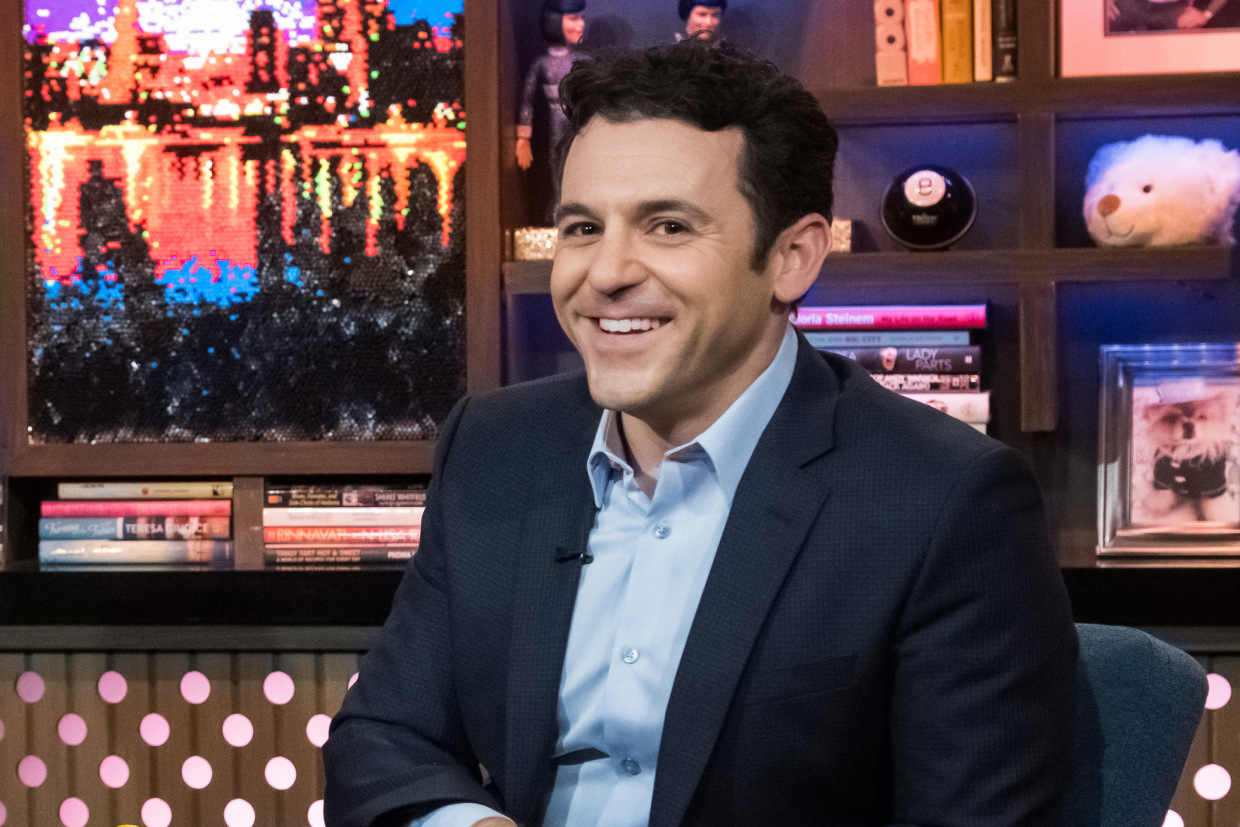
While adaptability is key, it must be balanced with authenticity. Savage’s evolution never felt entirely disconnected from his initial persona. His behind-the-camera work, particularly in comedies, often maintains a thread of the intelligent and relatable sensibility he embodied as Kevin Arnold. This demonstrates that strategic evolution doesn’t require abandoning one’s core identity but rather expanding upon it. The “what happened to Fred Savage” question ultimately resolves into a story of a professional who strategically diversified his skills, embraced new roles, and navigated the complexities of public life with a degree of resilience. His brand journey is a testament to the idea that a successful personal brand is not static but a living entity that requires continuous nurturing, strategic pivots, and an unwavering commitment to professional excellence, even in the face of public scrutiny. His continued presence in the industry, decades after his initial breakthrough, highlights the enduring power of a well-managed and strategically evolving personal brand.
aViewFromTheCave is a participant in the Amazon Services LLC Associates Program, an affiliate advertising program designed to provide a means for sites to earn advertising fees by advertising and linking to Amazon.com. Amazon, the Amazon logo, AmazonSupply, and the AmazonSupply logo are trademarks of Amazon.com, Inc. or its affiliates. As an Amazon Associate we earn affiliate commissions from qualifying purchases.