
DeAndre Hopkins, a name synonymous with elite receiving prowess in the National Football League, has carved out a distinguished career marked by spectacular catches, unwavering consistency, and a distinctive playing style. Yet, the question “what happened to DeAndre Hopkins” frequently arises, not merely as an inquiry into his current team or performance statistics, but as a deeper examination of his evolving personal brand, market perception, and strategic career trajectory. For any public figure, especially an athlete operating in the high-stakes world of professional sports, their personal brand is an invaluable asset, dictating everything from endorsement opportunities to fan engagement and perceived market value. Hopkins’ journey offers a compelling case study in the dynamic nature of personal branding within a constantly scrutinizing environment.
The Ascent of an Iconic Brand: Performance, Style, and Narrative
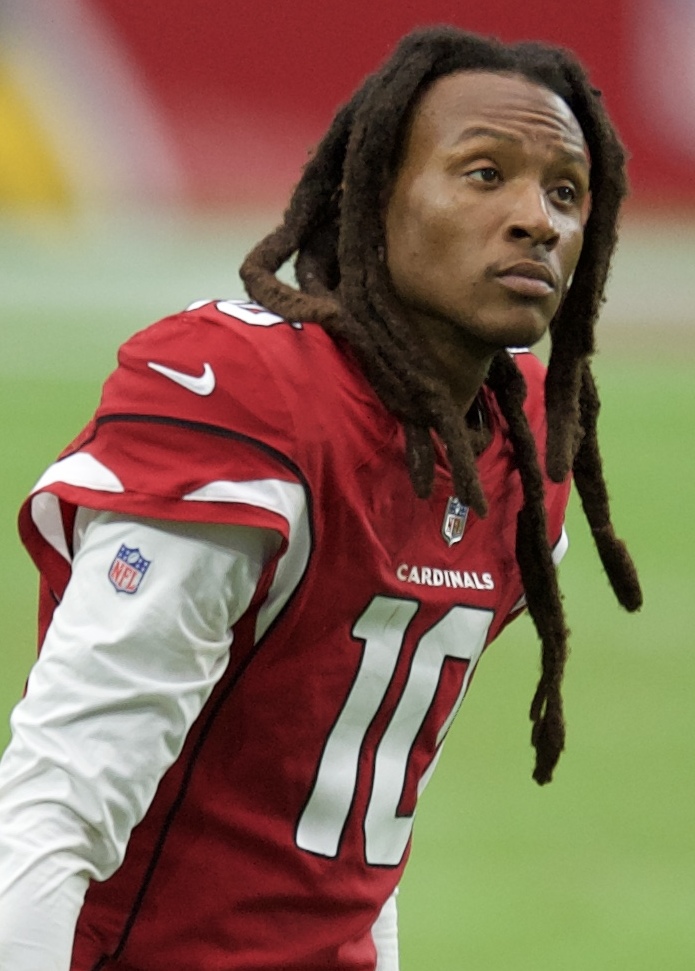
From his early days with the Houston Texans, DeAndre Hopkins quickly established a personal brand built on sheer athletic brilliance and a relentless work ethic. His ability to make acrobatic catches in contested situations, often against double coverage, became his signature. This on-field performance was the bedrock of his brand, translating into a reputation as one of the league’s most reliable and exciting wide receivers.
Crafting a Unique Identity
Hopkins’ brand wasn’t just about statistics; it was about style. His relaxed yet dominant demeanor, combined with a flair for the dramatic, resonated with fans. He wasn’t just a player; he was “Nuk,” a nickname that became an integral part of his identity. This unique blend of elite performance and distinct personality cultivated a strong, positive brand image that transcended team loyalties. His brand narrative was one of an underdog turned superstar, a player who consistently defied expectations through skill and determination. This narrative formed a powerful connection with a wide audience, setting the stage for significant brand equity.
Early Brand Leverage and Market Value
During his prime with the Texans, Hopkins’ market value soared. This was reflected not only in his lucrative contracts but also in his growing portfolio of endorsement deals. Brands recognized his widespread appeal, his reputation for excellence, and his ability to connect with a diverse demographic. His consistent presence on highlight reels, coupled with a relatively clean off-field image, made him an attractive figure for partnerships seeking to align with high performance and authenticity. His personal brand was robust, highly visible, and strategically aligned with success.
Navigating Transitions: Shifting Perceptions and New Narratives
The trajectory of any personal brand in professional sports is rarely linear. Trades, injuries, and evolving team dynamics invariably introduce new challenges and opportunities for brand adaptation. DeAndre Hopkins’ career has seen significant shifts, each presenting a test for his established brand.
The Arizona Trade and Brand Recontextualization
The unexpected trade from the Houston Texans to the Arizona Cardinals in 2020 marked a pivotal moment for Hopkins’ brand. For years, he had been the undisputed face of the Texans’ offense, a loyal cornerstone. Moving to a new team meant re-establishing his identity within a different locker room culture and fan base. Initially, this transition was a brand success. His immediate impact in Arizona, forming a dynamic duo with quarterback Kyler Murray, reinvigorated his narrative. He was seen as a catalyst, a proven veteran bringing championship aspirations to a younger team. This period showcased his ability to adapt and maintain his elite performance, reinforcing his brand as a top-tier game-changer, regardless of the uniform he wore. It demonstrated the strength of his personal brand to transcend team affiliations.
The Impact of Suspension and Brand Vulnerability
However, personal brands are also susceptible to external factors. In 2022, Hopkins faced a six-game suspension for violating the NFL’s performance-enhancing drug policy. This event introduced a significant challenge to his carefully cultivated brand image. While he maintained his innocence, the public perception often defaults to a narrative of culpability. For an athlete whose brand was deeply rooted in authenticity and natural talent, this incident introduced a layer of vulnerability and raised questions among some fans and endorsement partners. It required a delicate balancing act of acknowledging the situation, maintaining integrity, and focusing on a strong return to mitigate long-term brand damage. Such moments highlight how quickly established brand narratives can be challenged and the critical importance of crisis management for a public persona.
Performance, Perception, and Brand Equity: The Interplay
The question “what happened to DeAndre Hopkins” is often a subtle query about the current state of his brand equity. Brand equity, for an athlete, is the sum of their reputation, market value, fan loyalty, and perceived influence. This equity is intrinsically tied to ongoing performance, public perception, and a carefully managed narrative.
Sustaining Elite Performance vs. Perceived Decline
Following his return from suspension and subsequent performance, the narrative surrounding Hopkins shifted. While he continued to demonstrate flashes of his elite skill, injuries and the natural progression of age led to questions about his long-term viability as an undisputed top-three receiver. For a brand built on being the best, even a slight perceived dip in performance can create a ripple effect on brand equity. This isn’t necessarily a decline in skill but often a shift in perception of his absolute dominance. The media and fan narratives began to weigh past peaks against current output, influencing how his brand was valued. Maintaining high brand equity requires not just continued high performance, but also a strategic communication plan that manages expectations and frames evolving roles or statistics effectively.
Market Dynamics and Shifting Brand Value
The NFL is a business, and market dynamics heavily influence an athlete’s brand value. When Hopkins was released by the Cardinals in 2023, it signaled a significant shift in his market standing. While still a highly coveted player, the circumstances of his release and subsequent free agency period opened a public discourse about his age, contract demands, and overall fit within various team structures. This period was a test of his brand’s resilience. The public speculation, the comparisons to younger, cheaper talent, and the negotiation processes all contributed to a re-evaluation of his brand’s current market worth. For a personal brand, being perceived as a high-value asset that is also a strategic acquisition is crucial. His eventual signing with the Tennessee Titans, while a strong move for the team, also marked a slight recalibration of his overall brand narrative, moving from undisputed top-tier receiver to a crucial veteran leader on a rebuilding team.
Endorsements, Influence, and Future Brand Trajectory
A key indicator of an athlete’s brand strength is their ability to attract and maintain high-profile endorsements. As DeAndre Hopkins’ career has evolved, so too has the landscape of his brand influence and potential for future partnerships.
The Endorsement Portfolio as a Brand Barometer
Hopkins has historically enjoyed a robust endorsement portfolio, partnering with major brands across sports apparel, technology, and consumer goods. These partnerships are a direct reflection of his brand appeal, trustworthiness, and ability to connect with target demographics. The stability and growth of these endorsements serve as a barometer for his overall brand health. As athletes age and their on-field roles evolve, so too must their endorsement strategy. Brands often seek narratives beyond just peak performance—stories of leadership, mentorship, resilience, or even lifestyle. Hopkins’ transition to a veteran presence could open new avenues for endorsements that align with experience and mentorship rather than solely explosive playmaking.
Cultivating Influence Beyond the Field
Looking ahead, the future trajectory of DeAndre Hopkins’ brand will increasingly rely on his ability to cultivate influence beyond just game-day performance. This includes leveraging social media platforms, engaging in community initiatives, and potentially exploring ventures outside of football. Many athletes successfully transition their personal brands into media roles, business ventures, or philanthropic endeavors as their playing careers wind down. For Hopkins, establishing a clear long-term brand vision that transcends the football field will be crucial. This involves consciously building a narrative around his expertise, his unique perspective, and his enduring appeal as a public figure. His brand could evolve from simply “elite receiver” to “thought leader” or “savvy entrepreneur” in the sports ecosystem.
Lessons in Personal Branding from the Hopkins Playbook
DeAndre Hopkins’ career offers invaluable insights into the complexities of building, maintaining, and adapting a personal brand in the public eye. His journey illustrates several critical principles for anyone looking to cultivate a strong, enduring personal brand.
The Foundation of Authenticity and Performance
Hopkins’ brand began with undeniable, authentic performance. For any individual, consistent excellence in their core domain is the non-negotiable foundation. Without it, any constructed brand is superficial. His unique style further solidified this authenticity, proving that embracing one’s true self can be a powerful brand differentiator.
The Imperative of Adaptability
The trade to Arizona, the suspension, and the eventual move to Tennessee all highlight the need for brand adaptability. The world changes, circumstances shift, and a strong personal brand must be agile enough to recontextualize itself within new environments and narratives without losing its core identity. This means being prepared to strategically pivot messaging and redefine one’s role.
Managing Perception in a Scrutiny Economy
Every public figure operates in a “scrutiny economy.” Hopkins’ experience with his suspension underscores the constant need to manage perception, even when facts are contested. Transparency, accountability, and a clear communication strategy are paramount in navigating potential brand crises and maintaining public trust.
Evolving the Narrative Beyond Peak Performance
Finally, Hopkins’ evolving career trajectory emphasizes that a personal brand must grow beyond its initial defining characteristics. For athletes, this means planning for life after peak performance, cultivating broader interests, and developing a narrative that highlights leadership, wisdom, and lasting impact. “What happened to DeAndre Hopkins” is ultimately a story of a powerful personal brand in continuous evolution, navigating the challenges and opportunities inherent in a high-profile career, and offering a masterclass in strategic brand management.
aViewFromTheCave is a participant in the Amazon Services LLC Associates Program, an affiliate advertising program designed to provide a means for sites to earn advertising fees by advertising and linking to Amazon.com. Amazon, the Amazon logo, AmazonSupply, and the AmazonSupply logo are trademarks of Amazon.com, Inc. or its affiliates. As an Amazon Associate we earn affiliate commissions from qualifying purchases.